Can sensors detect changes in the salinity gradient of groundwater?
The intricate dance between freshwater and saltwater is a delicate balance that has captivated scientists for centuries. The subsurface, where groundwater flows, is a critical component of this ecosystem, influencing everything from plant growth to coastal erosion. One crucial aspect of monitoring this complex system is detecting changes in the salinity gradient of groundwater – a task at the forefront of sensor technology development. As we delve into the world of sensor-based monitoring, it becomes clear that the stakes are high: accurate detection can inform water resource management strategies, mitigate the effects of climate change, and even provide early warnings for natural disasters.
1. Background and Context
Groundwater is a vital component of the Earth’s hydrological cycle, supplying approximately 25% of global freshwater needs. Its salinity gradient – a measure of the concentration of dissolved salts in water – varies significantly across different geological formations and aquifer types. Changes in this gradient can have far-reaching consequences, including altered ecosystems, impacts on agriculture, and effects on human health.
Traditional methods for monitoring groundwater quality involve collecting samples at specific intervals and analyzing them in laboratories. However, these approaches are often time-consuming, expensive, and may not capture real-time changes in the salinity gradient. The need for more efficient and accurate monitoring tools has driven the development of sensor-based technologies.
2. Sensor Technologies for Monitoring Salinity Gradient
Several types of sensors have been employed to monitor groundwater quality, including:
| Sensor Type | Working Principle | Advantages |
|---|---|---|
| Electrochemical Sensors | Measure changes in electrical potential between electrodes and the surrounding solution | High sensitivity, low power consumption |
| Optical Sensors (e.g., Fiber-Optic Probes) | Utilize light scattering or absorption to detect changes in salinity | Non-invasive, real-time monitoring possible |
| Conductivity Sensors | Measure electrical conductivity of water to estimate salinity | Simple, cost-effective |

3. Challenges and Limitations
While sensor technologies have shown promise for monitoring groundwater quality, several challenges must be addressed:
- Interference from other ions: Salinity sensors may be affected by the presence of other dissolved ions in the water, leading to inaccurate readings.
- Calibration requirements: Sensors often require calibration to specific water types or conditions, which can be time-consuming and expensive.
- Scalability and deployment costs: Deploying a large number of sensors across a vast area can be costly and logistically challenging.
4. Recent Advances and Future Directions
Recent advancements in sensor technology have improved their accuracy, reliability, and affordability:
- Machine learning algorithms: Integration with machine learning models enables real-time data analysis and prediction of salinity changes.
- Advanced materials: New materials and nanotechnology-based sensors offer enhanced sensitivity and selectivity for detecting specific ions.
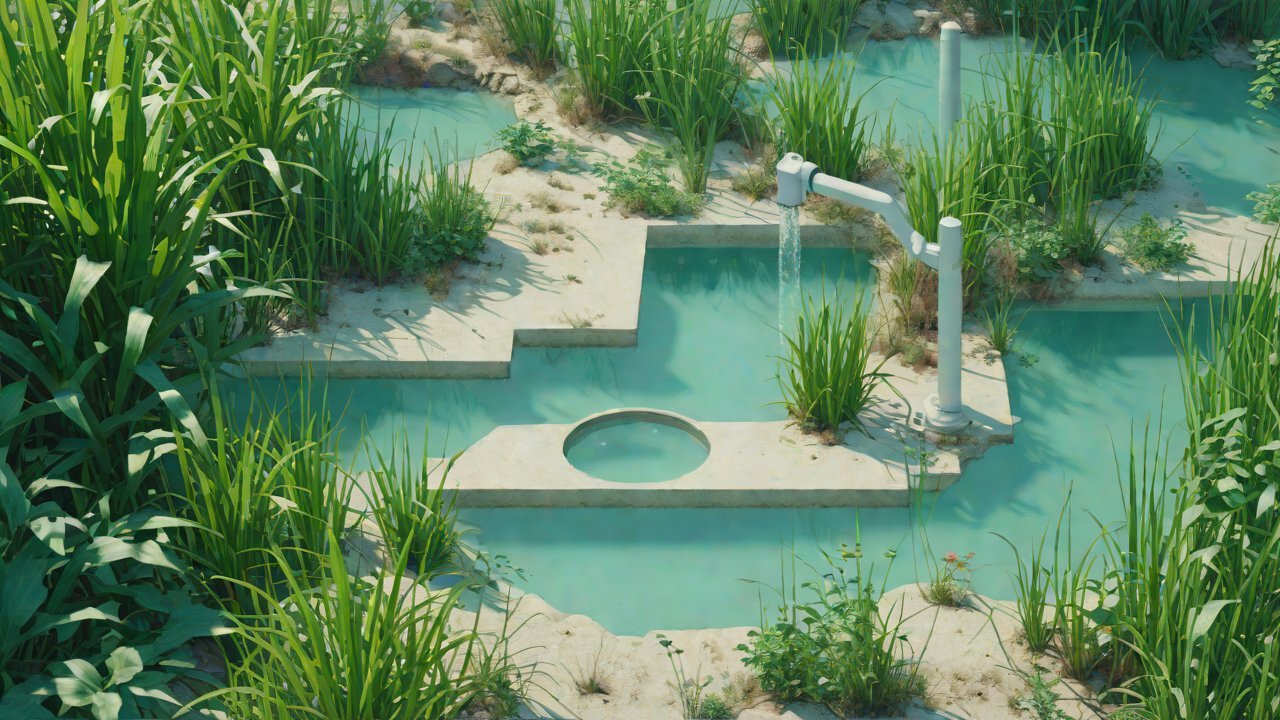
Looking ahead, the integration of IoT (Internet of Things) capabilities with sensor technologies will enable:
- Real-time monitoring and data analytics
- Predictive maintenance and calibration
- Improved scalability and deployment options
5. Market Analysis and Industry Trends
The market for groundwater monitoring sensors is expected to grow significantly, driven by increasing concerns over water scarcity and climate change.
| Market Segment | Projected Growth Rate (2023-2030) |
|---|---|
| Groundwater Monitoring Sensors | 15% CAGR |
| IoT-enabled Water Management Solutions | 25% CAGR |
6. Technical Perspectives
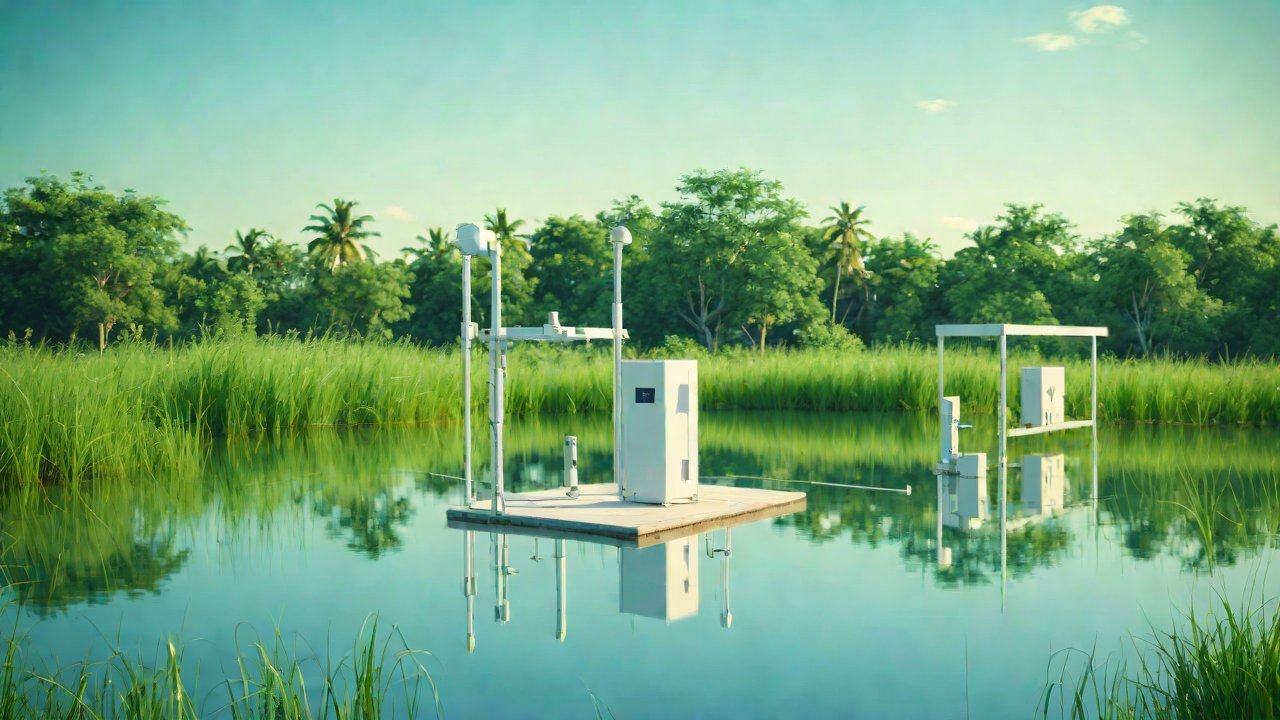
From a technical standpoint, the development of sensors that can accurately detect changes in the salinity gradient of groundwater requires:
- Improved sensor selectivity: Enhanced ability to distinguish between different ions and compounds.
- Increased sensitivity: Ability to detect small changes in salinity levels.
AIGC (Artificial Intelligence, Internet of Things, Cloud Computing) technical perspectives highlight the importance of integrating machine learning algorithms with IoT sensors for real-time data analysis and predictive maintenance.
7. Case Studies and Applications
Successful implementations of sensor-based monitoring systems have been reported:
- Irrigation management: Real-time salinity monitoring enables optimized irrigation schedules.
- Coastal erosion prevention: Early detection of changes in groundwater salinity helps mitigate coastal erosion risks.
8. Conclusion
The accurate detection of changes in the salinity gradient of groundwater is a critical challenge that sensor technologies are well-equipped to address. While challenges and limitations persist, recent advancements in sensor technology and AIGC perspectives hold promise for improved monitoring capabilities. As the world grapples with water scarcity and climate change, the importance of robust groundwater management strategies cannot be overstated – and accurate sensing technologies will play a vital role in informing these decisions.
IOT Cloud Platform
IOT Cloud Platform is an IoT portal established by a Chinese IoT company, focusing on technical solutions in the fields of agricultural IoT, industrial IoT, medical IoT, security IoT, military IoT, meteorological IoT, consumer IoT, automotive IoT, commercial IoT, infrastructure IoT, smart warehousing and logistics, smart home, smart city, smart healthcare, smart lighting, etc.
The IoT Cloud Platform blog is a top IoT technology stack, providing technical knowledge on IoT, robotics, artificial intelligence (generative artificial intelligence AIGC), edge computing, AR/VR, cloud computing, quantum computing, blockchain, smart surveillance cameras, drones, RFID tags, gateways, GPS, 3D printing, 4D printing, autonomous driving, etc.