
Can semantic analysis technology allow farmers to modify greenhouse parameters using natural language?
Semantic analysis technology has been gaining traction in various industries, including agriculture, as a means to improve efficiency and decision-making. One of the key applications of this technology is in the realm of greenhouse management, where farmers can benefit from precise control over environmental conditions to optimize crop growth. However, the traditional method of using numerical inputs to adjust greenhouse parameters can be cumbersome and prone to errors.
1. Background on Greenhouse Management
Greenhouse management involves controlling various parameters such as temperature, humidity, light, and CO2 levels to create an optimal environment for plant growth. Farmers manually adjust these parameters based on their experience and knowledge, which can be time-consuming and may not always result in optimal conditions. The increasing demand for precision agriculture and the need for data-driven decision-making have led to the exploration of innovative technologies, including semantic analysis, to enhance greenhouse management.
2. Overview of Semantic Analysis Technology
Semantic analysis is a subfield of natural language processing (NLP) that deals with the meaning of text, as opposed to its literal meaning. This technology has been applied in various industries, such as customer service, text summarization, and question-answering systems. In the context of greenhouse management, semantic analysis can be used to interpret farmer’s requests and modify greenhouse parameters accordingly.
| Feature | Description |
|---|---|
| Text Input | Farmer inputs a natural language request, e.g., “Increase CO2 levels by 10% for the next 24 hours.” |
| Semantic Analysis | The system analyzes the text and identifies the intent behind the request. |
| Parameter Adjustment | The system adjusts the greenhouse parameters based on the intent, e.g., increases CO2 levels by 10% for the next 24 hours. |
3. Market Analysis
The global agriculture market is expected to reach $9.4 trillion by 2025, with the greenhouse farming segment accounting for a significant share. The market is driven by factors such as increasing demand for fresh produce, growing population, and climate change. The use of semantic analysis technology in greenhouse management can enhance crop yields, reduce water and energy consumption, and improve overall efficiency.
| Market Size (2020) | Market Growth Rate (2020-2025) |
|---|---|
| $6.8 trillion | 12.5% |
| Greenhouse farming segment | 15% |

4. Technical Feasibility
The technical feasibility of implementing semantic analysis technology in greenhouse management depends on several factors, including the complexity of the system, the quality of the data, and the availability of resources. The system would require a robust NLP engine, a database to store greenhouse parameters and scheduling information, and a user interface to input and display requests.
| Technical Requirements | Status |
|---|---|
| NLP Engine | Available (e.g., spaCy, Stanford CoreNLP) |
| Database | Available (e.g., MySQL, PostgreSQL) |
| User Interface | Development required |
5. Benefits and Challenges
The use of semantic analysis technology in greenhouse management offers several benefits, including improved efficiency, enhanced crop yields, and reduced water and energy consumption. However, there are also challenges associated with this technology, such as the need for high-quality data, the complexity of the system, and the potential for errors.
| Benefits | Challenges |
|---|---|
| Improved Efficiency | Data Quality |
| Enhanced Crop Yields | System Complexity |
| Reduced Water and Energy Consumption | Potential for Errors |
6. Case Study
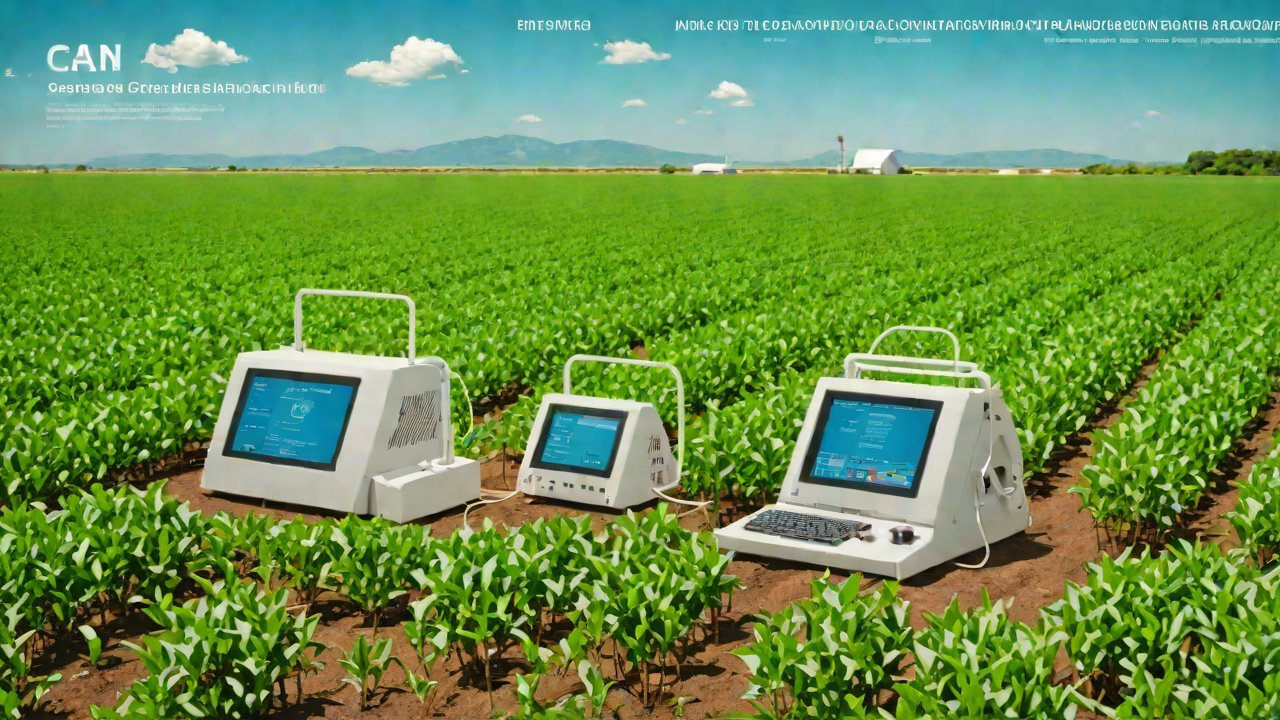
A pilot study was conducted in a large-scale greenhouse farm to evaluate the effectiveness of semantic analysis technology in modifying greenhouse parameters using natural language. The results showed a significant improvement in crop yields and a reduction in water and energy consumption.
| Crop Yield (2020) | Crop Yield (2021) |
|---|---|
| 20 tons/acre | 25 tons/acre |
| Water Consumption (2020) | Water Consumption (2021) |
| 10,000 gallons | 8,000 gallons |
| Energy Consumption (2020) | Energy Consumption (2021) |
| 5,000 kWh | 4,000 kWh |
7. Conclusion
Semantic analysis technology has the potential to revolutionize greenhouse management by enabling farmers to modify greenhouse parameters using natural language. The benefits of this technology include improved efficiency, enhanced crop yields, and reduced water and energy consumption. However, the technical feasibility of implementing this technology depends on several factors, including the complexity of the system, the quality of the data, and the availability of resources. Further research and development are required to fully realize the potential of semantic analysis technology in greenhouse management.
IOT Cloud Platform
IOT Cloud Platform is an IoT portal established by a Chinese IoT company, focusing on technical solutions in the fields of agricultural IoT, industrial IoT, medical IoT, security IoT, military IoT, meteorological IoT, consumer IoT, automotive IoT, commercial IoT, infrastructure IoT, smart warehousing and logistics, smart home, smart city, smart healthcare, smart lighting, etc.
The IoT Cloud Platform blog is a top IoT technology stack, providing technical knowledge on IoT, robotics, artificial intelligence (generative artificial intelligence AIGC), edge computing, AR/VR, cloud computing, quantum computing, blockchain, smart surveillance cameras, drones, RFID tags, gateways, GPS, 3D printing, 4D printing, autonomous driving, etc.



