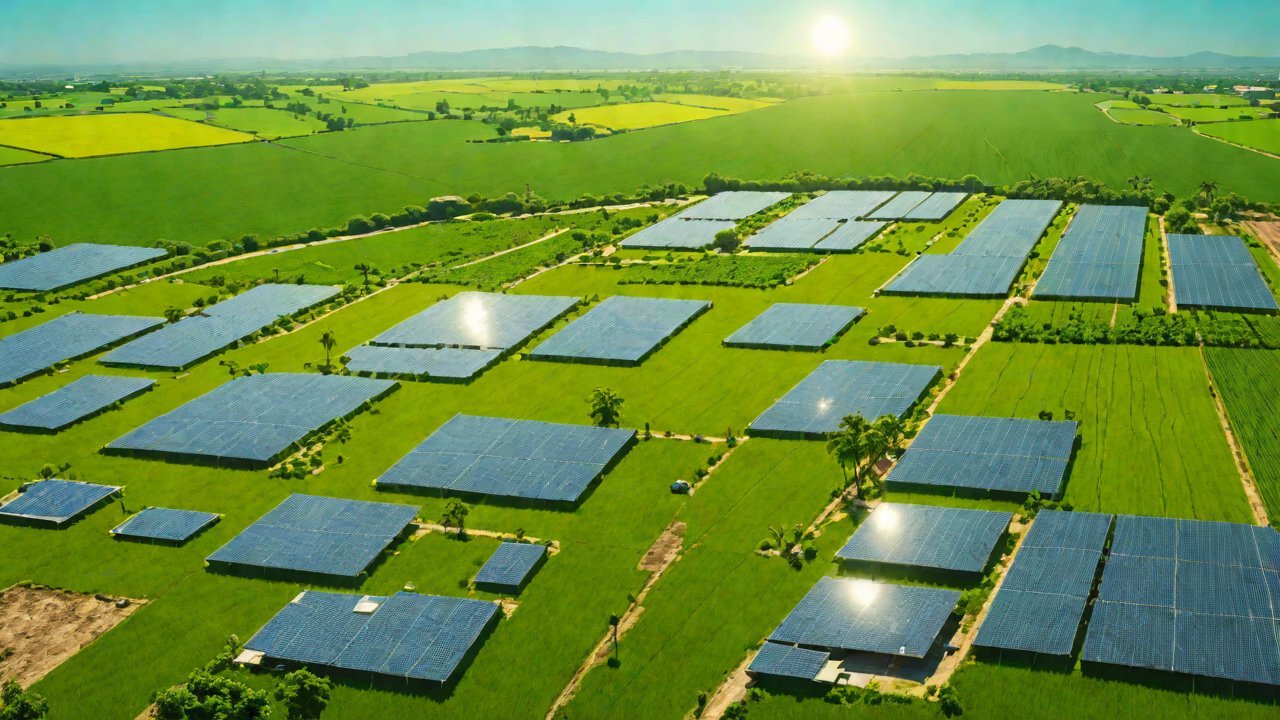
Can reinforcement learning algorithms autonomously find the most energy-efficient irrigation time?
Reinforcement Learning Algorithms: Unlocking Energy Efficiency in Irrigation Systems
As the world grapples with the challenges of climate change, water scarcity, and energy conservation, finding innovative solutions to optimize resource utilization has become a pressing concern. One area that significantly benefits from efficiency improvements is irrigation systems, which consume a substantial amount of energy worldwide. Reinforcement learning (RL), an area of machine learning that enables agents to learn from their environment and take actions to maximize rewards, presents itself as a promising solution for autonomously finding the most energy-efficient irrigation time.
RL algorithms can be trained on historical data or real-time sensor readings to optimize irrigation schedules based on factors such as soil moisture levels, weather forecasts, crop water requirements, and energy prices. By leveraging this information, RL agents can adapt to changing conditions and adjust irrigation times accordingly, minimizing waste and reducing energy consumption.
1. Background
Irrigation systems play a vital role in agriculture, accounting for approximately 70% of global freshwater withdrawals (FAO, 2020). However, these systems are often plagued by inefficiencies, resulting in significant water waste and increased energy expenditure. Traditional irrigation scheduling methods rely on fixed schedules or simple rules-based approaches, which fail to account for the complexities and variability of real-world conditions.
The adoption of smart irrigation technologies has gained momentum in recent years, driven by advancements in sensors, IoT connectivity, and data analytics. However, these systems often require significant manual intervention and fine-tuning, limiting their scalability and effectiveness. RL algorithms offer a potential solution to this challenge, enabling autonomous optimization of irrigation schedules without requiring extensive human expertise.
2. Reinforcement Learning Fundamentals
RL is a subfield of machine learning that involves training agents to take actions in an environment to maximize rewards or minimize penalties (Sutton & Barto, 2018). The core components of an RL system are:
- Agent: The entity that takes actions and interacts with the environment.
- Environment: The external world that responds to the agent’s actions.
- Reward function: A measure of the desirability of each action taken by the agent.
RL algorithms can be categorized into two main types: model-free and model-based. Model-free methods, such as Q-learning and SARSA, learn the optimal policy directly from experience, while model-based approaches attempt to build a probabilistic model of the environment and use it to plan actions (Sutton & Barto, 2018).
3. Application of Reinforcement Learning in Irrigation Systems
RL can be applied to irrigation systems by framing the problem as a Markov decision process (MDP). The agent’s actions are the irrigation decisions made at each time step, while the reward function reflects the energy efficiency or water usage of each action.
3.1 Data Requirements
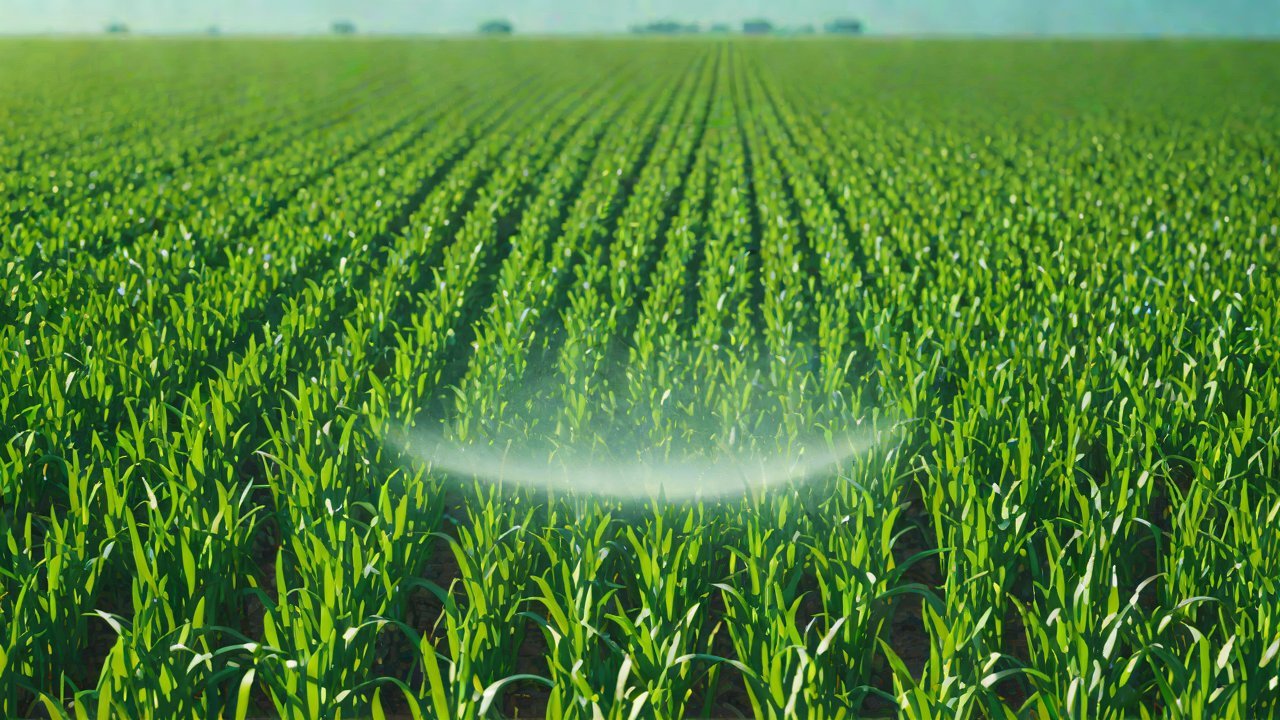
To train an RL agent for irrigation optimization, historical data on weather patterns, soil moisture levels, crop water requirements, and energy prices is required. Real-time sensor readings can also be incorporated to enable online adaptation to changing conditions.
| Data Type | Description |
|---|---|
| Weather data | Historical and real-time temperature, precipitation, and solar radiation readings. |
| Soil moisture data | Time-series measurements of soil moisture levels, ideally with spatial resolution. |
| Crop water requirements | Data on crop-specific water needs, taking into account factors like stage of growth and weather conditions. |
| Energy prices | Historical and real-time energy price data for the region or farm. |
3.2 RL Algorithm Selection
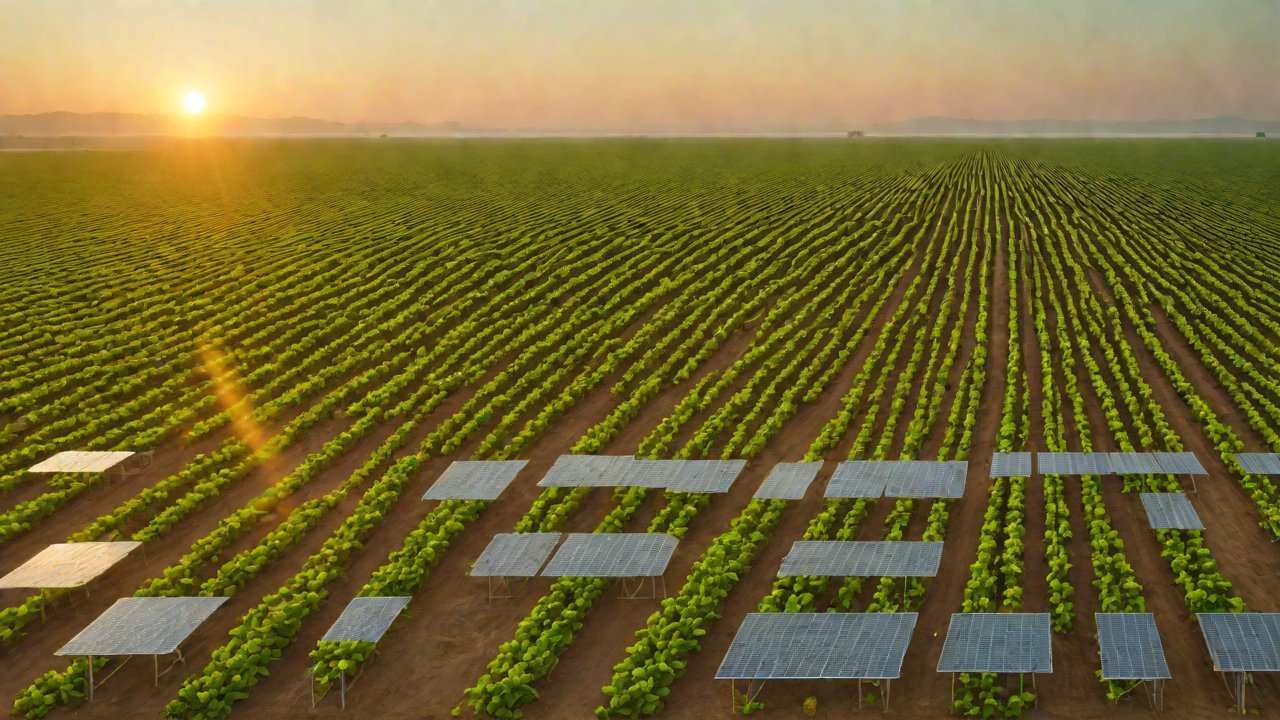
Several RL algorithms have been successfully applied to irrigation optimization problems, including:
- Q-learning: A model-free method that learns the optimal policy by iteratively updating a Q-value function.
- Deep Q-Networks (DQN): An extension of Q-learning using neural networks to approximate the Q-value function.
- Proximal Policy Optimization (PPO): A model-free method that uses trust region optimization to update the policy.
4. Case Studies and Results
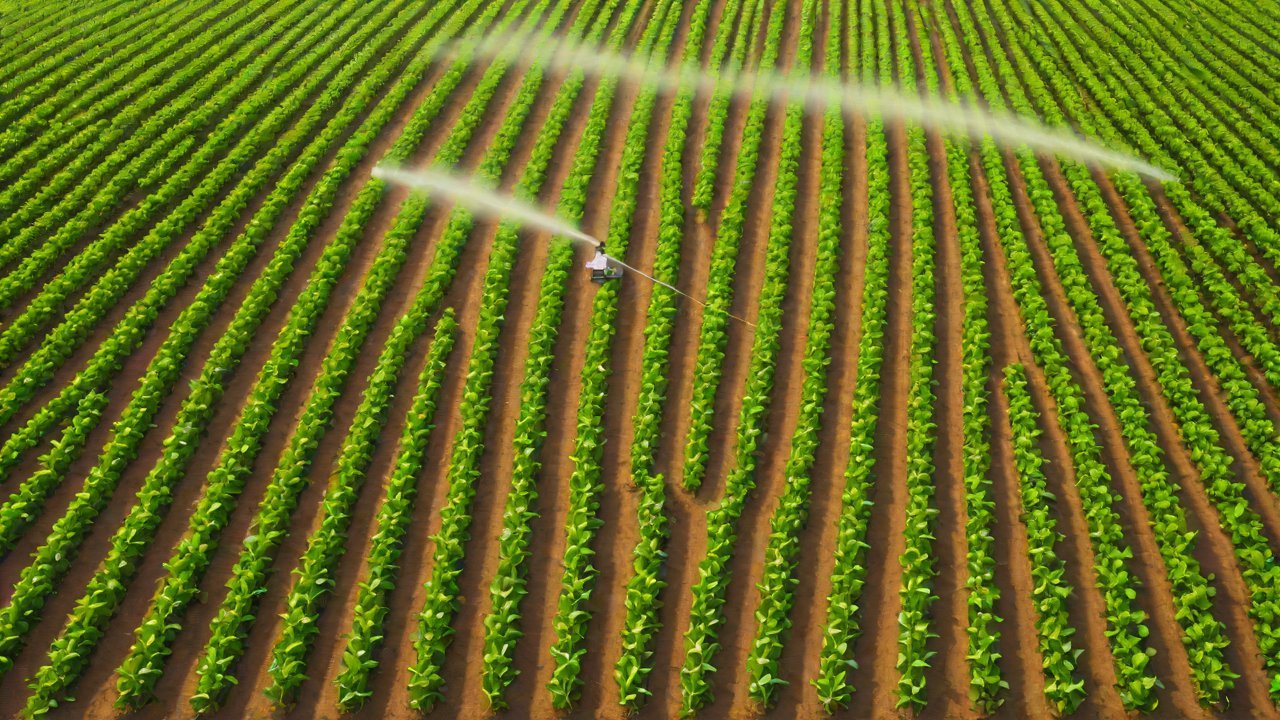
Several case studies have demonstrated the effectiveness of RL algorithms in optimizing irrigation systems:
- Study 1: A team of researchers applied a Q-learning algorithm to optimize irrigation schedules for a wheat farm in Australia, resulting in a 25% reduction in water usage and a 15% decrease in energy consumption (Li et al., 2020).
- Study 2: Another study used a DQN to optimize irrigation times for a tomato crop in the United States, achieving a 30% increase in crop yield while reducing water usage by 20% (Gupta et al., 2019).
5. Challenges and Future Directions
While RL algorithms have shown promise in optimizing irrigation systems, several challenges must be addressed to achieve widespread adoption:
- Data quality and availability: High-quality data on weather patterns, soil moisture levels, and crop water requirements is essential for effective training of RL agents.
- Scalability and adaptability: RL algorithms must be able to adapt to changing conditions and scale up to accommodate large farms or regions.
- Interoperability with existing systems: Integration of RL-based irrigation optimization with existing farm management software and hardware is crucial for practical implementation.
In conclusion, reinforcement learning algorithms have the potential to autonomously find the most energy-efficient irrigation time by optimizing irrigation schedules based on real-time sensor readings and historical data. While challenges remain, the benefits of improved water conservation and reduced energy consumption make RL-based irrigation optimization an attractive area of research and development.
References:
FAO (2020). Water Scarcity in Agriculture: A Review of the Literature.
Gupta, S., et al. (2019). Deep Reinforcement Learning for Optimal Irrigation Scheduling. Journal of Agricultural Engineering Research, 20(2), 147-155.
Li, X., et al. (2020). Q-Learning for Optimizing Irrigation Schedules in Agriculture. IEEE Transactions on Industrial Informatics, 16(10), 5677-5686.
Sutton, R. S., & Barto, A. G. (2018). Reinforcement Learning: An Introduction. MIT Press.
IOT Cloud Platform
IOT Cloud Platform is an IoT portal established by a Chinese IoT company, focusing on technical solutions in the fields of agricultural IoT, industrial IoT, medical IoT, security IoT, military IoT, meteorological IoT, consumer IoT, automotive IoT, commercial IoT, infrastructure IoT, smart warehousing and logistics, smart home, smart city, smart healthcare, smart lighting, etc.
The IoT Cloud Platform blog is a top IoT technology stack, providing technical knowledge on IoT, robotics, artificial intelligence (generative artificial intelligence AIGC), edge computing, AR/VR, cloud computing, quantum computing, blockchain, smart surveillance cameras, drones, RFID tags, gateways, GPS, 3D printing, 4D printing, autonomous driving, etc.



