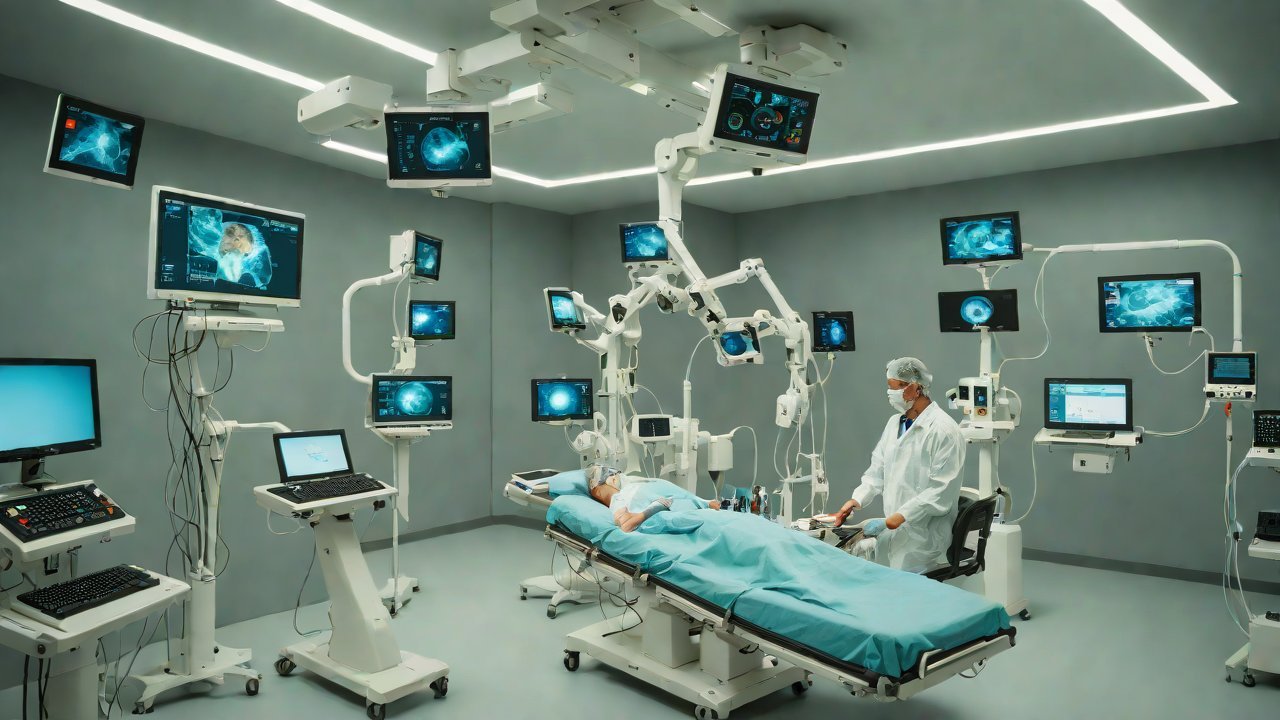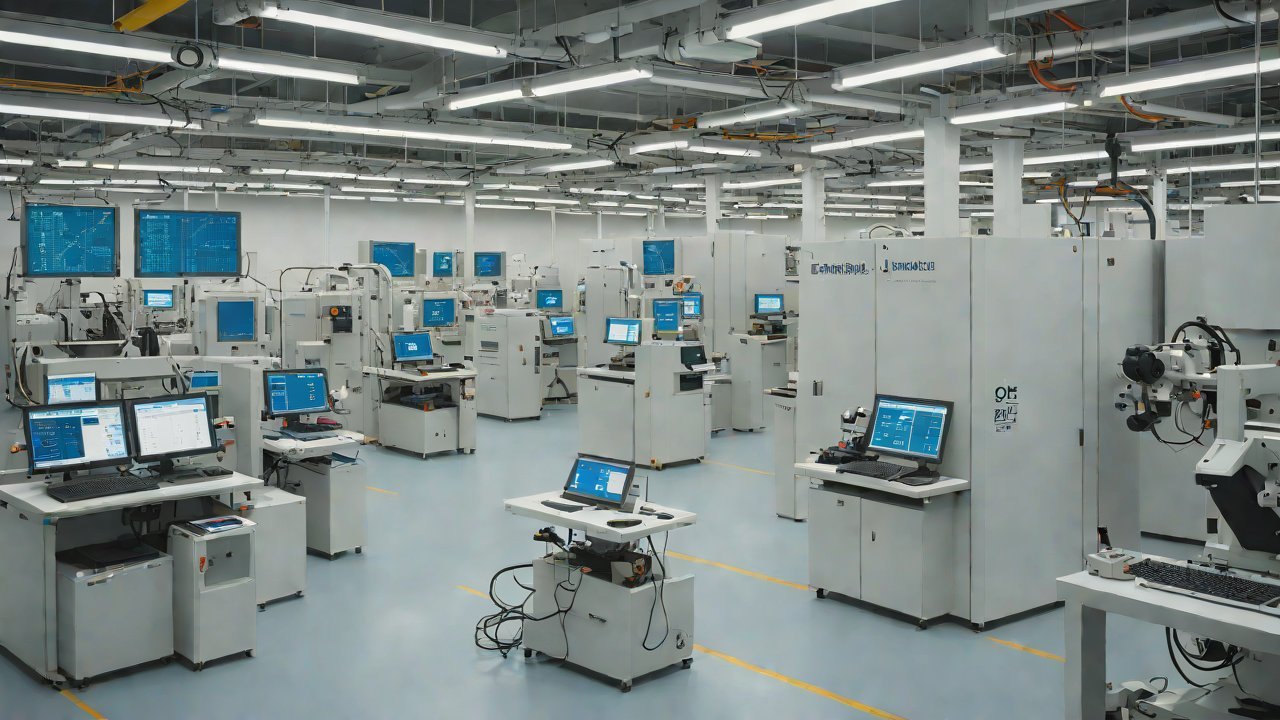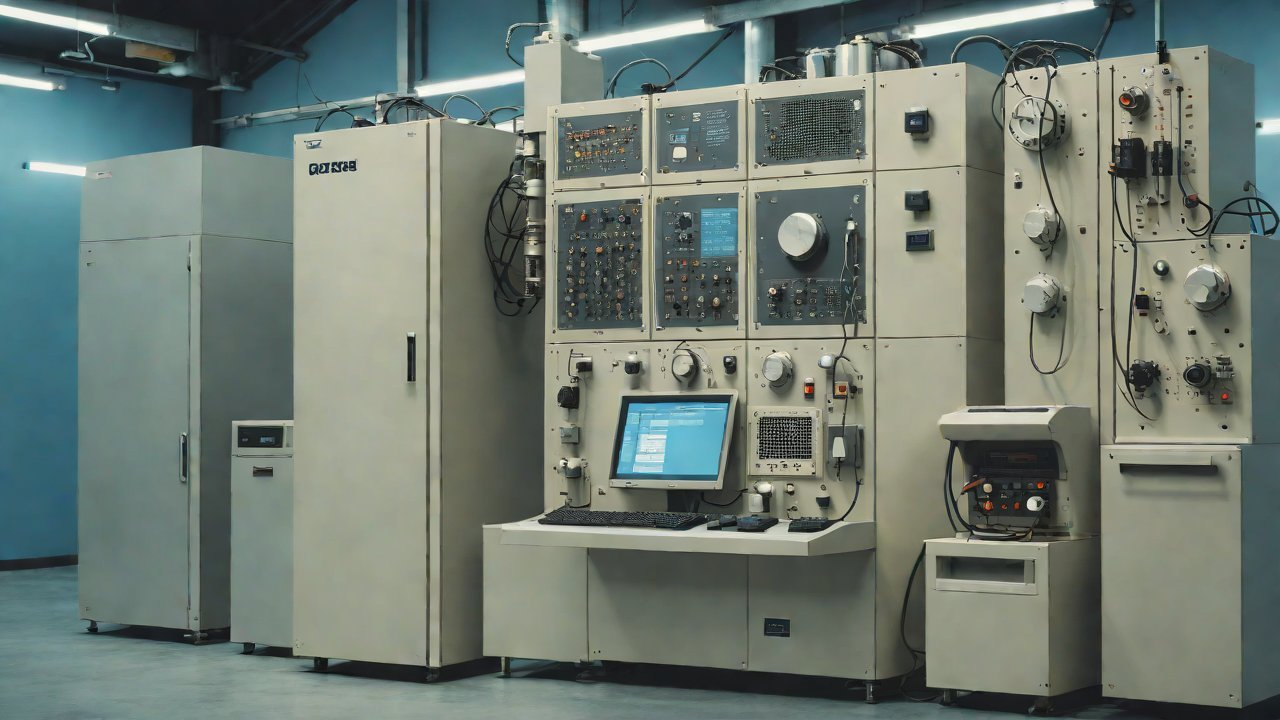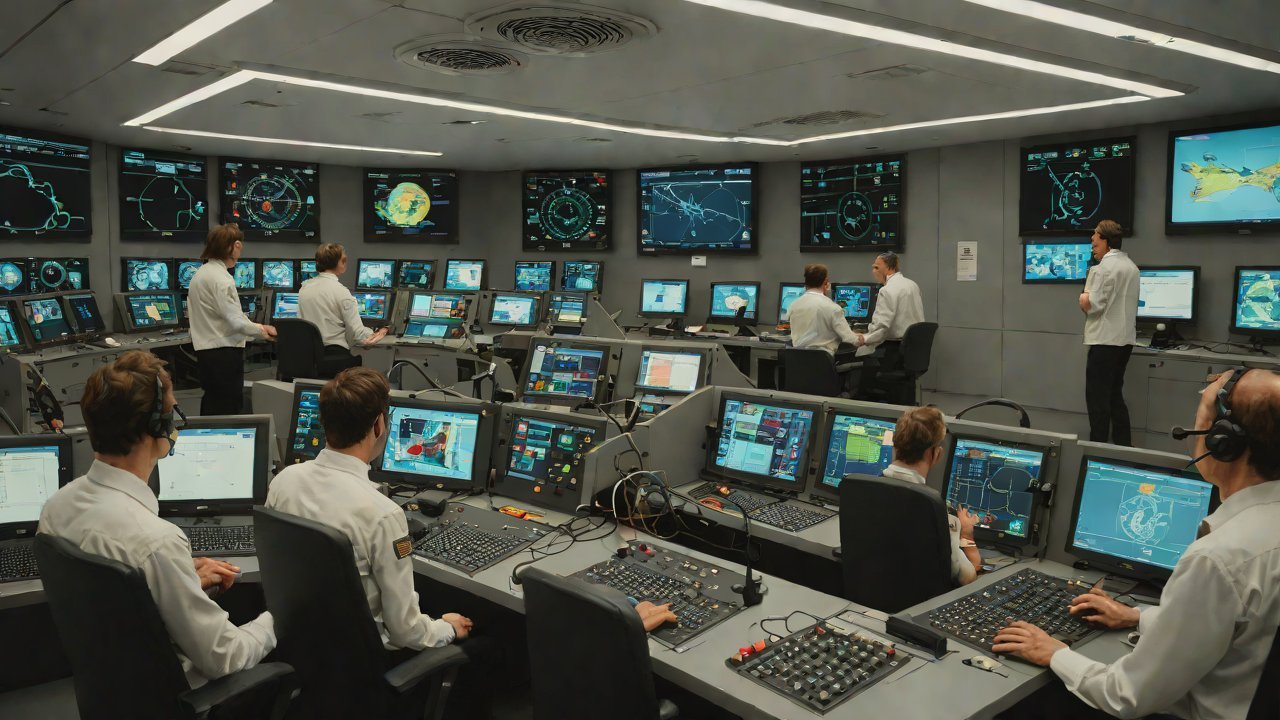
Can real-time rendered operational twin scenes provide remote operators with a first-person perspective?
As the world becomes increasingly interconnected, the need for remote operators to make informed decisions in real-time has never been more pressing. The concept of operational twins – digital replicas of physical systems that mirror their behavior in real-time – has emerged as a promising solution. By leveraging real-time rendered operational twin scenes, remote operators can gain a first-person perspective on the systems they’re managing, enabling them to respond quickly and effectively to changing circumstances.
1. Background and Context
Operational twins are digital replicas of physical systems that are designed to mirror their behavior in real-time. They can be used to monitor and control a wide range of systems, from industrial machinery to medical devices. The use of operational twins has several benefits, including improved efficiency, increased safety, and enhanced decision-making capabilities.
One of the key challenges facing remote operators is the lack of a first-person perspective on the systems they’re managing. Traditional remote monitoring solutions often rely on static images or limited video feeds, which can make it difficult for operators to fully understand the system’s behavior. This can lead to delays in response times and reduced decision-making accuracy.
2. Real-time Rendered Operational Twin Scenes
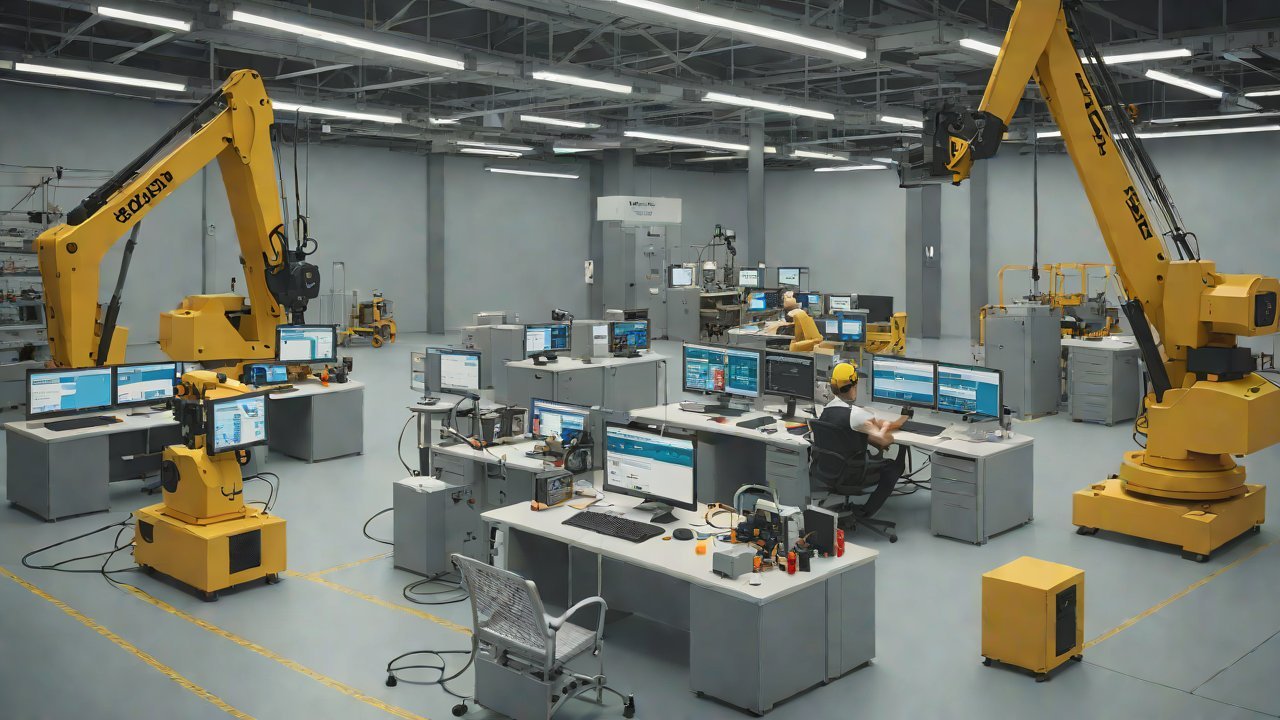
Real-time rendered operational twin scenes are digital replicas of physical systems that are rendered in real-time. This allows remote operators to see the system’s behavior in real-time, enabling them to respond quickly and effectively to changing circumstances.
There are several key technologies that enable real-time rendered operational twin scenes, including:
- Computer-Aided Design (CAD) software: CAD software is used to create digital models of the physical system. This allows for the creation of a digital twin that can be rendered in real-time.
- Simulation software: Simulation software is used to simulate the behavior of the physical system. This allows for the creation of a digital twin that can be rendered in real-time.
- Graphics Processing Units (GPUs): GPUs are used to render the digital twin in real-time. This allows for fast and accurate rendering of the digital twin.
3. Technical Perspectives
From a technical perspective, real-time rendered operational twin scenes are made possible by the use of advanced rendering techniques, such as:
- Physically-Based Rendering (PBR): PBR is a rendering technique that simulates the way light interacts with real-world materials. This allows for the creation of highly realistic digital twins.
- Real-Time Rendering (RTR): RTR is a rendering technique that allows for the rendering of digital twins in real-time. This allows for fast and accurate rendering of the digital twin.
- Cloud Rendering: Cloud rendering is a technique that allows for the rendering of digital twins in the cloud. This allows for fast and accurate rendering of the digital twin, and also allows for easy scalability and flexibility.
4. Market Data and Trends
The market for real-time rendered operational twin scenes is growing rapidly, driven by the increasing demand for remote monitoring and control solutions. According to a recent market study, the global market for operational twins is expected to reach $10.4 billion by 2025, growing at a CAGR of 34.6%.
5. AIGC and Real-Time Rendered Operational Twin Scenes
Artificial Intelligence and General Computing (AIGC) is playing an increasingly important role in the development of real-time rendered operational twin scenes. AIGC is being used to create more accurate and realistic digital twins, and also to improve the rendering speed and accuracy of digital twins.
6. Conclusion
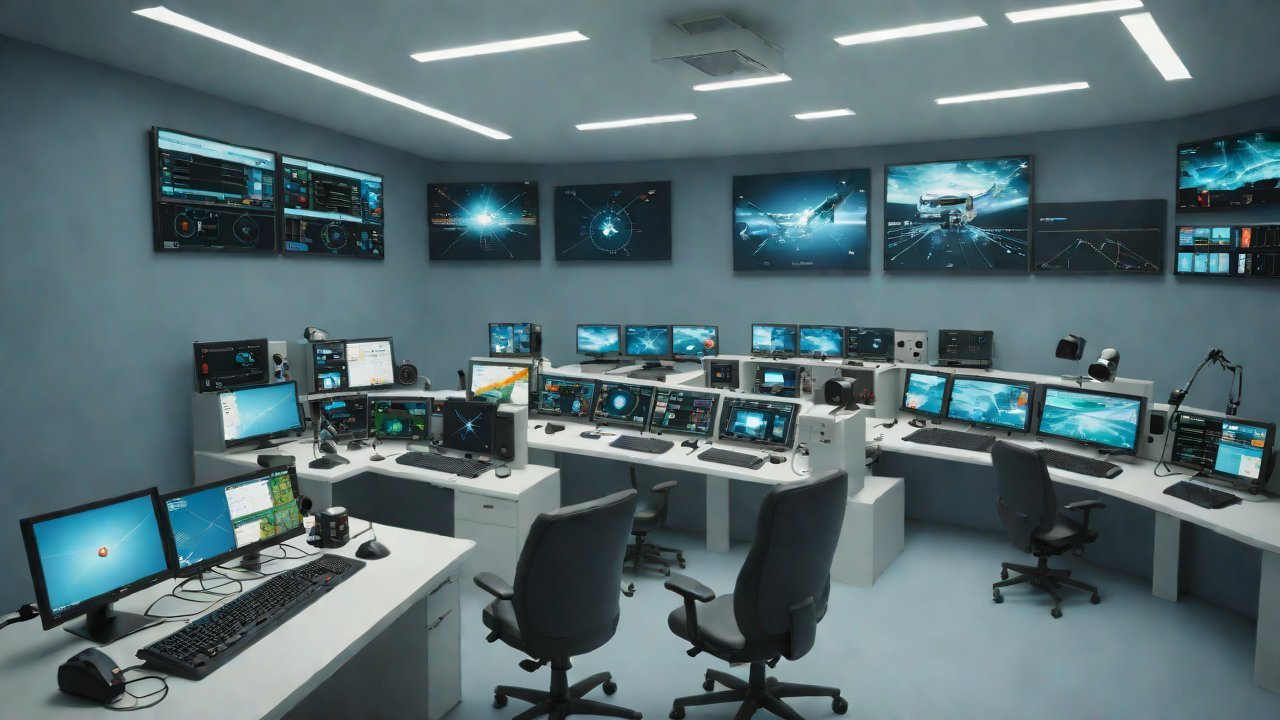
In conclusion, real-time rendered operational twin scenes have the potential to provide remote operators with a first-person perspective on the systems they’re managing. This can enable them to respond quickly and effectively to changing circumstances, and also improve decision-making accuracy. The use of advanced rendering techniques, such as PBR and RTR, and also the use of AIGC, are making it possible to create highly realistic and accurate digital twins.
6.1. Future Research Directions
There are several future research directions that could be explored to further develop the concept of real-time rendered operational twin scenes. These include:
- Improving rendering speed and accuracy: Further research could be done to improve the rendering speed and accuracy of digital twins.
- Developing more accurate and realistic digital twins: AIGC could be used to create more accurate and realistic digital twins.
- Exploring new use cases: The concept of real-time rendered operational twin scenes could be explored in new use cases, such as in the healthcare industry.
6.2. Limitations and Challenges
There are several limitations and challenges associated with the concept of real-time rendered operational twin scenes. These include:
- Data quality and availability: The quality and availability of data are critical to the creation of accurate and realistic digital twins.
- Rendering speed and accuracy: The rendering speed and accuracy of digital twins are critical to the effectiveness of real-time rendered operational twin scenes.
- Scalability and flexibility: The scalability and flexibility of real-time rendered operational twin scenes are critical to their adoption in a wide range of industries.
6.3. Recommendations
Based on the findings of this report, the following recommendations are made:
- Invest in AIGC research and development: AIGC is playing an increasingly important role in the development of real-time rendered operational twin scenes. Further research and development in this area could lead to the creation of more accurate and realistic digital twins.
- Invest in rendering speed and accuracy research: Further research could be done to improve the rendering speed and accuracy of digital twins.
- Explore new use cases: The concept of real-time rendered operational twin scenes could be explored in new use cases, such as in the healthcare industry.
6.4. Conclusion
In conclusion, real-time rendered operational twin scenes have the potential to provide remote operators with a first-person perspective on the systems they’re managing. This can enable them to respond quickly and effectively to changing circumstances, and also improve decision-making accuracy. The use of advanced rendering techniques, such as PBR and RTR, and also the use of AIGC, are making it possible to create highly realistic and accurate digital twins.
IOT Cloud Platform
IOT Cloud Platform is an IoT portal established by a Chinese IoT company, focusing on technical solutions in the fields of agricultural IoT, industrial IoT, medical IoT, security IoT, military IoT, meteorological IoT, consumer IoT, automotive IoT, commercial IoT, infrastructure IoT, smart warehousing and logistics, smart home, smart city, smart healthcare, smart lighting, etc.
The IoT Cloud Platform blog is a top IoT technology stack, providing technical knowledge on IoT, robotics, artificial intelligence (generative artificial intelligence AIGC), edge computing, AR/VR, cloud computing, quantum computing, blockchain, smart surveillance cameras, drones, RFID tags, gateways, GPS, 3D printing, 4D printing, autonomous driving, etc.