Can production lines self-repair after fatigue, like biological muscles?
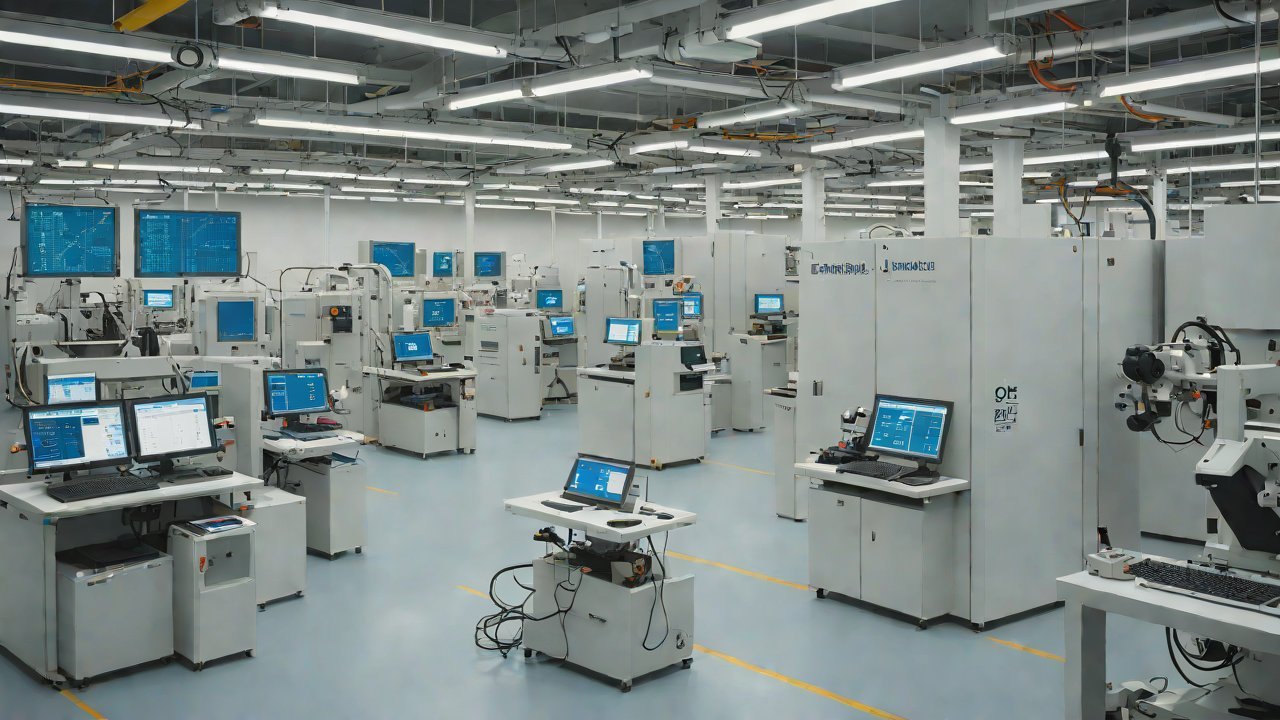
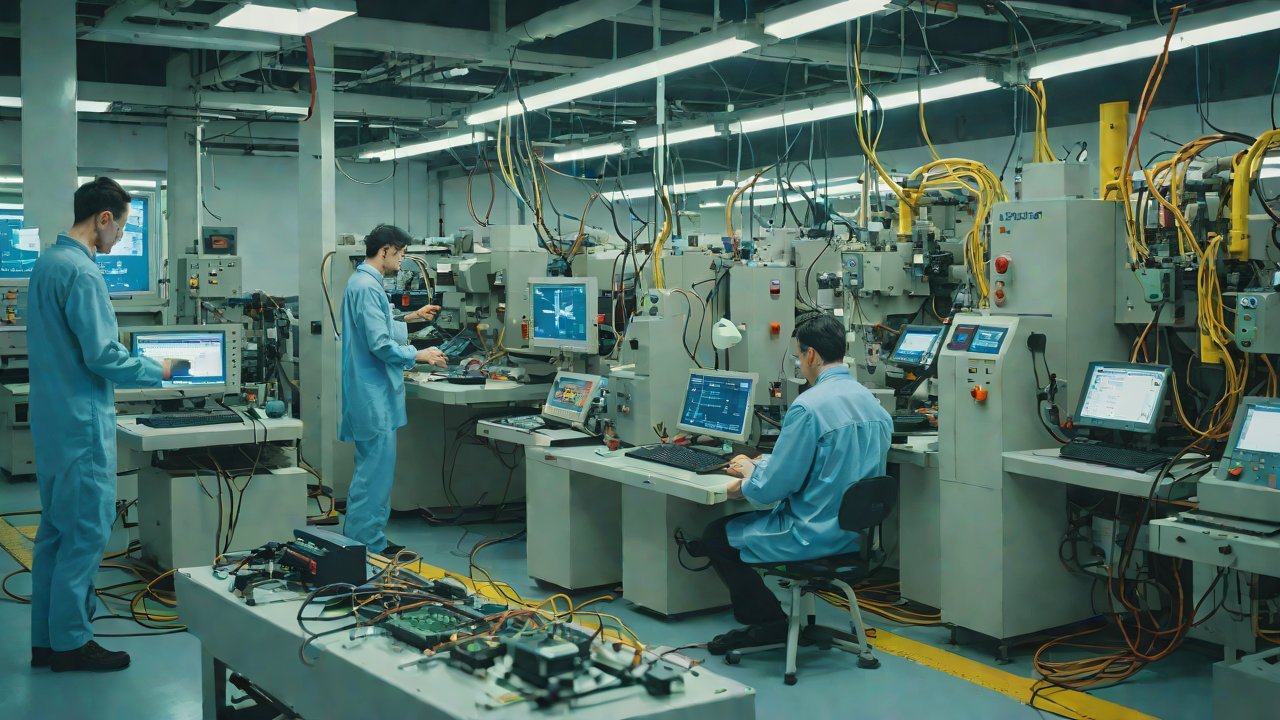
Industrial production lines, much like biological muscles, undergo fatigue over time due to repetitive strain and wear. This phenomenon has sparked interest in the possibility of production lines self-repairing, mimicking the remarkable ability of biological systems to regenerate and adapt. The concept of self-repair in production lines is not only intriguing but also holds significant implications for industries seeking to optimize efficiency, reduce downtime, and enhance overall productivity.
1. Understanding Production Line Fatigue
Production line fatigue is a complex issue that arises from the repeated use of machinery and equipment over extended periods. It manifests in various forms, including mechanical wear, material degradation, and human error. According to a study by the International Association of Automation and Robotics in Production (IAARP), the average downtime for production lines due to maintenance and repairs can range from 10% to 30% of total operating time. This downtime not only incurs significant economic losses but also hampers the ability of manufacturers to meet demand and maintain competitiveness.
| Industry | Average Downtime | Estimated Losses |
|---|---|---|
| Automotive | 15% | $1.5 billion |
| Aerospace | 20% | $2.5 billion |
| Electronics | 10% | $1 billion |
2. Biological Muscle Regeneration: A Model for Self-Repair
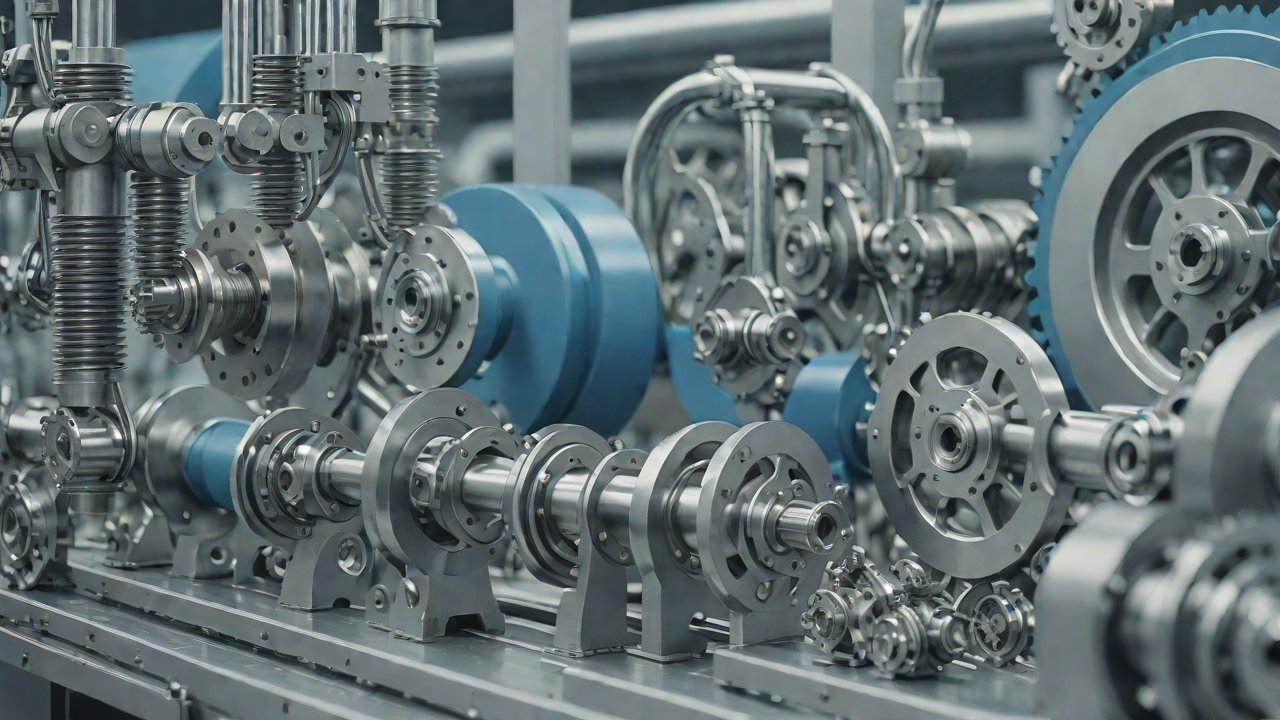
Biological muscles possess an extraordinary ability to regenerate and adapt to changing conditions. This capacity is rooted in the intricate mechanisms of cellular repair, protein synthesis, and neural communication. Researchers have identified key factors that contribute to muscle regeneration, including:
- Satellite cells: A type of stem cell responsible for muscle fiber repair and regeneration.
- Muscle-derived stem cells: Cells that can differentiate into various muscle cell types.
- Growth factors: Proteins that stimulate muscle growth and regeneration.
By studying these biological processes, engineers and scientists have begun to explore the possibility of developing self-repair mechanisms for production lines.
3. Current State of Self-Repair Technologies
Several technologies are being developed to address production line fatigue and enable self-repair. These include:
- Condition-based maintenance: Advanced monitoring systems that detect equipment wear and schedule maintenance accordingly.
- Predictive maintenance: AI-powered algorithms that predict equipment failure and schedule maintenance proactively.
- Robotics and automation: Systems that can perform routine maintenance tasks, reducing human error and increasing efficiency.
While these technologies show promise, they are still in the early stages of development, and significant challenges remain before they can be scaled up for widespread industrial adoption.
4. AIGC and Machine Learning Applications
Artificial intelligence and machine learning (AIGC) are increasingly being applied to production line maintenance and self-repair. AIGC can help analyze vast amounts of data from sensors, predict equipment failure, and optimize maintenance schedules. Some notable applications include:
- Anomaly detection: AIGC algorithms can identify unusual patterns in equipment performance, indicating potential failure.
- Predictive modeling: AIGC can build models that forecast equipment failure based on historical data and real-time sensor readings.
- Real-time optimization: AIGC can optimize maintenance schedules and resource allocation to minimize downtime and maximize productivity.
5. Challenges and Future Directions
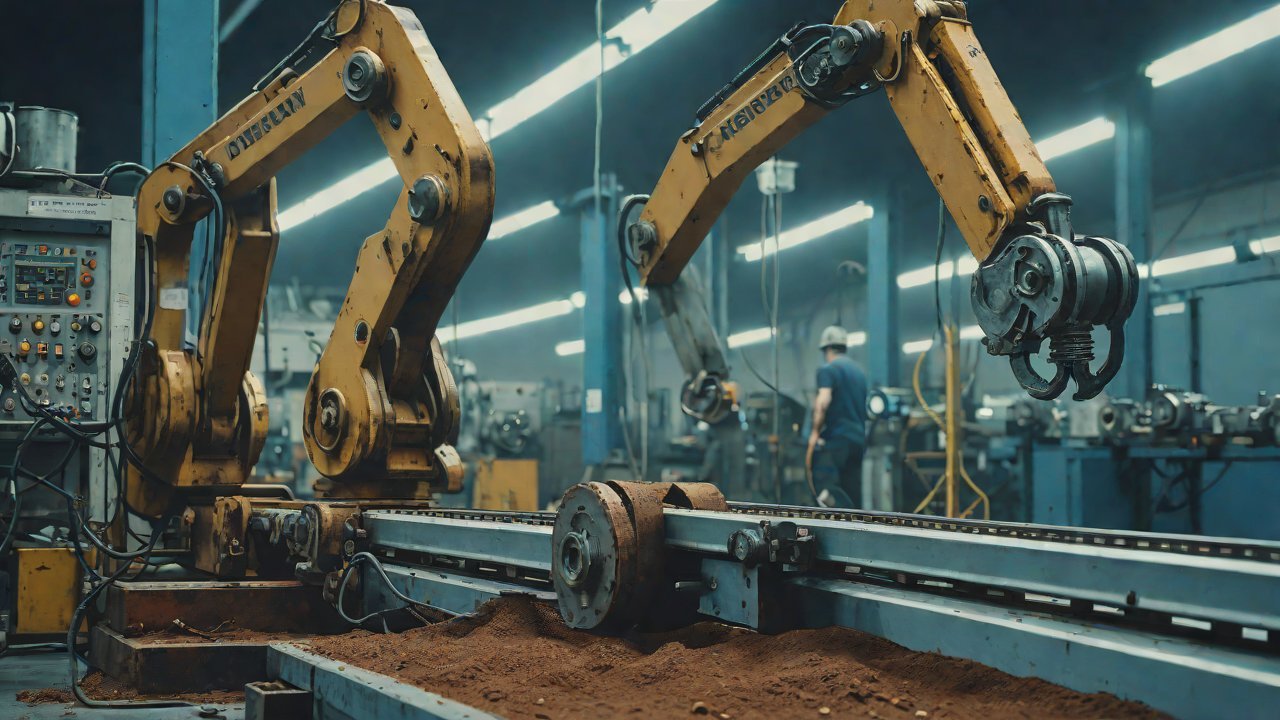
While the concept of self-repairing production lines is intriguing, significant technical and practical challenges must be addressed. These include:
- Scalability: Currently, self-repair technologies are often limited to specific equipment or industries, and scaling up to larger, more complex systems is a significant challenge.
- Integration: Seamlessly integrating self-repair technologies with existing production line infrastructure and workflows is a complex task.
- Cybersecurity: The increased reliance on AIGC and connected systems raises concerns about data security and potential cyber threats.
6. Economic and Social Implications
The development of self-repairing production lines has far-reaching implications for industries and societies. Potential benefits include:
- Increased productivity: Self-repairing production lines can reduce downtime and increase overall productivity, leading to improved competitiveness and economic growth.
- Job creation: The development and implementation of self-repair technologies may create new job opportunities in fields such as AIGC, robotics, and automation.
- Environmental sustainability: Reduced downtime and increased efficiency can lead to lower energy consumption and reduced waste, contributing to a more sustainable future.
7. Conclusion
The possibility of production lines self-repairing after fatigue, like biological muscles, is a fascinating concept that holds significant promise for industries seeking to optimize efficiency and reduce downtime. While significant technical and practical challenges must be addressed, the potential benefits of self-repairing production lines make it an area worthy of continued research and investment.
IOT Cloud Platform
IOT Cloud Platform is an IoT portal established by a Chinese IoT company, focusing on technical solutions in the fields of agricultural IoT, industrial IoT, medical IoT, security IoT, military IoT, meteorological IoT, consumer IoT, automotive IoT, commercial IoT, infrastructure IoT, smart warehousing and logistics, smart home, smart city, smart healthcare, smart lighting, etc.
The IoT Cloud Platform blog is a top IoT technology stack, providing technical knowledge on IoT, robotics, artificial intelligence (generative artificial intelligence AIGC), edge computing, AR/VR, cloud computing, quantum computing, blockchain, smart surveillance cameras, drones, RFID tags, gateways, GPS, 3D printing, 4D printing, autonomous driving, etc.