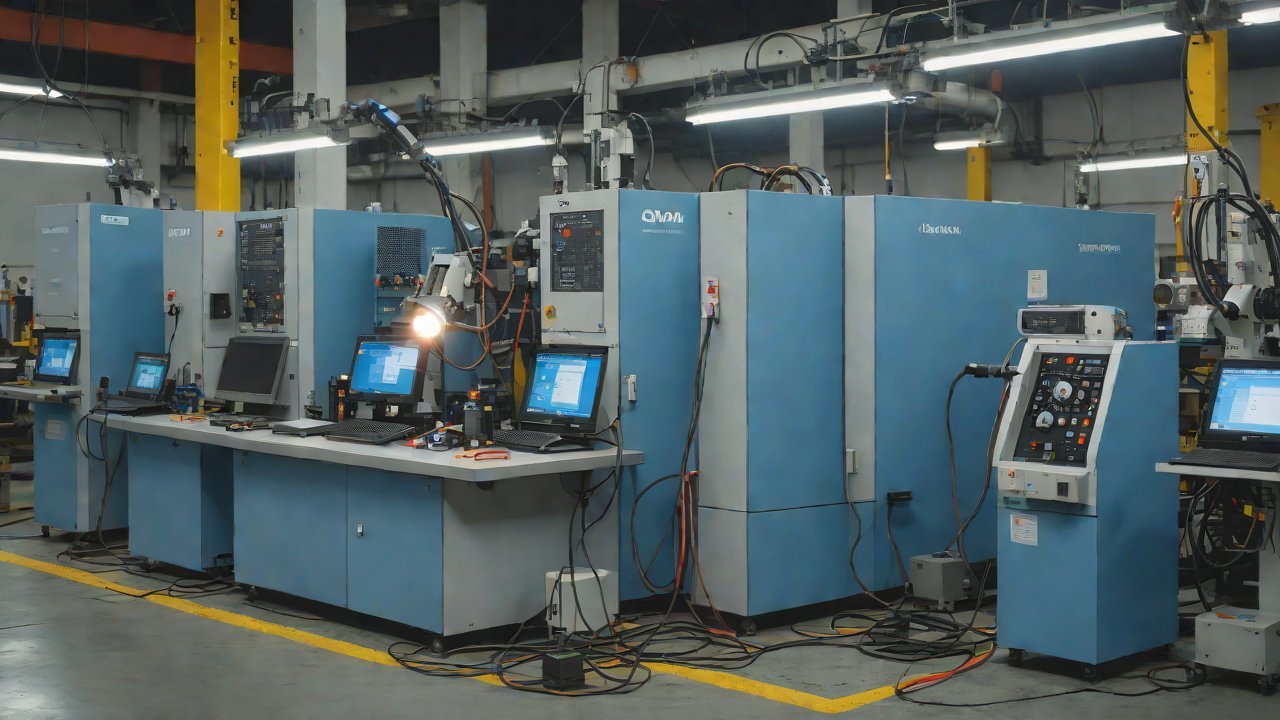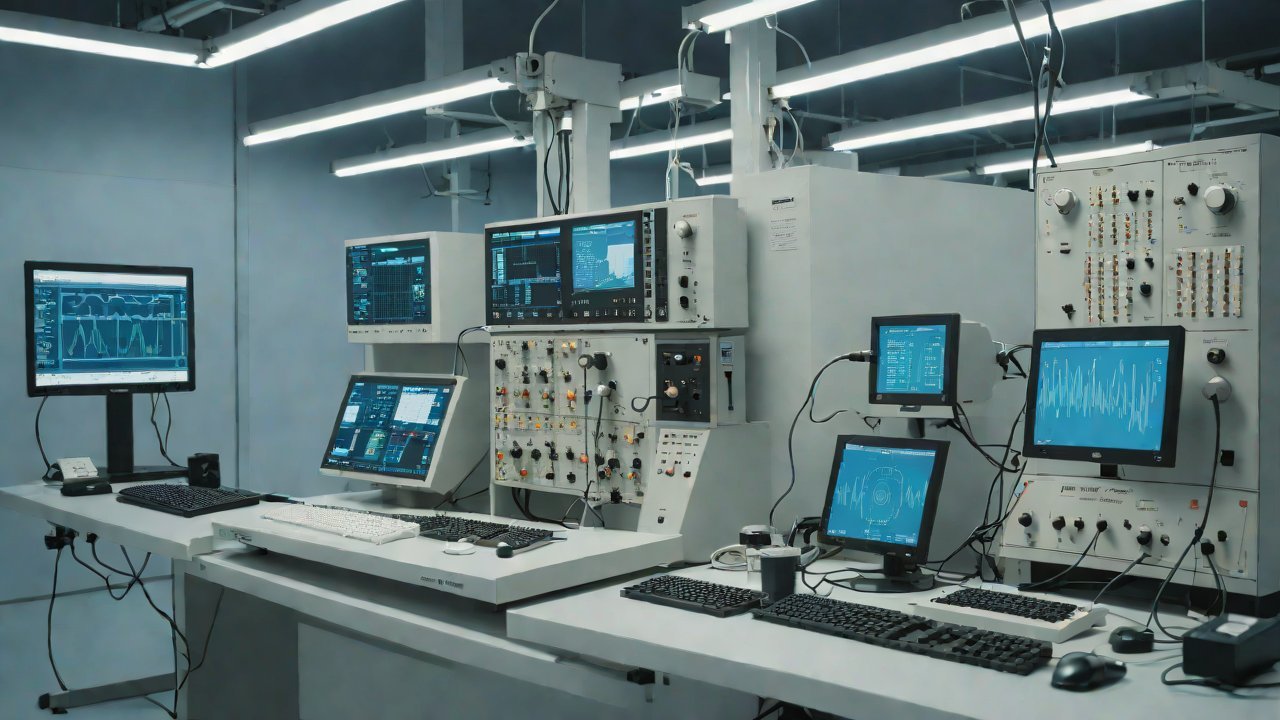
Can parts submit real-time complaints via acoustic emission signals during processing?
The use of acoustic emission (AE) signals in manufacturing processes has been a growing area of interest in recent years. The ability to detect and analyze AE signals in real-time has the potential to provide valuable insights into the mechanical behavior of materials and structures. This report will explore the possibility of parts submitting real-time complaints via AE signals during processing, with a focus on the technical and practical aspects of this concept.
1. Background on Acoustic Emission
Acoustic Emission (AE) is a phenomenon where materials or structures emit high-frequency stress waves, known as AE signals, in response to mechanical loading. These signals can provide information about the material’s internal state, including defects, cracks, and other damage mechanisms. AE has been widely used in various fields, including non-destructive testing (NDT), material science, and structural health monitoring (SHM).
Table 1: Applications of Acoustic Emission
| Application | Description |
|---|---|
| Non-Destructive Testing (NDT) | Detection of defects and cracks in materials and structures |
| Material Science | Study of material properties and behavior under various loads |
| Structural Health Monitoring (SHM) | Real-time monitoring of structural health and integrity |
| Quality Control | Monitoring of manufacturing processes and product quality |
2. AE Signal Characteristics
AE signals are typically characterized by their frequency, amplitude, and duration. The frequency range of AE signals is usually between 50 kHz to 1 MHz, with amplitudes ranging from a few microvolts to several volts. The duration of AE signals can vary from a few microseconds to several milliseconds.
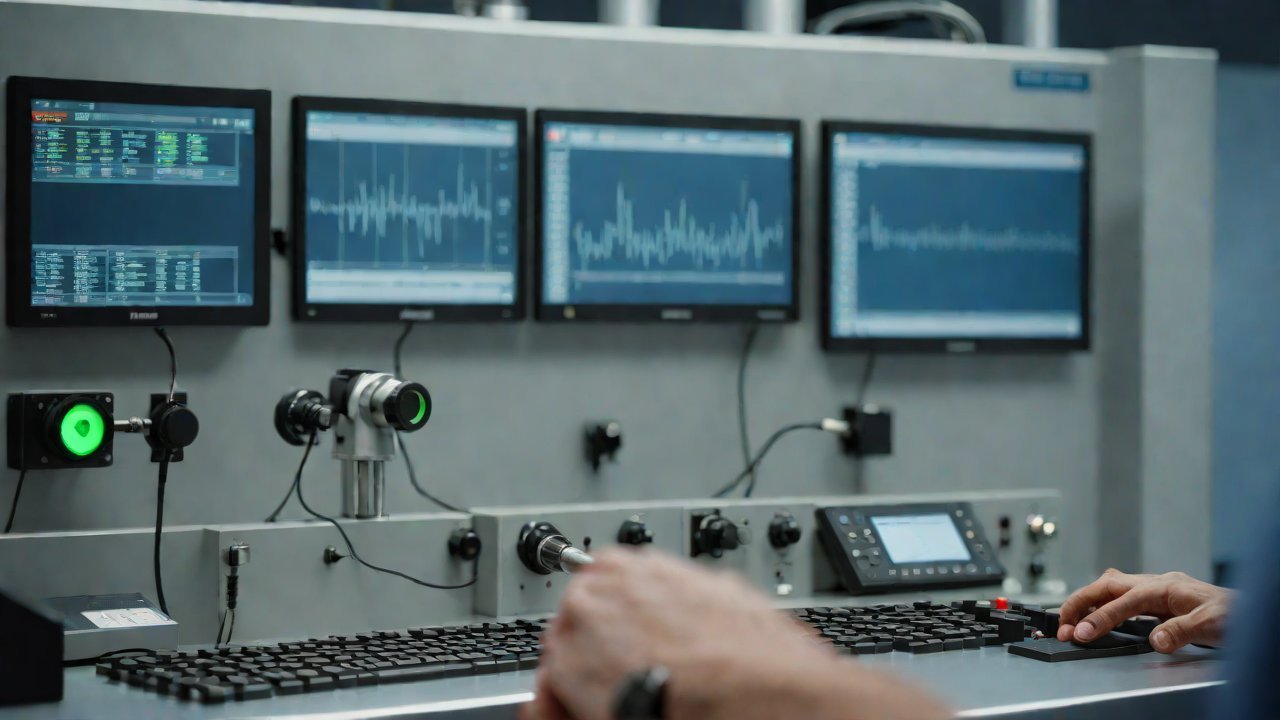
Table 2: Typical AE Signal Characteristics
| Parameter | Typical Value |
|---|---|
| Frequency | 50 kHz to 1 MHz |
| Amplitude | 1 μV to 10 V |
| Duration | 1 μs to 1 ms |
3. AE Signal Interpretation
AE signal interpretation involves analyzing the characteristics of the signals to extract information about the material or structure. This can be done using various techniques, including:
- Time-Frequency Analysis (TFA)
- Wavelet Analysis
- Spectral Analysis
These techniques allow for the identification of specific features in the AE signals, such as frequency, amplitude, and duration, which can be correlated with material properties and behavior.
4. AE Signal Generation during Processing
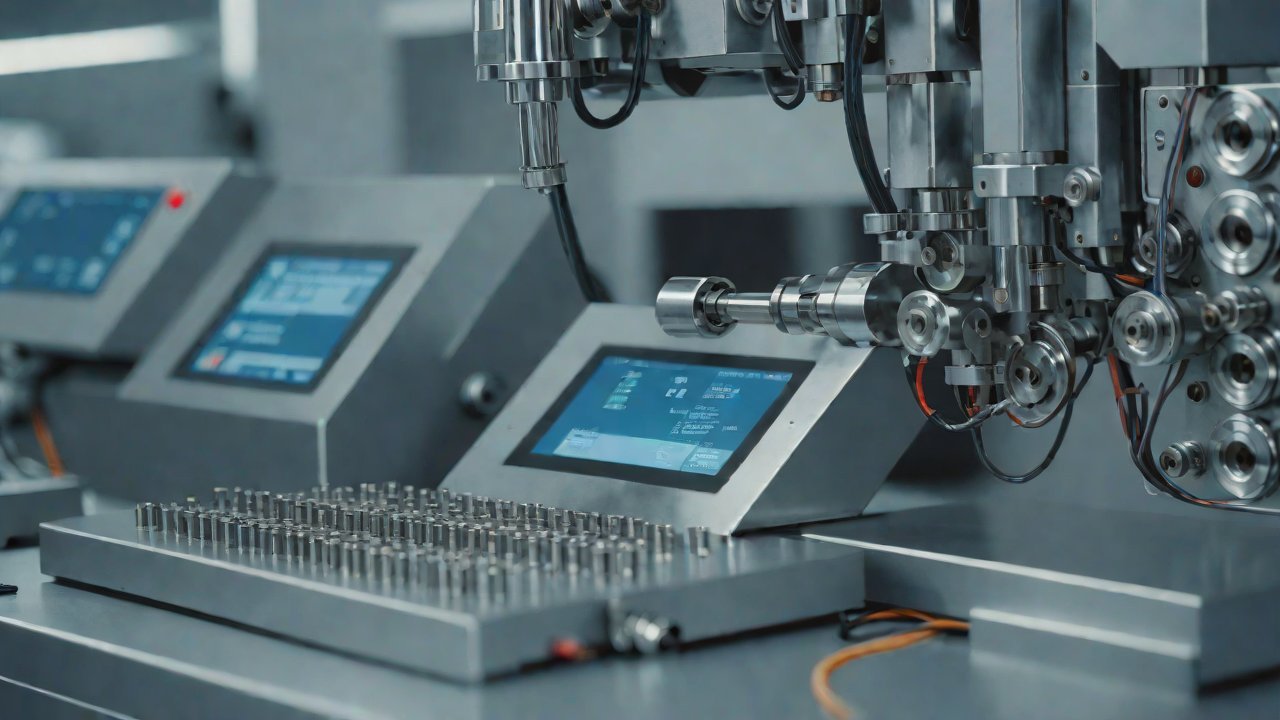
AE signals can be generated during processing due to various mechanisms, including:
- Material deformation
- Friction
- Impact
- Thermal gradients
The generation of AE signals during processing can be influenced by various factors, including:
- Material properties
- Processing conditions (temperature, pressure, etc.)
- Tooling and equipment design
5. Real-Time Complaints via AE Signals
The concept of parts submitting real-time complaints via AE signals during processing is based on the idea that AE signals can be used to detect and analyze material behavior in real-time. This can be achieved by installing AE sensors on the processing equipment or on the part itself, allowing for the detection of AE signals generated during processing.
Table 3: Potential Benefits of Real-Time Complaints via AE Signals
| Benefit | Description |
|---|---|
| Improved product quality | Detection of defects and flaws during processing |
| Reduced waste | Early detection of material defects and flaws |
| Increased efficiency | Real-time monitoring of processing conditions |
| Enhanced safety | Detection of potential hazards and risks |
6. Technical Considerations
The implementation of real-time complaints via AE signals during processing requires careful consideration of several technical factors, including:
- Sensor placement and design
- Signal processing and analysis
- Data transmission and communication
- Integration with existing processing equipment and control systems
7. Case Studies and Applications
Several case studies and applications have demonstrated the potential of AE signals in detecting and analyzing material behavior during processing. These include:
- Detection of defects in metal alloys during machining
- Monitoring of material properties during 3D printing
- Real-time analysis of material behavior during forging
8. Future Directions and Recommendations
The concept of parts submitting real-time complaints via AE signals during processing has significant potential for improving product quality, reducing waste, and increasing efficiency. Future research and development should focus on:
- Improving AE signal interpretation and analysis techniques
- Developing more advanced AE sensors and signal processing systems
- Integrating AE technology with existing processing equipment and control systems
By addressing these technical and practical challenges, it may be possible to realize the potential of AE signals in detecting and analyzing material behavior during processing, enabling the development of more efficient, effective, and sustainable manufacturing processes.
9. Conclusion
The use of AE signals in detecting and analyzing material behavior during processing has significant potential for improving product quality, reducing waste, and increasing efficiency. By understanding the technical and practical aspects of AE signal generation and interpretation, it may be possible to develop more advanced AE sensors and signal processing systems, enabling the realization of real-time complaints via AE signals during processing. This report has provided an overview of the technical and practical considerations involved in this concept, highlighting the potential benefits and future directions for research and development.
IOT Cloud Platform
IOT Cloud Platform is an IoT portal established by a Chinese IoT company, focusing on technical solutions in the fields of agricultural IoT, industrial IoT, medical IoT, security IoT, military IoT, meteorological IoT, consumer IoT, automotive IoT, commercial IoT, infrastructure IoT, smart warehousing and logistics, smart home, smart city, smart healthcare, smart lighting, etc.
The IoT Cloud Platform blog is a top IoT technology stack, providing technical knowledge on IoT, robotics, artificial intelligence (generative artificial intelligence AIGC), edge computing, AR/VR, cloud computing, quantum computing, blockchain, smart surveillance cameras, drones, RFID tags, gateways, GPS, 3D printing, 4D printing, autonomous driving, etc.