Can mycelium encapsulation technology solve the problem of electronic waste polluting farmland?
Electronic waste, also known as e-waste, has become a significant environmental concern worldwide. The rapid growth in consumer electronics has led to an exponential increase in e-waste generation, which is estimated to reach 74 million metric tons by 2030. One of the pressing issues related to e-waste is its disposal on farmland, contaminating soil and posing risks to human health.
The mycelium encapsulation technology, a biodegradable and sustainable solution, has gained attention in recent years for its potential to mitigate this issue. Mycelium, the vegetative part of a mushroom, can be used to create bioplastics that are compostable and non-toxic. When combined with e-waste, mycelium can encapsulate hazardous materials, reducing their leachability and toxicity.
1. Electronic Waste Generation and Disposal
Electronic waste is generated from various sources, including discarded electronics, batteries, and other electronic devices. The global e-waste generation has been increasing steadily over the years, with a growth rate of 8% per annum. According to the Global E-Waste Monitor 2020 report, the world generates approximately 50 million metric tons of e-waste annually.
| Country | E-Waste Generation (2020) |
|---|---|
| China | 10.4 million metric tons |
| United States | 6.2 million metric tons |
| Japan | 1.3 million metric tons |
| Germany | 0.8 million metric tons |
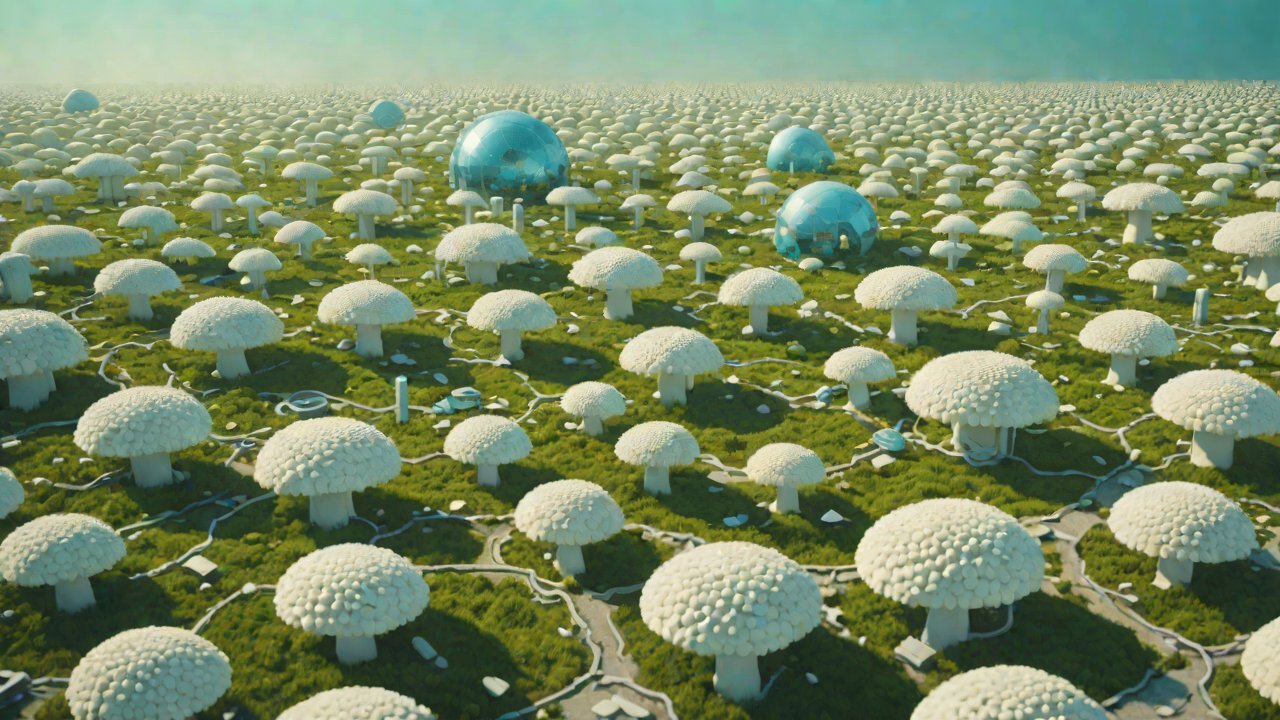
The disposal of e-waste is a significant concern, as it often ends up in landfills or is incinerated, releasing toxic chemicals into the environment. In many countries, e-waste is also dumped on farmland, contaminating soil and posing risks to human health.
2. E-Waste Pollution on Farmland
E-waste pollution on farmland has severe consequences for both human health and the environment. Heavy metals such as lead, mercury, and cadmium can leach into the soil, contaminating crops and water sources. Exposure to these toxic substances can cause a range of health problems, including cancer, neurological damage, and reproductive issues.
| Pollutant | Effects on Human Health |
|---|---|
| Lead | Neurological damage, anemia, kidney damage |
| Mercury | Neurological damage, kidney damage, birth defects |
| Cadmium | Kidney damage, bone damage, cancer |

3. Mycelium Encapsulation Technology
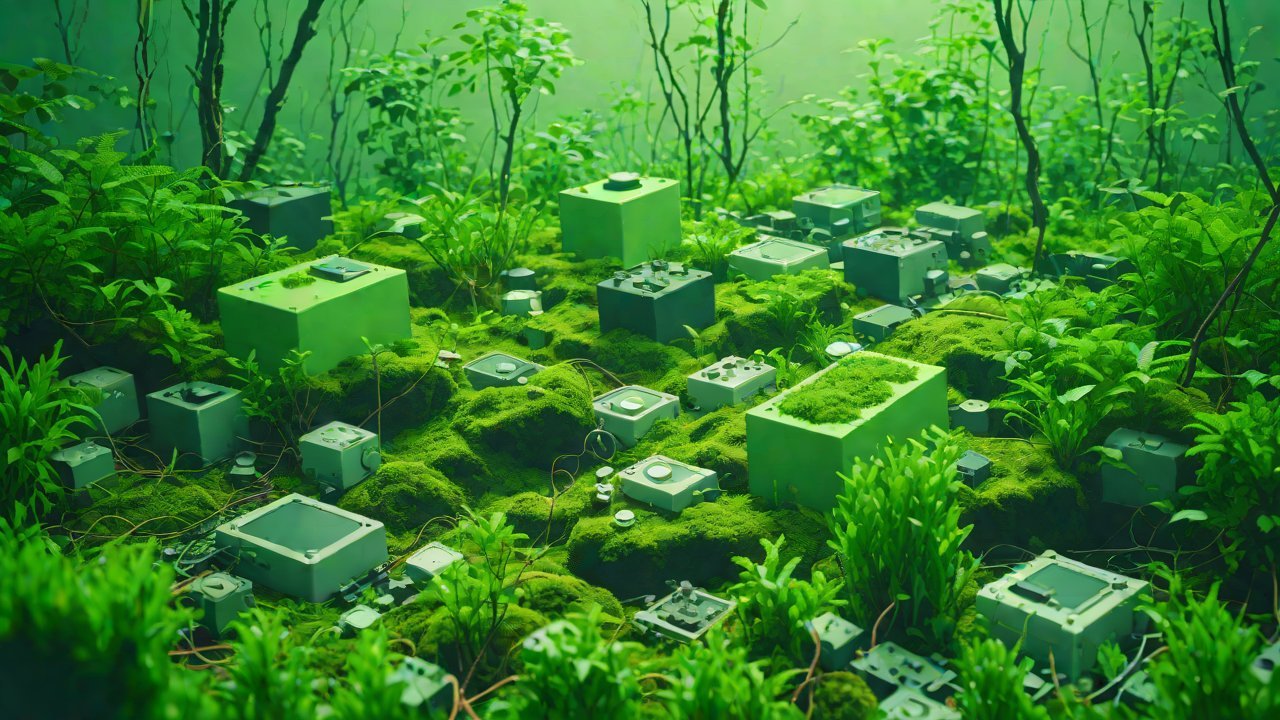
Mycelium encapsulation technology uses mycelium to create biodegradable and non-toxic materials that can be used to encapsulate hazardous e-waste components. The process involves growing mycelium in a controlled environment, then mixing it with e-waste particles to form a composite material.
| Mycelium Species | Characteristics |
|---|---|
| Oyster mushroom (Pleurotus ostreatus) | High growth rate, non-toxic, biodegradable |
| Button mushroom (Agaricus bisporus) | Low toxicity, high mycelial density |
4. Advantages of Mycelium Encapsulation Technology
The use of mycelium encapsulation technology offers several advantages over traditional e-waste disposal methods.
- Biodegradability: Mycelium-based materials are biodegradable and non-toxic, reducing the risk of environmental contamination.
- Non-leachability: The encapsulated e-waste components are less likely to leach into the soil, minimizing the risk of water pollution.
- Reduced toxicity: Mycelium can break down toxic substances, reducing their concentration in the environment.
5. Challenges and Limitations
While mycelium encapsulation technology shows promise as a sustainable solution for e-waste disposal, several challenges and limitations need to be addressed.
- Scalability: The process is currently not scalable, making it difficult to implement on a large scale.
- Cost: The cost of using mycelium encapsulation technology is higher than traditional methods, making it less competitive in the market.
- Regulations: The regulatory framework for e-waste disposal needs to be updated to accommodate new technologies like mycelium encapsulation.
6. Future Directions
Further research and development are needed to overcome the challenges and limitations of mycelium encapsulation technology.
- Improving scalability: Developing more efficient and cost-effective methods for large-scale production.
- Reducing costs: Exploring alternative sources of funding or government incentives to support the adoption of this technology.
- Regulatory updates: Advocating for policy changes that encourage the use of sustainable e-waste disposal methods.
The mycelium encapsulation technology holds promise as a biodegradable and non-toxic solution for e-waste disposal. While challenges and limitations exist, further research and development can help overcome these obstacles and make this technology more viable for large-scale implementation. As the world grapples with the growing problem of electronic waste, innovative solutions like mycelium encapsulation are essential for creating a more sustainable future.
IOT Cloud Platform
IOT Cloud Platform is an IoT portal established by a Chinese IoT company, focusing on technical solutions in the fields of agricultural IoT, industrial IoT, medical IoT, security IoT, military IoT, meteorological IoT, consumer IoT, automotive IoT, commercial IoT, infrastructure IoT, smart warehousing and logistics, smart home, smart city, smart healthcare, smart lighting, etc.
The IoT Cloud Platform blog is a top IoT technology stack, providing technical knowledge on IoT, robotics, artificial intelligence (generative artificial intelligence AIGC), edge computing, AR/VR, cloud computing, quantum computing, blockchain, smart surveillance cameras, drones, RFID tags, gateways, GPS, 3D printing, 4D printing, autonomous driving, etc.