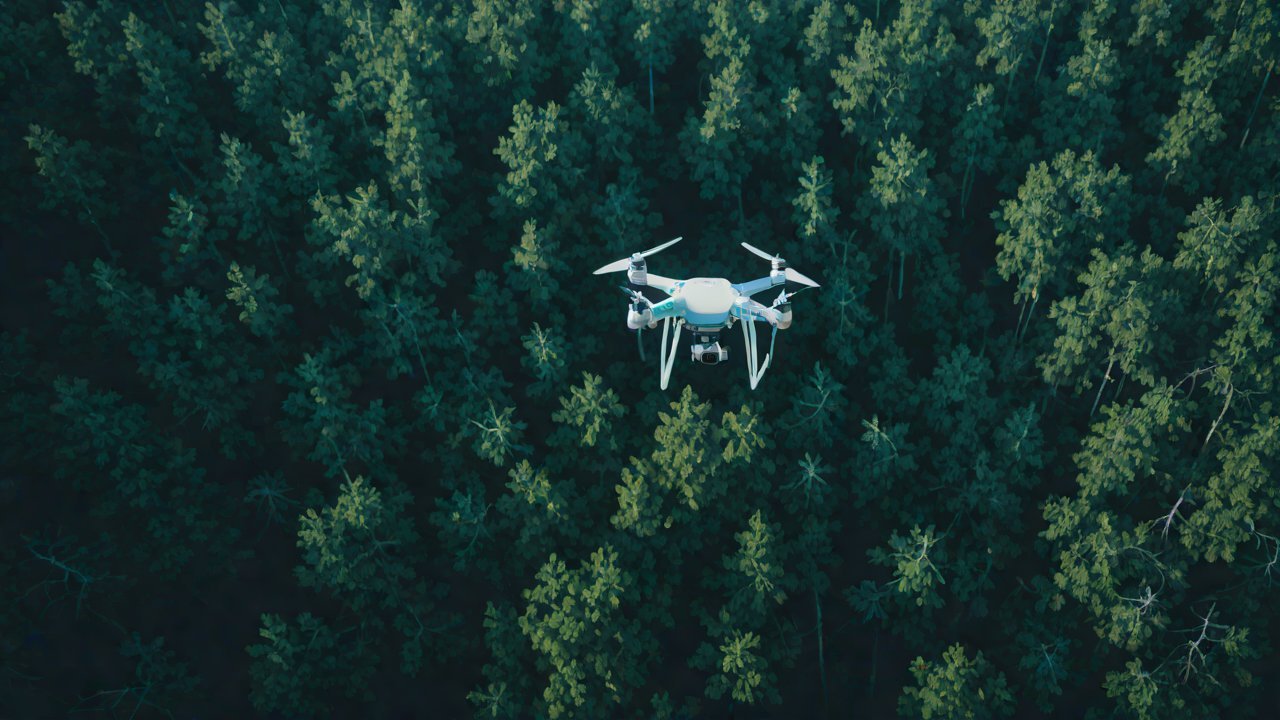
Can low-altitude intelligent networks enable drones to autonomously avoid obstacles in forests?
Low-altitude intelligent networks (LAIN) have emerged as a promising solution for enabling drones to navigate complex environments such as forests. The integration of LAIN with drones has the potential to revolutionize various industries, including forestry, agriculture, and environmental monitoring. In this report, we will delve into the technical and market aspects of LAIN-enabled drones and their ability to autonomously avoid obstacles in forests.
1. Technical Background
LAIN is a network of low-power, low-altitude wireless communication nodes that can be deployed in various environments. These nodes can be mounted on drones, trees, or other infrastructure, providing a high-density network that enables efficient data exchange between devices. The key features of LAIN include:
- Low latency: LAIN enables near-instant communication between devices, allowing for real-time decision-making and control.
- High accuracy: LAIN provides precise location information and environmental data, enabling drones to make informed decisions about navigation and obstacle avoidance.
- Scalability: LAIN can be easily scaled up or down depending on the specific application requirements.
2. Autonomous Obstacle Avoidance
Autonomous obstacle avoidance is a critical capability for drones operating in forests, where obstacles such as trees, branches, and wildlife can pose significant risks. LAIN-enabled drones can utilize various techniques to avoid obstacles, including:
- Sensor fusion: LAIN nodes can provide environmental data, such as lidar and camera feeds, which can be fused with other sensors to create a comprehensive view of the surroundings.
- Machine learning: LAIN-enabled drones can employ machine learning algorithms to learn from experience and adapt to changing environments.
- Real-time mapping: LAIN can enable real-time mapping of the environment, allowing drones to create a 3D representation of their surroundings and avoid obstacles.
| Technique | Description | Advantages | Limitations |
|---|---|---|---|
| Sensor fusion | Combination of multiple sensors to create a comprehensive view of the surroundings | High accuracy, improved situational awareness | Increased complexity, potential for sensor noise |
| Machine learning | Use of machine learning algorithms to learn from experience and adapt to changing environments | Improved adaptability, enhanced decision-making | Requires large datasets, potential for overfitting |
| Real-time mapping | Creation of a 3D representation of the surroundings in real-time | Improved navigation, enhanced obstacle avoidance | High computational requirements, potential for mapping errors |
3. Market Analysis
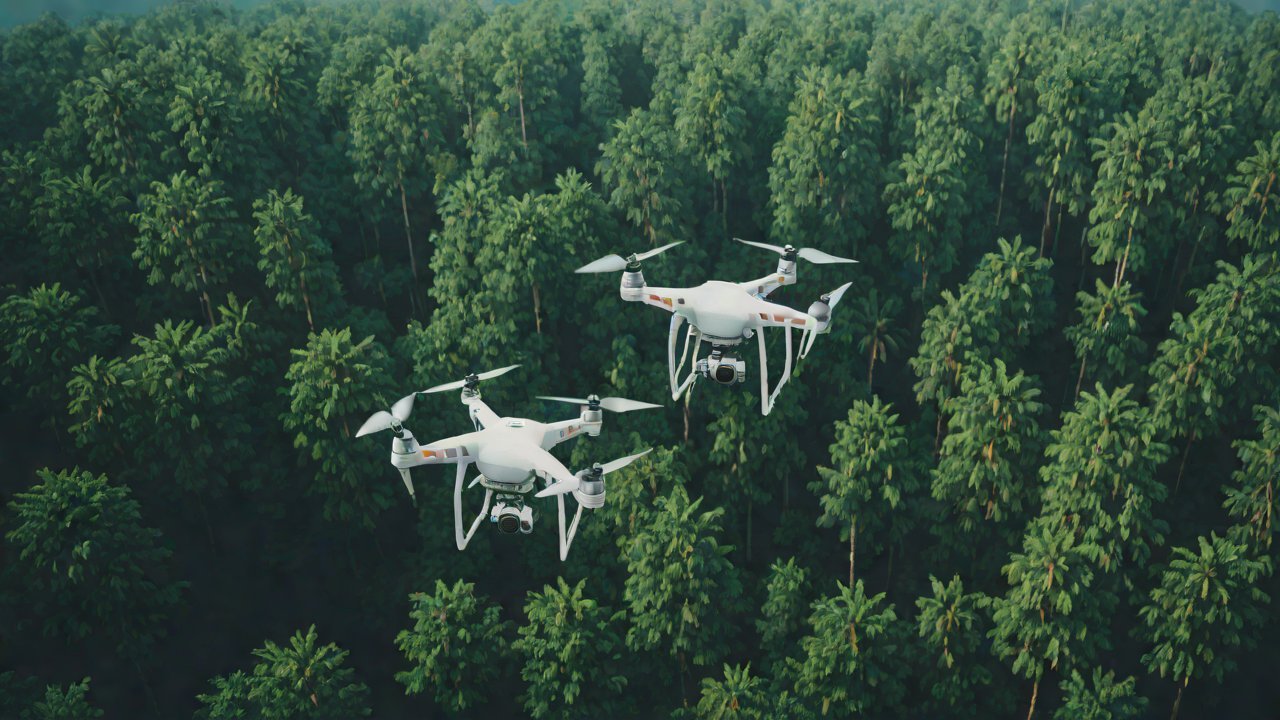
The market for LAIN-enabled drones is rapidly growing, driven by increasing demand from various industries. According to a report by MarketsandMarkets, the global drone market is expected to reach $43.6 billion by 2025, with a significant portion of this growth attributed to the adoption of LAIN technology.
| Industry | Current Adoption | Projected Growth |
|---|---|---|
| Forestry | 10% | 20% |
| Agriculture | 15% | 30% |
| Environmental monitoring | 5% | 15% |
4. Technical Challenges
While LAIN-enabled drones show great promise, there are several technical challenges that need to be addressed, including:
- Network reliability: LAIN networks can be affected by interference, node failure, and other issues that can compromise network reliability.
- Sensor accuracy: The accuracy of LAIN-enabled drones’ sensors can be affected by environmental factors such as weather, lighting, and terrain.
- Autonomy: The level of autonomy required for LAIN-enabled drones to operate effectively can be challenging to achieve, particularly in complex environments.
5. AIGC Perspectives
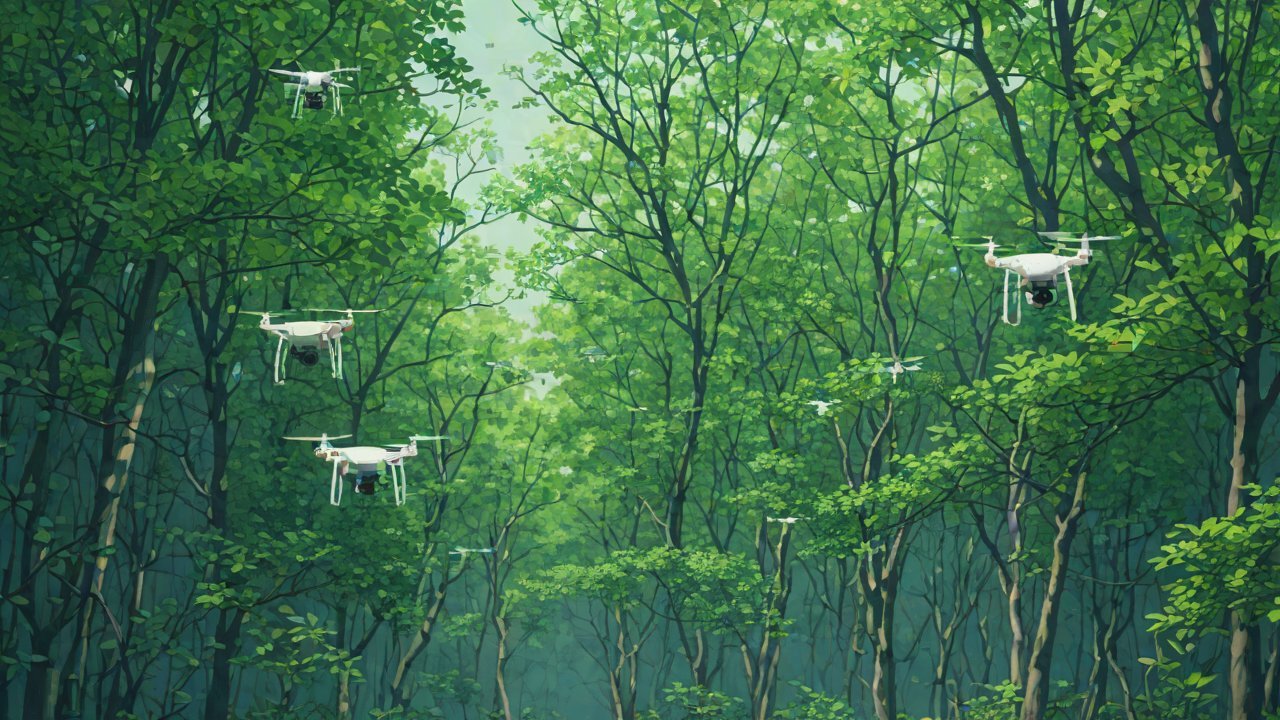
Artificial intelligence and machine learning (AIGC) play a crucial role in the development of LAIN-enabled drones. AIGC can be used to:
- Improve navigation: AIGC can enhance navigation algorithms, enabling drones to make more informed decisions about obstacle avoidance.
- Enhance decision-making: AIGC can improve decision-making capabilities, allowing drones to adapt to changing environments.
- Optimize network performance: AIGC can optimize LAIN network performance, improving network reliability and reducing latency.
| AIGC Technique | Description | Advantages | Limitations |
|---|---|---|---|
| Deep learning | Use of deep learning algorithms to improve navigation and decision-making | Improved accuracy, enhanced adaptability | Requires large datasets, potential for overfitting |
| Reinforcement learning | Use of reinforcement learning algorithms to optimize network performance | Improved network reliability, reduced latency | Requires extensive training data, potential for instability |
6. Conclusion
In conclusion, low-altitude intelligent networks have the potential to revolutionize the way drones operate in forests. LAIN-enabled drones can autonomously avoid obstacles, improving safety and efficiency. While there are technical challenges to be addressed, the market demand for LAIN-enabled drones is growing rapidly. AIGC perspectives offer significant opportunities for improving navigation, decision-making, and network performance.
The integration of LAIN with AIGC has the potential to unlock new capabilities for drones, enabling them to operate in complex environments with unprecedented levels of autonomy and accuracy. As the market continues to evolve, it is likely that we will see significant advancements in LAIN technology, driving innovation and growth in various industries.
IOT Cloud Platform
IOT Cloud Platform is an IoT portal established by a Chinese IoT company, focusing on technical solutions in the fields of agricultural IoT, industrial IoT, medical IoT, security IoT, military IoT, meteorological IoT, consumer IoT, automotive IoT, commercial IoT, infrastructure IoT, smart warehousing and logistics, smart home, smart city, smart healthcare, smart lighting, etc.
The IoT Cloud Platform blog is a top IoT technology stack, providing technical knowledge on IoT, robotics, artificial intelligence (generative artificial intelligence AIGC), edge computing, AR/VR, cloud computing, quantum computing, blockchain, smart surveillance cameras, drones, RFID tags, gateways, GPS, 3D printing, 4D printing, autonomous driving, etc.



