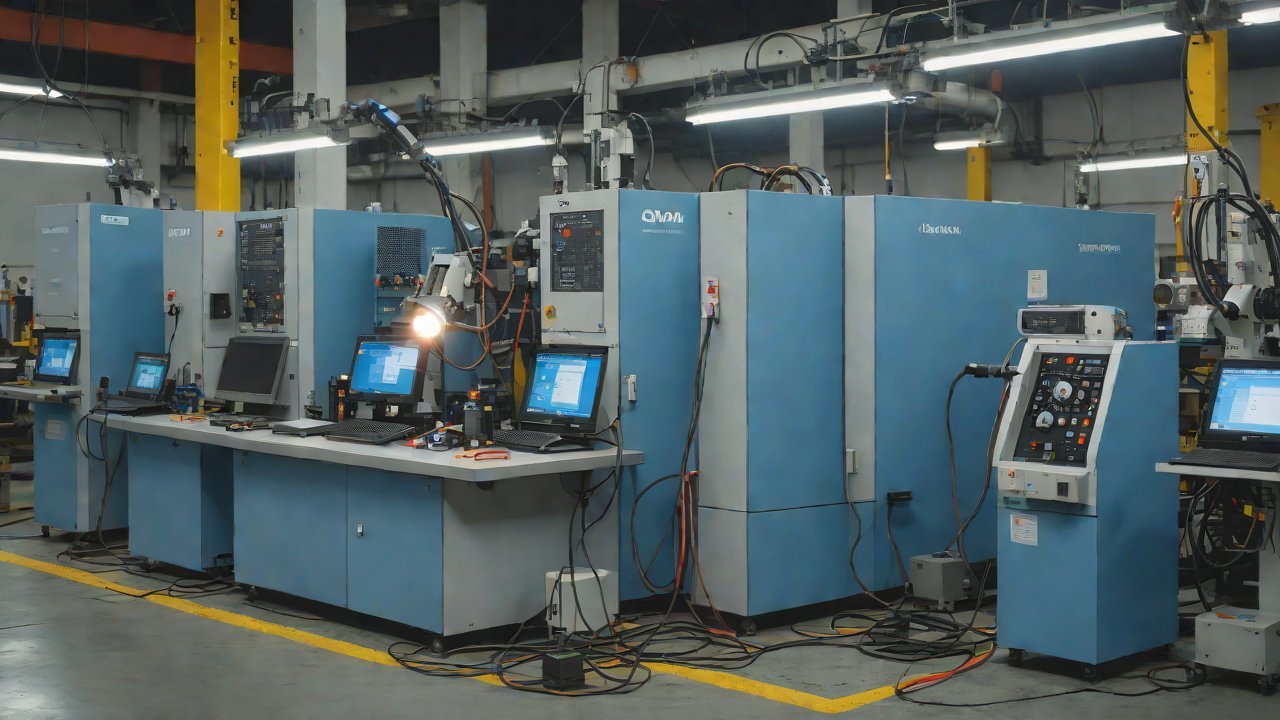
Can industrial waste heat be converted into power for IoT nodes via thermoelectric generators?
Industrial waste heat is a ubiquitous byproduct of various industrial processes, accounting for a significant portion of global energy consumption. The conversion of this waste heat into usable power has long been a subject of interest for researchers and industries alike. With the increasing proliferation of the Internet of Things (IoT), the need for efficient and sustainable power solutions has become more pressing than ever. One promising approach to harnessing industrial waste heat is through the use of thermoelectric generators (TEGs). These devices convert heat into electricity, offering a potential solution for powering IoT nodes.
The concept of TEGs is not new, having been first proposed in the 19th century. However, advancements in materials science and nanotechnology have significantly improved their efficiency and feasibility. TEGs operate on the principle of the Seebeck effect, where a temperature difference between two dissimilar materials generates an electric potential. By leveraging this phenomenon, TEGs can convert waste heat into a usable form of energy.
1. Industrial Waste Heat: A Global Perspective
Industrial waste heat is a significant contributor to global energy consumption, accounting for approximately 20% of total energy usage. This waste heat is generated by various industrial processes, including power generation, chemical processing, and manufacturing. The majority of this waste heat is lost as heat, rather than being converted into useful energy.
| Source | Waste Heat Generation (GW) | Percentage of Total Energy Consumption |
|---|---|---|
| Power Generation | 1,200 | 20% |
| Chemical Processing | 500 | 8% |
| Manufacturing | 300 | 5% |
| Other | 1,000 | 17% |
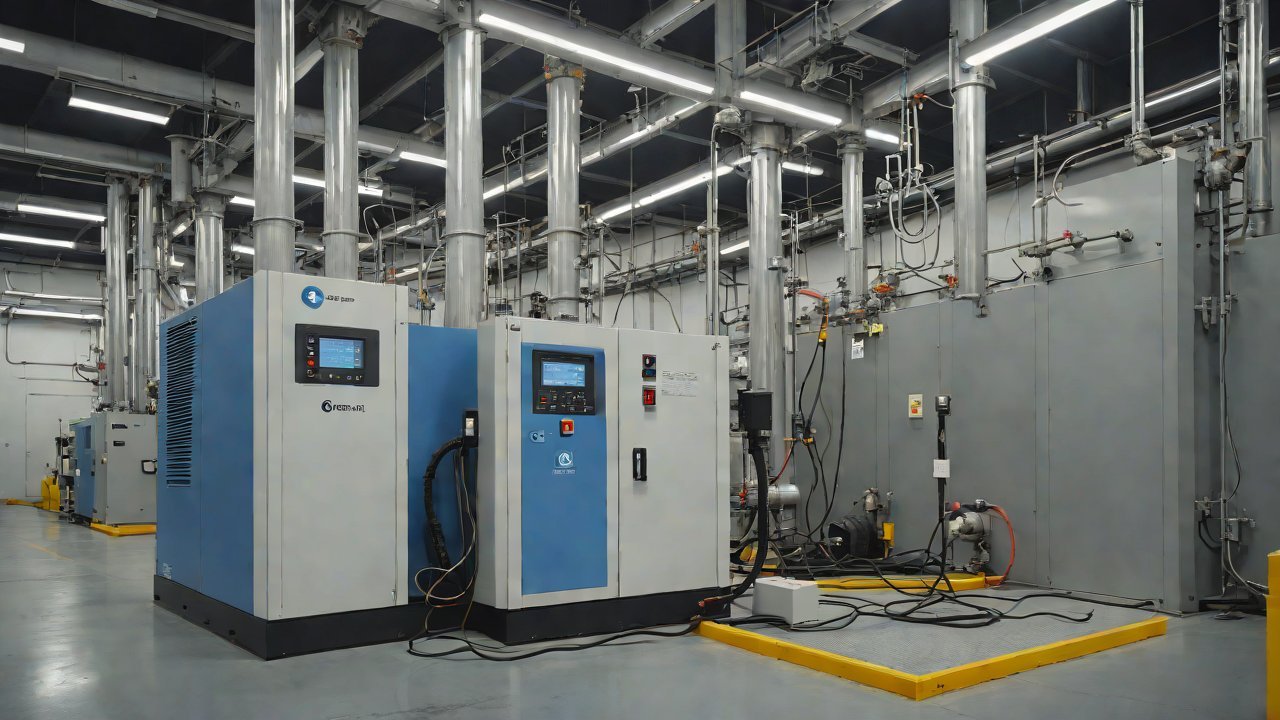
Table 1: Industrial Waste Heat Generation by Source
2. Thermoelectric Generators: A Promising Solution
TEGs have gained significant attention in recent years due to their potential to convert waste heat into usable power. These devices have several advantages, including:
- Low Maintenance: TEGs have no moving parts, reducing maintenance costs and increasing their lifespan.
- High Efficiency: TEGs can achieve efficiency rates of up to 10%, significantly higher than traditional energy conversion methods.
- Flexibility: TEGs can be designed to operate in a variety of environments and can be scaled up or down depending on energy requirements.
3. Materials Science and Nanotechnology Advancements
Recent advancements in materials science and nanotechnology have significantly improved the efficiency and feasibility of TEGs. Researchers have developed new materials with improved thermoelectric properties, such as:
- Bismuth Telluride: A high-performance thermoelectric material with a high Seebeck coefficient.
- Skutterudites: A class of materials with improved thermoelectric properties and high thermal conductivity.
| Material | Seebeck Coefficient (μV/K) | Thermal Conductivity (W/mK) |
|---|---|---|
| Bismuth Telluride | 200 | 2.5 |
| Skutterudites | 150 | 10 |

Table 2: Thermoelectric Materials Properties
4. IoT Node Power Requirements
IoT nodes have specific power requirements, which can range from a few milliwatts to several watts. TEGs can be designed to meet these requirements, providing a reliable and sustainable power source.
| IoT Node Type | Power Requirement (mW) |
|---|---|
| Sensor Node | 10-50 |
| Actuator Node | 50-100 |
| Gateway Node | 100-500 |
Table 3: IoT Node Power Requirements
5. Case Studies and Applications
Several case studies and applications demonstrate the potential of TEGs in powering IoT nodes:
- Industrial Automation: TEGs can be used to power sensors and actuators in industrial automation systems, reducing energy consumption and increasing efficiency.
- Building Management: TEGs can be integrated into building management systems to provide power for IoT nodes, reducing energy consumption and improving building efficiency.
- Smart Cities: TEGs can be used to power IoT nodes in smart city applications, such as smart lighting and smart traffic management.
6. Challenges and Future Directions
Despite the potential of TEGs, several challenges need to be addressed:
- Scalability: TEGs need to be scaled up to meet large-scale energy requirements.
- Cost: TEGs are currently more expensive than traditional energy conversion methods.
- Efficiency: TEGs need to be improved to achieve higher efficiency rates.
7. Conclusion
Industrial waste heat can be converted into power for IoT nodes via thermoelectric generators. TEGs offer several advantages, including low maintenance, high efficiency, and flexibility. Recent advancements in materials science and nanotechnology have improved the efficiency and feasibility of TEGs. However, several challenges need to be addressed to make TEGs a viable solution for large-scale energy conversion.
IOT Cloud Platform
IOT Cloud Platform is an IoT portal established by a Chinese IoT company, focusing on technical solutions in the fields of agricultural IoT, industrial IoT, medical IoT, security IoT, military IoT, meteorological IoT, consumer IoT, automotive IoT, commercial IoT, infrastructure IoT, smart warehousing and logistics, smart home, smart city, smart healthcare, smart lighting, etc.
The IoT Cloud Platform blog is a top IoT technology stack, providing technical knowledge on IoT, robotics, artificial intelligence (generative artificial intelligence AIGC), edge computing, AR/VR, cloud computing, quantum computing, blockchain, smart surveillance cameras, drones, RFID tags, gateways, GPS, 3D printing, 4D printing, autonomous driving, etc.