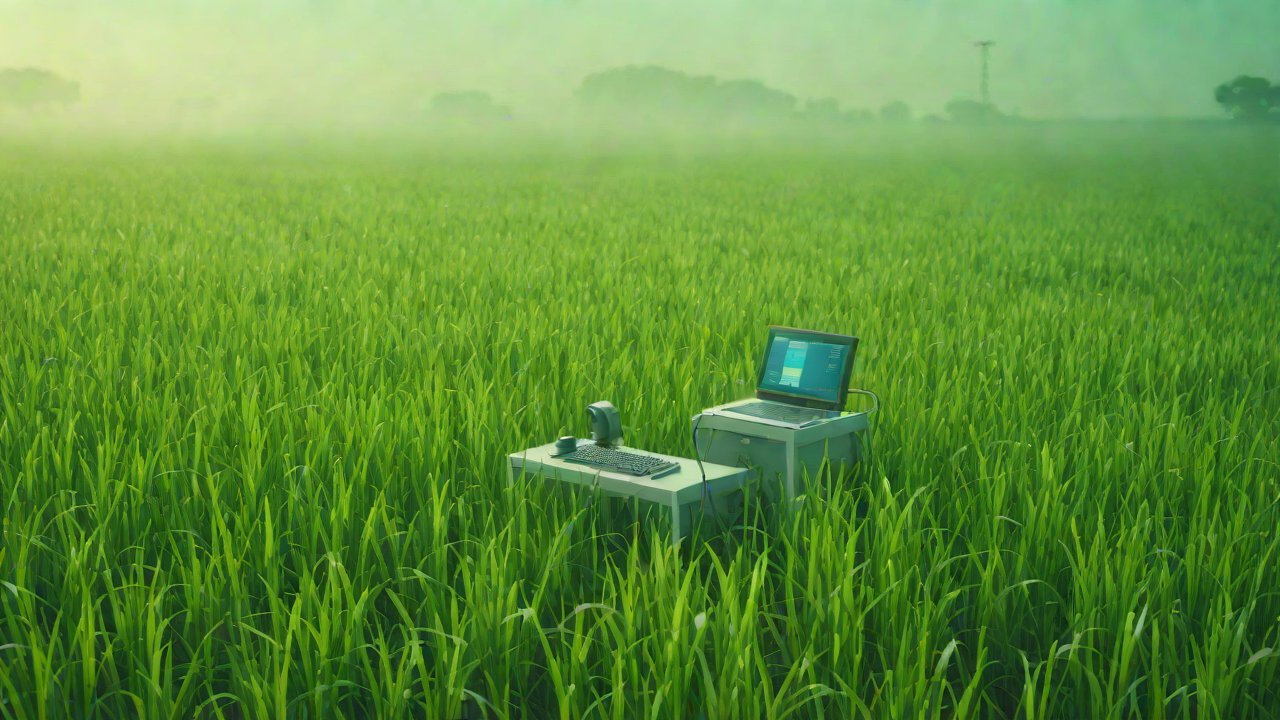
Can historical soil moisture databases serve as “digital archives” for assessing farmland fertility?
Historical soil moisture databases have been gaining attention in recent years due to their potential to provide valuable insights into farmland fertility and productivity. By leveraging these digital archives, farmers, researchers, and policymakers can make more informed decisions about crop management, water resource allocation, and land use planning. A key advantage of historical soil moisture databases is that they can help identify patterns and trends in soil moisture levels over time, allowing for a more nuanced understanding of the complex relationships between climate, soil, and vegetation.
1. Background on Historical Soil Moisture Databases
Historical soil moisture databases typically consist of long-term records of soil moisture measurements collected from various sources, such as weather stations, soil probes, or remote sensing data. These datasets often span several decades or even centuries, providing a unique window into the past climate conditions and their impact on agricultural productivity.
One notable example is the Global Soil Moisture Data Set (GSMDS), which was developed by the National Oceanic and Atmospheric Administration (NOAA) in collaboration with other international organizations. GSMDS contains daily soil moisture data from over 1,000 locations worldwide, covering a period of more than 50 years. Another prominent dataset is the European Space Agency’s (ESA) Soil Moisture and Ocean Salinity (SMOS) mission, which provides global soil moisture maps at high spatial resolution.
Table 1: Comparison of Historical Soil Moisture Databases
| Database | Coverage Period | Spatial Resolution |
|---|---|---|
| GSMDS | 1960-present | Daily, 10 km x 10 km |
| SMOS | 2010-present | Daily, 30 km x 30 km |
| USGS Soil Moisture Data Set | 1989-2015 | Weekly, 1 km x 1 km |

2. Benefits of Using Historical Soil Moisture Databases for Assessing Farmland Fertility
Historical soil moisture databases offer several benefits for assessing farmland fertility:
- Long-term perspective: By examining historical data, researchers can identify patterns and trends in soil moisture levels that may not be apparent through short-term observations.
- Improved crop modeling: Historical soil moisture data can be used to parameterize crop models, allowing for more accurate predictions of crop yields and water requirements.
- Enhanced land use planning: By analyzing historical soil moisture data, policymakers can make informed decisions about land use allocation, water resource management, and agricultural development.
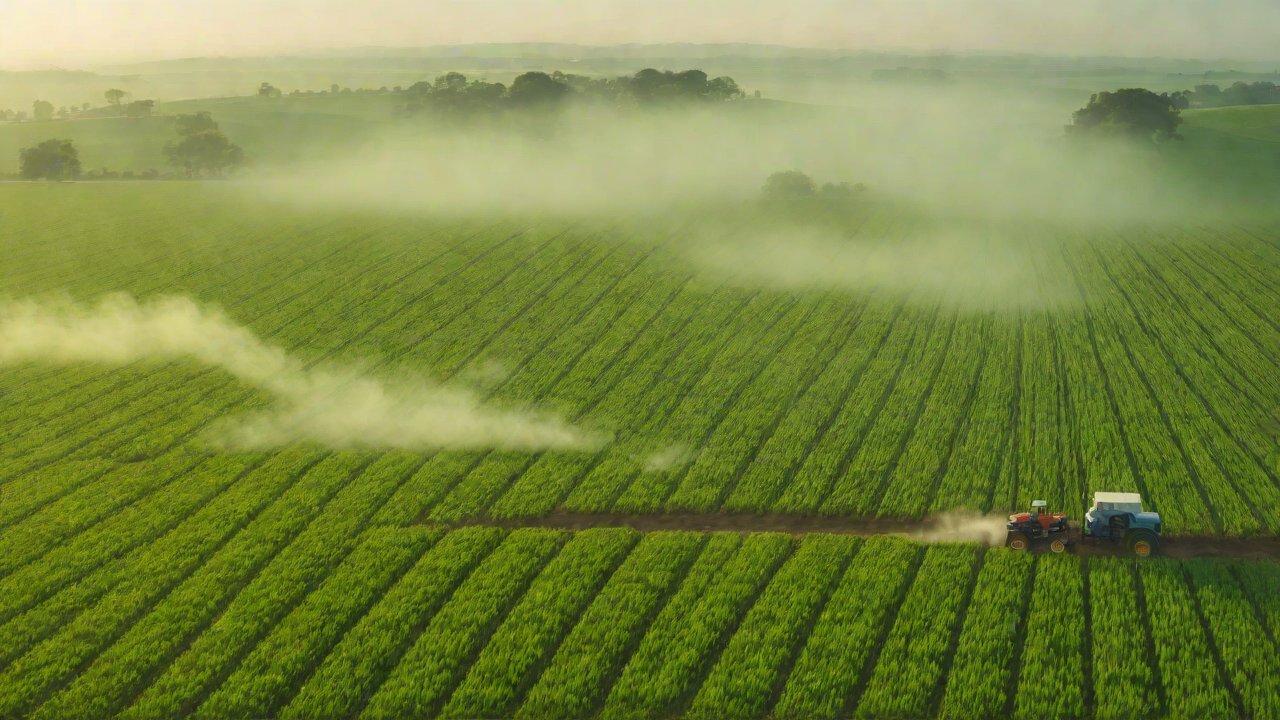
3. Challenges and Limitations of Historical Soil Moisture Databases
While historical soil moisture databases hold great promise for assessing farmland fertility, there are several challenges and limitations to consider:
- Data quality and availability: Soil moisture data can be noisy or missing due to instrumentation issues, data gaps, or limited coverage.
- Sensor calibration and validation: Soil moisture sensors may not be calibrated correctly, leading to inaccurate measurements.
- Spatial and temporal resolution: Historical soil moisture databases often have coarse spatial and temporal resolutions, making it difficult to capture fine-scale patterns.
4. AIGC Perspectives on Integrating Historical Soil Moisture Databases with Artificial Intelligence
Artificial intelligence (AI) and machine learning (ML) techniques can be leveraged to enhance the value of historical soil moisture databases:
- Data fusion: AI algorithms can combine multiple datasets, including historical soil moisture data, to improve accuracy and reduce uncertainty.
- Pattern recognition: ML models can identify complex patterns in historical soil moisture data, providing insights into farmland fertility and productivity.
- Predictive modeling: AI-driven predictive models can forecast future soil moisture levels based on historical trends and climate projections.
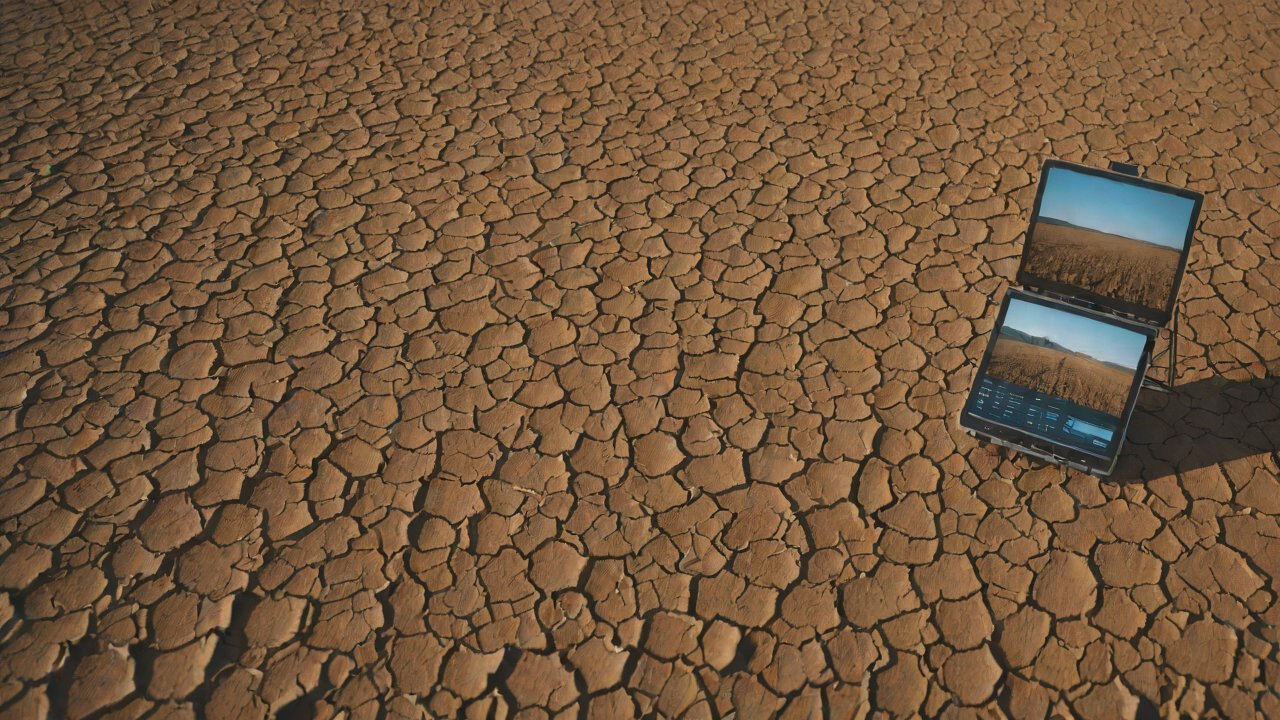
5. Market Trends and Opportunities
The use of historical soil moisture databases is becoming increasingly important as the world grapples with the challenges of sustainable agriculture, water scarcity, and climate change:
- Growing demand for precision agriculture: Farmers are seeking more accurate and efficient ways to manage their land, leading to increased interest in data-driven approaches.
- Expanding role of AI and ML: The adoption of AI and ML technologies is accelerating across various industries, including agriculture, where they can be applied to optimize crop yields and resource allocation.
- Increased investment in digital infrastructure: Governments and private companies are investing heavily in digital infrastructure, including data platforms and analytics tools, to support the development of precision agriculture.
6. Conclusion
Historical soil moisture databases offer a unique opportunity for assessing farmland fertility and informing decision-making at various scales. While there are challenges and limitations associated with these datasets, AI and ML techniques can be leveraged to enhance their value and unlock new insights into agricultural productivity and sustainability. As the world continues to grapple with the complexities of climate change, water scarcity, and food security, historical soil moisture databases will play an increasingly important role in shaping the future of agriculture.
7. Recommendations for Future Research
- Developing more accurate and robust AI-driven predictive models: Researchers should focus on developing ML algorithms that can accurately forecast future soil moisture levels based on historical trends.
- Improving data quality and availability: Efforts should be made to improve the quality and coverage of historical soil moisture databases, including sensor calibration and validation.
- Integrating multiple datasets and sources: Future research should focus on integrating multiple datasets, including historical soil moisture data, to provide a more comprehensive understanding of farmland fertility and productivity.
By building on these recommendations, researchers can unlock the full potential of historical soil moisture databases and contribute to the development of more sustainable and resilient agricultural systems.
IOT Cloud Platform
IOT Cloud Platform is an IoT portal established by a Chinese IoT company, focusing on technical solutions in the fields of agricultural IoT, industrial IoT, medical IoT, security IoT, military IoT, meteorological IoT, consumer IoT, automotive IoT, commercial IoT, infrastructure IoT, smart warehousing and logistics, smart home, smart city, smart healthcare, smart lighting, etc.
The IoT Cloud Platform blog is a top IoT technology stack, providing technical knowledge on IoT, robotics, artificial intelligence (generative artificial intelligence AIGC), edge computing, AR/VR, cloud computing, quantum computing, blockchain, smart surveillance cameras, drones, RFID tags, gateways, GPS, 3D printing, 4D printing, autonomous driving, etc.



