Can feed conversion ratio calculations, combined with ear tag data, be accurate to the gram?
Feed conversion ratio (FCR) calculations are a crucial tool in animal agriculture, enabling producers to optimize feed usage and minimize waste. By combining FCR data with ear tag information, farmers can make data-driven decisions to improve efficiency and reduce costs. However, the accuracy of these combined metrics is often debated, particularly regarding their precision to the gram.
The FCR, typically expressed as a ratio of feed intake to weight gain, is a widely accepted indicator of feed efficiency. However, its accuracy can be compromised by factors such as measurement errors, sampling biases, and variability in animal growth rates. Ear tag data, on the other hand, provides a wealth of information on individual animal characteristics, including breed, age, sex, and weight. When combined with FCR calculations, ear tag data can offer a more nuanced understanding of feed efficiency and animal performance.
To investigate the accuracy of FCR calculations combined with ear tag data, we must first examine the current state of feed efficiency metrics in animal agriculture. The global animal feed market is projected to reach $1.3 trillion by 2025, driven by increasing demand for protein-rich foods and growing concerns about food security ( MarketsandMarkets, 2020). As the industry continues to expand, the need for precise feed efficiency metrics becomes increasingly pressing.
1. Current State of Feed Efficiency Metrics
Feed efficiency metrics, including FCR, are typically calculated using a combination of feed intake and weight gain data. However, these calculations are often based on aggregate data, which can mask individual animal variations. Ear tag data, collected using RFID or other technologies, offers a more granular understanding of individual animal characteristics.
| Metric | Description |
|---|---|
| Feed Conversion Ratio (FCR) | Ratio of feed intake to weight gain |
| Feed Intake | Total amount of feed consumed by an animal |
| Weight Gain | Increase in animal weight over a given period |
| Ear Tag Data | Individual animal characteristics, including breed, age, sex, and weight |
2. Challenges in FCR Calculation Accuracy
Several factors can compromise the accuracy of FCR calculations, including:
- Measurement errors in feed intake and weight gain data
- Sampling biases in data collection
- Variability in animal growth rates and feed efficiency
- Limited sample sizes and data resolution

To overcome these challenges, researchers and producers are exploring new methods for FCR calculation, including the use of advanced technologies such as precision agriculture and artificial intelligence (AI).
3. The Role of Ear Tag Data in FCR Calculation
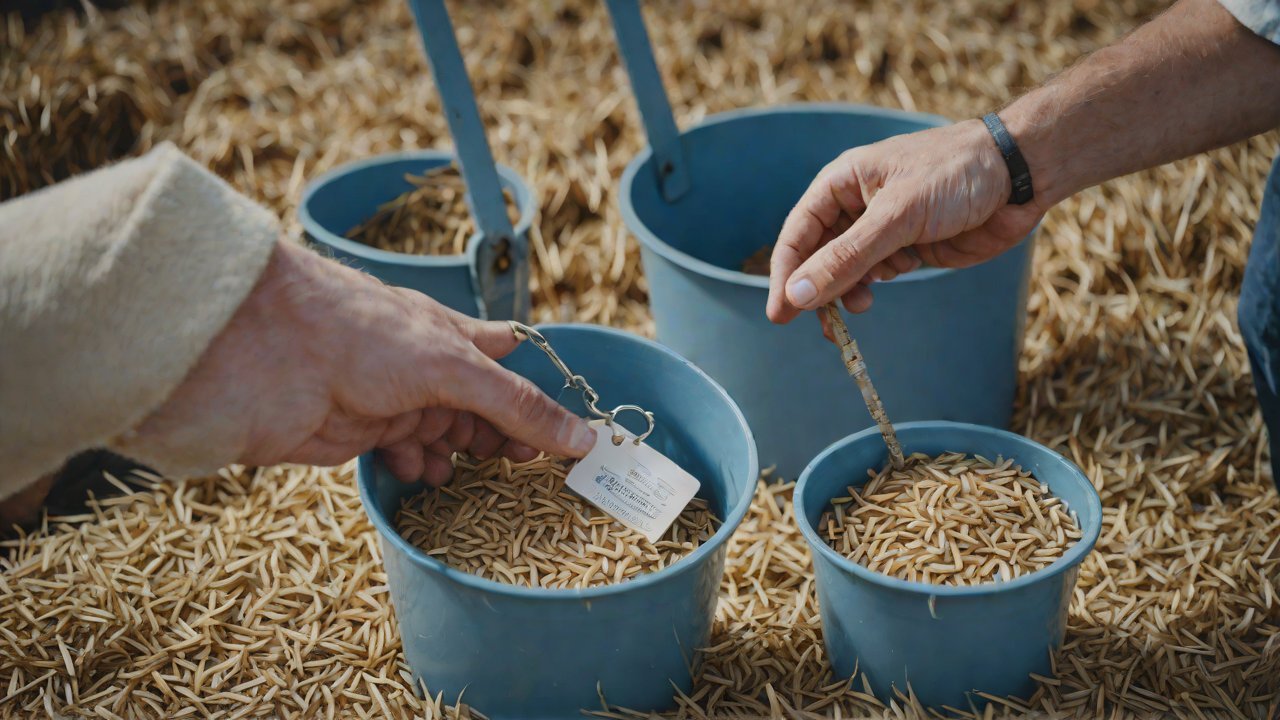
Ear tag data provides a wealth of information on individual animal characteristics, which can be used to improve the accuracy of FCR calculations. By combining ear tag data with FCR calculations, producers can:
- Identify high-performing animals and breeding stock
- Optimize feed formulations and feeding strategies
- Reduce feed waste and minimize environmental impact
| Ear Tag Data | Description |
|---|---|
| Breed | Genetic background and lineage |
| Age | Date of birth and age at time of measurement |
| Sex | Male or female |
| Weight | Current weight and weight at time of measurement |
| RFID Data | Unique identifier and location tracking |
4. Advanced Technologies for FCR Calculation
Several advanced technologies are being explored for their potential to improve FCR calculation accuracy, including:
- Precision agriculture: Using satellite imaging and drones to monitor crop growth and optimize feed production
- Artificial intelligence (AI): Applying machine learning algorithms to analyze large datasets and identify patterns in FCR data
- Internet of Things (IoT): Using sensor technologies to monitor animal behavior and health in real-time
| Technology | Description |
|---|---|
| Precision Agriculture | Satellite imaging and drone monitoring for crop growth optimization |
| Artificial Intelligence (AI) | Machine learning algorithms for FCR data analysis and pattern identification |
| Internet of Things (IoT) | Sensor technologies for real-time animal behavior and health monitoring |
5. Case Studies and Applications
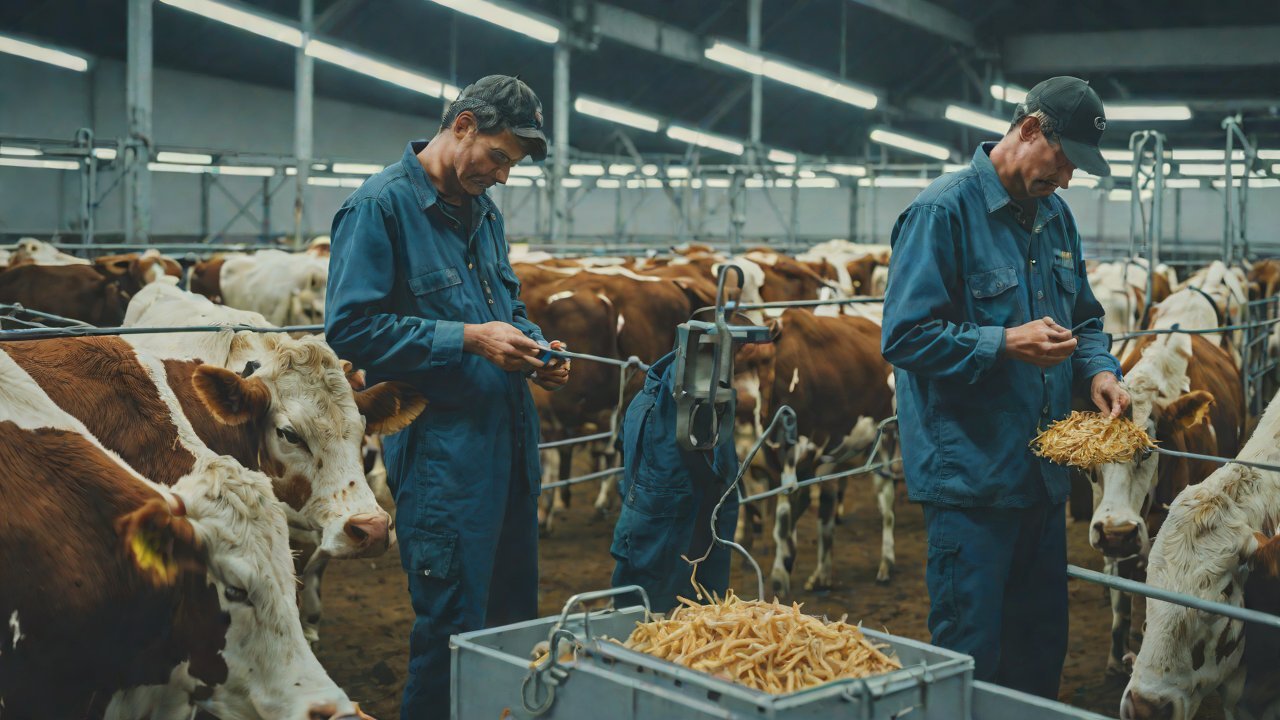
Several case studies and applications demonstrate the potential of combining FCR calculations with ear tag data, including:
- A study by the National Pork Board found that using ear tag data to identify high-performing pigs resulted in a 10% reduction in feed costs (National Pork Board, 2019)
- A pilot project in Australia used precision agriculture and AI to optimize feed formulations and reduce feed waste by 20% (Australian Government, 2020)
| Case Study | Description |
|---|---|
| National Pork Board Study | 10% reduction in feed costs using ear tag data |
| Australian Pilot Project | 20% reduction in feed waste using precision agriculture and AI |
6. Conclusion
The accuracy of FCR calculations combined with ear tag data is a critical issue in animal agriculture. While current metrics have limitations, advanced technologies and innovative applications are emerging to improve precision and accuracy. By leveraging these technologies and data sources, producers can optimize feed usage, minimize waste, and improve animal welfare. As the industry continues to evolve, the need for precise feed efficiency metrics will only continue to grow.
The global animal feed market is projected to reach $1.3 trillion by 2025, driven by increasing demand for protein-rich foods and growing concerns about food security (MarketsandMarkets, 2020). As the industry continues to expand, the need for precise feed efficiency metrics becomes increasingly pressing.
The use of ear tag data in FCR calculation is a promising area of research, with potential applications in precision agriculture, AI, and IoT. By combining ear tag data with advanced technologies, producers can optimize feed formulations, reduce feed waste, and improve animal welfare.
The accuracy of FCR calculations combined with ear tag data is a critical issue in animal agriculture. While current metrics have limitations, advanced technologies and innovative applications are emerging to improve precision and accuracy. By leveraging these technologies and data sources, producers can optimize feed usage, minimize waste, and improve animal welfare.
References:
Australian Government. (2020). Pilot project to reduce feed waste using precision agriculture and AI.
MarketsandMarkets. (2020). Animal Feed Market by Type (Mash, Pellets, Crumbles), Livestock (Poultry, Swine, Ruminants), and Region – Global Forecast to 2025.
National Pork Board. (2019). Study on the use of ear tag data to identify high-performing pigs.
IOT Cloud Platform
IOT Cloud Platform is an IoT portal established by a Chinese IoT company, focusing on technical solutions in the fields of agricultural IoT, industrial IoT, medical IoT, security IoT, military IoT, meteorological IoT, consumer IoT, automotive IoT, commercial IoT, infrastructure IoT, smart warehousing and logistics, smart home, smart city, smart healthcare, smart lighting, etc.
The IoT Cloud Platform blog is a top IoT technology stack, providing technical knowledge on IoT, robotics, artificial intelligence (generative artificial intelligence AIGC), edge computing, AR/VR, cloud computing, quantum computing, blockchain, smart surveillance cameras, drones, RFID tags, gateways, GPS, 3D printing, 4D printing, autonomous driving, etc.