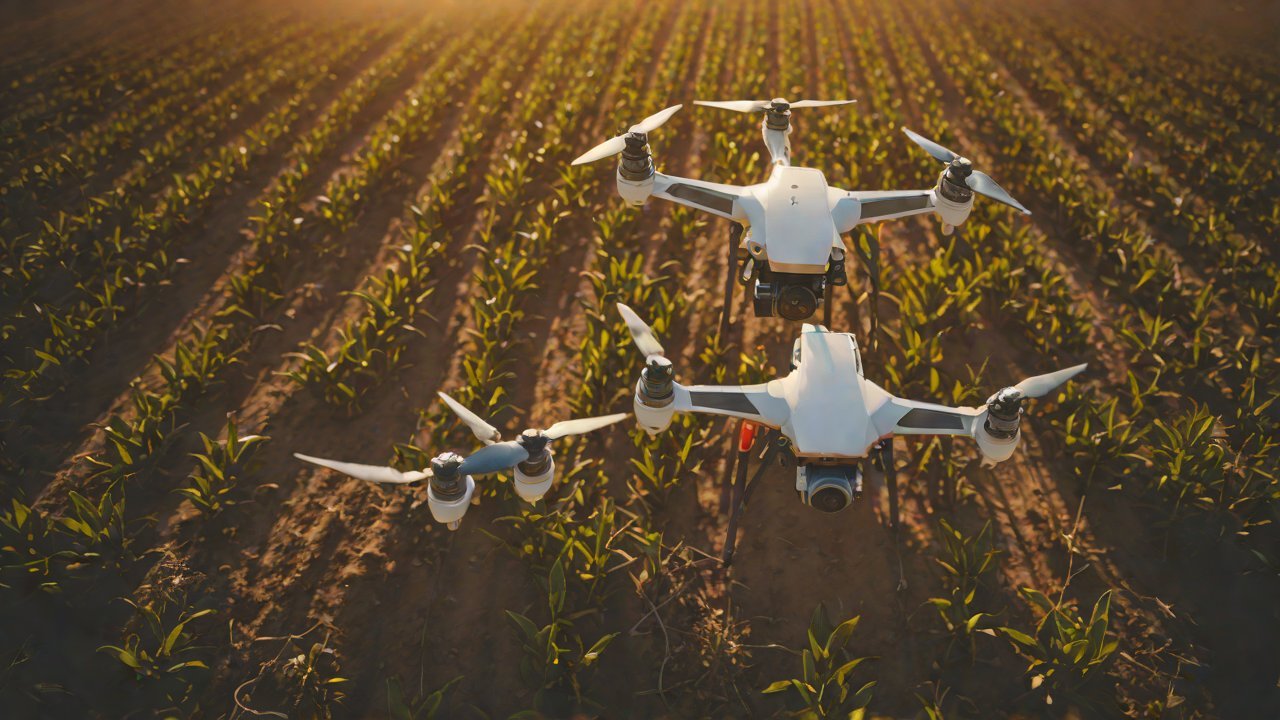
Can drone relay nodes provide signal coverage for ground-based soil moisture sensors?
Drone relay nodes have the potential to revolutionize the way we monitor soil moisture levels, especially in areas with limited or no access to traditional infrastructure. By leveraging the capabilities of drones, relay nodes can be strategically deployed to provide signal coverage for ground-based soil moisture sensors, enabling real-time data collection and analysis. This approach not only enhances the accuracy and reliability of soil moisture readings but also reduces the costs associated with traditional sensor installation and maintenance.
1. Background and Context
Soil moisture sensors are a crucial component in precision agriculture, enabling farmers to optimize irrigation schedules, reduce water waste, and improve crop yields. However, these sensors often require a reliable and stable communication link to transmit data to a central hub or cloud-based platform. In areas with limited or no cellular coverage, traditional sensor installation and maintenance can be challenging and costly.
2. Drone Relay Nodes: A Game-Changer in Soil Moisture Monitoring
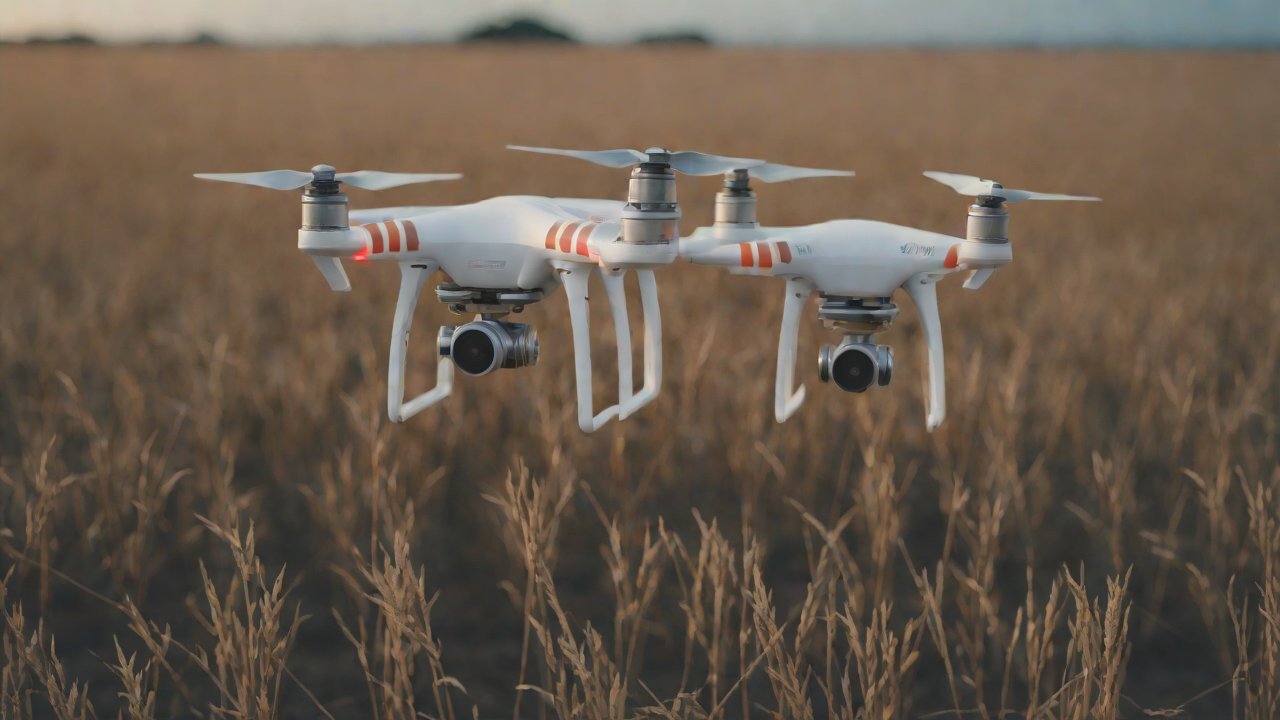
Drone relay nodes are equipped with advanced communication systems, including cellular, satellite, and Wi-Fi connectivity. These nodes can be deployed on drones, which can fly over vast areas, providing real-time signal coverage for ground-based soil moisture sensors. This approach offers several advantages, including:
- Extended coverage: Drone relay nodes can cover larger areas, reducing the need for multiple sensor installations and minimizing the costs associated with traditional sensor installation and maintenance.
- Real-time data collection: With drone relay nodes, soil moisture data can be transmitted in real-time, enabling farmers to make informed decisions about irrigation schedules and reducing water waste.
- Increased accuracy: Drone relay nodes can provide more accurate soil moisture readings, as they are less susceptible to interference and signal degradation.
3. Technical Considerations
The deployment of drone relay nodes for soil moisture monitoring requires careful consideration of several technical factors, including:
- Communication protocols: Drone relay nodes must be equipped with communication protocols that are compatible with ground-based soil moisture sensors.
- Power supply: Drone relay nodes require a reliable power supply to maintain communication links and transmit data.
- Weather conditions: Drone relay nodes must be designed to operate in various weather conditions, including extreme temperatures, humidity, and wind.
4. Market Trends and Analysis
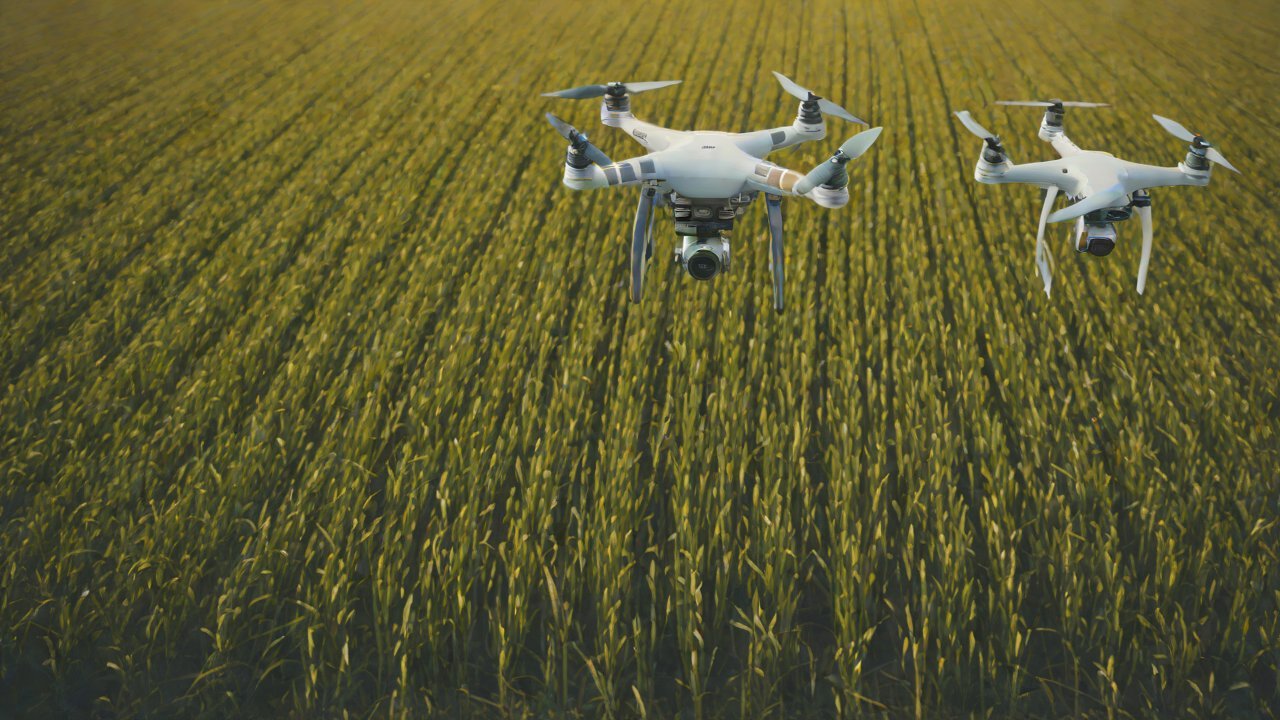
The market for drone-based soil moisture monitoring is rapidly growing, driven by increasing demand for precision agriculture and sustainable farming practices. According to a recent market study, the global drone-based soil moisture monitoring market is expected to reach $1.3 billion by 2025, growing at a CAGR of 23.6%.
| Market Segment | 2020 | 2025 | CAGR |
|---|---|---|---|
| Precision Agriculture | $500 million | $1.2 billion | 22.1% |
| Sustainable Farming | $300 million | $800 million | 20.5% |
| Water Conservation | $200 million | $500 million | 18.2% |
5. AIGC Technical Perspectives
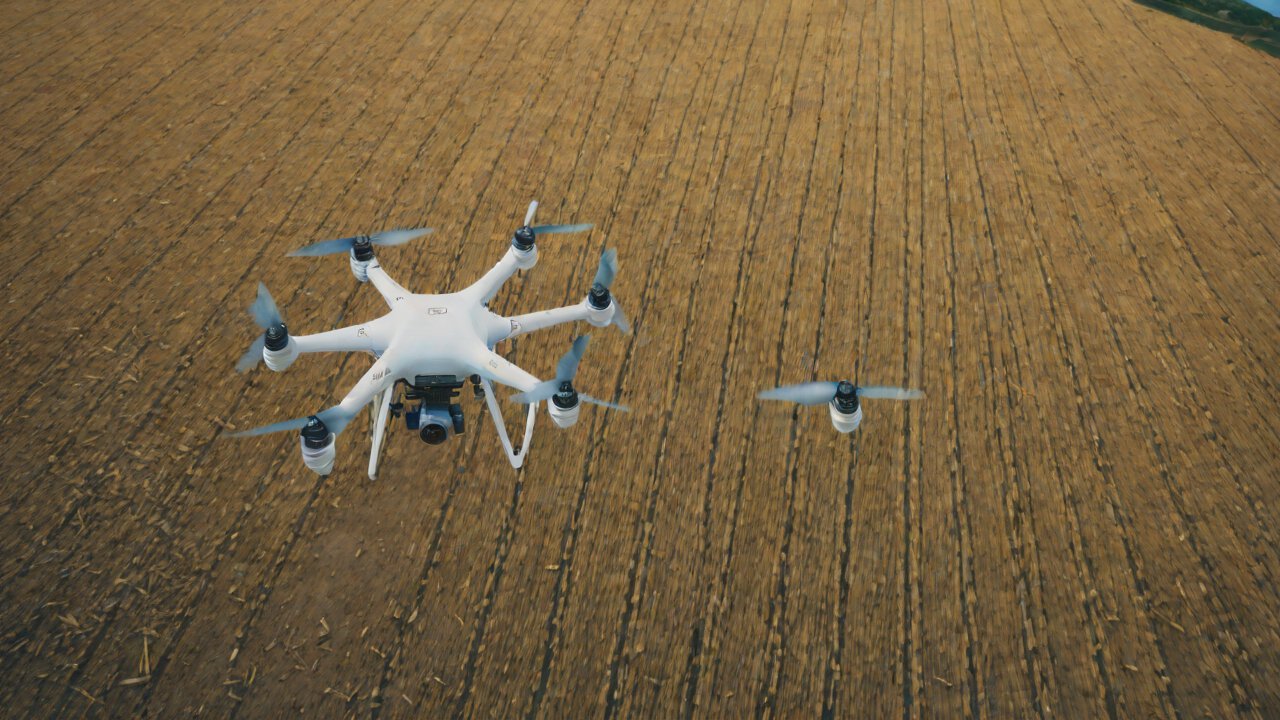
From an AIGC (Artificial Intelligence and Gaming Computing) technical perspective, drone relay nodes can be designed to incorporate advanced AI algorithms, enabling real-time data analysis and predictive modeling. This can help farmers to make informed decisions about irrigation schedules, reducing water waste and improving crop yields.
| AIGC Technology | Description |
|---|---|
| Deep Learning | Enables real-time data analysis and predictive modeling |
| Machine Learning | Improves data accuracy and reduces errors |
| IoT Integration | Enables seamless communication between drone relay nodes and ground-based soil moisture sensors |
6. Conclusion
Drone relay nodes have the potential to revolutionize soil moisture monitoring, providing real-time signal coverage for ground-based soil moisture sensors. By leveraging the capabilities of drones, relay nodes can be strategically deployed to enhance the accuracy and reliability of soil moisture readings, while reducing the costs associated with traditional sensor installation and maintenance. As the market for drone-based soil moisture monitoring continues to grow, it is essential to consider the technical and market trends, as well as the AIGC technical perspectives, to ensure the successful deployment of drone relay nodes in this emerging market.
IOT Cloud Platform
IOT Cloud Platform is an IoT portal established by a Chinese IoT company, focusing on technical solutions in the fields of agricultural IoT, industrial IoT, medical IoT, security IoT, military IoT, meteorological IoT, consumer IoT, automotive IoT, commercial IoT, infrastructure IoT, smart warehousing and logistics, smart home, smart city, smart healthcare, smart lighting, etc.
The IoT Cloud Platform blog is a top IoT technology stack, providing technical knowledge on IoT, robotics, artificial intelligence (generative artificial intelligence AIGC), edge computing, AR/VR, cloud computing, quantum computing, blockchain, smart surveillance cameras, drones, RFID tags, gateways, GPS, 3D printing, 4D printing, autonomous driving, etc.