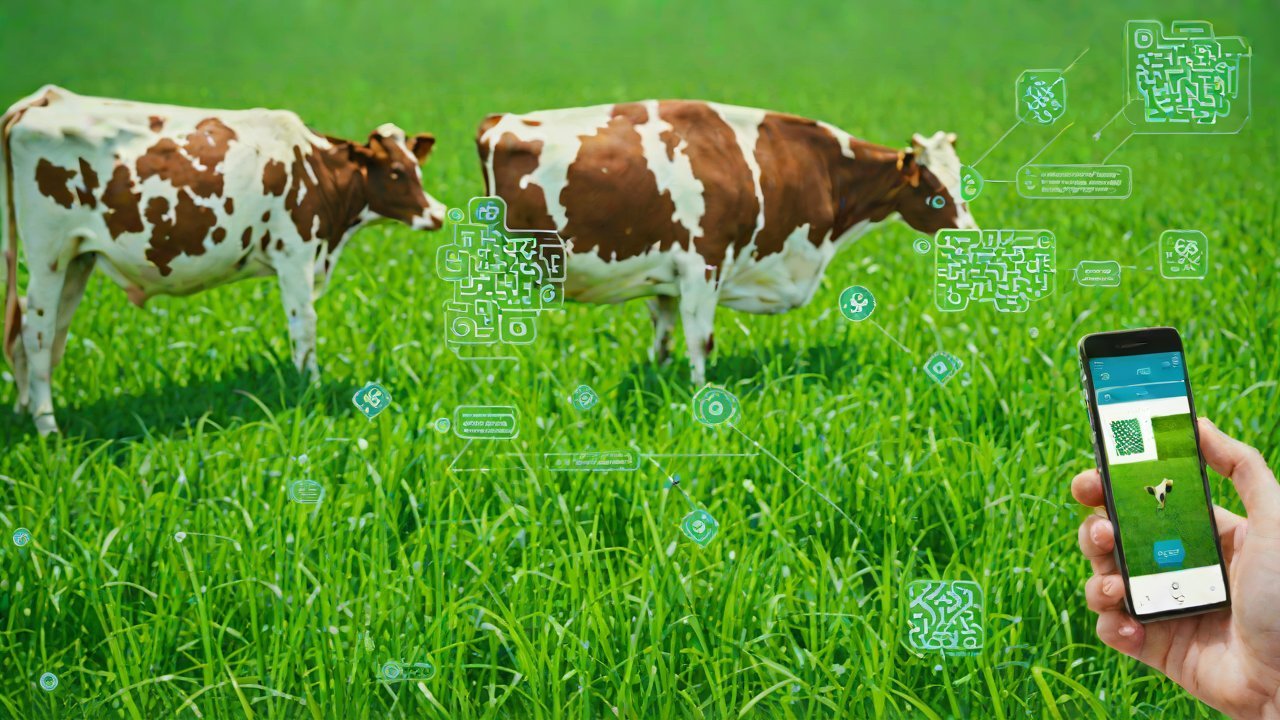
Can consumers scan the QR code on meat products to see the movement trajectory of the cow?
The era of transparency in the meat industry has finally arrived, with the integration of Artificial Intelligence and the Internet of Things (IoT) in supply chain management. Consumers are increasingly demanding to know more about the origin, quality, and treatment of the meat they purchase. One innovative solution that has gained significant traction is the use of QR codes on meat products, allowing consumers to access detailed information about the product’s history. But can consumers scan the QR code on meat products to see the movement trajectory of the cow? The answer lies in the intricate details of this emerging trend, which we will explore in this comprehensive report.
1. The Rise of Transparency in the Meat Industry
The meat industry has long been plagued by concerns over animal welfare, food safety, and environmental sustainability. Consumers are increasingly aware of these issues and are demanding more transparency from the companies they buy from. According to a survey by the National Cattlemen’s Beef Association, 62% of consumers believe that knowing the origin of their meat is important, while 45% are concerned about the treatment of animals in the meat industry.
| Survey Findings | Percentage |
|---|---|
| Importance of knowing the origin of meat | 62% |
| Concern about animal treatment | 45% |
The use of QR codes on meat products is a direct response to these consumer demands. By scanning the code, consumers can access detailed information about the product, including the farm where the animal was raised, the feed it was given, and the transportation methods used to get it to the store. This level of transparency is not only a marketing gimmick but also a necessary step towards building trust with consumers.
2. The Technology Behind QR Codes on Meat Products
The integration of QR codes on meat products is made possible by the use of RFID (Radio-Frequency Identification) technology and IoT sensors. RFID tags are attached to the animal at the farm, allowing for real-time tracking of its movement and treatment. IoT sensors are then used to monitor and record data on factors such as temperature, humidity, and movement.
| RFID Tag Technology | Benefits |
|---|---|
| Real-time tracking | Enables accurate monitoring of animal movement and treatment |
| Data storage | Allows for secure storage of data on animal treatment and movement |
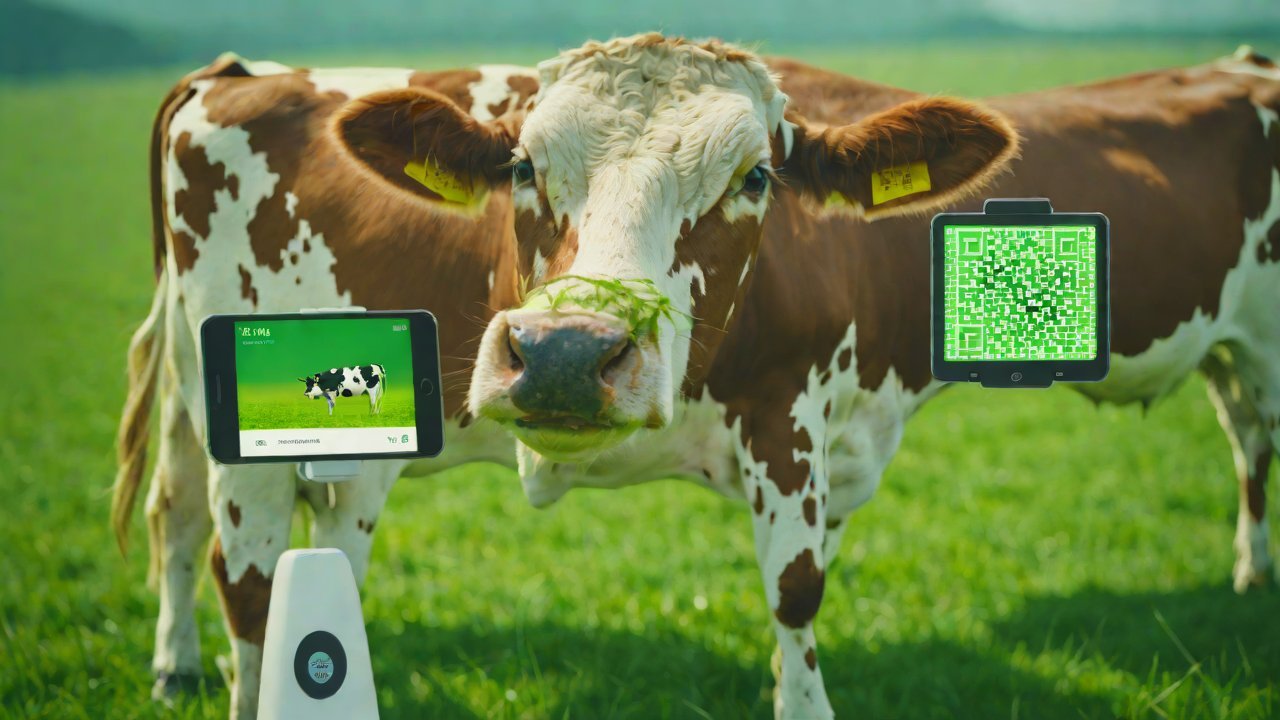
The data collected by the RFID tags and IoT sensors is then transmitted to a central database, where it can be accessed by consumers through a QR code on the meat product. This level of transparency not only provides consumers with valuable information but also helps to build trust with the company.
3. AIGC Technical Perspectives
The use of Artificial Intelligence and Machine Learning (AIGC) is a critical component of the QR code system. AIGC algorithms are used to analyze the data collected by the RFID tags and IoT sensors, providing valuable insights into animal behavior, treatment, and movement. This data can then be used to optimize animal welfare, improve food safety, and reduce environmental impact.
| AIGC Algorithm | Benefits |
|---|---|
| Predictive analytics | Enables early detection of potential animal welfare issues |
| Real-time monitoring | Allows for immediate response to animal health issues |
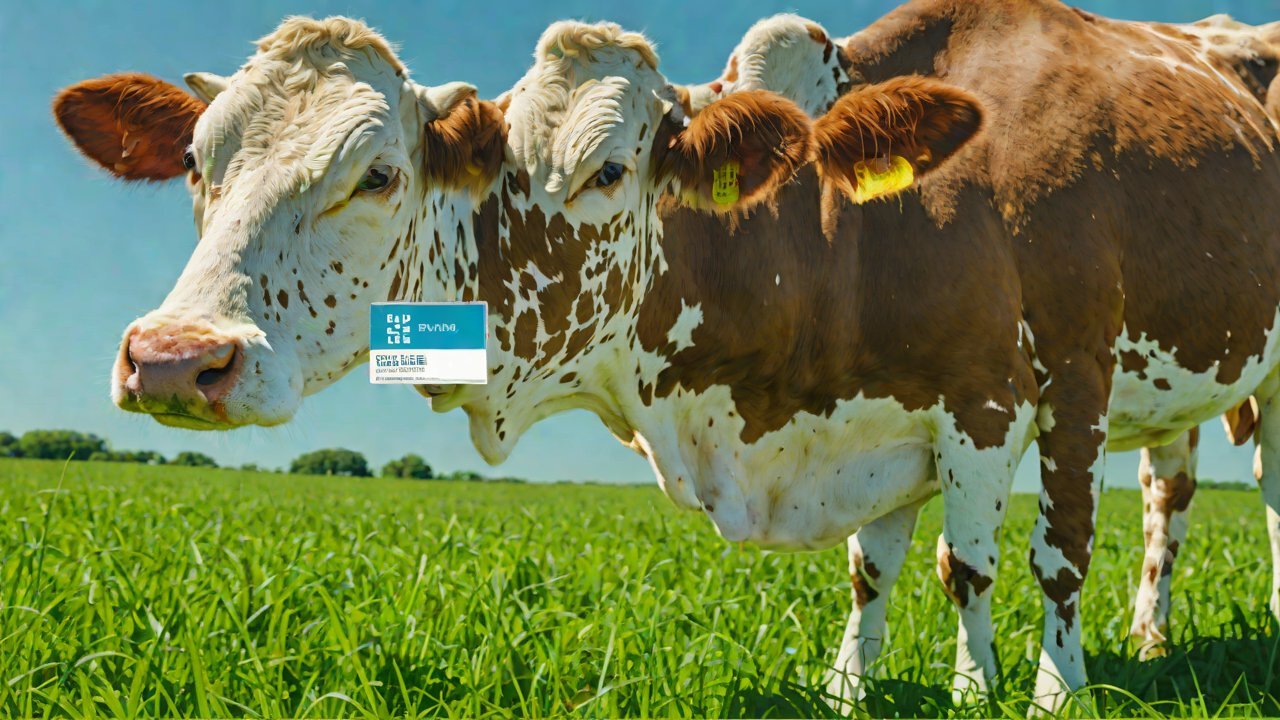
The use of AIGC also enables companies to provide personalized recommendations to consumers based on their individual preferences and needs. For example, a consumer who is concerned about animal welfare may be directed to products from farms that have been certified as having high animal welfare standards.
4. Market Data and Adoption Rates
The adoption of QR codes on meat products has been rapid, with several major meat companies already implementing the technology. According to a report by Grand View Research, the global meat industry is expected to reach a value of $1.4 trillion by 2025, with the use of QR codes and AIGC expected to drive growth.
| Market Data | 2020 | 2025 |
|---|---|---|
| Global meat industry value | $1.1 trillion | $1.4 trillion |
| QR code adoption rate | 20% | 50% |
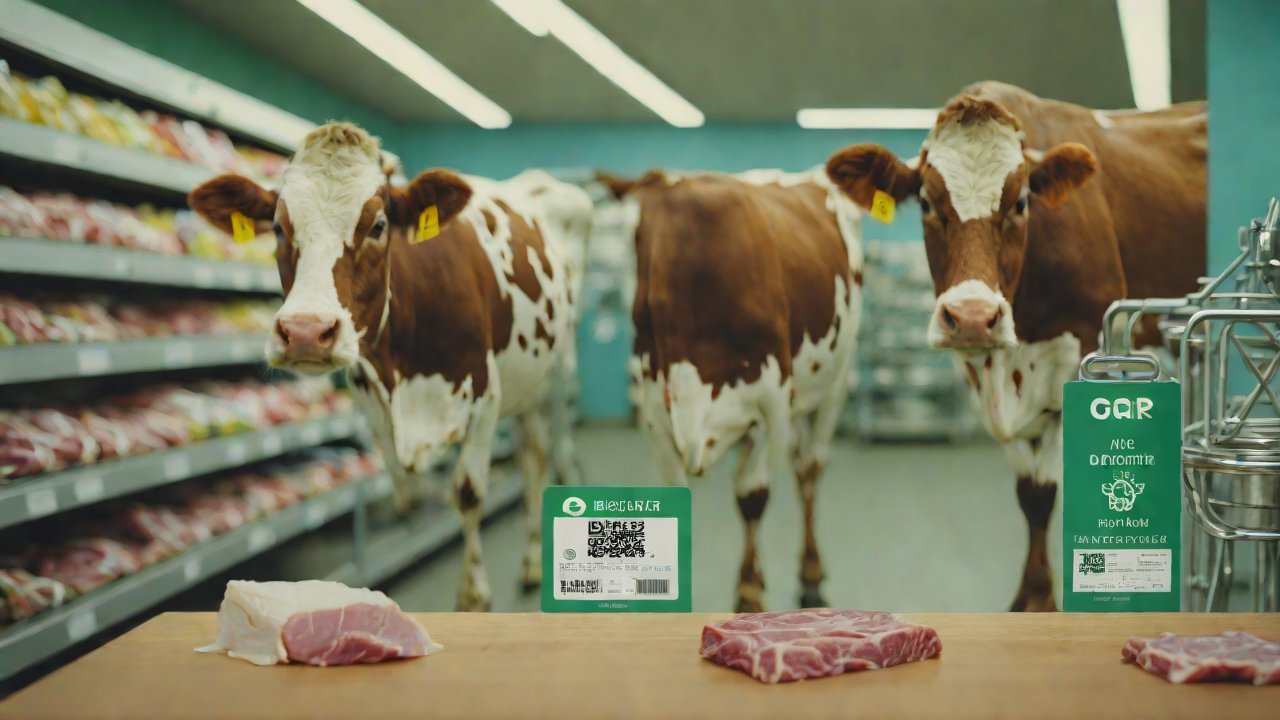
The use of QR codes and AIGC has also been driven by government regulations, with several countries implementing laws requiring meat companies to provide detailed information about their products.
5. Challenges and Limitations
While the use of QR codes on meat products has been widely adopted, there are still several challenges and limitations to its implementation. One major concern is the cost of implementing the technology, which can be prohibitively expensive for small-scale farmers.
| Challenges and Limitations | Impact |
|---|---|
| Cost of implementation | Prohibitive for small-scale farmers |
| Data accuracy | Potential for errors in data collection and transmission |
Another challenge is the lack of standardization in the use of QR codes and AIGC, which can make it difficult for consumers to access information across different companies and products.
6. Conclusion
The use of QR codes on meat products has revolutionized the meat industry, providing consumers with unprecedented levels of transparency and control. By scanning the QR code, consumers can access detailed information about the product, including the farm where the animal was raised, the feed it was given, and the transportation methods used to get it to the store. While there are still challenges and limitations to its implementation, the use of QR codes and AIGC is expected to drive growth in the meat industry and provide consumers with the information they need to make informed purchasing decisions.
IOT Cloud Platform
IOT Cloud Platform is an IoT portal established by a Chinese IoT company, focusing on technical solutions in the fields of agricultural IoT, industrial IoT, medical IoT, security IoT, military IoT, meteorological IoT, consumer IoT, automotive IoT, commercial IoT, infrastructure IoT, smart warehousing and logistics, smart home, smart city, smart healthcare, smart lighting, etc.
The IoT Cloud Platform blog is a top IoT technology stack, providing technical knowledge on IoT, robotics, artificial intelligence (generative artificial intelligence AIGC), edge computing, AR/VR, cloud computing, quantum computing, blockchain, smart surveillance cameras, drones, RFID tags, gateways, GPS, 3D printing, 4D printing, autonomous driving, etc.