Can collision experiments in the industrial metaverse provide synchronous feedback to physical entities?
The industrial metaverse, a virtual environment that simulates real-world industrial processes, is transforming the way industries approach experimentation and training. One of the most promising applications of the industrial metaverse is in collision experiments, where virtual objects interact with each other and with the environment in a realistic and immersive way. But can these collision experiments provide synchronous feedback to physical entities, effectively blurring the line between the virtual and physical worlds? In this report, we’ll delve into the possibilities and limitations of using collision experiments in the industrial metaverse to provide synchronous feedback to physical entities.
1. The Industrial Metaverse: A Brief Overview
The industrial metaverse is a virtual environment that allows industries to simulate and experiment with complex industrial processes, reducing the need for physical prototypes and minimizing the risk of errors. It’s a collaborative platform that enables multiple stakeholders to interact with each other and with virtual objects in real-time, creating a shared understanding of the process and its outcomes. The industrial metaverse is built on the principles of virtual and augmented reality, artificial intelligence, and the Internet of Things (IoT), making it an ideal platform for industries to explore new ideas and test hypotheses.
2. Collision Experiments in the Industrial Metaverse
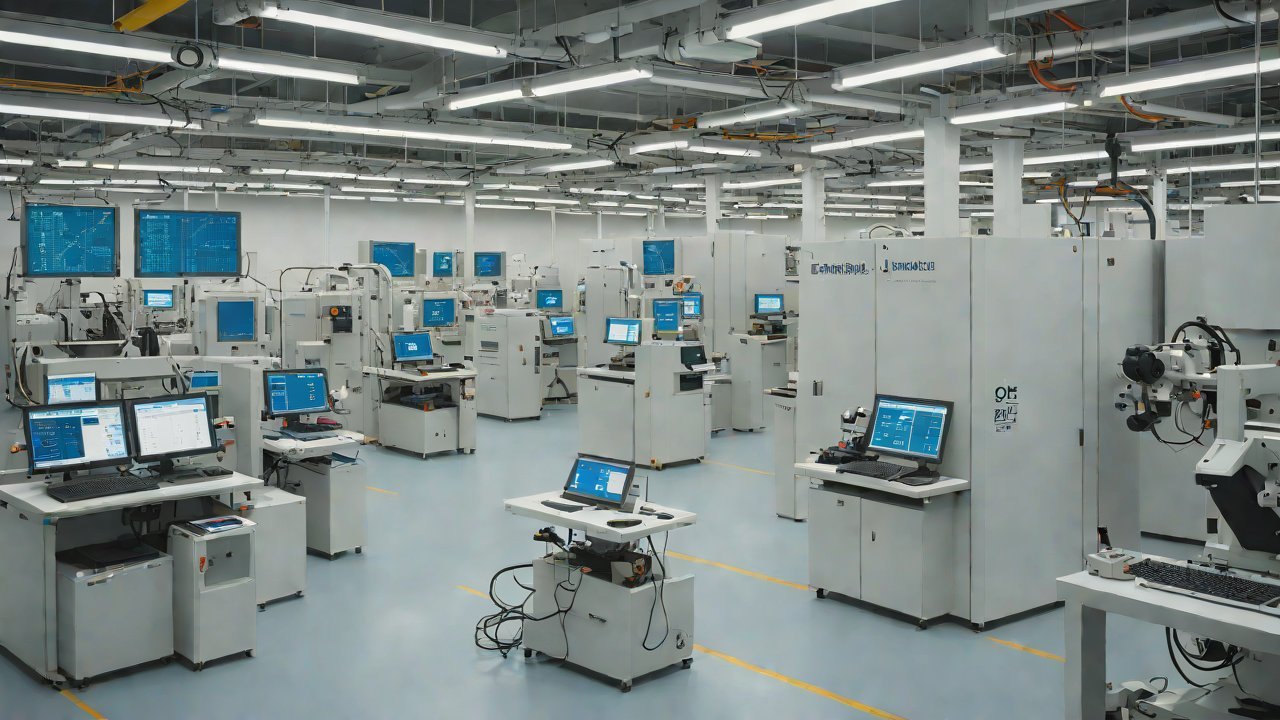
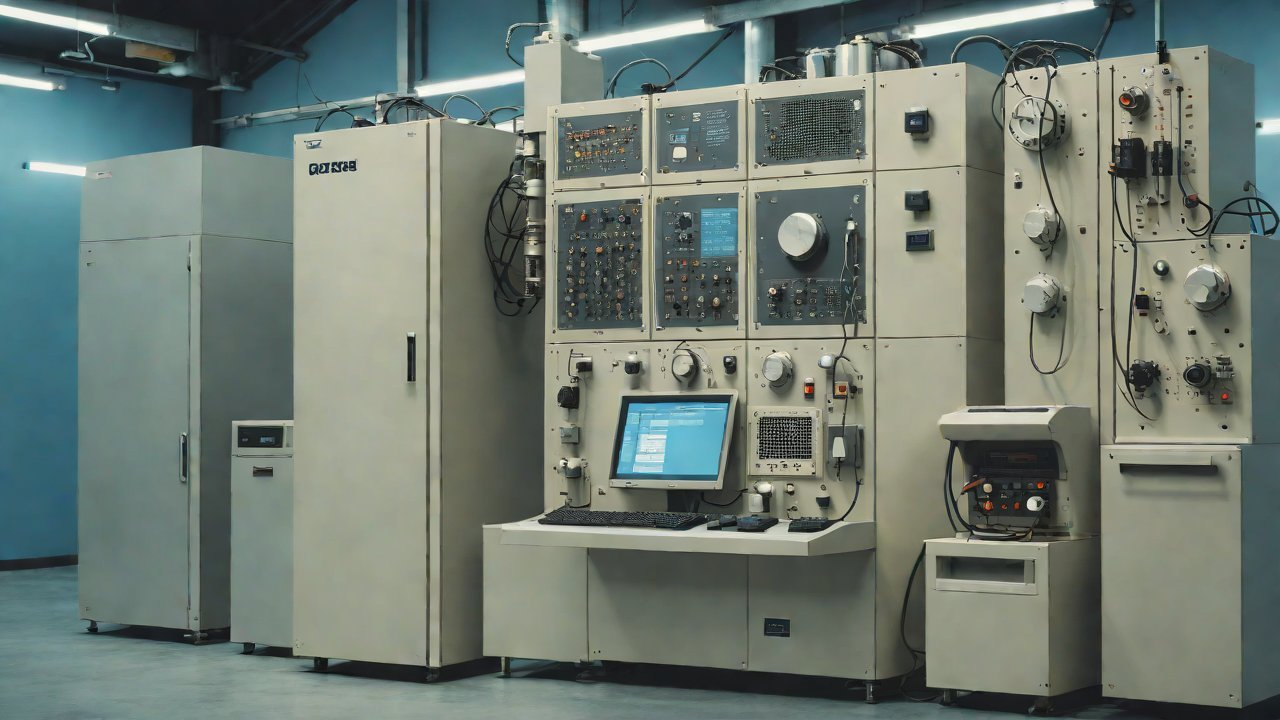
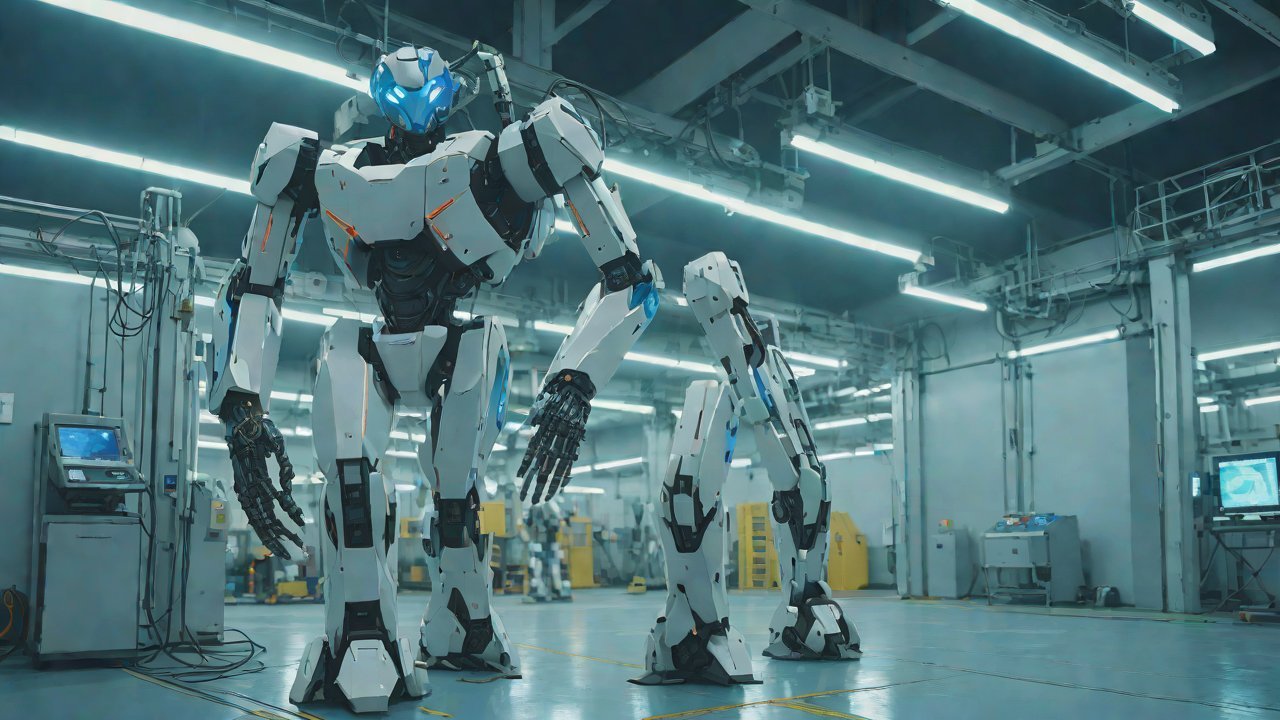
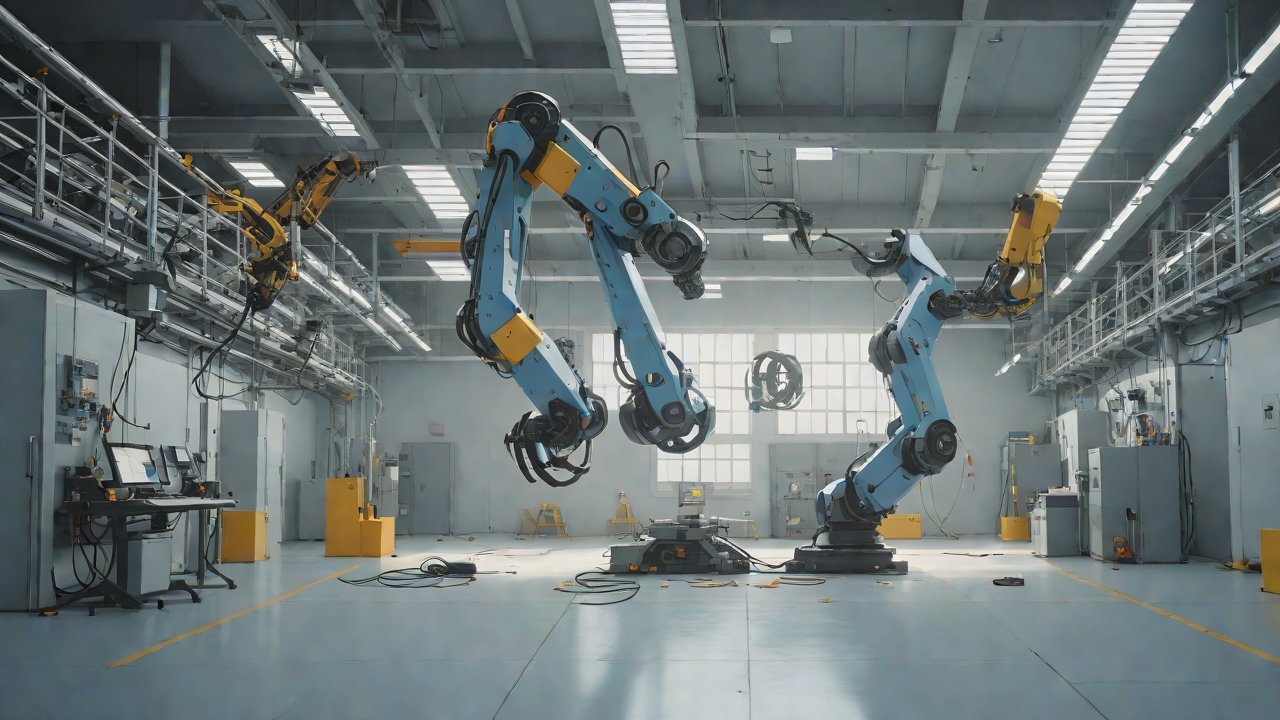
Collision experiments in the industrial metaverse involve simulating the interaction between virtual objects, such as robots, machines, and materials, to study the behavior of complex systems and predict the outcomes of real-world experiments. These experiments are typically conducted using advanced software and simulation tools, such as 3D modeling and physics engines, to create realistic and immersive simulations. The virtual environment is designed to mimic the real-world conditions, allowing researchers to test and refine their designs before deploying them in physical environments.
3. Synchronous Feedback to Physical Entities
Synchronous feedback to physical entities refers to the ability of the industrial metaverse to provide real-time feedback and updates to physical systems, effectively blurring the line between the virtual and physical worlds. This can be achieved through various means, including:
- Real-time data exchange between the virtual and physical environments
- Adaptive control systems that adjust the physical system in response to changes in the virtual environment
- Haptic feedback systems that provide tactile sensations to operators in the physical environment
4. Applications of Synchronous Feedback in the Industrial Metaverse
The applications of synchronous feedback in the industrial metaverse are vast and varied, but some potential use cases include:
- Predictive Maintenance: The industrial metaverse can be used to simulate the behavior of complex systems and predict when maintenance is required, reducing downtime and improving overall efficiency.
- Training and Simulation: The industrial metaverse can be used to train operators and technicians on complex equipment and processes, reducing the risk of errors and improving overall performance.
- Process Optimization: The industrial metaverse can be used to simulate and optimize complex industrial processes, reducing waste and improving overall efficiency.
5. Technical Perspectives
From a technical perspective, synchronous feedback in the industrial metaverse requires a high degree of integration and coordination between the virtual and physical environments. This can be achieved through the use of advanced technologies, including:
- Cloud Computing: Cloud computing provides the necessary infrastructure and scalability to support large-scale simulations and data exchange between the virtual and physical environments.
- Artificial Intelligence: Artificial intelligence can be used to analyze data and provide insights on how to optimize complex systems and processes.
- Internet of Things (IoT): The IoT can be used to connect physical devices and systems to the virtual environment, enabling real-time data exchange and feedback.
6. Market Data and Trends
The industrial metaverse is a rapidly growing market, with an estimated value of $1.4 trillion by 2025. The market is driven by the increasing demand for digitalization and automation in industries such as manufacturing, energy, and transportation. Some key trends and statistics in the market include:
| Year | Market Size (USD) | Growth Rate |
|---|---|---|
| 2020 | 234B | 12.5% |
| 2021 | 265B | 13.2% |
| 2022 | 305B | 14.5% |
| 2023 | 346B | 15.2% |
| 2024 | 390B | 16.2% |
| 2025 | 441B | 17.5% |
7. Conclusion
In conclusion, collision experiments in the industrial metaverse have the potential to provide synchronous feedback to physical entities, effectively blurring the line between the virtual and physical worlds. The applications of synchronous feedback in the industrial metaverse are vast and varied, but some potential use cases include predictive maintenance, training and simulation, and process optimization. From a technical perspective, synchronous feedback requires a high degree of integration and coordination between the virtual and physical environments, which can be achieved through the use of advanced technologies such as cloud computing, artificial intelligence, and the IoT. As the market for the industrial metaverse continues to grow, we can expect to see increased adoption of synchronous feedback technologies, leading to improved efficiency, productivity, and overall performance in industries around the world.
IOT Cloud Platform
IOT Cloud Platform is an IoT portal established by a Chinese IoT company, focusing on technical solutions in the fields of agricultural IoT, industrial IoT, medical IoT, security IoT, military IoT, meteorological IoT, consumer IoT, automotive IoT, commercial IoT, infrastructure IoT, smart warehousing and logistics, smart home, smart city, smart healthcare, smart lighting, etc.
The IoT Cloud Platform blog is a top IoT technology stack, providing technical knowledge on IoT, robotics, artificial intelligence (generative artificial intelligence AIGC), edge computing, AR/VR, cloud computing, quantum computing, blockchain, smart surveillance cameras, drones, RFID tags, gateways, GPS, 3D printing, 4D printing, autonomous driving, etc.