Can blockchain technology prevent data falsification in agricultural product traceability?
Blockchain technology has been touted as a potential game-changer for various industries, including agriculture, by providing an immutable and transparent record of transactions. In the context of agricultural product traceability, data falsification poses significant challenges to ensuring the authenticity and quality of products. This report explores whether blockchain technology can prevent data falsification in agricultural product traceability.
1. The Problem of Data Falsification in Agricultural Product Traceability
The global demand for food is increasing, driven by a growing population and rising incomes in emerging markets. However, this growth comes with the risk of compromised food safety and authenticity. Agricultural products often undergo multiple stages of processing, handling, and transportation before reaching consumers, creating opportunities for data falsification.
According to a report by the World Trade Organization (WTO), 10-30% of global agricultural trade is estimated to be counterfeit or adulterated. This not only affects consumer health but also erodes trust in the food supply chain. Data falsification can occur at various stages, including production, processing, transportation, and storage.
| Stage | Estimated Losses |
|---|---|
| Production | 10-20% of global agricultural trade is estimated to be counterfeit or adulterated (WTO) |
| Processing | Up to 30% of food products are contaminated with undeclared allergens or other hazardous substances (European Food Safety Authority) |
| Transportation | 15-25% of perishable goods are lost due to spoilage during transportation (UN Economic Commission for Europe) |
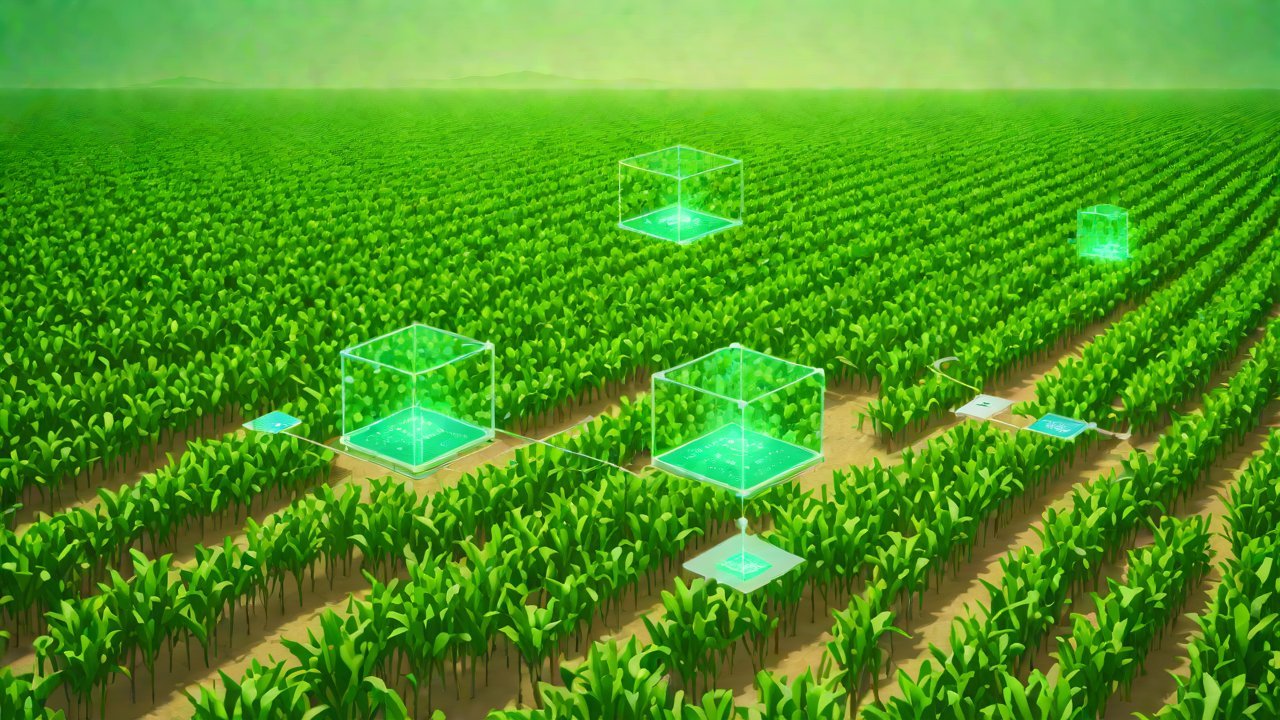
2. Blockchain Technology and Its Potential in Preventing Data Falsification
Blockchain technology is a decentralized, distributed ledger that records transactions across multiple nodes on a network. This provides an immutable and transparent record of data, making it tamper-proof.
The potential benefits of blockchain in preventing data falsification in agricultural product traceability are:
- Immutable Ledger: Blockchain’s decentralized architecture ensures that once data is recorded, it cannot be altered or deleted.
- Transparency: All parties involved in the supply chain can access and verify the information on the blockchain.
- Consensus Mechanism: A consensus mechanism, such as proof-of-work or proof-of-stake, ensures that all nodes on the network agree on the state of the ledger.
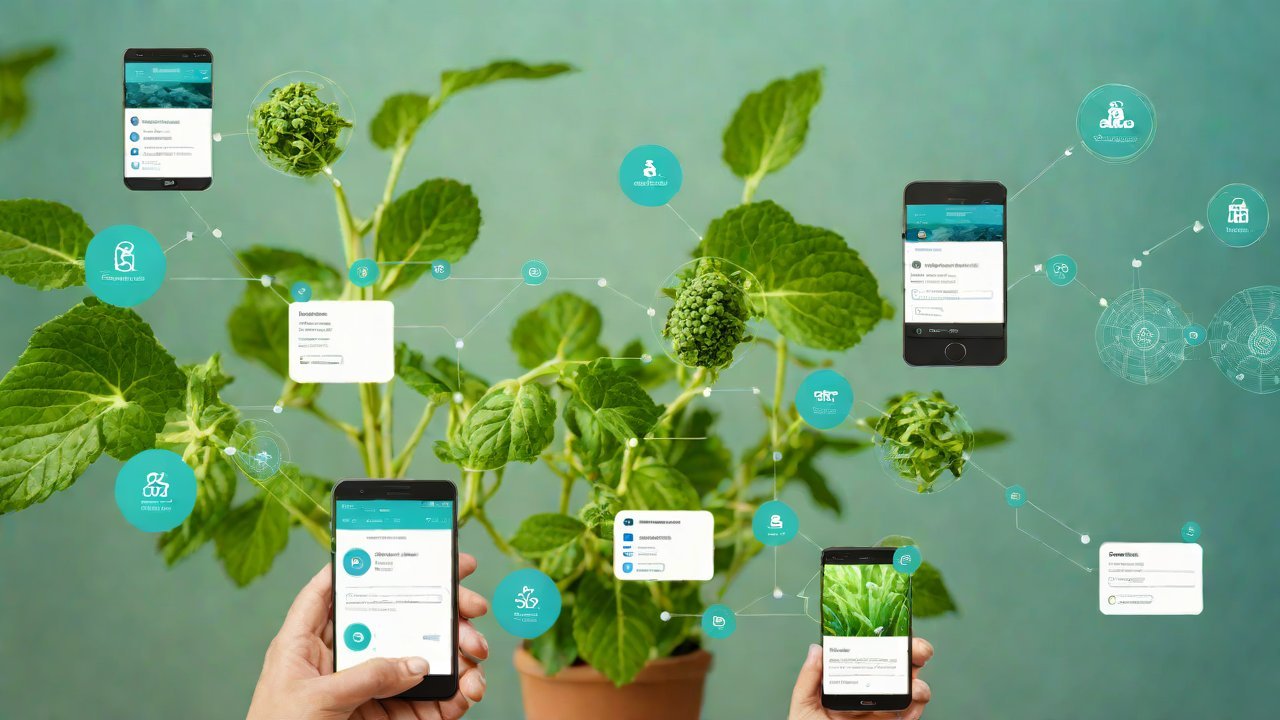
3. Blockchain Applications in Agricultural Product Traceability
Several companies and organizations are exploring the use of blockchain technology in agricultural product traceability. Some notable examples include:
- Walmart’s Food Safety Blockchain: Walmart has implemented a blockchain-based system to track food safety throughout its supply chain.
- Maersk’s Container Tracking: Maersk has developed a blockchain-based platform to track containers and ensure their authenticity.
- IBM’s Food Trust Platform: IBM has launched a blockchain-based platform for tracking food origin, movement, and ownership.
4. Challenges and Limitations of Blockchain Technology in Agricultural Product Traceability
While blockchain technology holds promise in preventing data falsification in agricultural product traceability, there are several challenges and limitations to consider:
- Scalability: Blockchain technology is still in its early stages and faces scalability issues.
- Regulatory Frameworks: The lack of clear regulatory frameworks hinders the adoption of blockchain technology in agriculture.
- Cost: Implementing a blockchain-based system can be expensive, especially for small-scale farmers.
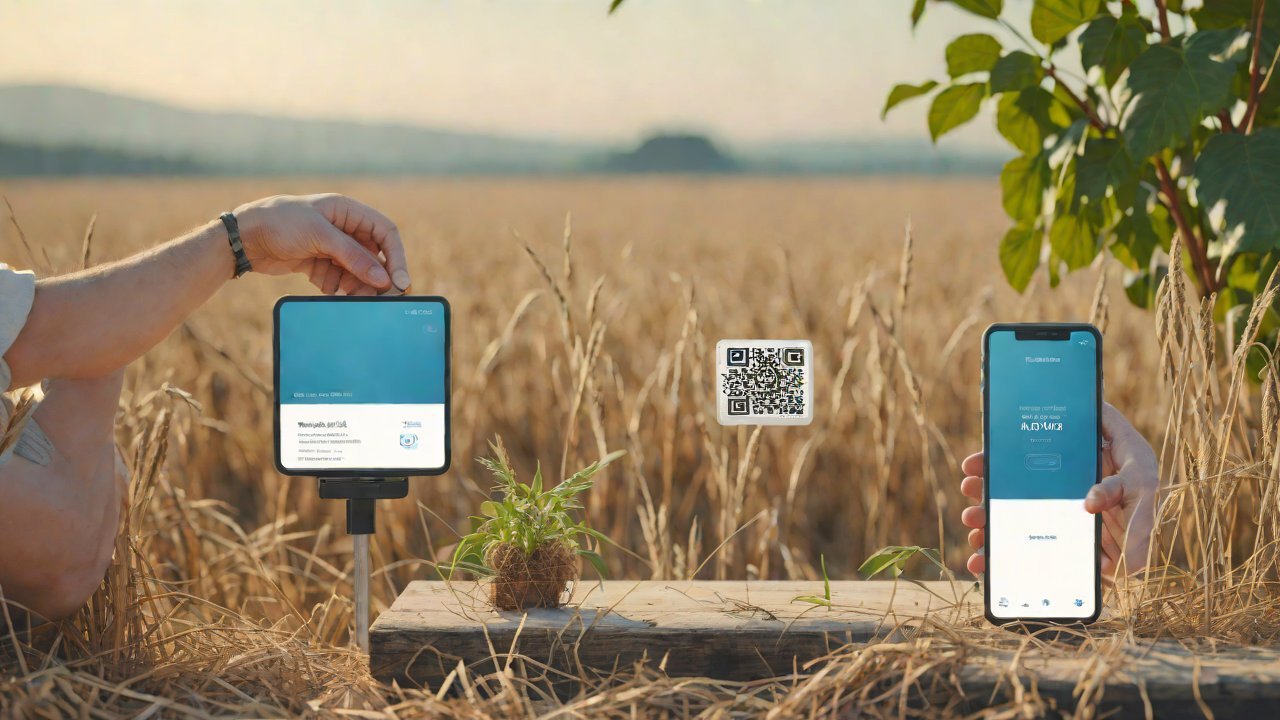
5. Case Studies and Real-World Applications
Several case studies demonstrate the potential of blockchain technology in preventing data falsification in agricultural product traceability:
- OriginTrail’s Food Safety Blockchain: OriginTrail has developed a blockchain-based platform to track food safety throughout its supply chain.
- Farm-to-Table Platform: The Farm-to-Table Platform uses blockchain technology to ensure the authenticity and quality of products.
6. Conclusion
Blockchain technology has the potential to prevent data falsification in agricultural product traceability by providing an immutable and transparent record of transactions. However, several challenges and limitations must be addressed before widespread adoption can occur. Further research and development are necessary to scale up blockchain technology and ensure its interoperability with existing systems.
7. Recommendations
Based on this report’s findings, we recommend the following:
- Develop Clear Regulatory Frameworks: Governments and regulatory bodies should establish clear guidelines for the use of blockchain technology in agriculture.
- Invest in Research and Development: Companies and organizations should invest in researching and developing blockchain-based solutions for agricultural product traceability.
- Collaborate with Stakeholders: Industry stakeholders, including farmers, processors, and retailers, must collaborate to ensure the adoption of blockchain technology.
By addressing these challenges and limitations, we can unlock the full potential of blockchain technology in preventing data falsification in agricultural product traceability.
IOT Cloud Platform
IOT Cloud Platform is an IoT portal established by a Chinese IoT company, focusing on technical solutions in the fields of agricultural IoT, industrial IoT, medical IoT, security IoT, military IoT, meteorological IoT, consumer IoT, automotive IoT, commercial IoT, infrastructure IoT, smart warehousing and logistics, smart home, smart city, smart healthcare, smart lighting, etc.
The IoT Cloud Platform blog is a top IoT technology stack, providing technical knowledge on IoT, robotics, artificial intelligence (generative artificial intelligence AIGC), edge computing, AR/VR, cloud computing, quantum computing, blockchain, smart surveillance cameras, drones, RFID tags, gateways, GPS, 3D printing, 4D printing, autonomous driving, etc.