Can blockchain-enabled soil moisture contracts automatically trigger irrigation payments?
The agricultural sector has been witnessing a significant shift towards precision farming, driven by the need to optimize resource utilization, reduce waste, and increase crop yields. One of the key areas of focus in this space is the management of soil moisture, which plays a crucial role in crop growth and development. With the advent of blockchain technology, a new paradigm has emerged that enables the creation of smart contracts, which can automatically trigger irrigation payments based on soil moisture levels. This report delves into the feasibility of blockchain-enabled soil moisture contracts and their potential to revolutionize the way irrigation payments are made.
1. Blockchain Technology and Smart Contracts
Blockchain technology has gained widespread acceptance in recent years due to its ability to provide a secure, transparent, and decentralized platform for data management. At its core, blockchain is a distributed ledger technology that enables multiple parties to access and update a shared database. Smart contracts, on the other hand, are self-executing contracts with the terms of the agreement written directly into lines of code. They are stored and replicated on a blockchain, allowing for the automation of various processes, including payment transactions.
2. Soil Moisture Monitoring and Measurement
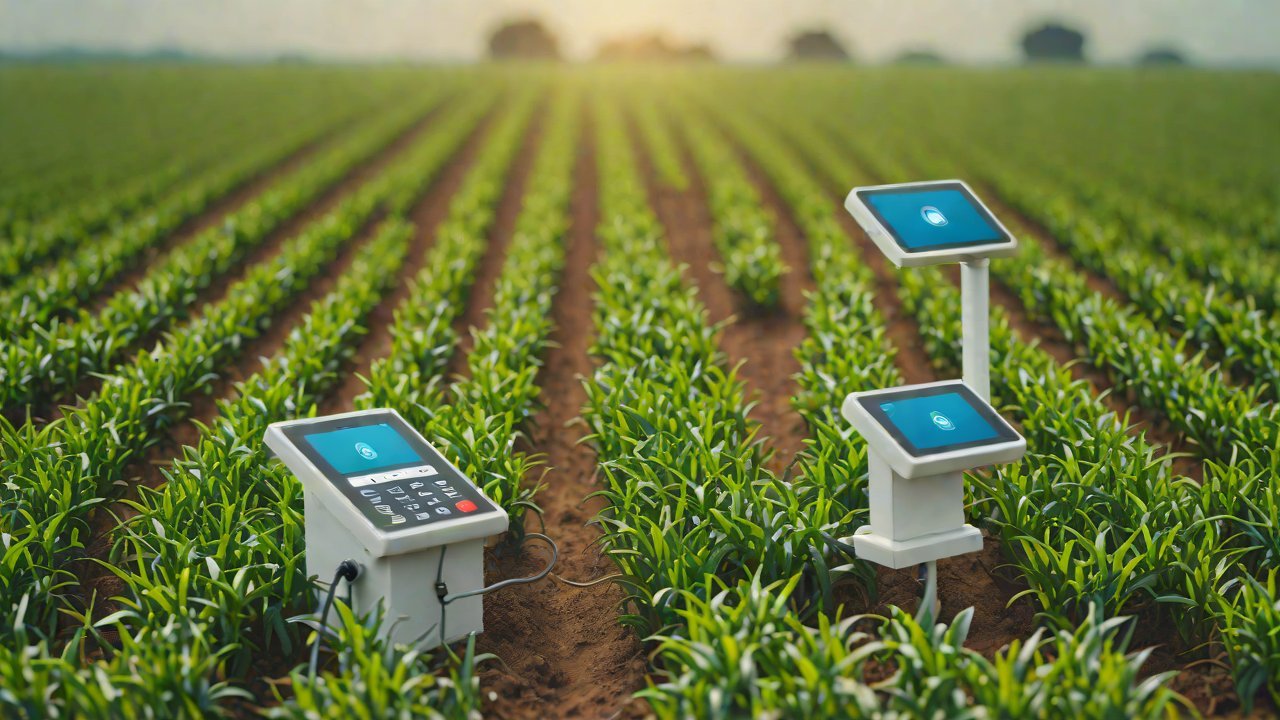
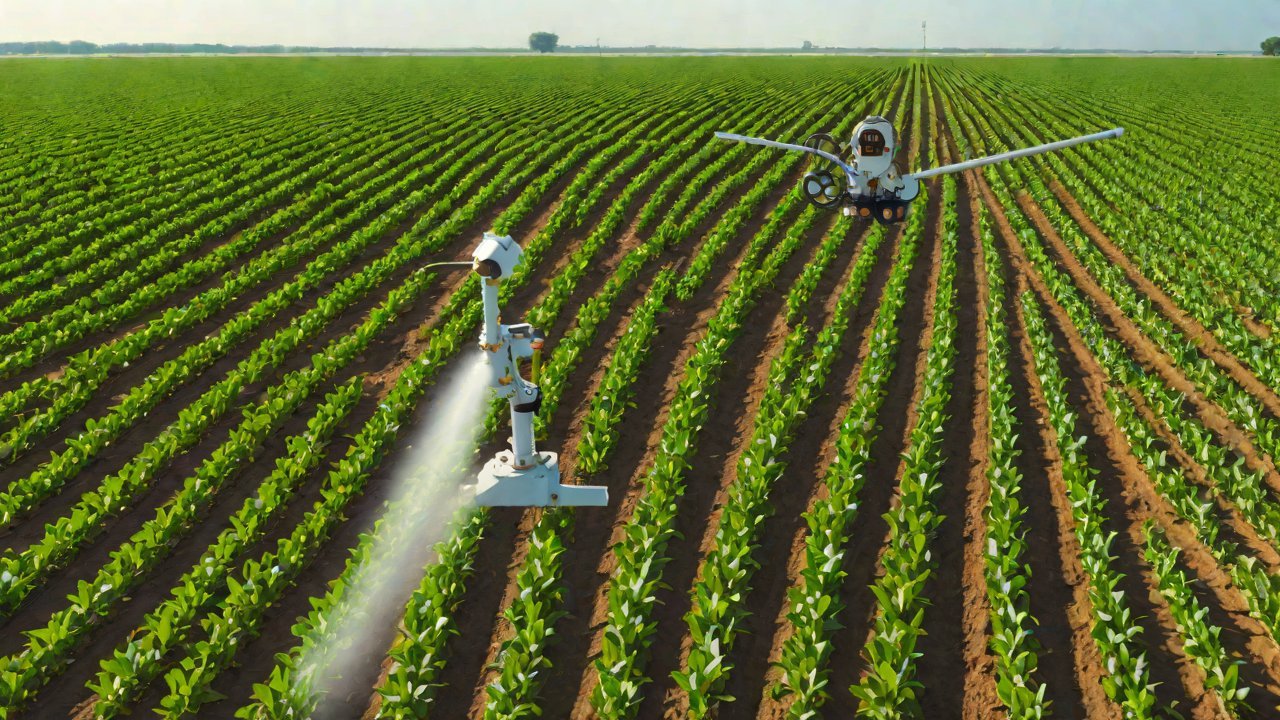
Soil moisture monitoring and measurement are critical components of precision agriculture. Several technologies have emerged in recent years, including soil moisture sensors, satellite-based remote sensing, and drones equipped with sensors. These technologies enable farmers to monitor soil moisture levels in real-time, allowing for data-driven decision-making regarding irrigation schedules. Some of the key soil moisture monitoring technologies include:
| Technology | Description |
|---|---|
| Soil Moisture Sensors | These sensors measure the moisture levels in the soil, providing real-time data to farmers. |
| Satellite-Based Remote Sensing | Satellites equipped with sensors can monitor soil moisture levels over large areas, providing valuable insights for farmers. |
| Drone-Based Sensors | Drones equipped with sensors can monitor soil moisture levels in specific fields, providing detailed data for farmers. |
3. Blockchain-Enabled Soil Moisture Contracts
Blockchain-enabled soil moisture contracts are designed to automate the process of irrigation payments based on soil moisture levels. These contracts use smart contract technology to trigger payment transactions when soil moisture levels reach a predetermined threshold. The key components of a blockchain-enabled soil moisture contract include:
| Component | Description |
|---|---|
| Soil Moisture Data | Real-time soil moisture data is fed into the contract, which is stored on a blockchain. |
| Threshold Levels | Predetermined threshold levels are set for soil moisture, which trigger payment transactions when reached. |
| Payment Terms | Payment terms, including the amount and frequency of payments, are programmed into the contract. |

4. Benefits of Blockchain-Enabled Soil Moisture Contracts
The implementation of blockchain-enabled soil moisture contracts offers several benefits to farmers, including:
| Benefit | Description |
|---|---|
| Improved Efficiency | Automation of irrigation payments reduces the need for manual intervention, improving efficiency. |
| Reduced Costs | Smart contracts eliminate the need for intermediaries, reducing transaction costs. |
| Enhanced Transparency | Blockchain technology provides a transparent and tamper-proof record of payment transactions. |
5. Challenges and Limitations
Despite the potential benefits, there are several challenges and limitations associated with the implementation of blockchain-enabled soil moisture contracts, including:
| Challenge | Description |
|---|---|
| Scalability | The scalability of blockchain technology is still a subject of debate, with concerns regarding the ability to handle large volumes of data. |
| Interoperability | The interoperability of different blockchain platforms and soil moisture monitoring technologies is a significant challenge. |
| Regulatory Frameworks | Regulatory frameworks governing the use of blockchain technology in agriculture are still evolving. |
6. Market Trends and Adoption
The adoption of blockchain-enabled soil moisture contracts is gaining momentum, driven by the need for precision agriculture and the potential to reduce costs and improve efficiency. Some of the key market trends and adoption rates include:
| Trend | Description |
|---|---|
| Increasing Adoption | The adoption of blockchain-enabled soil moisture contracts is increasing, driven by the need for precision agriculture. |
| Growing Investment | Investment in blockchain-based agricultural solutions is growing, driven by the potential for cost savings and improved efficiency. |
| Regulatory Support | Regulatory frameworks are evolving to support the adoption of blockchain technology in agriculture. |
7. Conclusion
The implementation of blockchain-enabled soil moisture contracts has the potential to revolutionize the way irrigation payments are made in agriculture. Automation of payment transactions, improved efficiency, and reduced costs are some of the key benefits associated with this technology. While challenges and limitations exist, the market trends and adoption rates suggest that this technology is gaining momentum. As the agricultural sector continues to evolve, the adoption of blockchain-enabled soil moisture contracts is likely to play a significant role in shaping the future of precision agriculture.
IOT Cloud Platform
IOT Cloud Platform is an IoT portal established by a Chinese IoT company, focusing on technical solutions in the fields of agricultural IoT, industrial IoT, medical IoT, security IoT, military IoT, meteorological IoT, consumer IoT, automotive IoT, commercial IoT, infrastructure IoT, smart warehousing and logistics, smart home, smart city, smart healthcare, smart lighting, etc.
The IoT Cloud Platform blog is a top IoT technology stack, providing technical knowledge on IoT, robotics, artificial intelligence (generative artificial intelligence AIGC), edge computing, AR/VR, cloud computing, quantum computing, blockchain, smart surveillance cameras, drones, RFID tags, gateways, GPS, 3D printing, 4D printing, autonomous driving, etc.