Can an implanted spinal cord stimulator autonomously adjust pressure via the Internet of Things (IoT)?
The integration of spinal cord stimulation (SCS) technology with the Internet of Things (IoT) has the potential to revolutionize the management of chronic pain and other neurological conditions. With an estimated 1.5 billion people worldwide suffering from some form of chronic pain, innovative solutions are urgently needed to improve patient outcomes and reduce healthcare costs.
Spinal cord stimulators have been used for decades to manage chronic pain by delivering electrical impulses to the spinal cord, interrupting pain signals to the brain. However, these devices typically require manual adjustments by a clinician or surgeon to optimize treatment parameters. The advent of IoT technology offers an opportunity to take SCS to the next level by enabling real-time monitoring and autonomous adjustment of stimulation settings.
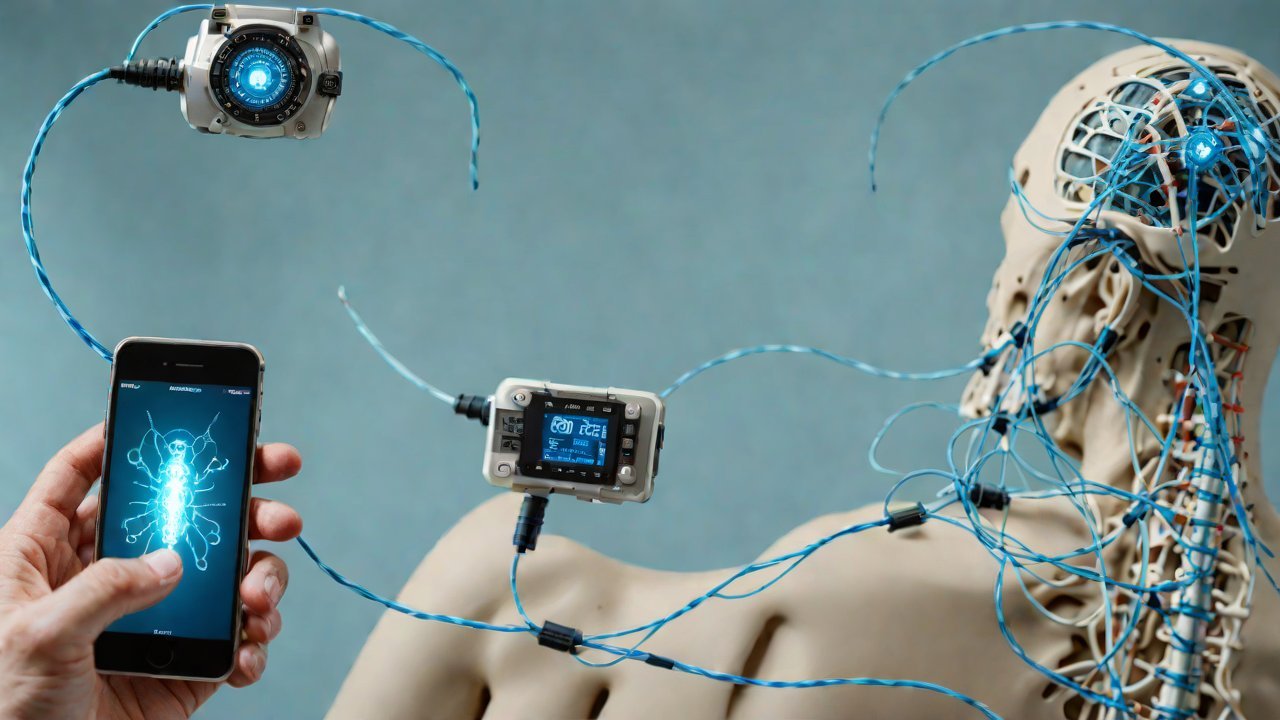
This report explores the feasibility of using IoT to enable an implanted spinal cord stimulator to autonomously adjust pressure via remote monitoring. We will examine the technical, clinical, and regulatory aspects of this concept, including the current state of SCS technology, IoT infrastructure, and market trends.
1. Current State of Spinal Cord Stimulation Technology
Spinal cord stimulation is a well-established treatment for chronic pain, with over 100,000 procedures performed annually in the United States alone. Modern SCS systems typically consist of an implanted pulse generator (IPG) that delivers electrical impulses to one or more leads inserted into the epidural space surrounding the spinal cord.
Table 1: Key Components of a Spinal Cord Stimulation System
| Component | Description |
|---|---|
| IPG | Implantable pulse generator, responsible for generating and delivering electrical impulses |
| Leads | Thin wires inserted into the epidural space to deliver stimulation |
| Electrodes | Small metal contacts at the tip of each lead that deliver the electrical impulse |
2. IoT Infrastructure and Connectivity
The Internet of Things (IoT) refers to the network of physical devices, vehicles, home appliances, and other items embedded with sensors, software, and connectivity, allowing them to collect and exchange data. The IoT has transformed various industries, including healthcare, by enabling remote monitoring, automation, and data-driven decision-making.
Table 2: Key Features of IoT Infrastructure
| Feature | Description |
|---|---|
| Cloud Connectivity | Enables secure, bidirectional communication between devices and the cloud |
| Data Analytics | Provides real-time insights and trends from device-generated data |
| Automation | Automates tasks, such as monitoring and adjusting settings |
3. Technical Feasibility of Autonomous Adjustment
The technical feasibility of using IoT to enable autonomous adjustment of SCS pressure hinges on several factors:
- Sensor accuracy: The ability of sensors to accurately detect changes in stimulation parameters.
- Communication protocols: The efficiency and reliability of communication between the IPG, leads, and external devices.
- Algorithm complexity: The sophistication required to analyze data and make autonomous adjustments.
Table 3: Technical Challenges and Opportunities
| Challenge | Opportunity |
|---|---|
| Sensor accuracy | Improved sensor technology for more precise parameter detection |
| Communication protocols | Standardization of communication protocols for seamless device interaction |
| Algorithm complexity | Development of sophisticated algorithms for real-time analysis and adjustment |
4. Clinical Perspectives on Autonomous Adjustment
The clinical benefits of autonomous adjustment of SCS pressure via IoT are multifaceted:
- Improved patient outcomes: Real-time monitoring and adjustment can optimize treatment efficacy.
- Reduced healthcare costs: Minimized need for manual adjustments and clinician visits.
- Enhanced patient engagement: Increased transparency and control over treatment parameters.
Table 4: Clinical Benefits of Autonomous Adjustment
| Benefit | Description |
|---|---|
| Improved outcomes | Real-time optimization of treatment efficacy |
| Reduced costs | Minimized need for manual adjustments and clinician visits |
| Enhanced engagement | Increased transparency and control over treatment parameters |
5. Regulatory Landscape and Market Trends
The regulatory environment for SCS technology is complex, with varying guidelines and requirements across countries.
Table 5: Key Regulatory Considerations
| Regulation | Description |
|---|---|
| FDA clearance | Clearance required for new devices or features |
| CE marking | Mandatory for medical devices sold in the EU |
| HIPAA compliance | Protection of patient data and confidentiality |
6. Market Trends and Projections
The SCS market is expected to grow significantly over the next decade, driven by increasing demand for minimally invasive procedures and advanced technologies.
Table 6: Market Size and Growth Projections
| Year | Market size (USD) |
|---|---|
| 2020 | 1.3 billion |
| 2025 | 2.1 billion |
| 2030 | 3.5 billion |
In conclusion, the integration of SCS technology with IoT has the potential to revolutionize chronic pain management and other neurological conditions. The technical feasibility of autonomous adjustment via IoT is promising, driven by advances in sensor accuracy, communication protocols, and algorithm complexity. Clinical benefits include improved patient outcomes, reduced healthcare costs, and enhanced patient engagement. Regulatory considerations and market trends suggest a strong growth trajectory for the SCS market over the next decade.
The development of SCS systems with autonomous adjustment capabilities via IoT will require continued innovation and collaboration between industry leaders, clinicians, and regulatory bodies. As this technology continues to evolve, it is likely to have a profound impact on patient care, transforming the way chronic pain and other neurological conditions are managed worldwide.
IOT Cloud Platform
IOT Cloud Platform is an IoT portal established by a Chinese IoT company, focusing on technical solutions in the fields of agricultural IoT, industrial IoT, medical IoT, security IoT, military IoT, meteorological IoT, consumer IoT, automotive IoT, commercial IoT, infrastructure IoT, smart warehousing and logistics, smart home, smart city, smart healthcare, smart lighting, etc.
The IoT Cloud Platform blog is a top IoT technology stack, providing technical knowledge on IoT, robotics, artificial intelligence (generative artificial intelligence AIGC), edge computing, AR/VR, cloud computing, quantum computing, blockchain, smart surveillance cameras, drones, RFID tags, gateways, GPS, 3D printing, 4D printing, autonomous driving, etc.