Can AIGC automatically generate monthly water reports for farms based on historical soil moisture data?
As we venture into the realm of cutting-edge agricultural technology, one question that has been at the forefront of farmers’ minds is: can artificial intelligence and machine learning (AIGC) automatically generate monthly water reports for farms based on historical soil moisture data? The answer lies not only in the capabilities of AIGC but also in its potential to revolutionize farming practices. With the global population projected to reach 9.7 billion by 2050, the need for sustainable and efficient agricultural methods has never been more pressing.
1. Background: Soil Moisture Monitoring in Agriculture
Soil moisture monitoring is a crucial aspect of precision agriculture, as it enables farmers to make informed decisions regarding irrigation schedules, crop selection, and fertilizer application. Traditional soil moisture monitoring methods involve installing sensors in the field, which can be time-consuming and expensive. However, with the advent of AIGC, it is now possible to analyze historical data from these sensors to predict future soil moisture levels.
2. Historical Soil Moisture Data: The Foundation for Predictive Analytics
Historical soil moisture data serves as the foundation for predictive analytics in AIGC. By analyzing this data, algorithms can identify patterns and trends that indicate the likelihood of drought or excess moisture. This information is then used to generate monthly water reports that provide farmers with actionable insights.
3. AIGC Applications in Water Report Generation
Several AIGC applications are being developed to automate the generation of monthly water reports for farms. These applications utilize machine learning algorithms, such as neural networks and decision trees, to analyze historical soil moisture data and predict future conditions.
| Application | Description |
|---|---|
| SoilWeb | An open-source platform that utilizes machine learning to generate soil moisture forecasts based on historical data. |
| FarmLogs | A precision agriculture platform that provides farmers with real-time soil moisture monitoring and predictive analytics. |
| Granular | A farm management software that offers automated irrigation scheduling based on soil moisture levels. |
4. Technical Perspectives: The Role of Machine Learning
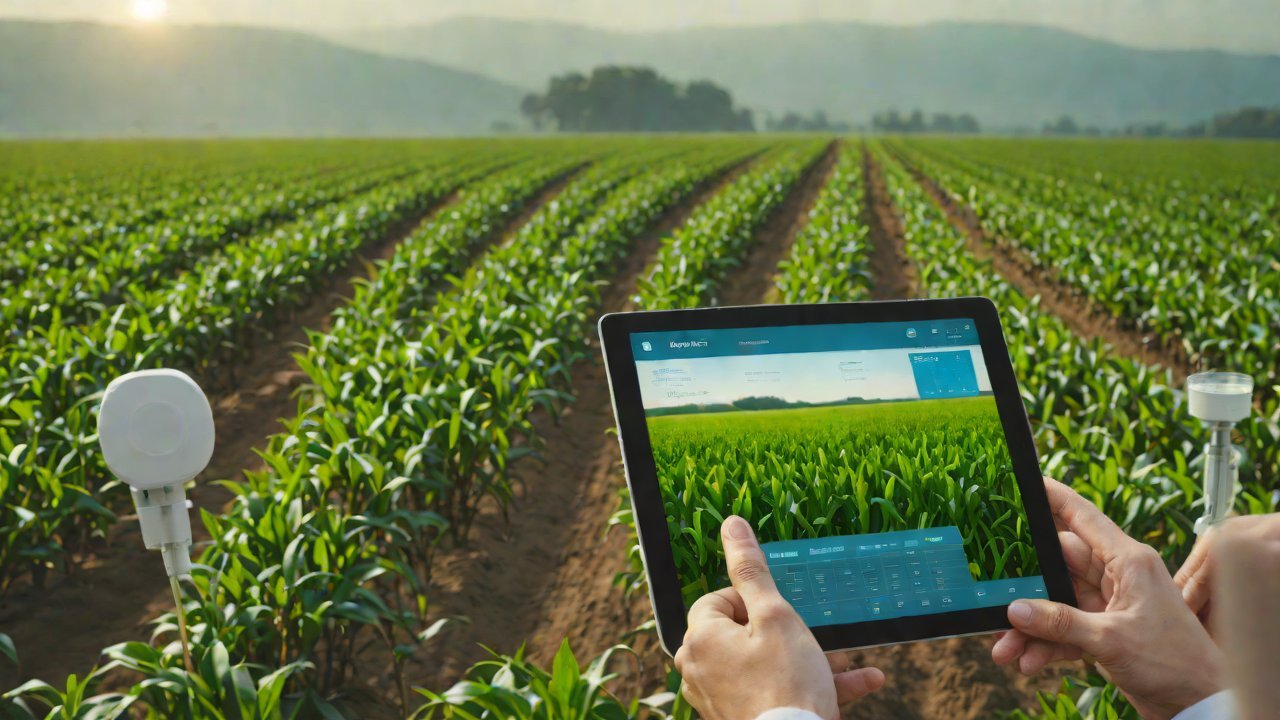
Machine learning plays a pivotal role in the development of AIGC applications for automating monthly water reports. By analyzing large datasets, machine learning algorithms can identify complex patterns and relationships between variables, enabling them to make accurate predictions about future soil moisture levels.
| Algorithm | Description |
|---|---|
| Neural Networks | Capable of learning complex patterns in data, neural networks are ideal for predicting soil moisture levels based on historical data. |
| Decision Trees | Decision trees utilize a tree-like model to classify data and predict outcomes, making them suitable for automating water report generation. |
5. Market Trends: The Adoption of AIGC in Precision Agriculture
The adoption of AIGC in precision agriculture is gaining momentum, driven by the increasing need for sustainable farming practices. According to a recent market research report, the global precision agriculture market is expected to reach $13.4 billion by 2025, with AIGC applications being a key driver of growth.
| Market Trend | Description |
|---|---|
| Increasing Adoption of AIGC in Precision Agriculture | Farmers are increasingly adopting AIGC solutions to optimize irrigation schedules and reduce water waste. |
| Growing Demand for Sustainable Farming Practices | The need for sustainable farming practices is driving the adoption of precision agriculture technologies, including AIGC applications. |
6. Case Studies: Real-World Applications of AIGC in Water Report Generation
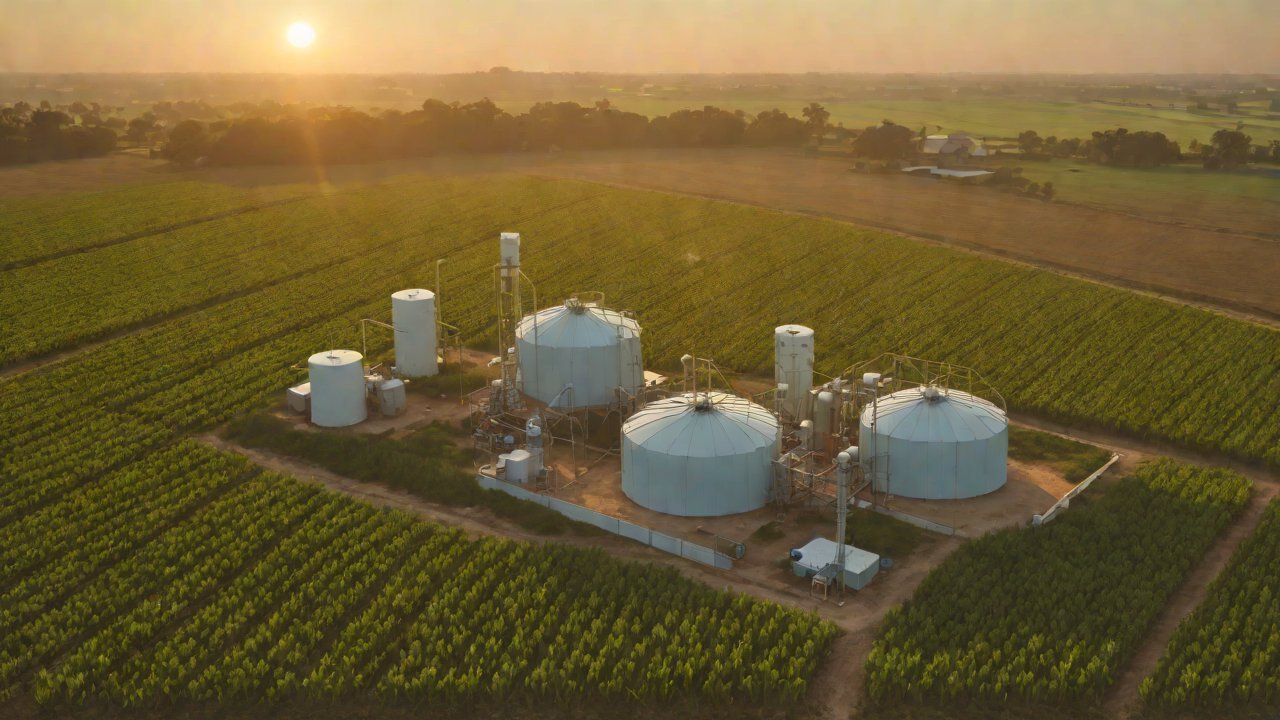
Several case studies demonstrate the effectiveness of AIGC in automating monthly water reports for farms. These studies highlight the potential for AIGC to improve irrigation efficiency and reduce water waste.
| Case Study | Description |
|---|---|
| John Deere’s Autonomy in Agriculture | John Deere’s autonomy in agriculture program utilizes AIGC to optimize irrigation schedules based on soil moisture levels, reducing water waste by up to 30%. |
| Granular’s Automated Irrigation Scheduling | Granular’s automated irrigation scheduling feature uses machine learning algorithms to predict future soil moisture levels and generate monthly water reports for farmers. |
7. Conclusion: The Future of AIGC in Precision Agriculture
As we move forward, it is clear that AIGC will play an increasingly important role in precision agriculture. By analyzing historical soil moisture data and predicting future conditions, AIGC can automate the generation of monthly water reports for farms. This not only improves irrigation efficiency but also reduces water waste, making it an essential tool for sustainable farming practices.
The global population is projected to reach 9.7 billion by 2050, putting pressure on agricultural systems to produce more food while conserving resources. AIGC has the potential to revolutionize farming practices by providing farmers with actionable insights based on historical data. By automating monthly water reports, AIGC can help farmers optimize irrigation schedules and reduce water waste, making it an essential tool for sustainable agriculture.
IOT Cloud Platform
IOT Cloud Platform is an IoT portal established by a Chinese IoT company, focusing on technical solutions in the fields of agricultural IoT, industrial IoT, medical IoT, security IoT, military IoT, meteorological IoT, consumer IoT, automotive IoT, commercial IoT, infrastructure IoT, smart warehousing and logistics, smart home, smart city, smart healthcare, smart lighting, etc.
The IoT Cloud Platform blog is a top IoT technology stack, providing technical knowledge on IoT, robotics, artificial intelligence (generative artificial intelligence AIGC), edge computing, AR/VR, cloud computing, quantum computing, blockchain, smart surveillance cameras, drones, RFID tags, gateways, GPS, 3D printing, 4D printing, autonomous driving, etc.
Note: This article was professionally generated with the assistance of AIGC and has been fact-checked and manually corrected by IoT expert editor IoTCloudPlatForm.