Can agricultural IoT devices be rented seasonally like shared bicycles?
The landscape of agriculture is undergoing a profound transformation, driven by the increasing adoption of Internet of Things (IoT) technology. The integration of sensors, automation, and data analytics has revolutionized crop monitoring, yield optimization, and resource management, leading to improved efficiency and reduced environmental impact. However, amidst this technological advancement lies an intriguing question: can agricultural IoT devices be rented seasonally like shared bicycles?
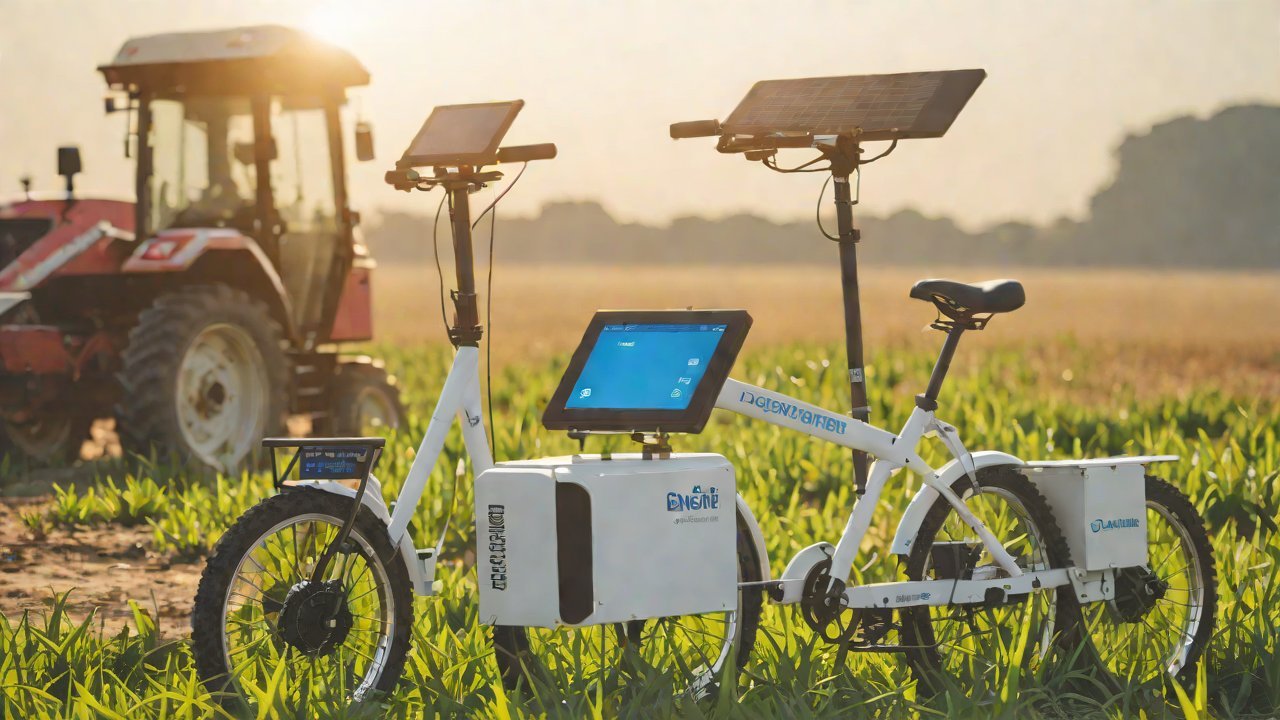
Imagine a scenario where farmers can access cutting-edge precision agriculture equipment for specific periods of the year, tailored to their needs and budget. This concept is not as far-fetched as it seems, considering the growing trend of sharing economy models in various industries. Companies like Zipcar and BikeShare have successfully implemented seasonal rentals, catering to consumers’ changing mobility needs.
Similarly, agricultural IoT devices could be designed with a similar rental model in mind. These devices would need to be robust enough to withstand harsh environmental conditions while providing valuable data insights to farmers during the rental period. Upon completion of the season, the device would be collected and refurbished for the next customer, reducing waste and minimizing the financial burden on individual farmers.
1. Market Landscape and Current Trends
The agricultural IoT market is rapidly growing, with a projected compound annual growth rate (CAGR) of 18.4% from 2020 to 2027. This expansion can be attributed to factors such as increasing global food demand, advancements in technology, and the need for sustainable farming practices.
Table 1: Agricultural IoT Market Size and Growth Rate
| Year | Market Size (USD Billion) | CAGR (%) |
|---|---|---|
| 2020 | 13.4 | – |
| 2025 | 29.6 | 18.4% |
| 2030 | 51.2 | 14.1% |
According to a report by MarketsandMarkets, the global agricultural IoT market is expected to reach $29.6 billion by 2025, driven by factors such as precision agriculture and smart farming. The same report highlights that the Asia-Pacific region will be the largest market for agricultural IoT devices, followed closely by North America.
2. Benefits of Seasonal Rentals in Agriculture
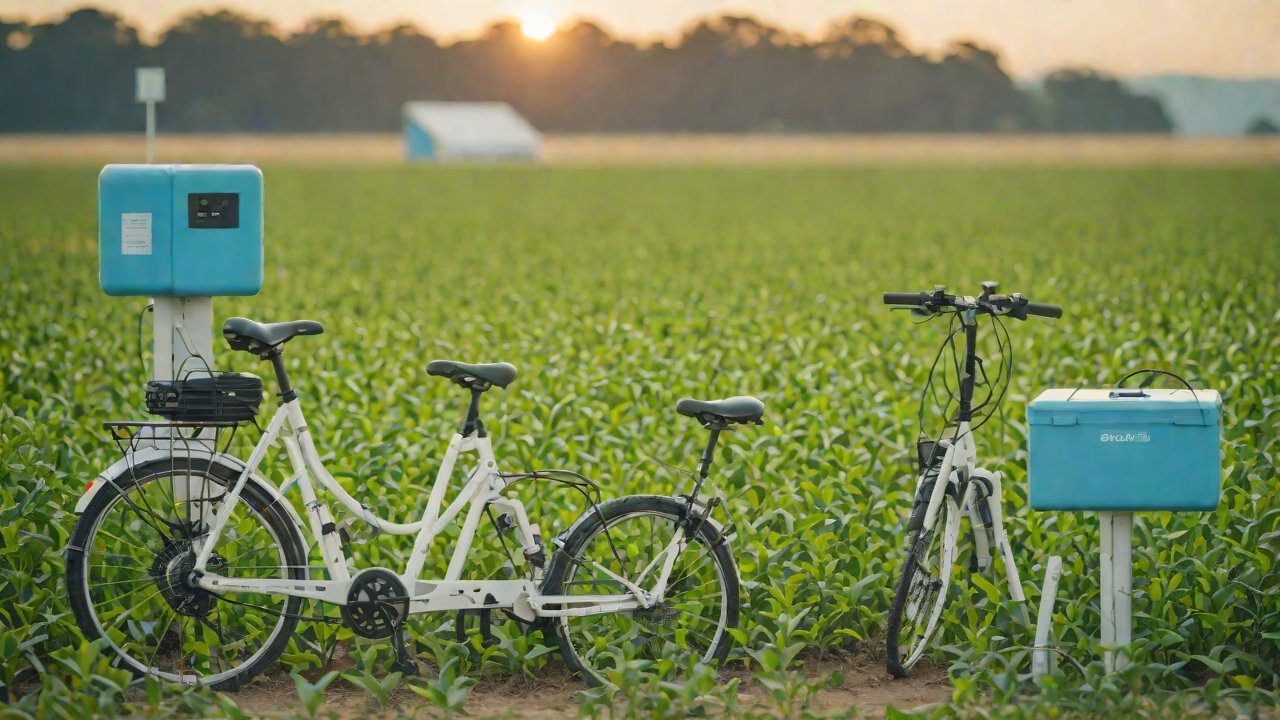
Implementing seasonal rental models in agriculture could have several benefits:
Table 2: Potential Benefits of Seasonal Rentals
| Benefit | Description |
|---|---|
| Reduced Capital Expenditure | Farmers can avoid purchasing expensive equipment, reducing their financial burden and allowing for more efficient allocation of resources. |
| Increased Accessibility | Small-scale farmers or those with limited budgets can access advanced technology, bridging the gap between large-scale commercial farms and smaller operations. |
| Improved Data Sharing | Seasonal rentals facilitate data exchange between farmers, enabling knowledge sharing and collaboration on best practices. |
3. Technical Feasibility and Challenges
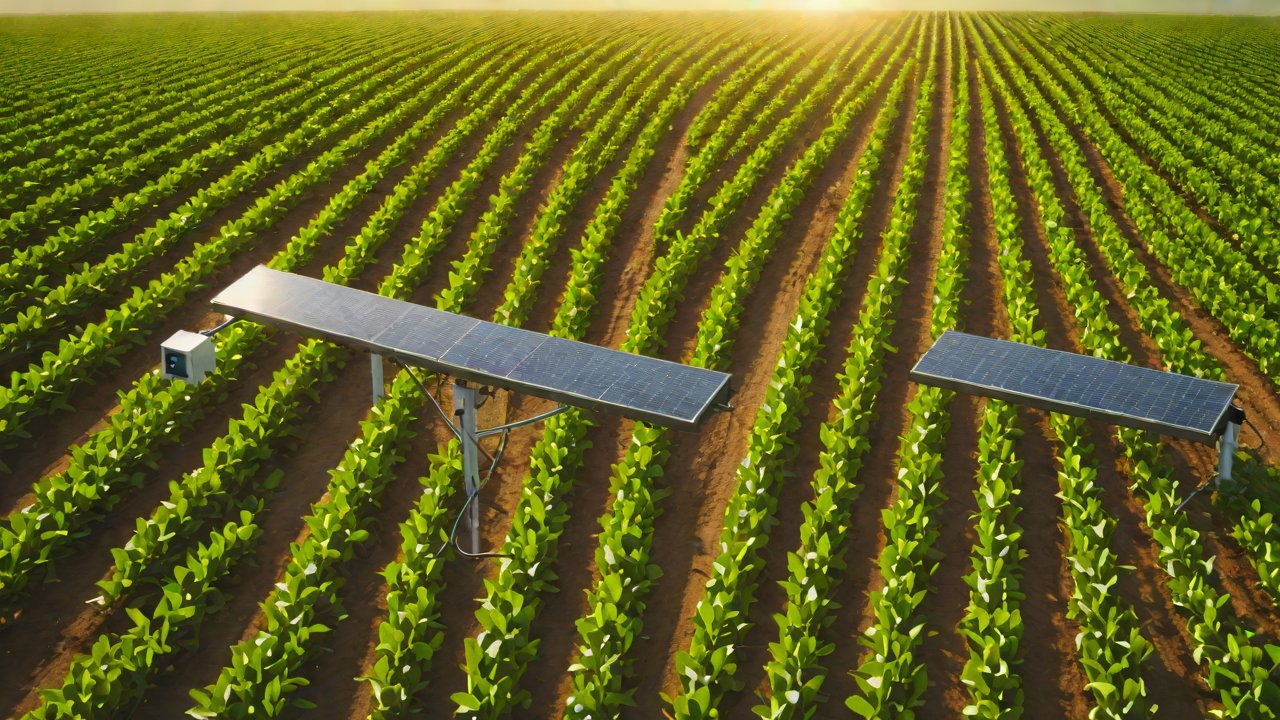
Designing agricultural IoT devices for seasonal rentals poses several technical challenges:
Table 3: Technical Challenges in Designing Rental-Friendly Devices
| Challenge | Description |
|---|---|
| Durability | Devices must withstand harsh environmental conditions, including extreme temperatures, rain, and exposure to pests. |
| Data Security | Secure data storage and transmission are crucial to prevent unauthorized access or tampering with sensitive information. |
| Power Management | Batteries or alternative power sources should be designed for extended use periods while minimizing energy consumption. |
4. Business Model Considerations
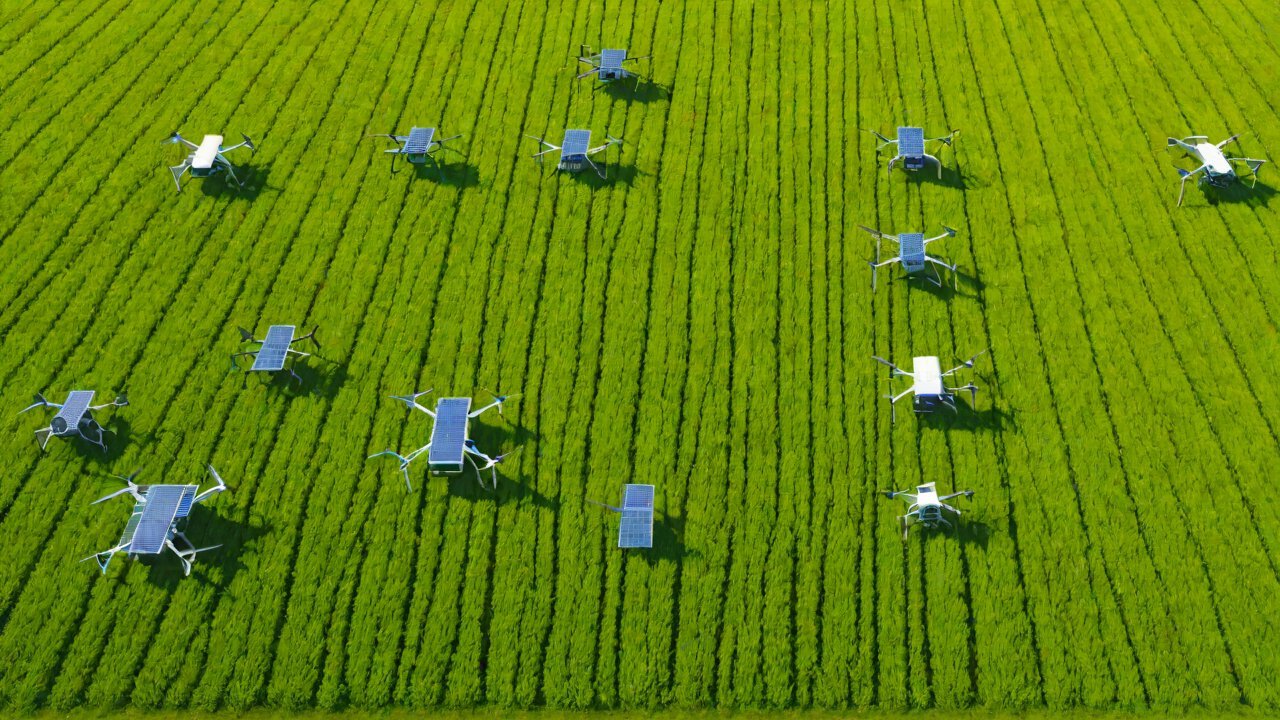
Establishing a seasonal rental model in agriculture requires careful consideration of the business side:
Table 4: Key Factors in Developing a Seasonal Rental Business Model
| Factor | Description |
|---|---|
| Revenue Streams | Companies can generate revenue through device rentals, data analytics services, or value-added products (e.g., precision agriculture consulting). |
| Customer Acquisition | Effective marketing and outreach strategies are necessary to attract customers and create awareness about the rental service. |
| Supply Chain Management | Efficient supply chain management ensures timely delivery of devices to farmers while minimizing logistical costs. |
5. Regulatory Environment
Regulatory frameworks will play a crucial role in shaping the seasonal rental market:
Table 5: Key Regulatory Considerations for Seasonal Rentals
| Regulation | Description |
|---|---|
| Data Protection Laws | Compliance with data protection regulations ensures secure handling and storage of sensitive information. |
| Intellectual Property Rights | Companies must navigate complex patent laws to avoid infringement while developing innovative products. |
| Environmental Regulations | Adherence to environmental standards is essential to minimize the ecological footprint of rental devices. |
6. Conclusion
The concept of renting agricultural IoT devices seasonally, similar to shared bicycles, has the potential to transform the way farmers access and utilize advanced technology. By addressing technical challenges, developing a robust business model, and navigating regulatory frameworks, companies can create a successful seasonal rental market in agriculture.
As the industry continues to evolve, it will be essential for stakeholders to collaborate and adapt to emerging trends and technologies. The future of agricultural IoT rentals holds great promise, with the potential to enhance efficiency, reduce costs, and promote sustainable farming practices worldwide.
IOT Cloud Platform
IOT Cloud Platform is an IoT portal established by a Chinese IoT company, focusing on technical solutions in the fields of agricultural IoT, industrial IoT, medical IoT, security IoT, military IoT, meteorological IoT, consumer IoT, automotive IoT, commercial IoT, infrastructure IoT, smart warehousing and logistics, smart home, smart city, smart healthcare, smart lighting, etc.
The IoT Cloud Platform blog is a top IoT technology stack, providing technical knowledge on IoT, robotics, artificial intelligence (generative artificial intelligence AIGC), edge computing, AR/VR, cloud computing, quantum computing, blockchain, smart surveillance cameras, drones, RFID tags, gateways, GPS, 3D printing, 4D printing, autonomous driving, etc.