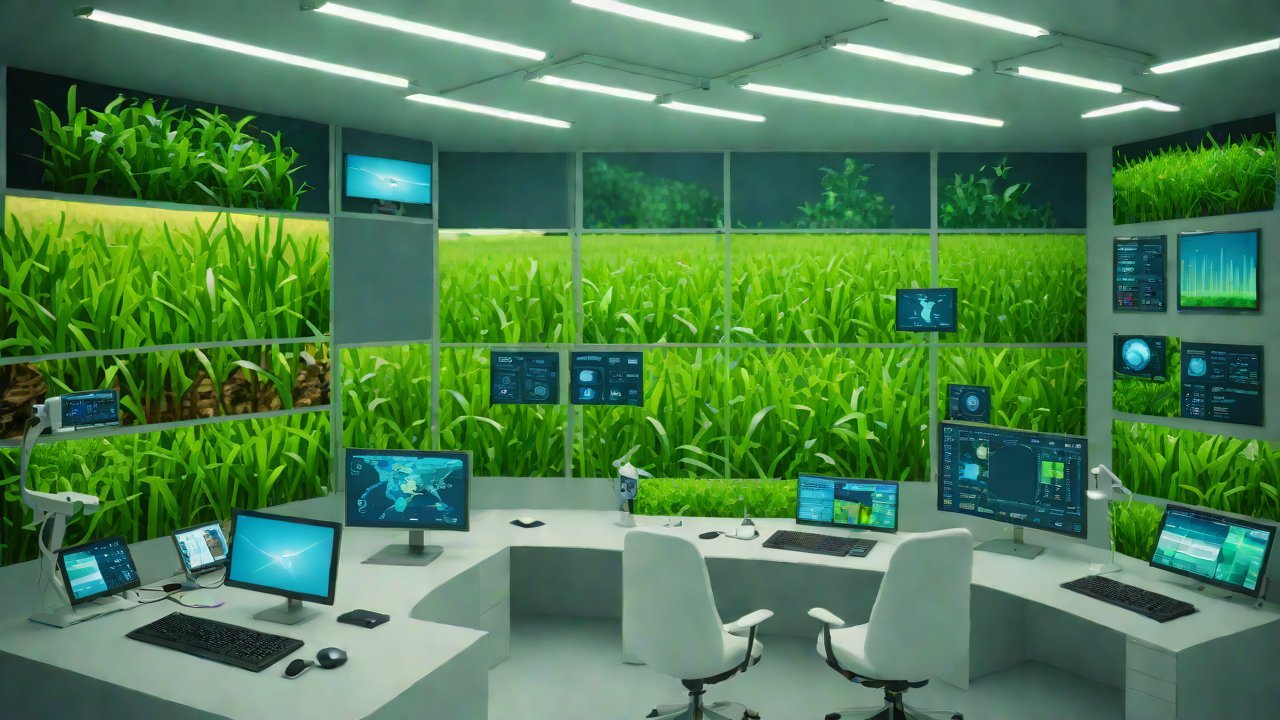
Can a virtual control room based on a crop growth model achieve unattended operation?
As the world grapples with the challenges of sustainable food production, climate change, and dwindling water resources, the concept of a virtual control room (VCR) based on a crop growth model has emerged as a promising solution. By leveraging advanced analytics, artificial intelligence (AI), and machine learning (ML), a VCR can potentially monitor and control crop growth in real-time, optimizing yields while minimizing environmental impact. However, the question remains: can a VCR achieve unattended operation, where it can monitor and control crop growth without human intervention?
1. Background and Context
The global demand for food is expected to increase by 60% by 2050, putting pressure on farmers to produce more with less. Climate change, soil degradation, and water scarcity are further exacerbating these challenges. In this context, precision agriculture has emerged as a key strategy for improving crop yields while reducing environmental impact. Precision agriculture involves using advanced technologies, such as drones, satellite imaging, and sensors, to collect data on crop growth and soil conditions. This data is then analyzed using AI and ML algorithms to inform decision-making and optimize crop management.
2. Virtual Control Room (VCR) Concept
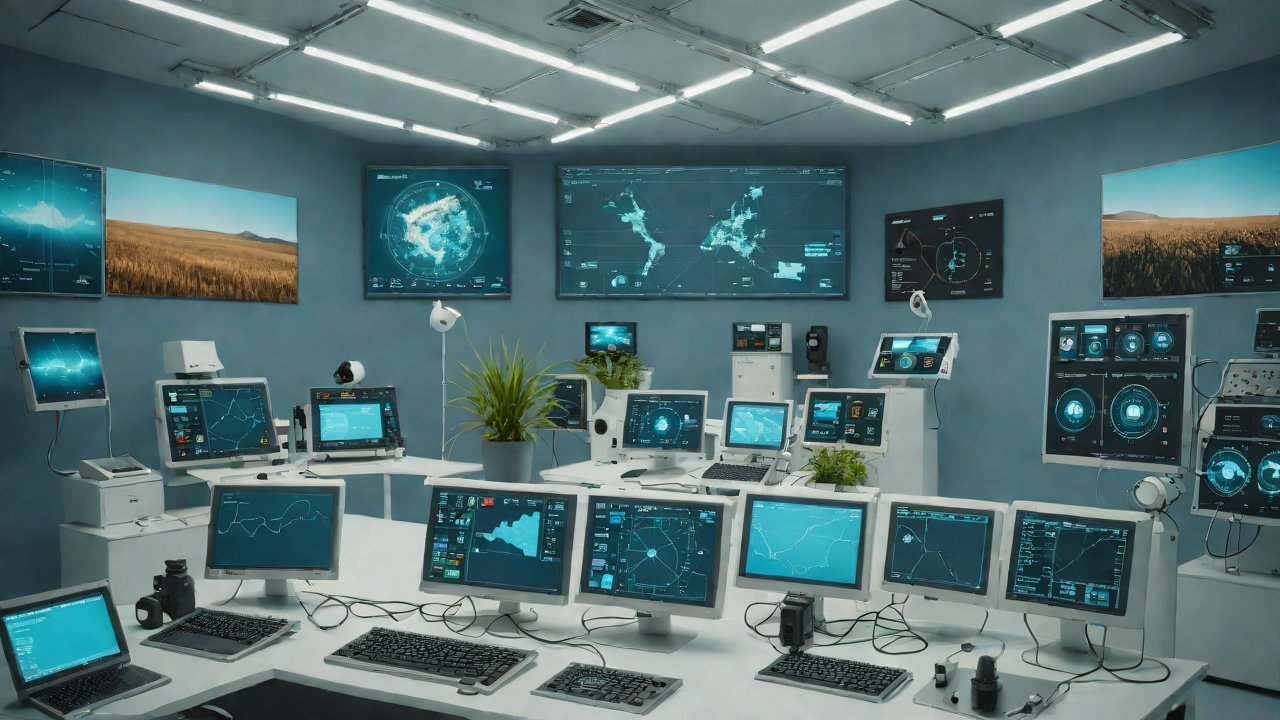
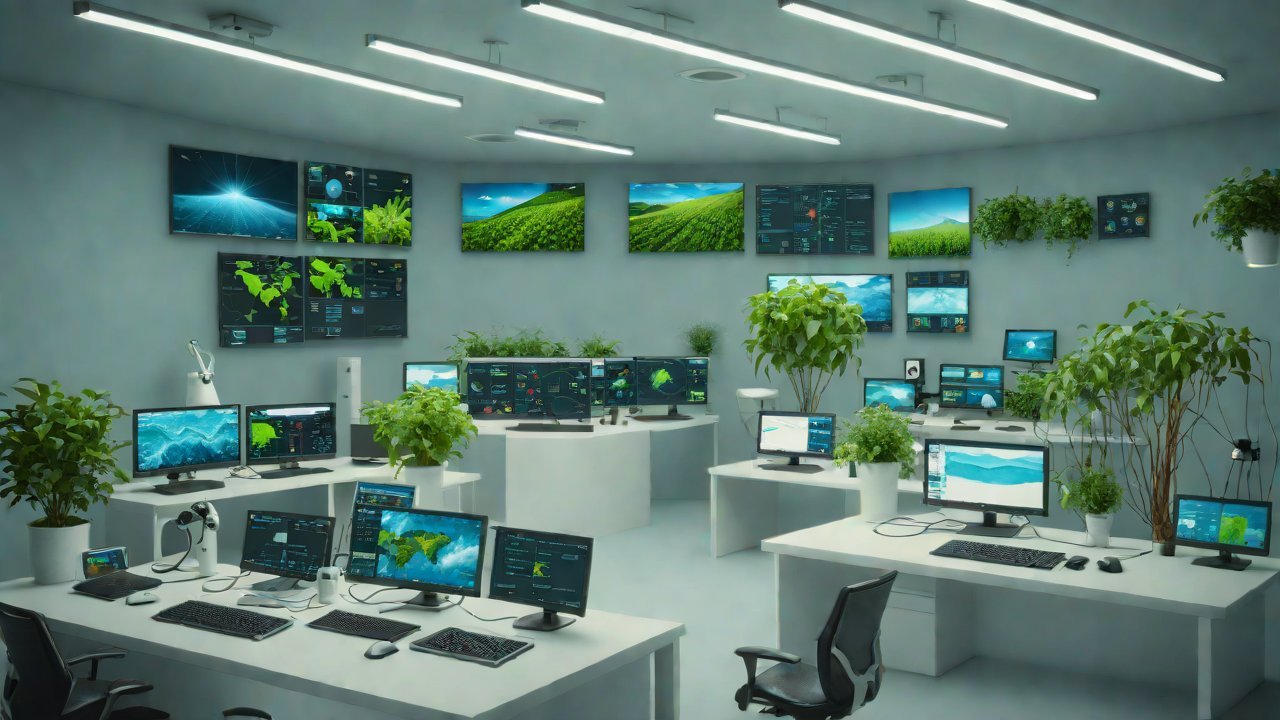
A VCR is a software-based platform that integrates data from various sources, including sensors, drones, and satellite imaging, to provide a real-time view of crop growth and soil conditions. The VCR uses AI and ML algorithms to analyze this data and provide insights on crop health, growth rates, and yield potential. By leveraging these insights, farmers can make data-driven decisions on irrigation, fertilization, and pest management, leading to improved crop yields and reduced environmental impact.
3. Crop Growth Model
A crop growth model is a mathematical representation of the physiological processes that govern plant growth. These models can simulate various factors, such as temperature, moisture, and nutrient availability, to predict crop growth and yield potential. By integrating these models with real-time data from sensors and other sources, a VCR can provide a highly accurate and detailed view of crop growth and development.
4. Key Components of a VCR
A VCR typically consists of the following key components:
| Component | Description |
|---|---|
| Data Integration | Integrates data from various sources, including sensors, drones, and satellite imaging |
| AI/ML Engine | Analyzes data using AI and ML algorithms to provide insights on crop growth and yield potential |
| User Interface | Provides a user-friendly interface for farmers to access data and insights, and make decisions |
| Automation Engine | Automates decision-making and control actions, such as irrigation and fertilization |
5. Achieving Unattended Operation
Achieving unattended operation in a VCR requires the development of autonomous decision-making capabilities, where the system can make decisions without human intervention. This can be achieved through the following strategies:
- Predictive Analytics: Using AI and ML algorithms to predict crop growth and yield potential, allowing the system to make decisions on irrigation and fertilization in advance.
- Real-time Monitoring: Continuously monitoring crop growth and soil conditions in real-time, allowing the system to respond quickly to changes and make adjustments as needed.
- Autonomous Decision-Making: Using AI and ML algorithms to make autonomous decisions on control actions, such as irrigation and fertilization.
- Integration with IoT Devices: Integrating with IoT devices, such as sensors and drones, to provide real-time data and enable autonomous decision-making.
6. Market Trends and Opportunities
The market for VCRs is expected to grow rapidly in the coming years, driven by the increasing adoption of precision agriculture and the need for sustainable food production. Key trends and opportunities include:
- Increased Adoption of Precision Agriculture: The increasing adoption of precision agriculture is driving demand for VCRs, which can provide real-time data and insights on crop growth and yield potential.
- Growing Demand for Sustainable Food Production: The growing demand for sustainable food production is driving innovation in VCRs, which can provide insights on crop growth and yield potential while minimizing environmental impact.
- Advances in AI and ML: Advances in AI and ML are enabling the development of more sophisticated VCRs, which can provide real-time data and insights on crop growth and yield potential.
7. Challenges and Limitations
While VCRs have the potential to revolutionize crop management, there are several challenges and limitations to consider:
- Data Quality and Availability: The quality and availability of data are critical to the effectiveness of a VCR. Poor data quality or limited data availability can compromise the accuracy of insights and decision-making.
- Complexity of Crop Growth Models: Crop growth models can be complex and difficult to interpret, requiring specialized expertise to develop and implement.
- Integration with Existing Systems: Integrating VCRs with existing systems, such as farm management software and sensors, can be challenging and require significant investment.
8. Conclusion
In conclusion, a VCR based on a crop growth model has the potential to achieve unattended operation, where it can monitor and control crop growth without human intervention. However, achieving this requires the development of autonomous decision-making capabilities, which can be achieved through predictive analytics, real-time monitoring, autonomous decision-making, and integration with IoT devices. While there are several challenges and limitations to consider, the market for VCRs is expected to grow rapidly in the coming years, driven by the increasing adoption of precision agriculture and the need for sustainable food production.
IOT Cloud Platform
IOT Cloud Platform is an IoT portal established by a Chinese IoT company, focusing on technical solutions in the fields of agricultural IoT, industrial IoT, medical IoT, security IoT, military IoT, meteorological IoT, consumer IoT, automotive IoT, commercial IoT, infrastructure IoT, smart warehousing and logistics, smart home, smart city, smart healthcare, smart lighting, etc.
The IoT Cloud Platform blog is a top IoT technology stack, providing technical knowledge on IoT, robotics, artificial intelligence (generative artificial intelligence AIGC), edge computing, AR/VR, cloud computing, quantum computing, blockchain, smart surveillance cameras, drones, RFID tags, gateways, GPS, 3D printing, 4D printing, autonomous driving, etc.



