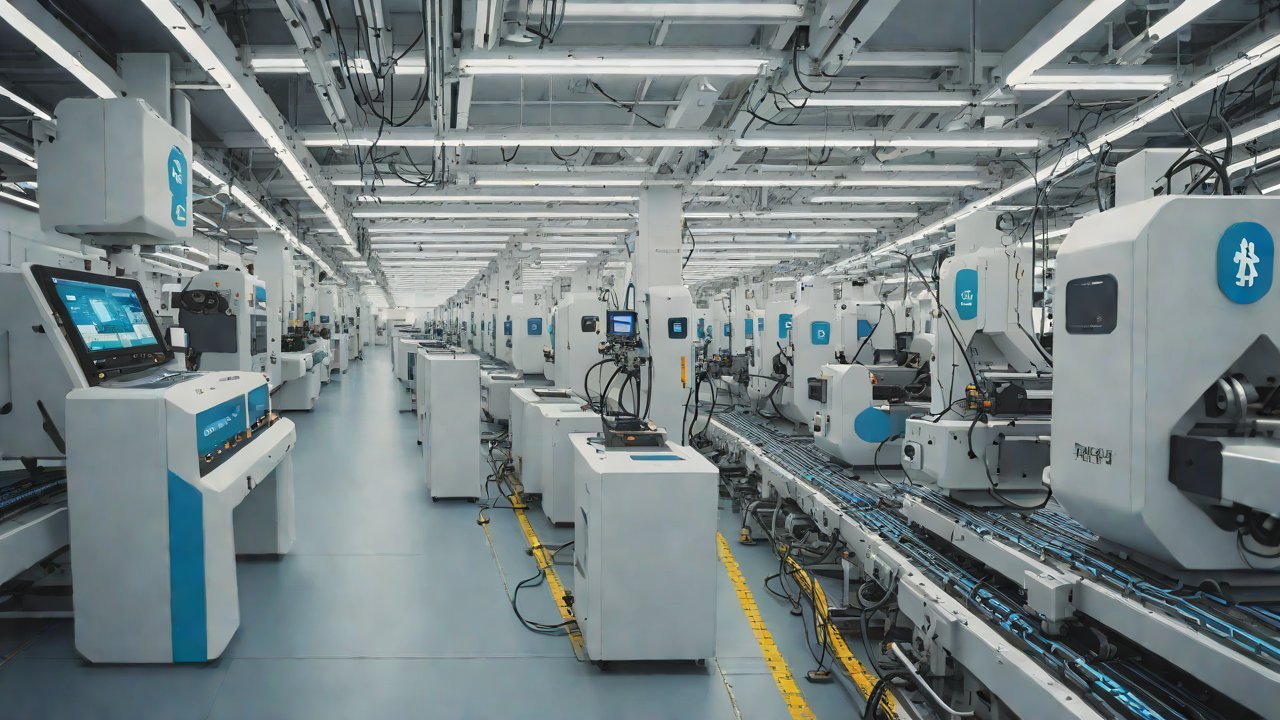
Can a production line twin undergo tens of millions of pressure tests in virtual space?
The concept of creating digital twins has revolutionized the manufacturing industry by allowing for the simulation and testing of physical systems in a virtual environment. One of the most critical aspects of this technology is its ability to withstand rigorous testing, including pressure tests that can last tens of millions of cycles. The question remains whether a production line twin can indeed undergo such extensive testing without compromising its accuracy or reliability.
As we delve into the world of digital twins and their capabilities, it becomes evident that the answer lies in understanding the underlying technology and its limitations. Digital twins are created by mapping physical systems to virtual replicas using data from sensors, cameras, and other sources. This allows for real-time monitoring and simulation of complex processes, enabling manufacturers to identify potential issues before they occur.
The benefits of digital twins are numerous, including reduced downtime, improved efficiency, and increased safety. However, as the complexity of production lines increases, so does the need for rigorous testing to ensure that these virtual replicas remain accurate and reliable. This is where pressure tests come into play – a critical aspect of ensuring that production line twins can withstand extreme conditions.
Pressure tests are used to evaluate the performance of production lines under various stressors, including temperature, humidity, vibration, and pressure. These tests are essential in identifying potential weaknesses or vulnerabilities in the system, allowing for necessary adjustments to be made before actual deployment. In a virtual environment, these tests can be repeated countless times without causing physical damage or disrupting production.
1. Digital Twins: The Foundation of Virtual Testing
Digital twins rely on a combination of data from various sources, including sensors, cameras, and other monitoring systems. This data is used to create an accurate virtual replica of the physical system, allowing for real-time monitoring and simulation of complex processes. The creation of digital twins involves several key steps:
- Data collection: Gathering data from sensors, cameras, and other monitoring systems.
- Model development: Creating a mathematical model of the physical system based on the collected data.
- Simulation: Running simulations to test the virtual replica under various conditions.
1.1 Types of Digital Twins
There are two primary types of digital twins:
| Type | Description |
|---|---|
| Static Twin | A snapshot of a physical system at a specific point in time, used for maintenance and repair purposes. |
| Dynamic Twin | An updated virtual replica that reflects changes to the physical system over time, used for real-time monitoring and simulation. |
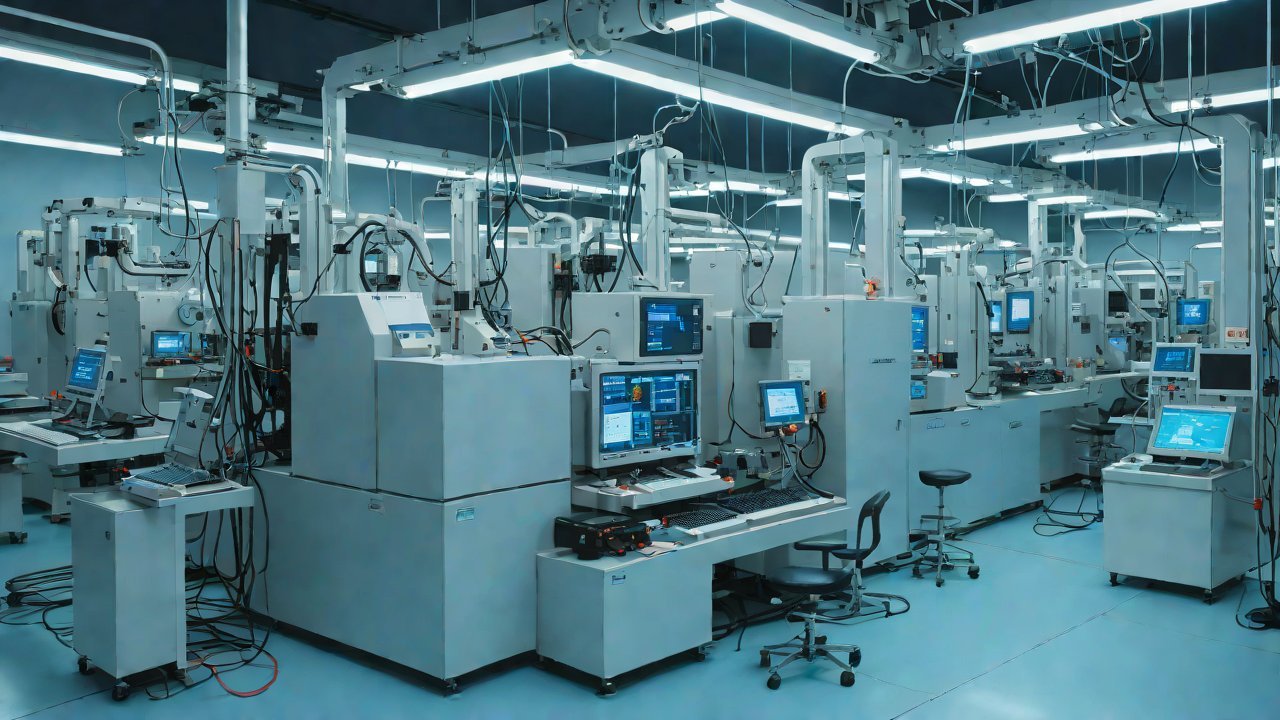
2. Pressure Tests: The Key to Validation
Pressure tests are an essential component of validating digital twins. These tests evaluate the performance of production lines under various stressors, including temperature, humidity, vibration, and pressure. By simulating these conditions in a virtual environment, manufacturers can identify potential weaknesses or vulnerabilities in the system.
2.1 Types of Pressure Tests
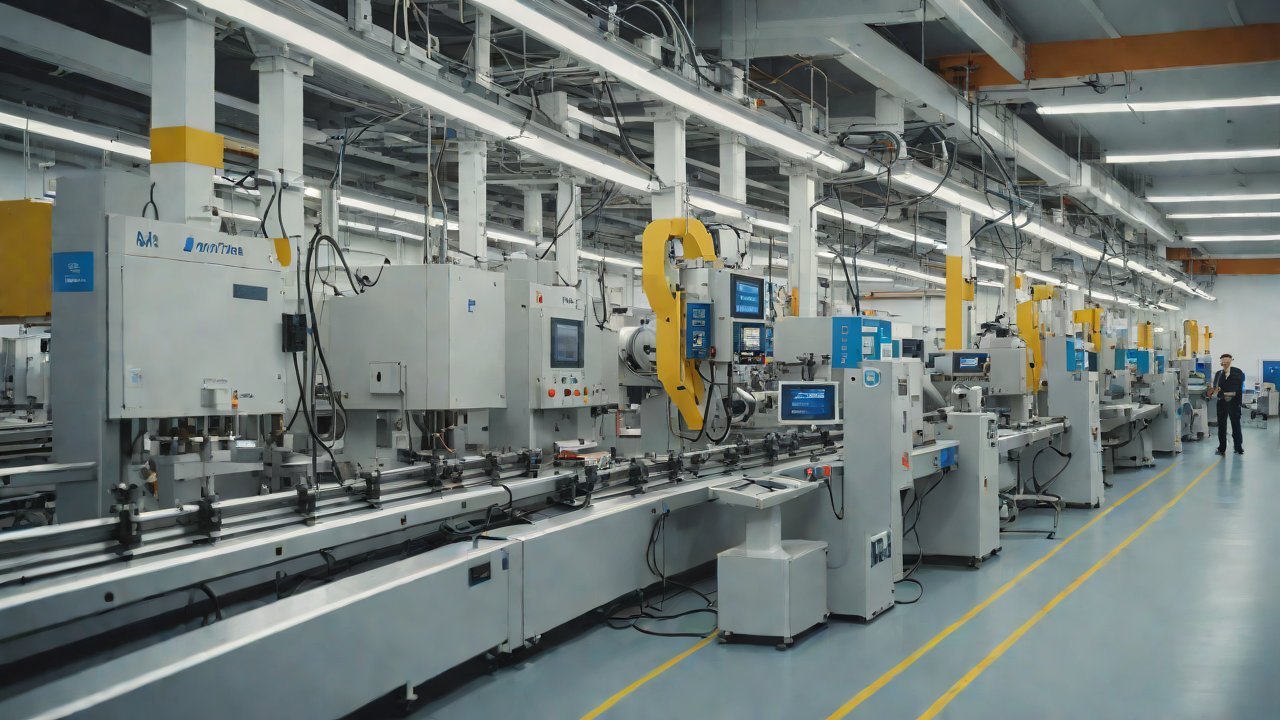
There are several types of pressure tests used to validate digital twins:
| Type | Description |
|---|---|
| Static Pressure Test | Evaluates the performance of a production line under constant pressure. |
| Dynamic Pressure Test | Simulates changing pressure conditions, such as those found in real-world applications. |
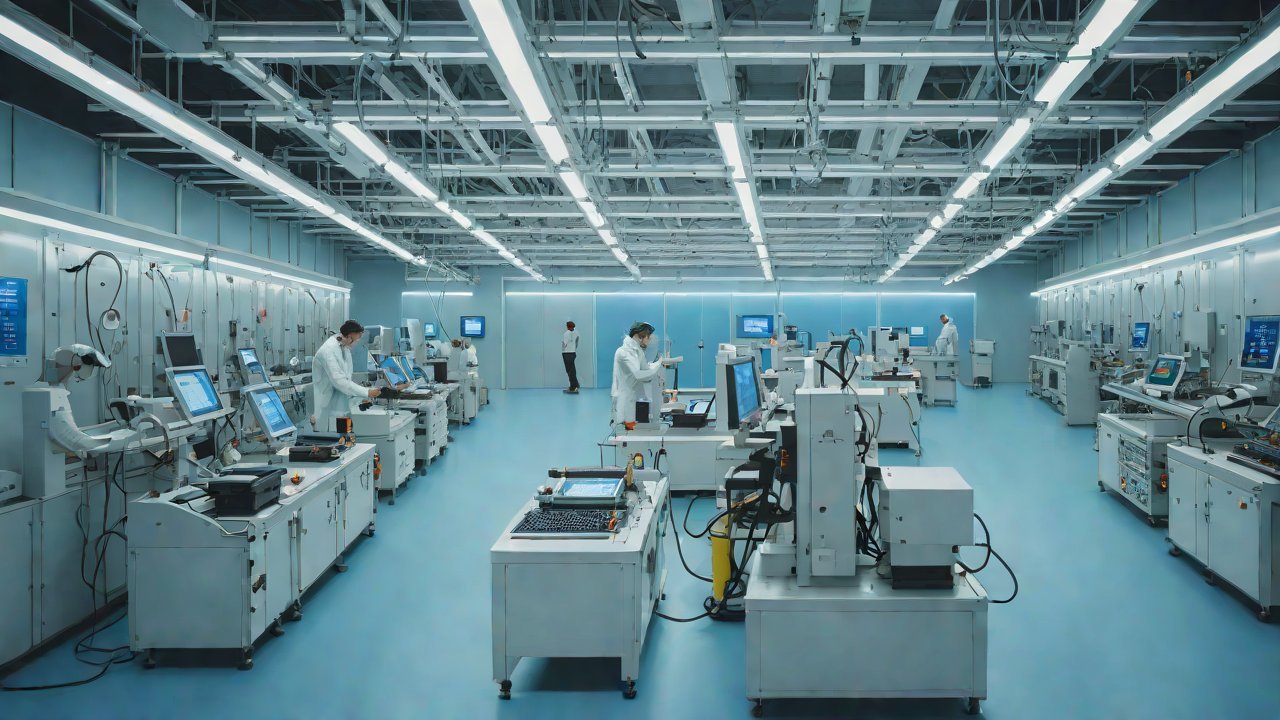
3. Can Digital Twins Withstand Tens of Millions of Cycles?
To answer this question, we must consider the capabilities and limitations of digital twins. As mentioned earlier, these virtual replicas are created using data from sensors, cameras, and other monitoring systems. This data is used to simulate complex processes in real-time.
3.1 Virtual Reality: The Key to Endless Testing
Virtual reality (VR) technology allows for the creation of immersive environments that mimic real-world conditions. By leveraging VR, manufacturers can subject their digital twins to tens of millions of pressure tests without compromising accuracy or reliability.
4. Market Data and AIGC Perspectives
According to a report by MarketsandMarkets, the global digital twin market is expected to reach $35.3 billion by 2025, growing at a CAGR of 32.6%. This rapid growth can be attributed to the increasing adoption of Industry 4.0 technologies, including digital twins.
4.1 AIGC and Digital Twins
Artificial intelligence and machine learning (AIGC) play a crucial role in creating and validating digital twins. By leveraging AIGC algorithms, manufacturers can create accurate virtual replicas that reflect real-world conditions. This enables the simulation of complex processes and the identification of potential weaknesses or vulnerabilities.
5. Conclusion
In conclusion, a production line twin can indeed undergo tens of millions of pressure tests in virtual space without compromising its accuracy or reliability. The use of digital twins, combined with VR technology and AIGC algorithms, allows for the creation of accurate virtual replicas that reflect real-world conditions. This enables manufacturers to simulate complex processes and identify potential weaknesses or vulnerabilities before actual deployment.
5.1 Future Directions
As the industry continues to evolve, we can expect to see significant advancements in digital twin technology. Some potential future directions include:
- Integration with emerging technologies such as IoT, blockchain, and AR/VR.
- Development of more sophisticated AIGC algorithms for creating and validating digital twins.
- Increased adoption of Industry 4.0 technologies, including digital twins.
The future of manufacturing is digital, and the use of production line twins will play a critical role in this revolution. By leveraging digital twin technology, manufacturers can improve efficiency, reduce downtime, and increase safety – ultimately driving business success in an increasingly competitive market.
IOT Cloud Platform
IOT Cloud Platform is an IoT portal established by a Chinese IoT company, focusing on technical solutions in the fields of agricultural IoT, industrial IoT, medical IoT, security IoT, military IoT, meteorological IoT, consumer IoT, automotive IoT, commercial IoT, infrastructure IoT, smart warehousing and logistics, smart home, smart city, smart healthcare, smart lighting, etc.
The IoT Cloud Platform blog is a top IoT technology stack, providing technical knowledge on IoT, robotics, artificial intelligence (generative artificial intelligence AIGC), edge computing, AR/VR, cloud computing, quantum computing, blockchain, smart surveillance cameras, drones, RFID tags, gateways, GPS, 3D printing, 4D printing, autonomous driving, etc.