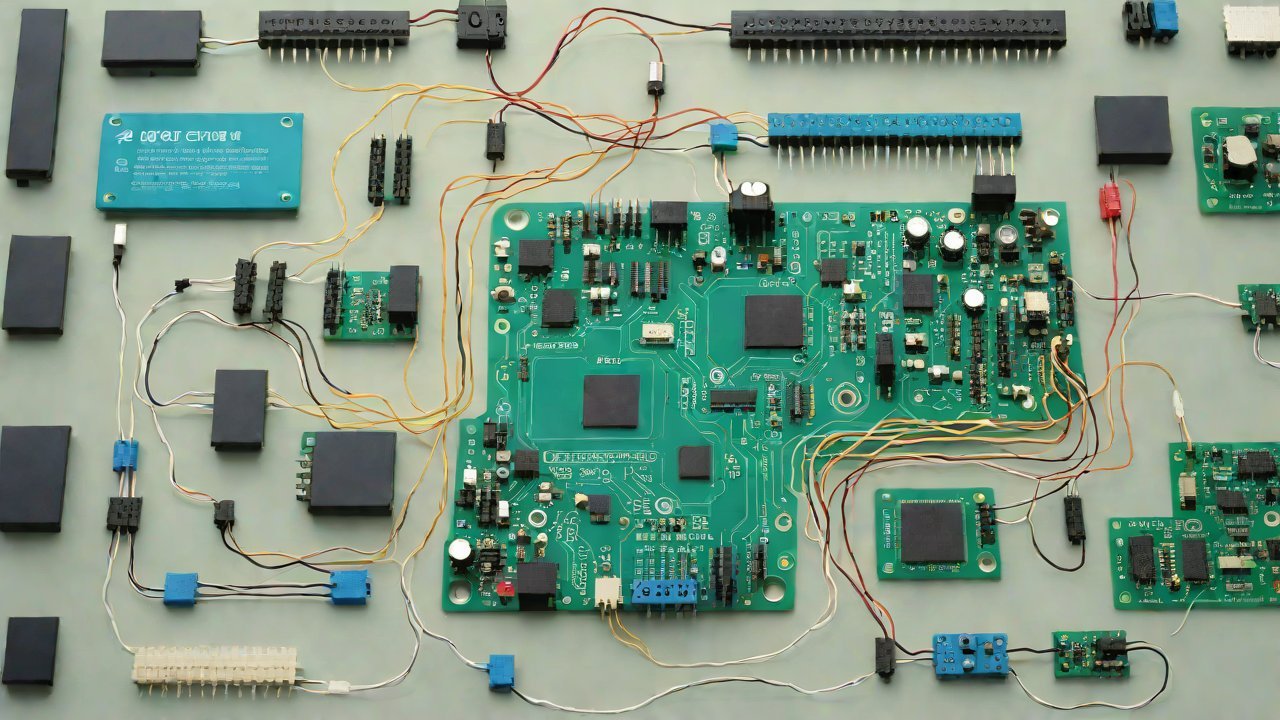
Brief Introduction to the Basic Principles and Structure of SPI Interface
The Serial Peripheral Interface (SPI) is a synchronous serial communication interface that has been widely used in various electronic devices, including microcontrollers, digital signal processors, and embedded systems. It is a popular choice for communication between devices due to its simplicity, flexibility, and high-speed data transfer capabilities. SPI is a master-slave protocol, where one device acts as the master and controls the communication, while the other devices act as slaves and respond to the master’s commands.
1. SPI Interface Basics
SPI is a synchronous communication protocol, which means that the data transfer is synchronized by a clock signal. The clock signal is generated by the master device and is used to synchronize the data transfer between the master and slave devices. The SPI interface consists of four main lines: SCLK (clock), MOSI (master out-slave in), MISO (master in-slave out), and SS (slave select).
| SCLK | MOSI | MISO | SS | |
|---|---|---|---|---|
| Master | ||||
| Slave |
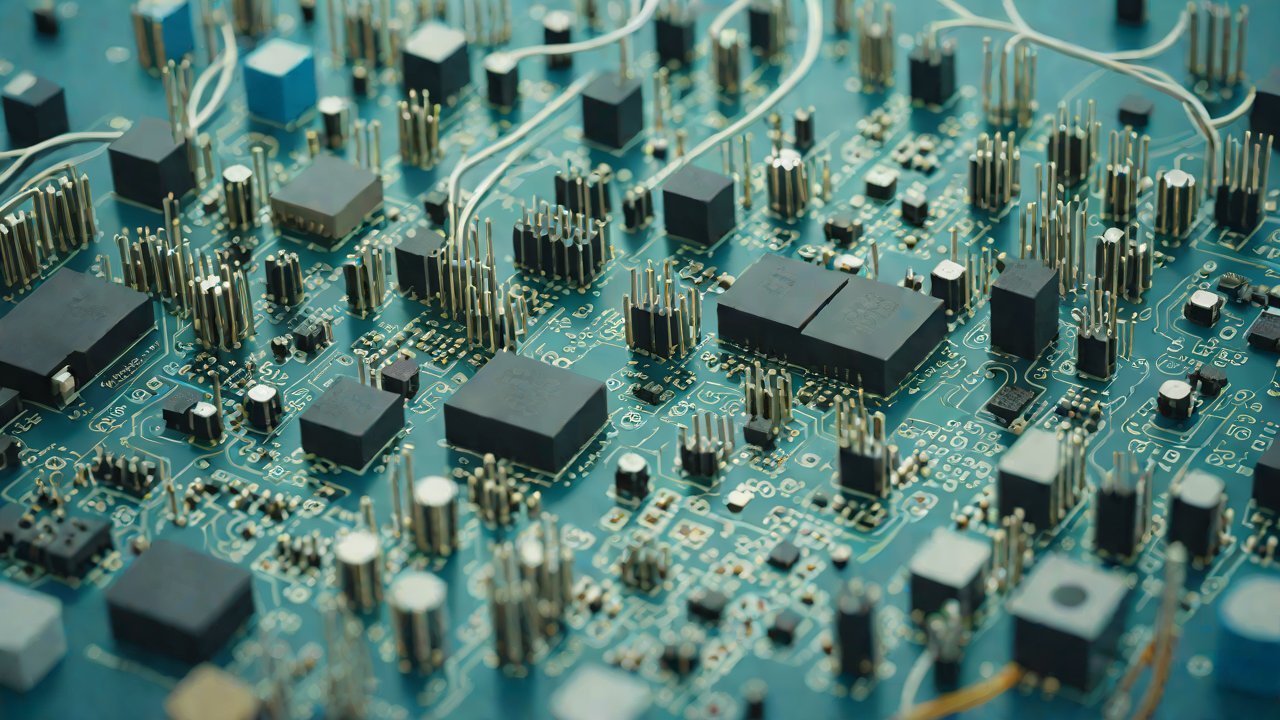
The SCLK line is used to transmit the clock signal, while the MOSI line is used to transmit data from the master to the slave. The MISO line is used to transmit data from the slave to the master. The SS line is used to select the slave device and is typically active low.
2. SPI Modes
SPI can operate in four different modes, each with a different clock polarity and phase. The modes are defined as follows:
2.1 Mode 0
In Mode 0, the clock polarity is low, and the clock phase is also low. This means that the clock signal is low when the data is transmitted.
2.2 Mode 1
In Mode 1, the clock polarity is high, and the clock phase is also high. This means that the clock signal is high when the data is transmitted.
2.3 Mode 2
In Mode 2, the clock polarity is low, and the clock phase is high. This means that the clock signal is low when the data is received.
2.4 Mode 3
In Mode 3, the clock polarity is high, and the clock phase is low. This means that the clock signal is high when the data is received.
| Mode | Clock Polarity | Clock Phase |
|---|---|---|
| 0 | Low | Low |
| 1 | High | High |
| 2 | Low | High |
| 3 | High | Low |
3. SPI Transfer Types
SPI supports two types of data transfer: byte transfer and frame transfer.
3.1 Byte Transfer

In byte transfer, a single byte of data is transferred between the master and slave devices. The byte is transmitted in a single clock cycle, and the clock signal is used to synchronize the data transfer.
3.2 Frame Transfer
In frame transfer, a frame of data is transferred between the master and slave devices. A frame consists of a header, a payload, and a footer. The header and footer are used to identify the frame and ensure its integrity, while the payload contains the actual data.
4. SPI Interface Applications
SPI is widely used in various applications, including:
- Microcontrollers: SPI is used to communicate with external devices, such as memory chips and sensors.
- Digital signal processors: SPI is used to communicate with external devices, such as memory chips and peripherals.
- Embedded systems: SPI is used to communicate between devices in an embedded system.
- Wireless communication: SPI is used in wireless communication systems, such as Bluetooth and Wi-Fi.
5. SPI Interface Advantages
SPI has several advantages, including:
- High-speed data transfer: SPI can transfer data at speeds of up to 50 MHz.
- Low power consumption: SPI requires low power consumption, making it suitable for battery-powered devices.
- Simple implementation: SPI is a simple protocol to implement, requiring only four lines of communication.
- Flexible: SPI can be used in various applications, including microcontrollers, digital signal processors, and embedded systems.
6. SPI Interface Limitations
SPI has several limitations, including:
- Limited range: SPI has a limited range, typically up to 10 meters.
- Interference: SPI is prone to electromagnetic interference, which can affect its performance.
- Complexity: While SPI is simple to implement, it can be complex to manage, especially in high-speed applications.
7. Conclusion
In conclusion, SPI is a widely used synchronous serial communication interface that has several advantages, including high-speed data transfer, low power consumption, simple implementation, and flexibility. However, it also has several limitations, including limited range, susceptibility to interference, and complexity in high-speed applications. Overall, SPI is a popular choice for communication between devices in various applications, including microcontrollers, digital signal processors, and embedded systems.
IOT Cloud Platform
IOT Cloud Platform is an IoT portal established by a Chinese IoT company, focusing on technical solutions in the fields of agricultural IoT, industrial IoT, medical IoT, security IoT, military IoT, meteorological IoT, consumer IoT, automotive IoT, commercial IoT, infrastructure IoT, smart warehousing and logistics, smart home, smart city, smart healthcare, smart lighting, etc.
The IoT Cloud Platform blog is a top IoT technology stack, providing technical knowledge on IoT, robotics, artificial intelligence (generative artificial intelligence AIGC), edge computing, AR/VR, cloud computing, quantum computing, blockchain, smart surveillance cameras, drones, RFID tags, gateways, GPS, 3D printing, 4D printing, autonomous driving, etc.



