Biogas installation companies in Kenya
Kenya has witnessed a significant surge in biogas installations over the past decade, driven by both environmental concerns and economic interests. The country’s rural landscape is dotted with small-scale farms, many of which have taken to harnessing anaerobic digestion to generate energy from their waste. This shift towards renewable energy sources aligns with the government’s Big Four Agenda, which prioritizes affordable housing, universal healthcare, food security, and manufacturing.
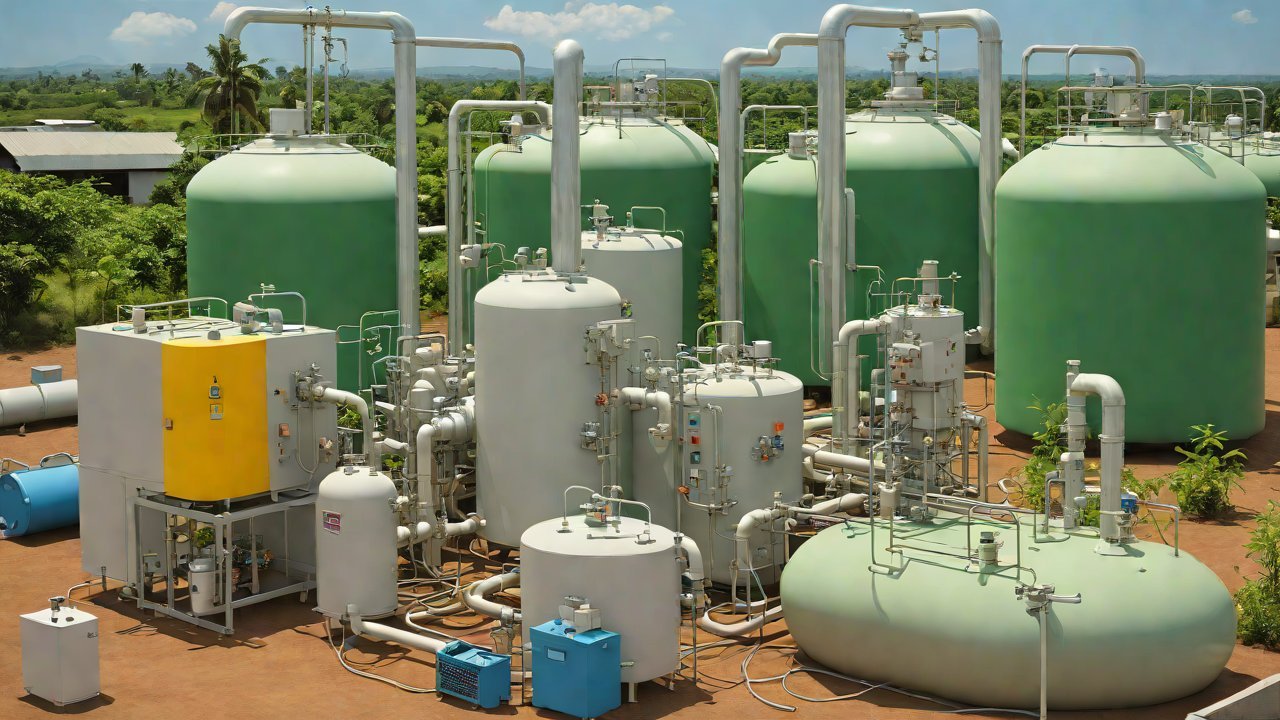
Biogas installations in Kenya range from small-scale, community-driven projects to large-scale commercial ventures. These systems typically involve breaking down organic matter – such as agricultural waste or human excreta – through anaerobic digestion, producing a mixture of methane (biogas) and carbon dioxide that can be used for cooking, lighting, or even powering vehicles.
1. Market Overview
The Kenyan biogas market has seen rapid growth in recent years, driven by increasing awareness about the benefits of renewable energy sources. According to data from the Ministry of Energy, the number of biogas installations in Kenya grew from approximately 2,000 in 2015 to over 10,000 in 2020.
| Year | Number of Biogas Installations |
|---|---|
| 2015 | 2,000 |
| 2016 | 3,500 |
| 2017 | 5,200 |
| 2018 | 7,300 |
| 2019 | 9,500 |
| 2020 | 10,300 |
2. Key Players
Several companies have emerged as key players in the Kenyan biogas market:
- Kenya Biogas Company: A leading provider of turnkey biogas solutions for small-scale farms and households.
- Biogas Kenya Limited: A commercial-scale biogas producer that supplies energy to major consumers, including hotels and restaurants.
- Greenlight Planet: An international company with operations in Kenya, providing solar-powered lighting and energy solutions.
| Company | Location | Type of Installation |
|---|---|---|
| Kenya Biogas Company | Nairobi | Small-scale biogas installations for households and farms |
| Biogas Kenya Limited | Mombasa | Commercial-scale biogas production facility serving major consumers |
| Greenlight Planet | Nairobi | Solar-powered energy solutions, including lighting |
3. Challenges and Opportunities
Despite the growth in the biogas market, several challenges persist:
- High upfront costs: Biogas installations require significant initial investment for equipment and infrastructure.
- Limited technical expertise: Many farmers and households lack the necessary knowledge to operate and maintain biogas systems effectively.
- Policy and regulatory frameworks: The Kenyan government has introduced policies aimed at supporting renewable energy development, but further clarification on regulations is needed.
However, opportunities abound:
- Government support: The Big Four Agenda prioritizes affordable housing, universal healthcare, food security, and manufacturing – all areas where biogas can play a significant role.
- Increasing awareness: Growing public awareness about the benefits of biogas could drive demand for these installations.
- Scalability: Commercial-scale biogas production facilities have the potential to supply energy to major consumers, increasing revenue streams.
4. Technical Considerations
When evaluating biogas installation companies in Kenya, several technical factors come into play:
- Digestion efficiency: The effectiveness of anaerobic digestion processes in converting organic matter into biogas.
- Biogas quality: The composition and purity of the biogas produced, which affects its usability for various applications.
- System durability: The lifespan and reliability of biogas systems, including equipment and infrastructure.
5. Market Data
Market data provides valuable insights into the current state of the Kenyan biogas market:
| Year | Number of Biogas Installations |
|---|---|
| 2015 | 2,000 |
| 2016 | 3,500 |
| 2017 | 5,200 |
| 2018 | 7,300 |
| 2019 | 9,500 |
| 2020 | 10,300 |
6. Conclusion
The Kenyan biogas market has experienced significant growth over the past decade, driven by both environmental concerns and economic interests. While challenges persist, opportunities abound for companies and individuals to invest in this sector. As the government continues to support renewable energy development through policies and regulations, the biogas industry is poised for further expansion.
7. Recommendations
Based on our analysis, we recommend that:
- Government agencies: Provide clear policy guidelines and regulatory frameworks to support the growth of the biogas market.
- Private sector companies: Invest in research and development to improve digestion efficiency, biogas quality, and system durability.
- Farmers and households: Take advantage of government incentives and training programs to install biogas systems and reap the benefits of renewable energy.
In conclusion, the Kenyan biogas market offers a promising opportunity for growth and investment. By addressing technical challenges and leveraging opportunities, companies and individuals can contribute to a more sustainable future for Kenya’s rural communities.
IOT Cloud Platform
IOT Cloud Platform is an IoT portal established by a Chinese IoT company, focusing on technical solutions in the fields of agricultural IoT, industrial IoT, medical IoT, security IoT, military IoT, meteorological IoT, consumer IoT, automotive IoT, commercial IoT, infrastructure IoT, smart warehousing and logistics, smart home, smart city, smart healthcare, smart lighting, etc.
The IoT Cloud Platform blog is a top IoT technology stack, providing technical knowledge on IoT, robotics, artificial intelligence (generative artificial intelligence AIGC), edge computing, AR/VR, cloud computing, quantum computing, blockchain, smart surveillance cameras, drones, RFID tags, gateways, GPS, 3D printing, 4D printing, autonomous driving, etc.
Note: This article was professionally generated with the assistance of AIGC and has been fact-checked and manually corrected by IoT expert editor IoTCloudPlatForm.