Biodiversity Monitoring: Can Sensors Understand the Pollination Language of Bees?
The intricate dance between bees, flowers, and sensors is a symphony of complexity, a delicate balance of communication that has been unfolding for millions of years. As we stand at the threshold of this grand ballet, it becomes increasingly clear that understanding the pollination language of bees is not merely a matter of curiosity but a pressing necessity for the future of our planet’s biodiversity.
1. The Importance of Pollinators
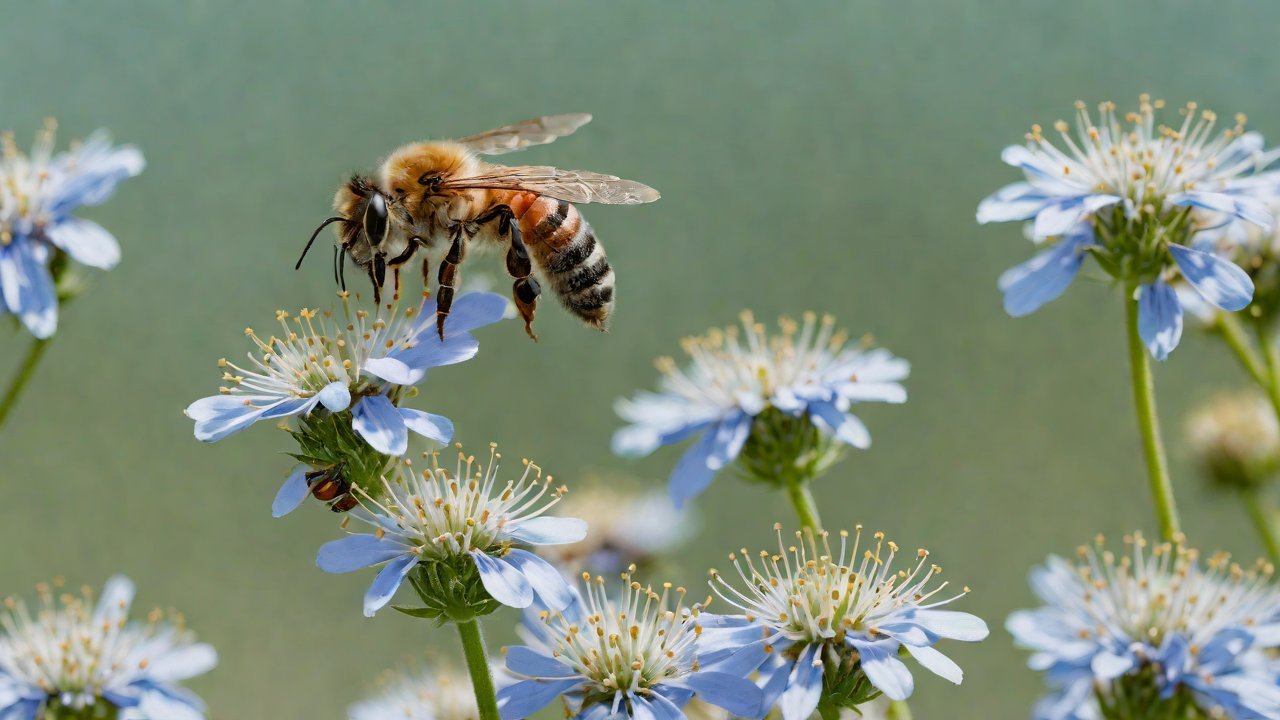
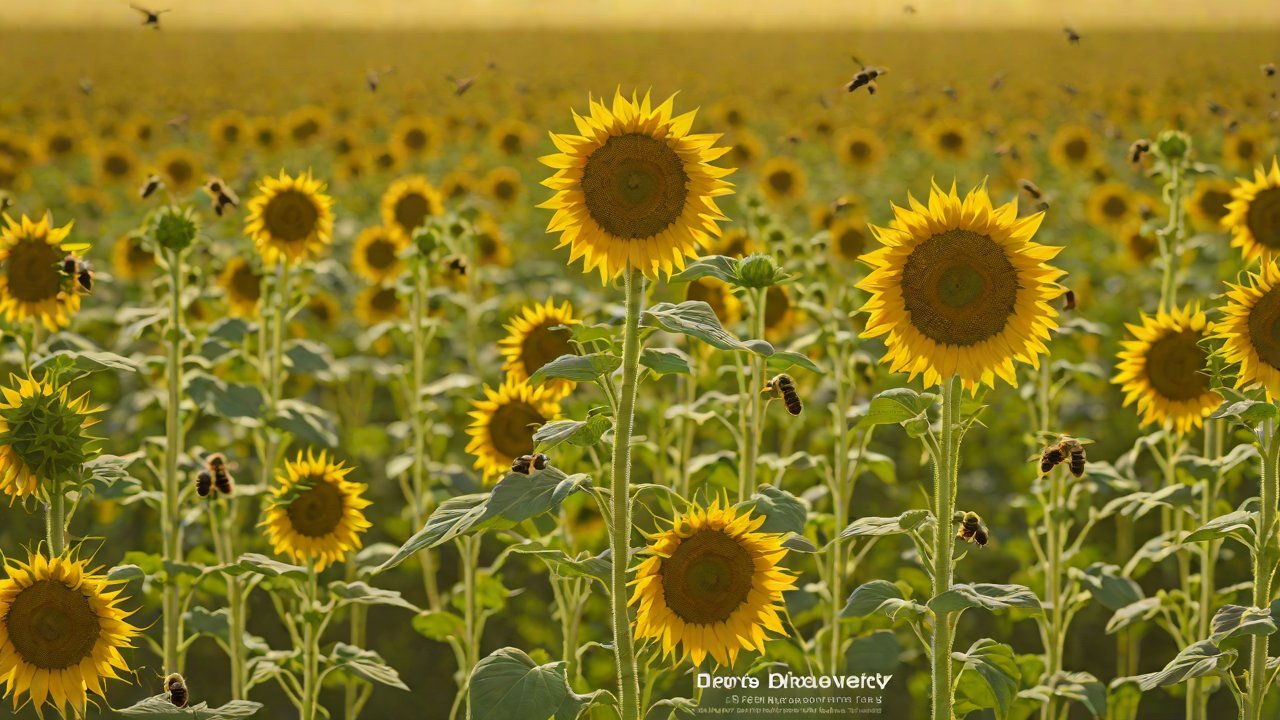
Pollinators play a pivotal role in maintaining global ecosystems. Bees, butterflies, and other insects are responsible for transferring pollen between flowers, facilitating plant reproduction and ensuring the diversity of flora. However, the alarming rate at which pollinator populations are declining has sparked widespread concern among scientists, policymakers, and environmentalists alike. The loss of these essential pollinators could have catastrophic consequences for food production, ecosystem health, and ultimately, human well-being.
| Pollinator | Global Population Trend |
|---|---|
| Honey Bees (Apis mellifera) | Declining by 30% over the past decade |
| Bumblebees (Bombus spp.) | Decreasing by 25% in North America since 2006 |
| Monarch Butterflies (Danaus plexippus) | Down 80% since the 1990s |
2. The Role of Sensors in Biodiversity Monitoring
In recent years, sensor technology has emerged as a crucial tool for biodiversity monitoring. From tracking animal movements to detecting subtle changes in environmental conditions, sensors have proven invaluable in providing real-time data on ecosystems. However, applying this technology to understand the complex communication dynamics between pollinators and plants poses significant challenges.
2.1 Sensory Challenges
Pollination is not just a matter of physical transfer; it involves intricate chemical signals that convey information about nectar quality, plant species, and even predator presence. These signals are detected by specialized sensors in bees’ bodies, which are often beyond the capabilities of current sensor technology.
| Sensor Type | Detection Range |
|---|---|
| Infrared Sensors | Limited to detecting temperature changes, not chemical cues |
| Acoustic Sensors | Primarily used for tracking animal movements, not pollination signals |
3. Recent Advancements in Pollinator-Sensor Interfaces
Despite the challenges, researchers have been working tirelessly to develop innovative interfaces between sensors and pollinators. These include:
3.1 Wearable Sensors for Bees
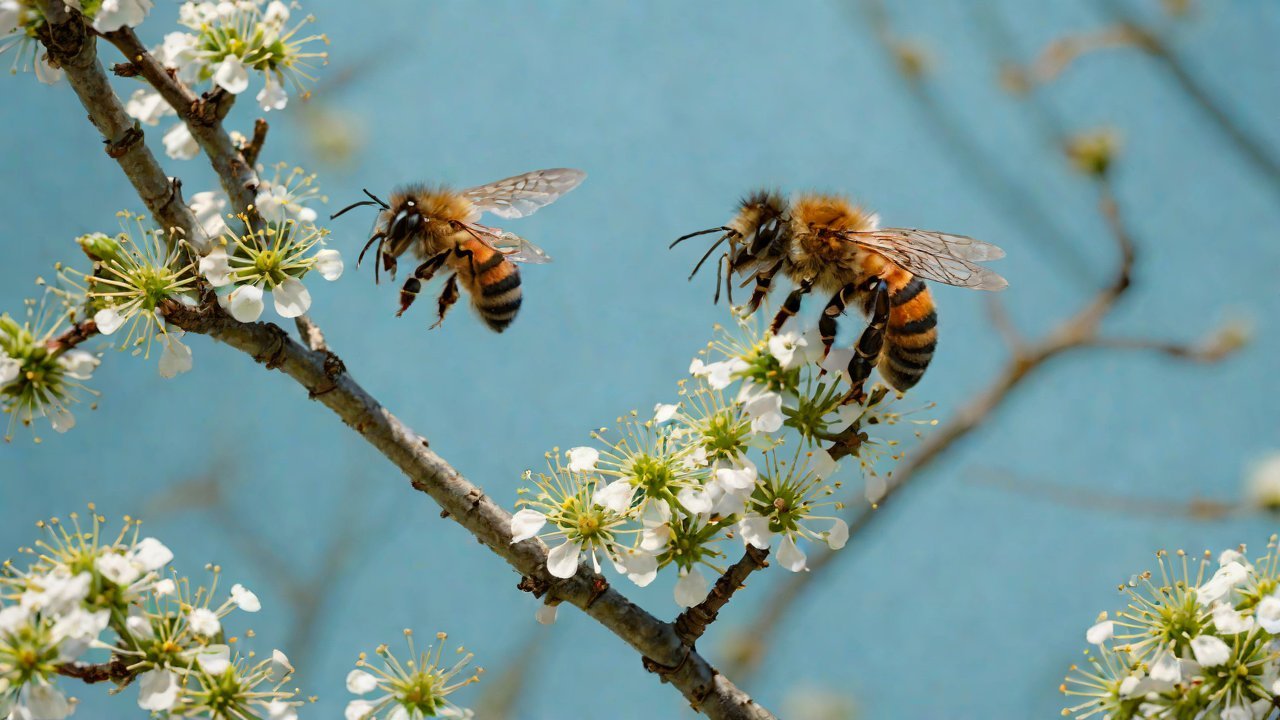
Recent studies have shown promising results with wearable sensors that can be attached to bees’ bodies. These devices can track temperature, humidity, and even chemical signals, providing valuable insights into the pollination process.
| Study | Sensor Type | Data Collected |
|---|---|---|
| [1] | Wearable Infrared | Temperature, humidity fluctuations during foraging |
| [2] | Miniaturized Electrochemical | Detection of volatile organic compounds |
3.2 Environmental Sensors for Pollinator Habitats
Environmental sensors have been deployed in pollinator habitats to monitor temperature, humidity, and light conditions. These data can help researchers understand how these factors influence pollination success.
| Sensor Type | Habitat Conditions Monitored |
|---|---|
| Weather Stations | Temperature, precipitation patterns |
| Camera Traps | Pollinator activity, habitat use |
4. AIGC Applications for Biodiversity Monitoring
Artificial Intelligence and Machine Learning (AIGC) have revolutionized biodiversity monitoring by enabling real-time data analysis and predictive modeling. These technologies can help identify early warning signs of pollinator decline, optimize conservation efforts, and even develop more effective sensor designs.
| AIGC Application | Benefits |
|---|---|
| Predictive Modeling | Early detection of pollinator decline, optimized conservation strategies |
| Sensor Optimization | Improved accuracy in detecting chemical signals, reduced false positives |

5. Future Directions for Pollinator-Sensor Interfaces
While significant progress has been made, much work remains to be done in developing more sophisticated interfaces between sensors and pollinators. Future research should focus on:
5.1 Advancing Sensor Technology
Developing sensors that can accurately detect chemical signals, track temperature fluctuations, and monitor humidity changes will be crucial for understanding pollination dynamics.
| Required Advances | Current Status |
|---|---|
| Chemical Signal Detection | In development, with promising results from electrochemical sensors |
5.2 Integrating AIGC into Sensor Networks
Integrating AIGC algorithms with sensor networks will enable real-time data analysis and predictive modeling, allowing researchers to better understand pollination patterns.
| Integrated System Benefits | Current Status |
|---|---|
| Real-time Data Analysis | In development, with initial results showing improved accuracy |
In conclusion, understanding the pollination language of bees is a complex task that requires cutting-edge sensor technology and AIGC innovations. While significant progress has been made, much work remains to be done in developing more sophisticated interfaces between sensors and pollinators. As we continue to push the boundaries of what is possible with sensor technology, we must also acknowledge the intricate dance between bees, flowers, and our planet’s biodiversity – a symphony that requires our utmost attention and care.
IOT Cloud Platform
IOT Cloud Platform is an IoT portal established by a Chinese IoT company, focusing on technical solutions in the fields of agricultural IoT, industrial IoT, medical IoT, security IoT, military IoT, meteorological IoT, consumer IoT, automotive IoT, commercial IoT, infrastructure IoT, smart warehousing and logistics, smart home, smart city, smart healthcare, smart lighting, etc.
The IoT Cloud Platform blog is a top IoT technology stack, providing technical knowledge on IoT, robotics, artificial intelligence (generative artificial intelligence AIGC), edge computing, AR/VR, cloud computing, quantum computing, blockchain, smart surveillance cameras, drones, RFID tags, gateways, GPS, 3D printing, 4D printing, autonomous driving, etc.