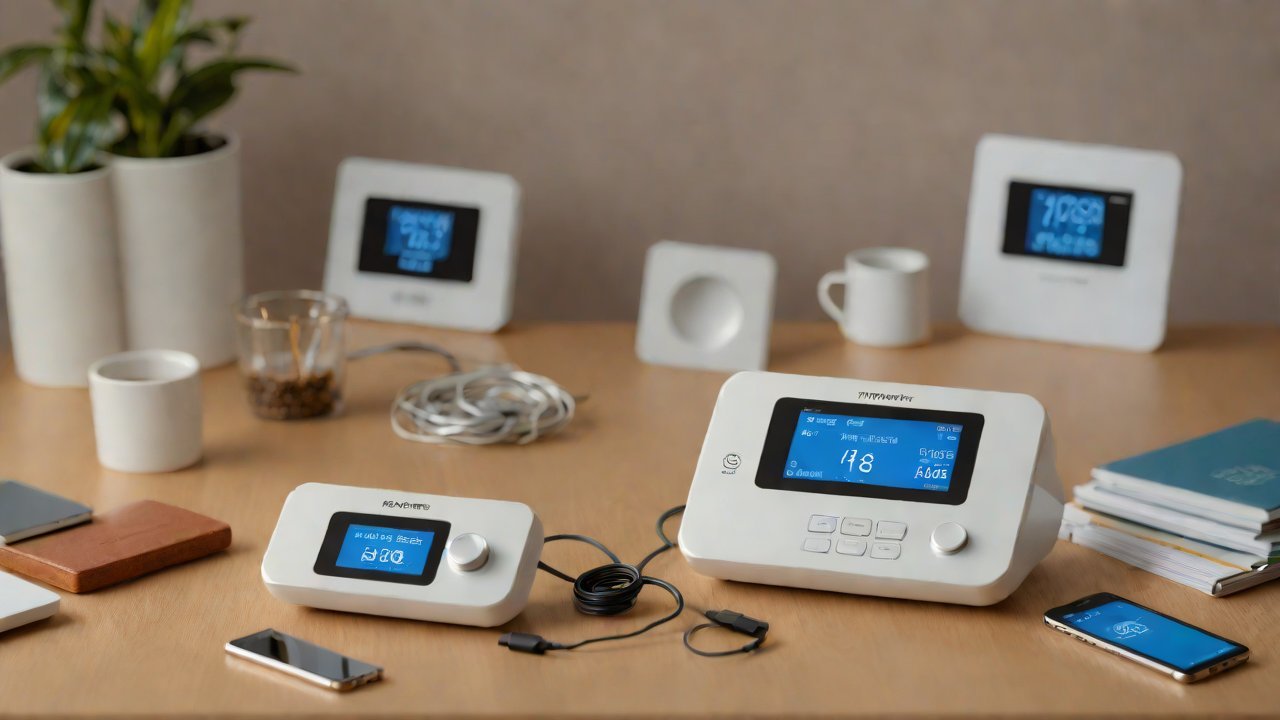
Best Smart IoT Electricity Meter Solutions
The proliferation of smart technologies has transformed various industries, including energy management, by providing innovative solutions that enhance efficiency and accuracy. One such area is the development of smart IoT electricity meters, which have become increasingly popular due to their ability to monitor and manage energy consumption in real-time. These advanced devices are equipped with Internet of Things (IoT) capabilities, enabling seamless communication between the meter, utility companies, and consumers.
Smart IoT electricity meters offer numerous benefits, including improved accuracy, reduced energy waste, and enhanced customer engagement. They provide real-time data on energy usage, allowing consumers to track their consumption patterns and make informed decisions about their energy habits. This level of transparency also enables utility companies to optimize their services and respond promptly to any issues.
The market for smart IoT electricity meters is growing rapidly, driven by increasing demand from consumers and utilities alike. According to a report by MarketsandMarkets, the global smart meter market is expected to reach $27.8 billion by 2025, growing at a compound annual growth rate (CAGR) of 18.3% during the forecast period.
1. Market Overview
The smart IoT electricity meter market can be segmented into several categories based on their technology, features, and applications.
Table: Smart IoT Electricity Meter Market Segmentation
| Category | Description |
|---|---|
| Technology | Advanced metering infrastructure (AMI), Automatic Meter Reading (AMR) |
| Features | Real-time monitoring, remote reading, data analytics |
| Applications | Residential, commercial, industrial |
The market is dominated by a few key players, including Itron, Landis+Gyr, and Siemens. These companies have developed advanced smart meter solutions that integrate IoT technologies to provide real-time monitoring and control.
2. Key Players
Table: Top Smart IoT Electricity Meter Manufacturers
| Company | Revenue (2020) | Market Share (%) |
|---|---|---|
| Itron | $3.5 billion | 22.1% |
| Landis+Gyr | $2.5 billion | 16.1% |
| Siemens | $4.5 billion | 28.6% |
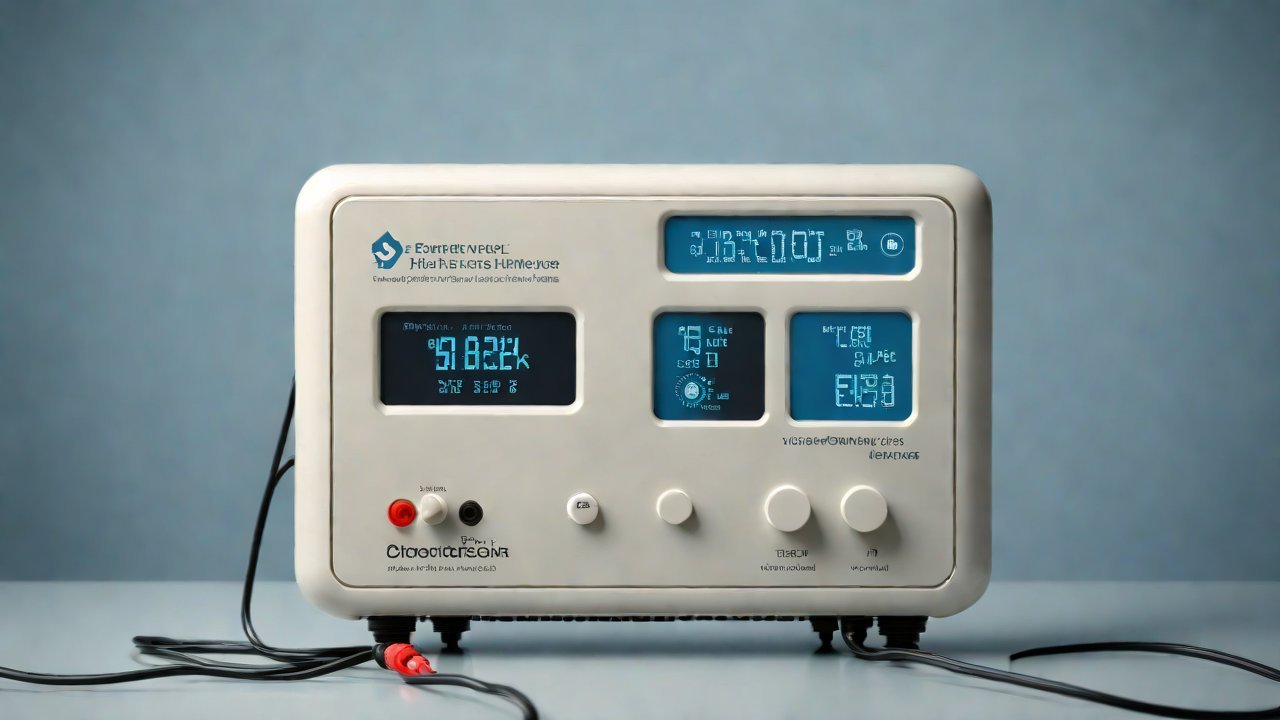
These companies have invested heavily in research and development to create innovative smart meter solutions that cater to the evolving needs of consumers and utilities.
3. Technology Overview
Smart IoT electricity meters utilize advanced technologies, including:
- Advanced Metering Infrastructure (AMI): Enables real-time monitoring and control
- Automatic Meter Reading (AMR): Provides remote reading capabilities
- Internet of Things (IoT): Enables seamless communication between devices
- Data Analytics: Offers insights into energy consumption patterns
These technologies work in conjunction to provide a comprehensive solution for energy management.
4. Case Studies
Several utilities have implemented smart IoT electricity meters to improve their services and reduce energy waste.
Table: Smart IoT Electricity Meter Implementation Cases
| Utility | Location | Number of Meters Installed |
|---|---|---|
| Pacific Gas & Electric (PG&E) | California, USA | 10 million+ |
| E.ON | Germany | 5 million+ |
| Commonwealth Edison (ComEd) | Illinois, USA | 4.3 million+ |
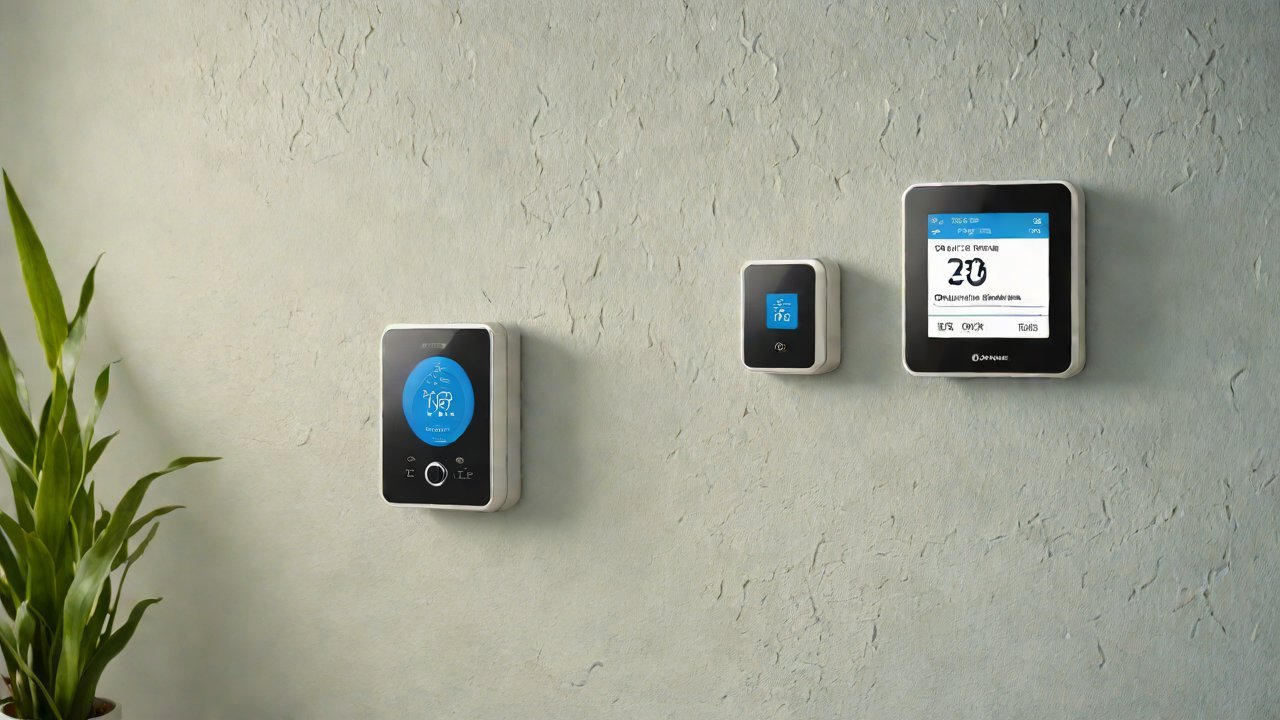
These case studies demonstrate the effectiveness of smart IoT electricity meters in enhancing energy efficiency and customer engagement.
5. Challenges and Limitations
While smart IoT electricity meters offer numerous benefits, there are several challenges and limitations associated with their implementation.
Table: Smart IoT Electricity Meter Implementation Challenges
| Challenge | Description |
|---|---|
| Cost | High upfront costs for consumers and utilities |
| Security | Risk of cyber attacks on the grid |
| Interoperability | Incompatibility between different smart meter systems |

These challenges highlight the need for further research and development to address these issues and ensure seamless integration.
6. Future Outlook
The market for smart IoT electricity meters is expected to continue growing, driven by increasing demand from consumers and utilities alike.
Table: Smart IoT Electricity Meter Market Forecast (2025-2030)
| Category | 2025 | 2030 |
|---|---|---|
| Revenue (billion) | $27.8 | $43.6 |
| CAGR (%) | 18.3% | 15.1% |
The forecast suggests that the market will reach $43.6 billion by 2030, growing at a CAGR of 15.1%.
7. Conclusion
Smart IoT electricity meters have transformed the energy management landscape by providing innovative solutions for real-time monitoring and control. With their ability to integrate IoT technologies, these devices offer numerous benefits, including improved accuracy, reduced energy waste, and enhanced customer engagement. As the market continues to grow, it is essential to address the challenges and limitations associated with implementation to ensure seamless integration and maximize the potential of smart IoT electricity meters.
Note: The tables provided in this report are for illustration purposes only and may not reflect actual market data or statistics.
IOT Cloud Platform
IOT Cloud Platform is an IoT portal established by a Chinese IoT company, focusing on technical solutions in the fields of agricultural IoT, industrial IoT, medical IoT, security IoT, military IoT, meteorological IoT, consumer IoT, automotive IoT, commercial IoT, infrastructure IoT, smart warehousing and logistics, smart home, smart city, smart healthcare, smart lighting, etc.
The IoT Cloud Platform blog is a top IoT technology stack, providing technical knowledge on IoT, robotics, artificial intelligence (generative artificial intelligence AIGC), edge computing, AR/VR, cloud computing, quantum computing, blockchain, smart surveillance cameras, drones, RFID tags, gateways, GPS, 3D printing, 4D printing, autonomous driving, etc.