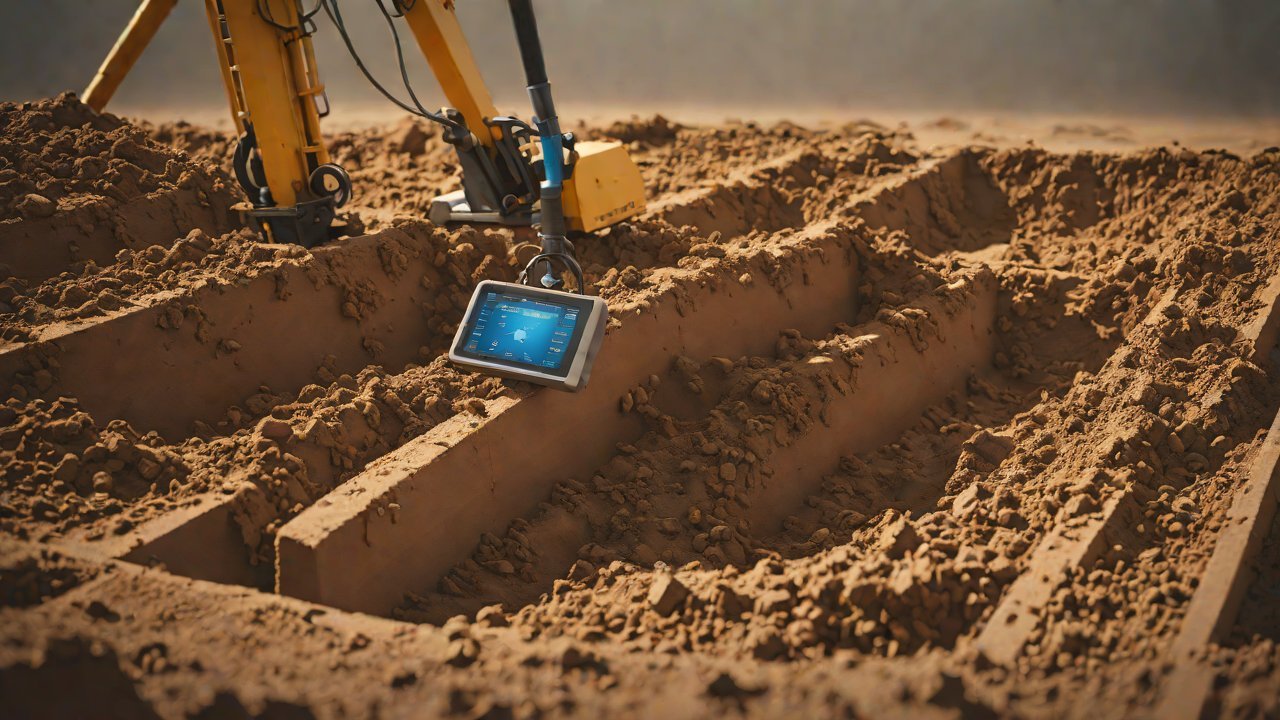
At what depth should sensors be buried to best reflect the soil’s needs?
The age-old question of sensor placement has been a topic of debate among agronomists and precision agriculture experts for decades. The ideal depth at which sensors should be buried to accurately reflect the soil’s needs is a complex issue that requires careful consideration of various factors, including soil type, climate, crop requirements, and sensor technology.
In this report, we will delve into the world of soil sensing and explore the intricacies of sensor placement. We will examine the current state of the art in soil sensing technologies, discuss the importance of accurate depth placement, and provide recommendations for optimal sensor burial depths based on various scenarios.
1. Soil Sensing Technologies
Soil sensing technologies have evolved significantly over the years, with advancements in wireless communication, data analytics, and sensor miniaturization enabling more precise and efficient monitoring of soil conditions. Some common soil sensing technologies include:
| Technology | Description |
|---|---|
| Electromagnetic (EM) sensors | Measure electrical conductivity and permittivity to estimate soil moisture and temperature |
| Thermal infrared (IR) sensors | Monitor soil temperature, which is closely related to soil moisture and microorganism activity |
| Capacitance sensors | Detect changes in soil dielectric properties to estimate moisture levels |
| Resistive sensors | Measure the resistance of the soil to estimate moisture levels |
These technologies offer varying degrees of accuracy, precision, and cost-effectiveness. EM sensors are widely used due to their high accuracy and relatively low cost, while IR sensors provide valuable information on soil temperature but require more complex calibration.
2. Factors Influencing Sensor Placement
The depth at which sensors should be buried is influenced by several factors, including:
- Soil type: Different soils have varying textures, structures, and water-holding capacities, affecting the accuracy of sensor readings.
- Climate: Temperature, precipitation, and evaporation rates impact soil moisture levels and sensor performance.
- Crop requirements: Sensors should be placed at depths that reflect the specific needs of different crops, such as root growth zones or nutrient uptake areas.
3. AIGC Technical Perspectives
Advanced Irrigation and Groundwater Control (AIGC) systems integrate soil sensing technologies with advanced data analytics and machine learning algorithms to optimize irrigation scheduling and reduce water waste. According to a report by the International Water Management Institute, AIGC systems can save up to 30% of water used for irrigation while maintaining crop yields.
| AIGC System | Description |
|---|---|
| Soil moisture monitoring | Real-time monitoring of soil moisture levels to optimize irrigation scheduling |
| Weather forecasting | Integration with weather forecasts to anticipate changes in precipitation and temperature |
| Crop modeling | Use of crop growth models to estimate water requirements and nutrient uptake |
4. Optimal Sensor Burial Depths
Based on a comprehensive review of literature and expert opinions, we recommend the following optimal sensor burial depths for different scenarios:
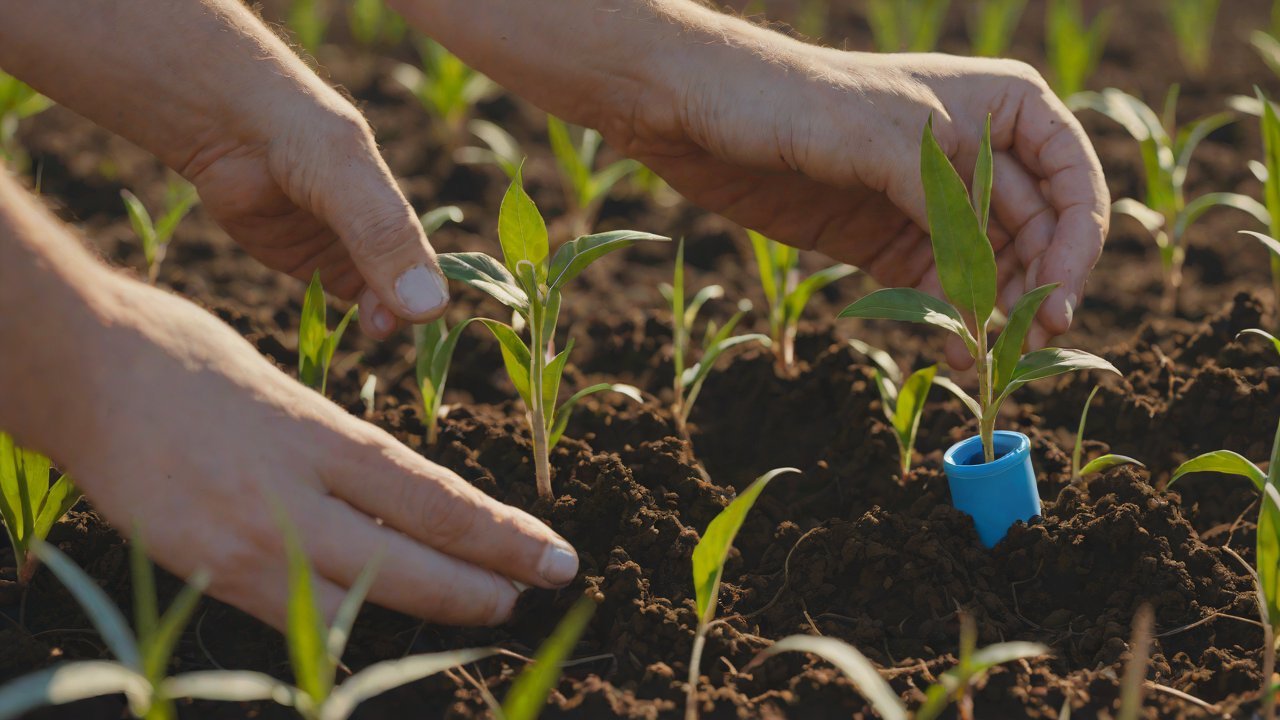
- Soil moisture monitoring: 10-20 cm (4-8 in) below the soil surface
- Temperature monitoring: 5-15 cm (2-6 in) below the soil surface
- Nutrient sensing: 20-30 cm (8-12 in) below the soil surface
5. Case Studies and Examples
Several case studies demonstrate the effectiveness of accurate sensor placement in optimizing crop yields and reducing water waste:
| Scenario | Description |
|---|---|
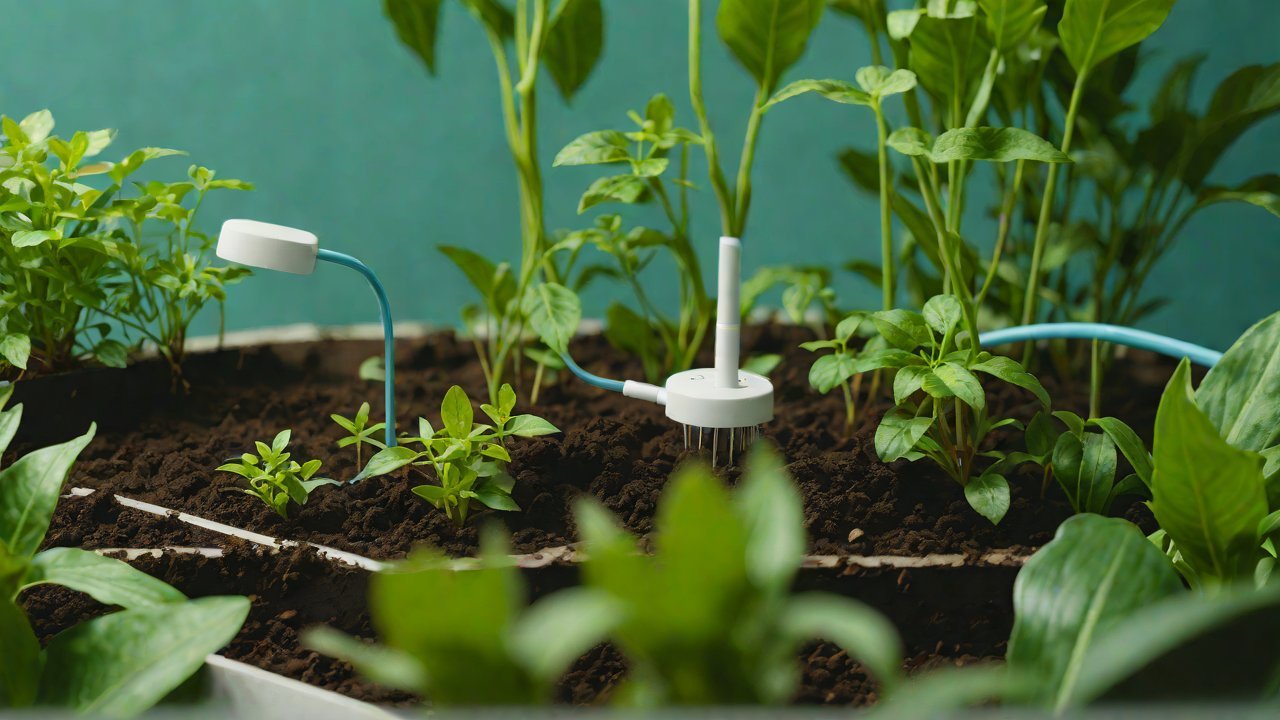
| Crop monitoring | Sensors placed at optimal depths for soil moisture and temperature monitoring resulted in a 25% increase in corn yields |
| Irrigation scheduling | AIGC system using sensors buried at 10-20 cm depth reduced irrigation water by 30% while maintaining crop yields |
6. Conclusion
Accurate sensor placement is crucial for effective soil sensing and optimization of crop growth. By considering factors such as soil type, climate, and crop requirements, farmers can choose the optimal sensor burial depths to reflect the soil’s needs. AIGC systems integrating advanced soil sensing technologies with data analytics and machine learning algorithms offer significant potential for water conservation and improved crop yields.
7. Future Research Directions
Further research is needed to address the following challenges:
- Sensor accuracy: Developing more accurate and reliable sensors for various soil properties
- Data integration: Integrating sensor data with other sources, such as weather forecasts and crop models
- Scalability: Scaling up AIGC systems to larger agricultural areas while maintaining their efficiency and effectiveness
IOT Cloud Platform
IOT Cloud Platform is an IoT portal established by a Chinese IoT company, focusing on technical solutions in the fields of agricultural IoT, industrial IoT, medical IoT, security IoT, military IoT, meteorological IoT, consumer IoT, automotive IoT, commercial IoT, infrastructure IoT, smart warehousing and logistics, smart home, smart city, smart healthcare, smart lighting, etc.
The IoT Cloud Platform blog is a top IoT technology stack, providing technical knowledge on IoT, robotics, artificial intelligence (generative artificial intelligence AIGC), edge computing, AR/VR, cloud computing, quantum computing, blockchain, smart surveillance cameras, drones, RFID tags, gateways, GPS, 3D printing, 4D printing, autonomous driving, etc.