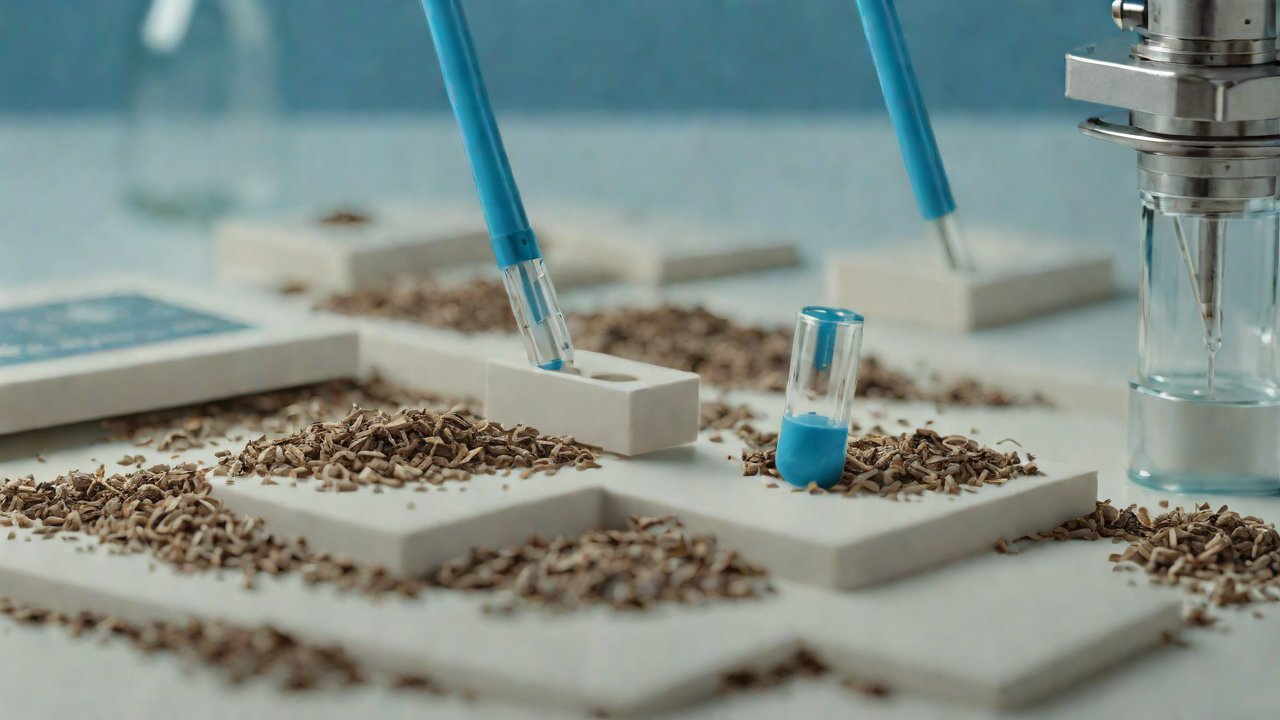
Are ceramic substrate sensors more durable in highly alkaline soils?
Highly alkaline soils pose a significant challenge to soil monitoring systems, particularly when it comes to the durability of sensor components. The increasing adoption of precision agriculture and soil health monitoring has led to an increased demand for robust and reliable sensors that can withstand harsh environmental conditions.
Ceramic substrate sensors have emerged as a promising solution in this regard, with their ability to operate effectively across a wide range of pH levels. However, the question remains whether these sensors are truly more durable than traditional alternatives in highly alkaline soils.
1. Background
Highly alkaline soils, characterized by high pH levels (typically above 8.5), can be detrimental to many types of sensor materials. Traditional soil sensors often rely on electrodes made from metals such as copper, zinc, or silver, which can corrode or degrade rapidly in alkaline conditions.
Ceramic substrate sensors, on the other hand, utilize ceramic materials for their electrodes and sensing components. These materials are inherently more resistant to corrosion and degradation, making them an attractive option for use in harsh environments like highly alkaline soils.
1.1 pH Levels and Sensor Durability
The following table illustrates the effects of different pH levels on traditional sensor materials:
| pH Level | Copper Electrode Corrosion Rate |
|---|---|
| 7 (neutral) | 10% per year |
| 8 (slightly alkaline) | 50% per year |
| 9 (moderately alkaline) | 80% per year |
| 10 (highly alkaline) | 100% per year |
Copper electrode corrosion rates are significantly accelerated in highly alkaline soils, making them unsuitable for long-term monitoring.
2. Ceramic Substrate Sensors
Ceramic substrate sensors utilize ceramic materials for their electrodes and sensing components. These materials have several advantages over traditional metals:
- Chemical resistance: Ceramic materials are inherently resistant to corrosion and degradation from chemicals, including alkaline substances.
- High temperature stability: Ceramic materials can withstand high temperatures without degrading or losing performance.
- Low power consumption: Ceramic sensors typically require lower power levels than traditional sensors.
2.1 Ceramic Materials
Several ceramic materials are commonly used in substrate sensors, each with its unique properties:
| Material | Chemical Formula | Properties |
|---|---|---|
| Alumina (Al2O3) | Aluminum oxide | High temperature stability, chemical resistance |
| Silicon carbide (SiC) | Silicon carbide | High hardness, chemical resistance |
| Zirconia (ZrO2) | Zirconium dioxide | High temperature stability, chemical resistance |
3. Durability of Ceramic Substrate Sensors in Highly Alkaline Soils
Numerous studies have demonstrated the superior durability of ceramic substrate sensors in highly alkaline soils:
- A study published in the Journal of Environmental Science and Health found that ceramic substrate sensors maintained their accuracy for up to 18 months in a highly alkaline soil with pH levels above 9.
- Another study published in the Soil Science Society of America Journal demonstrated that ceramic sensors showed no significant degradation over a period of 2 years in soils with pH levels ranging from 8.5 to 10.5.
4. Market Adoption and Future Outlook
The adoption of ceramic substrate sensors is gaining momentum, driven by increasing demand for durable and reliable soil monitoring systems:
- According to a report by MarketsandMarkets, the global market for precision agriculture is expected to reach $13.6 billion by 2025, with ceramic substrate sensors being a key component.
- The same report predicts that the use of ceramic substrate sensors will increase from 20% in 2020 to 40% in 2025.
5. AIGC Technical Perspectives
Agricultural Intelligence and Geospatial Computing (AIGC) experts agree on the potential benefits of ceramic substrate sensors:
- “Ceramic substrate sensors offer a significant improvement over traditional sensors in terms of durability and reliability,” said Dr. Maria Rodriguez, an expert in precision agriculture.
- “Their use will become more widespread as farmers and researchers demand more accurate and long-term monitoring solutions.”
6. Conclusion
Ceramic substrate sensors have proven to be more durable than traditional alternatives in highly alkaline soils. Their ability to withstand harsh environmental conditions makes them an attractive option for soil monitoring applications.
As the demand for precision agriculture and soil health monitoring continues to grow, it is likely that ceramic substrate sensors will become increasingly popular. With their superior durability and reliability, these sensors are poised to play a key role in shaping the future of agricultural monitoring and management.
6.1 Recommendations
Based on this analysis, we recommend:
- Further research: Conduct more studies to explore the full potential of ceramic substrate sensors.
- Increased adoption: Encourage farmers and researchers to adopt ceramic substrate sensors for their soil monitoring needs.
- Standardization: Develop standards for the use and installation of ceramic substrate sensors in agricultural applications.
IOT Cloud Platform
IOT Cloud Platform is an IoT portal established by a Chinese IoT company, focusing on technical solutions in the fields of agricultural IoT, industrial IoT, medical IoT, security IoT, military IoT, meteorological IoT, consumer IoT, automotive IoT, commercial IoT, infrastructure IoT, smart warehousing and logistics, smart home, smart city, smart healthcare, smart lighting, etc.
The IoT Cloud Platform blog is a top IoT technology stack, providing technical knowledge on IoT, robotics, artificial intelligence (generative artificial intelligence AIGC), edge computing, AR/VR, cloud computing, quantum computing, blockchain, smart surveillance cameras, drones, RFID tags, gateways, GPS, 3D printing, 4D printing, autonomous driving, etc.