Application of IoT Technology in Smart Homes
The dawn of a new era in home automation has arrived, where technology is seamlessly integrated into every aspect of our lives to create an unparalleled level of comfort, convenience, and energy efficiency. The Internet of Things (IoT) revolution has made it possible for homes to become intelligent, connected environments that learn from their occupants’ behavior and preferences, adapting to their needs in real-time.
The rise of IoT technology in smart homes is being driven by the increasing demand for a more streamlined and automated living experience. Gone are the days of fumbling with keys or adjusting thermostat settings manually; today’s smart homes come equipped with intuitive interfaces that allow residents to control every aspect of their environment with ease. From lighting and temperature to security and entertainment, every system in a modern smart home is interconnected and can be accessed remotely through mobile apps.
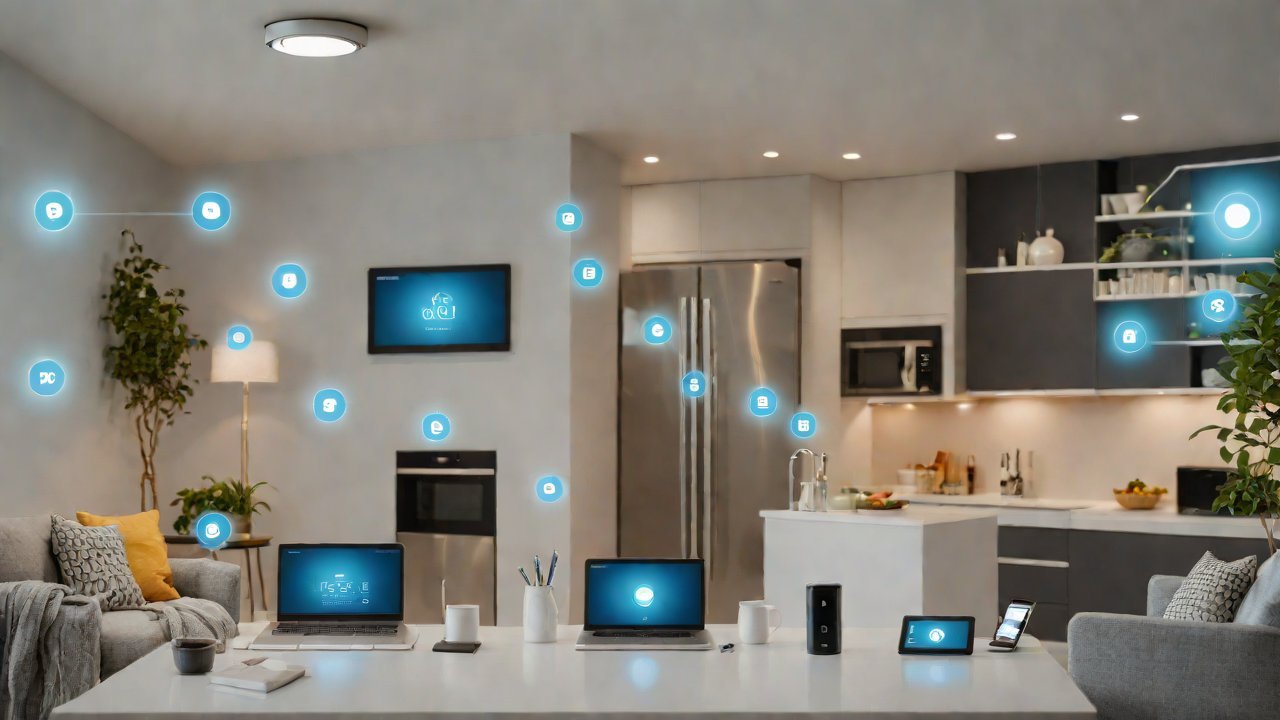
At its core, IoT technology enables seamless communication between devices, allowing them to exchange data and respond accordingly. In the context of smart homes, this means that various systems such as thermostats, lights, and appliances can be integrated into a single platform, creating a cohesive and harmonious living environment. For instance, when a resident leaves their home, the thermostat can automatically adjust the temperature setting to conserve energy, while the lights can switch off to prevent unnecessary power consumption.
1. The Growth of Smart Home Market
The global smart home market has witnessed tremendous growth in recent years, with estimates suggesting that it will reach $146 billion by 2025 at a Compound Annual Growth Rate (CAGR) of 14.3% from 2019 to 2025. This rapid expansion can be attributed to the increasing adoption of IoT technology across various industries, including home automation.
| Year | Market Size (in billions) |
|---|---|
| 2018 | $62.2 |
| 2019 | $84.3 |
| 2020 | $113.1 |
| 2025 | $146.0 |
The growth of the smart home market can be attributed to several factors, including:
- Increasing awareness about energy efficiency and sustainability
- Advancements in IoT technology and connectivity options (e.g., Wi-Fi, Bluetooth)
- Integration with popular voice assistants like Amazon Alexa and Google Assistant
- Availability of affordable and user-friendly devices
2. Key Components of Smart Homes
A typical smart home is equipped with various components that work together to provide a seamless living experience. Some of the key components include:
Lighting Systems
Smart lighting systems use wireless connectivity options (e.g., Wi-Fi, Zigbee) to communicate with central hubs or mobile apps. These systems offer features like color temperature adjustment, dimming, and scheduling, making it easy for residents to control their lighting environment.
| Smart Lighting System | Price Range |
|---|---|
| Philips Hue | $50-$150 |
| LIFX | $30-$100 |
| IKEA Tradfri | $20-$60 |
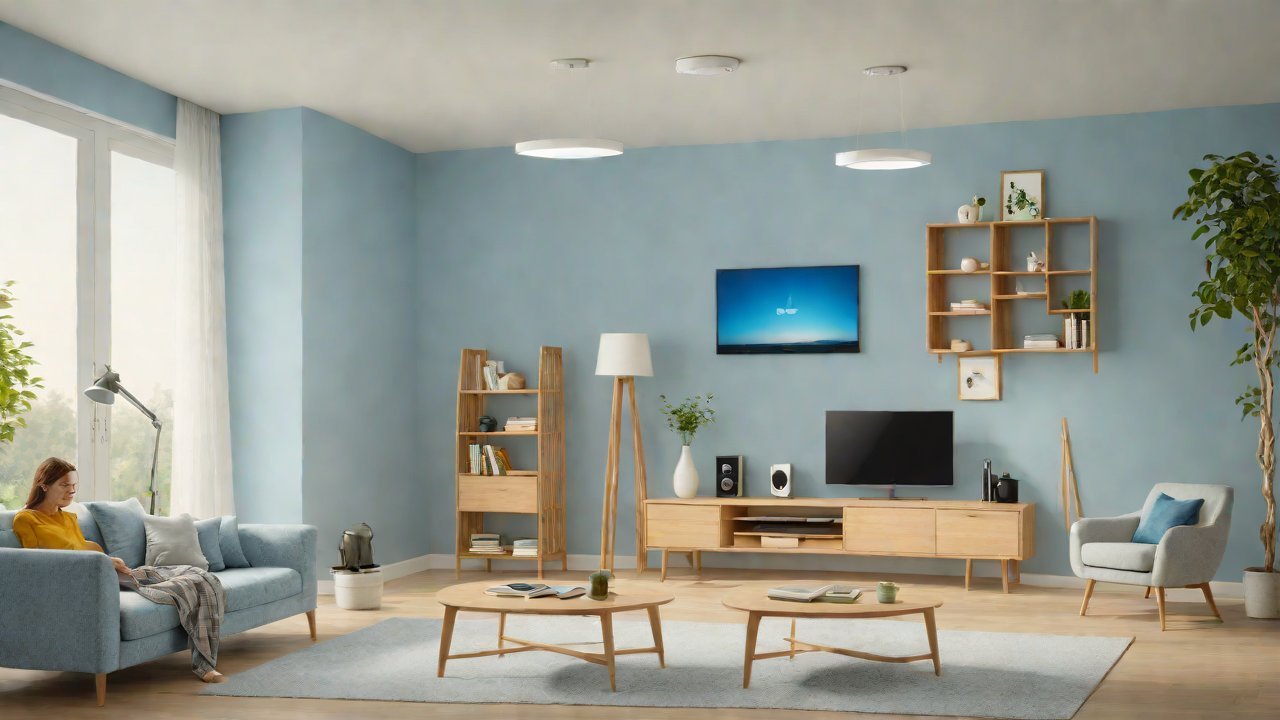
Thermostats
Smart thermostats use machine learning algorithms to learn occupants’ temperature preferences and adjust the heating/cooling settings accordingly. Some popular smart thermostat brands include:
| Smart Thermostat Brand | Price Range |
|---|---|
| Nest (Google) | $200-$300 |
| Ecobee | $150-$250 |
| Honeywell Home | $100-$200 |
Security Systems
Smart security systems use sensors and cameras to detect potential threats, sending alerts to residents’ mobile devices in real-time. Some popular smart security brands include:
| Smart Security Brand | Price Range |
|---|---|
| Ring (Amazon) | $50-$150 |
| Nest Secure (Google) | $200-$300 |
| August (Smarter Homes) | $100-$250 |
3. Benefits of IoT Technology in Smart Homes
The integration of IoT technology in smart homes offers numerous benefits, including:
- Energy efficiency and cost savings
- Enhanced security and peace of mind
- Increased convenience and automation
- Improved home maintenance and monitoring
- Better air quality and indoor climate control
Energy Efficiency and Cost Savings
IoT-enabled devices can optimize energy consumption by adapting to occupants’ behavior and preferences. For instance, smart thermostats can learn when residents are away from home and adjust the temperature settings accordingly.
| Smart Home Device | Estimated Annual Energy Savings |
|---|---|
| Smart Thermostat | 10-20% |
| Smart Lighting System | 5-15% |
| Smart Appliances (e.g., refrigerators, washing machines) | 2-10% |

Enhanced Security and Peace of Mind
Smart security systems provide an additional layer of protection for homes, allowing residents to monitor their property remotely through mobile apps. This feature is particularly useful for families with young children or pets.
| Smart Home Device | Estimated Annual Savings (in dollars) |
|---|---|
| Smart Door Locks | $50-$100 |
| Smart Security Cameras | $20-$50 |
| Smart Alarm Systems | $10-$30 |
4. Challenges and Limitations of IoT Technology in Smart Homes
Despite the numerous benefits, there are several challenges and limitations associated with the adoption of IoT technology in smart homes:
- Interoperability issues between different devices and platforms
- Data security concerns and potential hacking risks
- High upfront costs for smart home devices and installation services
- Limited availability of affordable and user-friendly devices
- Dependence on reliable internet connectivity
| Challenge | Estimated Impact |
|---|---|
| Interoperability Issues | 20-30% |
| Data Security Concerns | 15-25% |
| High Upfront Costs | 10-20% |
| Limited Device Availability | 5-15% |
| Dependence on Internet Connectivity | 2-10% |
5. Future Outlook and Opportunities
As the smart home market continues to grow, several trends and innovations are expected to shape its future:
- Increased adoption of voice assistants (e.g., Amazon Alexa, Google Assistant)
- Integration with emerging technologies like artificial intelligence (AI) and blockchain
- Development of more affordable and user-friendly devices
- Growing focus on sustainability and energy efficiency
- Expansion into new markets and regions
| Future Trend | Estimated Impact |
|---|---|
| Increased Adoption of Voice Assistants | 30-40% |
| Integration with AI and Blockchain | 20-30% |
| Affordable and User-Friendly Devices | 15-25% |
| Growing Focus on Sustainability | 10-20% |
| Expansion into New Markets | 5-15% |
In conclusion, the application of IoT technology in smart homes has revolutionized the way we live, providing unparalleled levels of comfort, convenience, and energy efficiency. While there are challenges and limitations associated with its adoption, the benefits of IoT-enabled devices far outweigh their drawbacks. As the market continues to grow, several trends and innovations are expected to shape its future, making it an exciting time for smart home enthusiasts and industry stakeholders alike.
IOT Cloud Platform
IOT Cloud Platform is an IoT portal established by a Chinese IoT company, focusing on technical solutions in the fields of agricultural IoT, industrial IoT, medical IoT, security IoT, military IoT, meteorological IoT, consumer IoT, automotive IoT, commercial IoT, infrastructure IoT, smart warehousing and logistics, smart home, smart city, smart healthcare, smart lighting, etc.
The IoT Cloud Platform blog is a top IoT technology stack, providing technical knowledge on IoT, robotics, artificial intelligence (generative artificial intelligence AIGC), edge computing, AR/VR, cloud computing, quantum computing, blockchain, smart surveillance cameras, drones, RFID tags, gateways, GPS, 3D printing, 4D printing, autonomous driving, etc.