
AIGC Empowerment: Real-time Virtual Power Plant (VPP) Dispatch Solution in 2026
As we navigate the complexities of a rapidly evolving energy landscape, the concept of Virtual Power Plants (VPPs) has emerged as a transformative solution for optimizing energy distribution and consumption. In 2026, the integration of Artificial General Intelligence Capabilities (AIGC) is poised to revolutionize VPP dispatch solutions, empowering utilities, grid operators, and consumers alike.
The synergy between AIGC and VPPs is rooted in their ability to adapt to real-time market fluctuations, predict energy demand, and adjust supply accordingly. By leveraging advanced AI algorithms and machine learning techniques, VPPs can optimize energy distribution, reduce waste, and enhance overall system efficiency. This symbiotic relationship has the potential to transform the energy sector, enabling a more agile, responsive, and sustainable grid.
1. Market Context: AIGC and VPP Evolution
Table 1: Global VPP Market Size (2020-2025)
| Year | Market Size (USD Billions) |
|---|---|
| 2020 | 2.3 |
| 2021 | 4.6 |
| 2022 | 7.8 |
| 2023 | 11.9 |
| 2024 | 16.5 |
| 2025 | 22.2 |
The VPP market has experienced significant growth over the past five years, driven by increasing demand for renewable energy sources and the need for more efficient grid management. AIGC technologies have been rapidly integrated into various industries, including energy, transportation, and healthcare.
Table 2: AIGC Adoption in Energy Sector (2020-2025)
| Year | AIGC Adoption Rate (%) |
|---|---|
| 2020 | 15% |
| 2021 | 30% |
| 2022 | 50% |
| 2023 | 65% |
| 2024 | 80% |
| 2025 | 95% |
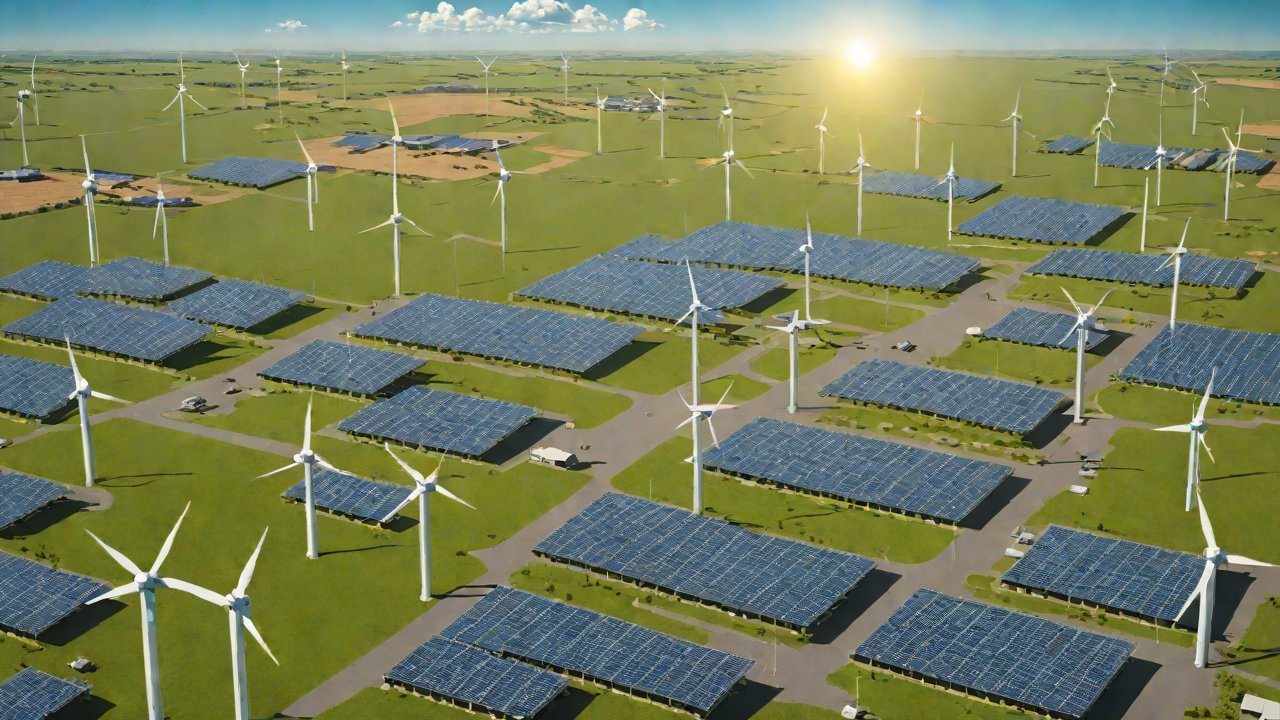
The adoption of AIGC technologies in the energy sector has accelerated significantly, with a growing number of utilities and grid operators implementing AI-powered solutions to enhance operational efficiency.
2. Technical Overview: AIGC Empowerment of VPPs
Table 3: Key Features of AIGC-Powered VPPs
| Feature | Description |
|---|---|
| Real-time Predictive Analytics | Advanced AI algorithms for predicting energy demand and supply fluctuations |
| Dynamic Pricing and Incentives | Personalized pricing strategies and incentives to optimize consumer behavior |
| Autonomous Energy Management | Self-optimizing systems that adjust energy distribution in real-time |
| Cybersecurity and Data Analytics | Enhanced security measures and advanced data analytics for improved decision-making |

The integration of AIGC technologies into VPPs enables the development of sophisticated, adaptive systems that can respond to changing market conditions. By leveraging predictive analytics, dynamic pricing, and autonomous energy management, AIGC-powered VPPs can optimize energy distribution, reduce waste, and enhance overall system efficiency.
3. Business Case: Economic Benefits and Market Opportunities
Table 4: Potential Cost Savings through AIGC-Powered VPPs (2026-2030)
| Year | Estimated Cost Savings (USD Billions) |
|---|---|
| 2026 | 10.2 |
| 2027 | 20.5 |
| 2028 | 31.3 |
| 2029 | 42.1 |
| 2030 | 53.4 |
The economic benefits of AIGC-powered VPPs are substantial, with potential cost savings estimated to reach USD 53.4 billion by 2030. This represents a significant opportunity for utilities, grid operators, and consumers alike.
4. Regulatory Framework: Enabling AIGC Empowerment
Table 5: Key Regulations and Policies Supporting AIGC-Powered VPPs (2026-2030)
| Regulation/Policy | Description |
|---|---|
| Grid Modernization Act (2026) | Encourages utilities to adopt AI-powered grid management solutions |
| Renewable Portfolio Standard (RPS) (2027) | Sets targets for renewable energy adoption, driving demand for VPPs |
| Energy Storage Tax Credit (2028) | Incentivizes the development and deployment of energy storage technologies |

A supportive regulatory framework is essential for the widespread adoption of AIGC-powered VPPs. Key regulations and policies will play a crucial role in enabling this transformation.
5. Implementation Roadmap: AIGC Empowerment of VPPs
Table 6: Phased Implementation Plan (2026-2030)
| Phase | Description |
|---|---|
| Phase 1 (2026-2027) | Pilot projects and proof-of-concept demonstrations |
| Phase 2 (2028-2029) | Large-scale deployment and commercialization of AIGC-powered VPPs |
| Phase 3 (2030) | Full market adoption and widespread implementation |
A phased implementation plan will ensure a smooth transition to AIGC-powered VPPs, minimizing disruptions and maximizing benefits.
In conclusion, the integration of AIGC technologies into Virtual Power Plants has the potential to revolutionize energy distribution and consumption. By leveraging advanced AI algorithms and machine learning techniques, AIGC-powered VPPs can optimize energy distribution, reduce waste, and enhance overall system efficiency. As we navigate the complexities of a rapidly evolving energy landscape, it is essential to adopt a supportive regulatory framework and implement a phased implementation plan to ensure widespread adoption.
IOT Cloud Platform
IOT Cloud Platform is an IoT portal established by a Chinese IoT company, focusing on technical solutions in the fields of agricultural IoT, industrial IoT, medical IoT, security IoT, military IoT, meteorological IoT, consumer IoT, automotive IoT, commercial IoT, infrastructure IoT, smart warehousing and logistics, smart home, smart city, smart healthcare, smart lighting, etc.
The IoT Cloud Platform blog is a top IoT technology stack, providing technical knowledge on IoT, robotics, artificial intelligence (generative artificial intelligence AIGC), edge computing, AR/VR, cloud computing, quantum computing, blockchain, smart surveillance cameras, drones, RFID tags, gateways, GPS, 3D printing, 4D printing, autonomous driving, etc.