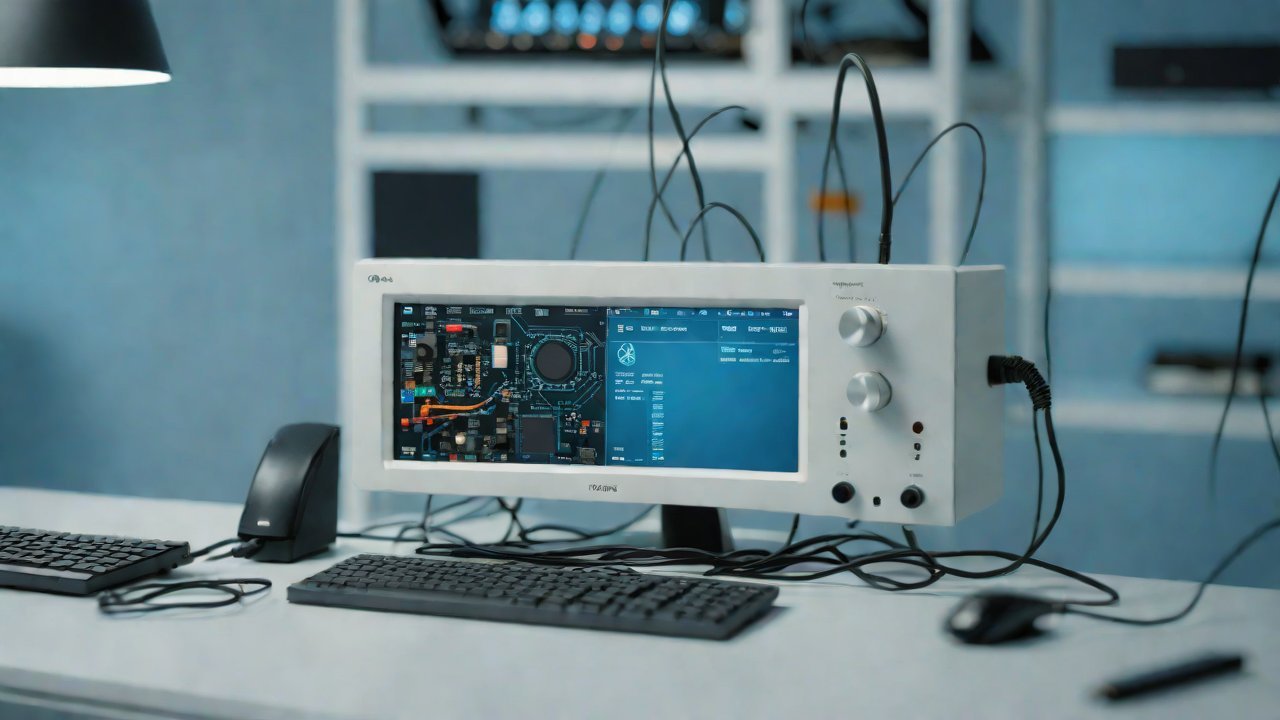
Advantages of UART Interface in IoT
The Universal Asynchronous Receiver-Transmitter (UART) interface has been a cornerstone of communication protocols in the realm of Internet of Things (IoT) for decades. This ubiquitous interface has been the de facto choice for countless embedded systems, enabling seamless data exchange between devices. As the IoT landscape continues to expand, the significance of UART’s advantages in this context becomes increasingly evident.
The sheer volume of data generated by IoT devices is staggering, with estimates suggesting that the global IoT market will produce over 50 zettabytes of data by 2025. This avalanche of information demands efficient and reliable communication protocols that can handle the sheer scale of data exchange. UART’s ability to provide a robust, low-latency, and low-power communication solution makes it an attractive choice for IoT applications.
One of the primary advantages of UART is its simplicity. Unlike other communication protocols, UART requires minimal hardware resources to implement, making it an ideal choice for resource-constrained devices. This simplicity also translates to reduced development time and costs, allowing developers to focus on more complex aspects of their projects.
1. Low-Power Consumption
UART’s low-power consumption is a significant advantage in IoT applications, where devices often operate on battery power. According to a report by MarketsandMarkets, the global IoT market is expected to reach 1.4 billion devices by 2025, with a significant portion of these devices being battery-powered. UART’s ability to operate at low voltages and currents makes it an attractive choice for these devices, reducing power consumption and extending battery life.
| UART Characteristics | Values |
|---|---|
| Voltage Range | 1.8V to 5V |
| Current Consumption | 10mA to 50mA |
| Clock Speed | 1.2 Mbps to 12 Mbps |
2. High Reliability
UART’s high reliability is another significant advantage in IoT applications, where data integrity is paramount. The protocol’s ability to detect and correct errors ensures that data is transmitted accurately, reducing the risk of data corruption and associated costs. According to a report by ResearchAndMarkets, the global IoT market is expected to reach $1.4 trillion by 2027, with a significant portion of this growth driven by the increasing adoption of IoT applications in industries such as manufacturing and healthcare.
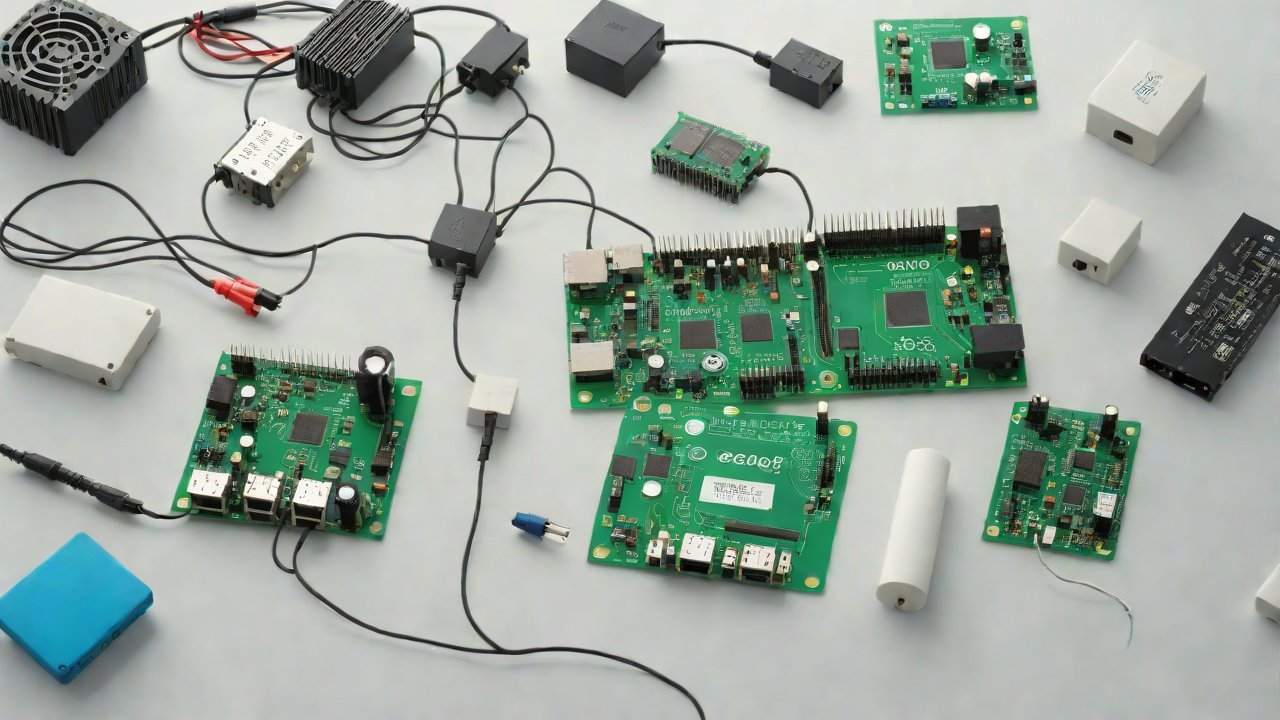
| UART Error Detection and Correction | Values |
|---|---|
| Error Detection | Parity, Framing, and CRC |
| Error Correction | Automatic Retransmit Request (ARR) |
| Data Transfer Rate | Up to 12 Mbps |
3. Flexibility
UART’s flexibility is another significant advantage in IoT applications, where devices often require custom communication protocols. The protocol’s ability to operate at various baud rates and data transfer rates makes it an attractive choice for applications requiring high-speed data transfer. According to a report by Grand View Research, the global IoT market is expected to reach 24.1% CAGR by 2025, driven by the increasing adoption of IoT applications in industries such as agriculture and transportation.
| UART Baud Rate and Data Transfer Rate | Values |
|---|---|
| Baud Rate | 300 bps to 115.2 kbps |
| Data Transfer Rate | Up to 12 Mbps |
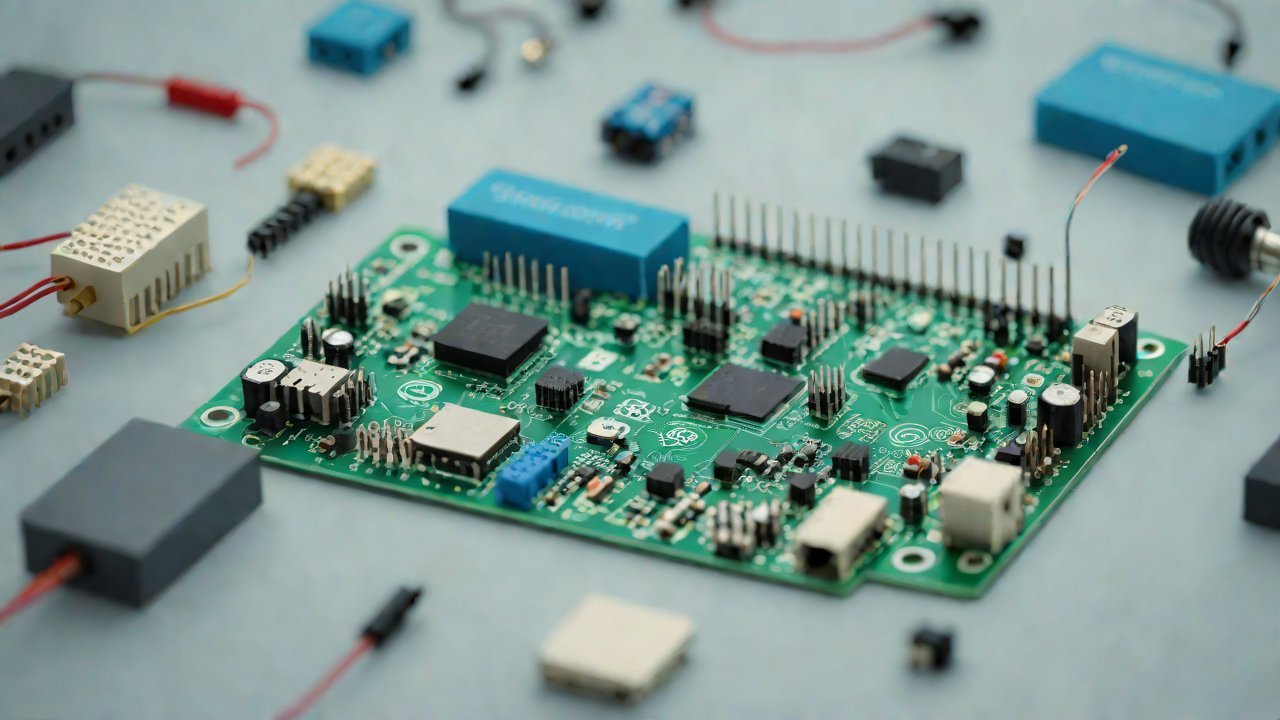
4. Wide Compatibility
UART’s wide compatibility is another significant advantage in IoT applications, where devices often require seamless integration with other systems. The protocol’s ability to operate with various microcontrollers and operating systems makes it an attractive choice for applications requiring interoperability. According to a report by MarketsandMarkets, the global IoT market is expected to reach 1.4 billion devices by 2025, with a significant portion of these devices requiring seamless integration with other systems.
| UART Compatibility | Values |
|---|---|
| Microcontrollers | ARM, x86, and MIPS |
| Operating Systems | Linux, Windows, and Android |
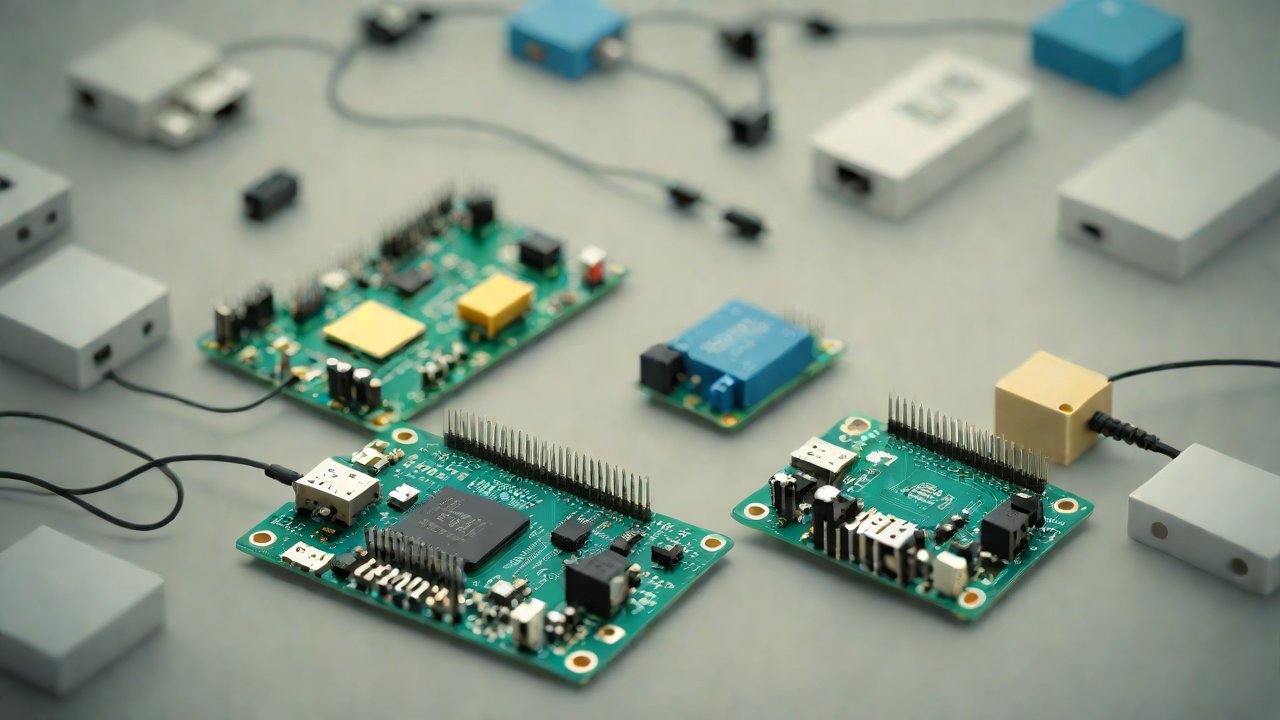
5. Security
UART’s security is another significant advantage in IoT applications, where data protection is paramount. The protocol’s ability to provide secure data transmission and reception makes it an attractive choice for applications requiring high-security standards. According to a report by ResearchAndMarkets, the global IoT market is expected to reach $1.4 trillion by 2027, with a significant portion of this growth driven by the increasing adoption of IoT applications in industries such as finance and healthcare.
| UART Security Features | Values |
|---|---|
| Authentication | Challenge-Response Protocol (CRP) |
| Encryption | Advanced Encryption Standard (AES) |
| Data Integrity | Cryptographic Hash Functions (CHF) |
In conclusion, UART’s advantages in IoT applications are numerous and significant. The protocol’s simplicity, low-power consumption, high reliability, flexibility, wide compatibility, and security features make it an attractive choice for IoT developers. As the IoT landscape continues to expand, the importance of UART’s advantages will only continue to grow.
IOT Cloud Platform
IOT Cloud Platform is an IoT portal established by a Chinese IoT company, focusing on technical solutions in the fields of agricultural IoT, industrial IoT, medical IoT, security IoT, military IoT, meteorological IoT, consumer IoT, automotive IoT, commercial IoT, infrastructure IoT, smart warehousing and logistics, smart home, smart city, smart healthcare, smart lighting, etc.
The IoT Cloud Platform blog is a top IoT technology stack, providing technical knowledge on IoT, robotics, artificial intelligence (generative artificial intelligence AIGC), edge computing, AR/VR, cloud computing, quantum computing, blockchain, smart surveillance cameras, drones, RFID tags, gateways, GPS, 3D printing, 4D printing, autonomous driving, etc.



