Advantages of Smart Meters and Gas Meters
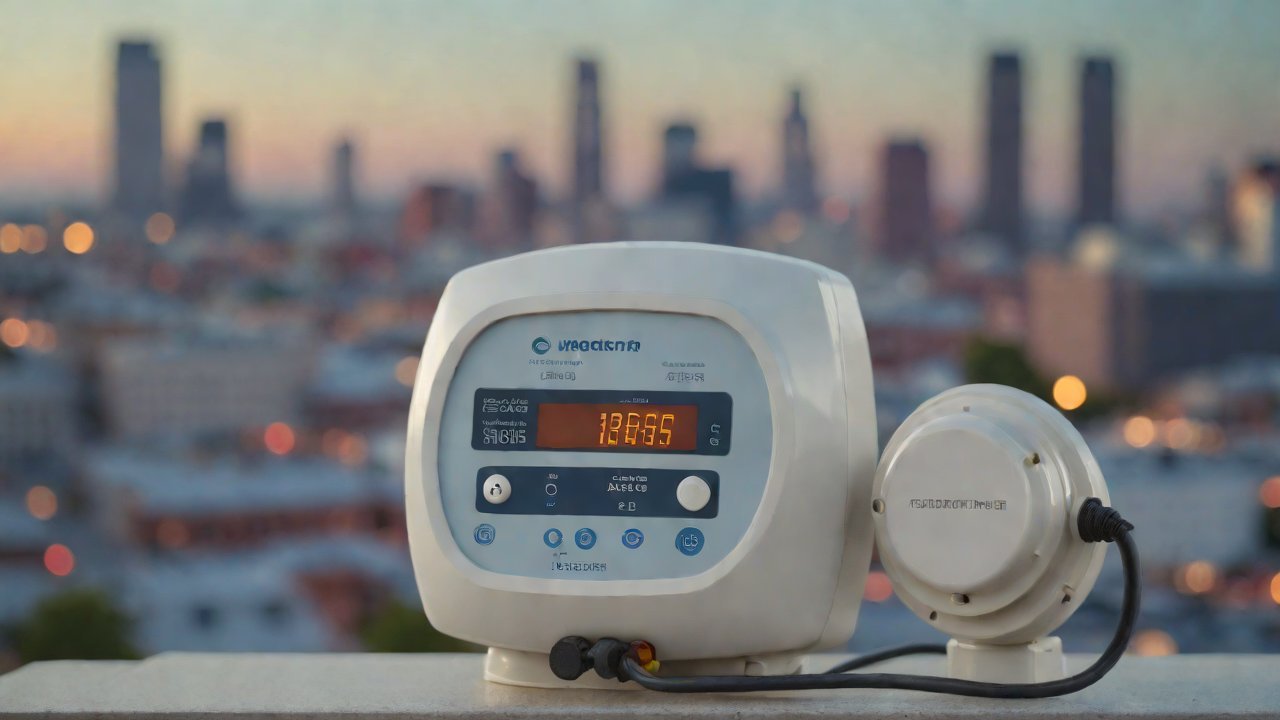
Smart meters have revolutionized the way utilities manage energy distribution, while gas meters have transformed the way households consume natural gas. The integration of these technologies has created a more efficient, reliable, and cost-effective system for both consumers and utility companies.
The widespread adoption of smart meters began in the late 2000s, with many countries implementing mandatory rollouts to improve grid management and reduce energy waste. Smart meters are equipped with advanced sensors that monitor energy usage in real-time, providing accurate and detailed data on consumption patterns. This information enables utilities to optimize their infrastructure, reduce peak demand, and better manage energy distribution.
The benefits of smart meters extend beyond the utility company’s operations. Consumers can also reap numerous advantages from these devices, including:
- Real-time monitoring: Smart meters provide consumers with a clear understanding of their energy usage, enabling them to make informed decisions about their consumption habits.
- Energy savings: By providing detailed data on energy usage, smart meters help households identify areas where they can reduce waste and save money on their energy bills.
- Increased convenience: Smart meters often come equipped with in-home displays that allow consumers to monitor their energy usage from the comfort of their own homes.
Gas meters have also undergone significant transformations in recent years. Modern gas meters are designed to be more accurate, reliable, and efficient than their predecessors. They use advanced technologies such as ultrasonic flow measurement to provide precise readings of gas consumption.
The advantages of smart meters over traditional analog meters are numerous:
| Feature | Description |
|---|---|
| Real-time data | Accurate and detailed information on energy usage |
| Remote reading | Utility companies can collect data without requiring on-site visits |
| Automated billing | Invoices can be generated based on actual consumption, eliminating estimates |
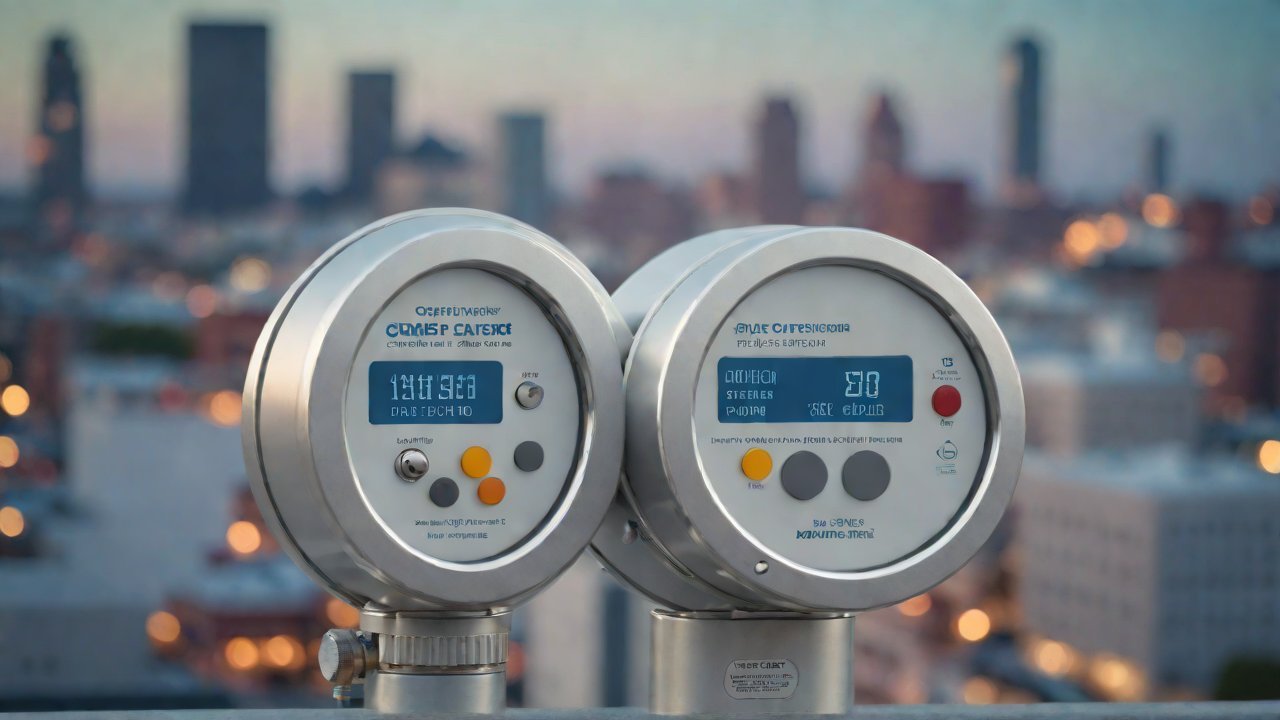
Smart meters have been widely adopted across various industries, including residential, commercial, and industrial sectors.
2. Benefits for Consumers
The benefits of smart meters extend beyond the utility company’s operations. Consumers can also reap numerous advantages from these devices, including:
2.1 Energy Savings
By providing detailed data on energy usage, smart meters help households identify areas where they can reduce waste and save money on their energy bills.
- Reduced energy waste: Smart meters enable consumers to monitor their energy usage in real-time, allowing them to make informed decisions about their consumption habits.
- Increased energy efficiency: By identifying areas of inefficiency, smart meters help households optimize their energy usage and reduce waste.
2.2 Increased Convenience

Smart meters often come equipped with in-home displays that allow consumers to monitor their energy usage from the comfort of their own homes.
- Easy monitoring: Smart meters provide consumers with a clear understanding of their energy usage, enabling them to make informed decisions about their consumption habits.
- Reduced administrative burden: Utility companies can collect data remotely, eliminating the need for on-site visits and reducing the administrative burden on both parties.
3. Comparison with Traditional Analog Meters
Smart meters have several advantages over traditional analog meters:
| Feature | Analog Meter | Smart Meter |
|---|---|---|
| Accuracy | Less accurate due to manual readings | High accuracy through advanced sensors |
| Convenience | Requires on-site visits for reading | Remote reading capabilities |
| Cost | Higher cost due to manual labor and equipment | Lower cost due to reduced labor requirements |
4. Market Trends and Adoption Rates
The adoption of smart meters has been rapid in recent years, with many countries implementing mandatory rollouts to improve grid management and reduce energy waste.
- Global market size: The global smart meter market is expected to reach $45.6 billion by 2025.
- Regional adoption rates: Countries such as the United States, China, and Japan have implemented widespread rollouts of smart meters.
5. Future Developments and Outlook
The integration of IoT technologies and AI-powered analytics will further enhance the capabilities of smart meters in the coming years.
- Increased energy efficiency: Smart meters will enable utilities to optimize their infrastructure and reduce peak demand.
- Improved customer engagement: Consumers will have greater control over their energy usage, enabling them to make informed decisions about their consumption habits.
IOT Cloud Platform
IOT Cloud Platform is an IoT portal established by a Chinese IoT company, focusing on technical solutions in the fields of agricultural IoT, industrial IoT, medical IoT, security IoT, military IoT, meteorological IoT, consumer IoT, automotive IoT, commercial IoT, infrastructure IoT, smart warehousing and logistics, smart home, smart city, smart healthcare, smart lighting, etc.
The IoT Cloud Platform blog is a top IoT technology stack, providing technical knowledge on IoT, robotics, artificial intelligence (generative artificial intelligence AIGC), edge computing, AR/VR, cloud computing, quantum computing, blockchain, smart surveillance cameras, drones, RFID tags, gateways, GPS, 3D printing, 4D printing, autonomous driving, etc.