A 3D monitoring solution for chimney exhaust outlets based on UAV payloads in 2026
As we stand at the cusp of a new decade, the world is witnessing an unprecedented convergence of cutting-edge technologies that are revolutionizing traditional industries and giving birth to novel ones. Among these, Unmanned Aerial Vehicles (UAVs) or drones have emerged as game-changers across various sectors due to their unparalleled flexibility, precision, and cost-effectiveness. The field of infrastructure monitoring is one such area where UAVs are making a significant impact. Specifically, the application of UAV payloads in 3D monitoring solutions for chimney exhaust outlets represents a pivotal shift towards safer, more efficient, and environmentally friendly practices.
1. Market Landscape
The global drone market has been growing at an astonishing rate, with estimates suggesting it will reach $43.9 billion by 2026, up from $24.7 billion in 2020. This growth is driven by the increasing adoption of drones in various industries such as construction, agriculture, and infrastructure monitoring. The use of drones for inspection and monitoring tasks has been particularly noteworthy due to their ability to access hard-to-reach areas without posing a risk to human life.
| Year | Market Size (in $ billion) |
|---|---|
| 2020 | 24.7 |
| 2023 | 34.8 |
| 2026 | 43.9 |

The infrastructure monitoring sector, a key beneficiary of UAV technology, is expected to witness substantial growth due to the increasing demand for efficient and cost-effective monitoring solutions. Drones equipped with specialized payloads can capture high-resolution images and videos from unique angles, providing detailed insights into the condition of structures such as chimney exhaust outlets.
2. Technical Overview
The use of UAVs in infrastructure monitoring is facilitated by their ability to carry various payloads that enable them to perform a range of tasks. For chimney exhaust outlets, the primary concern is ensuring they are operating safely and efficiently while minimizing environmental impact. A 3D monitoring solution using UAV payloads can help achieve this by:
-
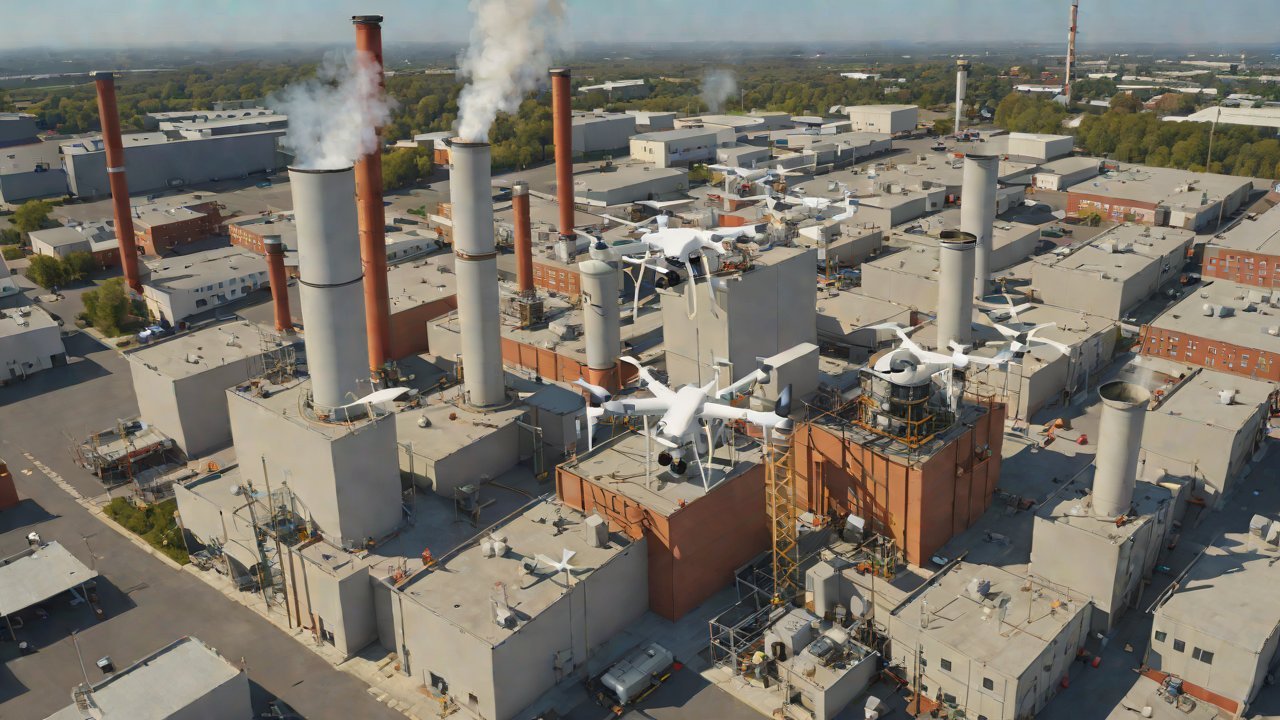
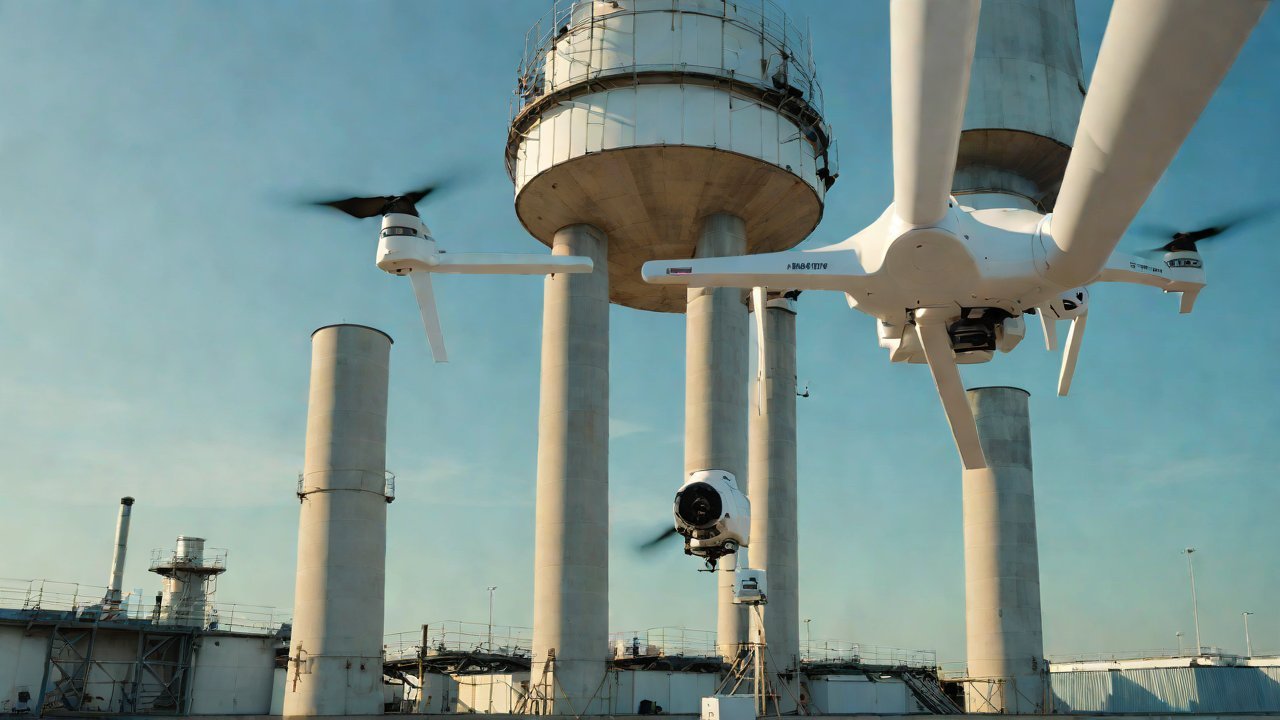
Capturing High-Resolution Images: Equipped with high-resolution cameras, drones can capture detailed images of chimney exhaust outlets from multiple angles, allowing for accurate assessment of their condition.
-
Lidar Scanning: Integrating Lidar (Light Detection and Ranging) technology into UAV payloads enables the creation of 3D models of the outlet’s structure. This is particularly useful for detecting any irregularities or potential hazards.
-
Thermal Imaging: Thermal cameras can detect temperature anomalies, which are indicative of issues such as blockages or damage to the chimney’s internal components.
3. Advantages
The adoption of UAV payloads in 3D monitoring solutions for chimney exhaust outlets offers several advantages over traditional methods:
- Safety: Human inspectors no longer need to physically access hard-to-reach areas, significantly reducing the risk of accidents.
- Cost-Effectiveness: Drones are more cost-effective than hiring specialized personnel or using heavy machinery for inspections.
- Environmental Impact: By minimizing the need for physical access, drones reduce the environmental impact associated with traditional inspection methods.

4. Challenges and Future Directions
Despite its promising outlook, the integration of UAV payloads in 3D monitoring solutions faces several challenges:
- Regulatory Frameworks: The lack of clear regulatory guidelines in many countries hinders widespread adoption.
- Technical Complexity: Ensuring seamless integration with existing infrastructure management systems is a significant technical challenge.
Addressing these challenges will be crucial for the widespread adoption of UAV payloads in monitoring solutions, particularly for critical infrastructure like chimney exhaust outlets.
5. Conclusion
The convergence of UAV technology and advanced sensors has given rise to innovative solutions for infrastructure monitoring, with particular promise for applications such as chimney exhaust outlet inspection. As we move towards a future where technology is increasingly integrated into traditional industries, the potential benefits of these solutions will only continue to grow, making them an indispensable tool in ensuring public safety and environmental sustainability.
6. Recommendations
- Investment in UAV Technology: Companies should invest in developing more sophisticated UAV payloads capable of capturing high-resolution images and performing thermal scanning.
- Regulatory Harmonization: Governments must work towards creating harmonized regulatory frameworks that encourage the adoption of UAV technology across industries.
- Training and Education: There is a need for extensive training programs to equip professionals with the skills necessary to operate and interpret data from UAV payloads.
By addressing these recommendations, we can unlock the full potential of UAVs in infrastructure monitoring, leading to safer, more efficient, and environmentally friendly practices.
IOT Cloud Platform
IOT Cloud Platform is an IoT portal established by a Chinese IoT company, focusing on technical solutions in the fields of agricultural IoT, industrial IoT, medical IoT, security IoT, military IoT, meteorological IoT, consumer IoT, automotive IoT, commercial IoT, infrastructure IoT, smart warehousing and logistics, smart home, smart city, smart healthcare, smart lighting, etc.
The IoT Cloud Platform blog is a top IoT technology stack, providing technical knowledge on IoT, robotics, artificial intelligence (generative artificial intelligence AIGC), edge computing, AR/VR, cloud computing, quantum computing, blockchain, smart surveillance cameras, drones, RFID tags, gateways, GPS, 3D printing, 4D printing, autonomous driving, etc.
Note: This article was professionally generated with the assistance of AIGC and has been fact-checked and manually corrected by IoT expert editor IoTCloudPlatForm.