7 Types and Applications of IoT Electricity Meters
The proliferation of IoT (Internet of Things) technology has transformed various industries, including energy management, by providing real-time data collection, monitoring, and automation capabilities. At the heart of this revolution are smart electricity meters that have evolved beyond mere billing purposes to become integral components of smart grids. These devices enable utilities to monitor consumption patterns in unprecedented detail, facilitating data-driven decision-making and improved customer engagement.
1. Overview of IoT Electricity Meters
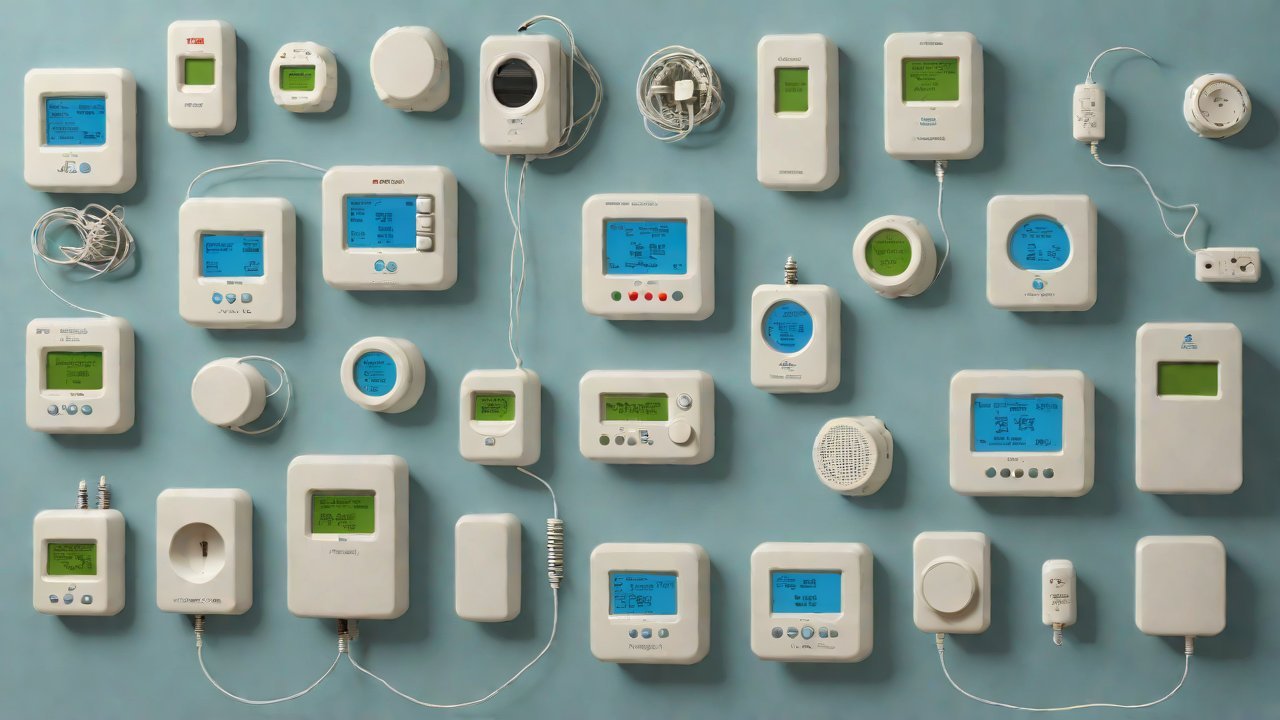
IoT electricity meters are digital versions of traditional mechanical meters, equipped with sensors and communication interfaces that allow for two-way interaction between the meter and the grid. They can be categorized into several types based on their functionality, connectivity options, and form factors. The main applications of these devices include remote monitoring, real-time consumption data collection, automated billing, and predictive maintenance.
Types of IoT Electricity Meters
- Smart Prepaid Meters: These meters enable prepaid electricity services by allowing customers to top up their accounts remotely using mobile apps or cards.
- AMR (Automated Meter Reading) Meters: Equipped with communication modules for wireless data transmission, these meters enable utilities to collect consumption data without manual intervention.
- AMI (Advanced Metering Infrastructure) Meters: These meters are designed for two-way communication and real-time monitoring of energy usage patterns.
- Smart Grid Meters: These devices integrate multiple functions such as AMI, smart charging, and demand response management.
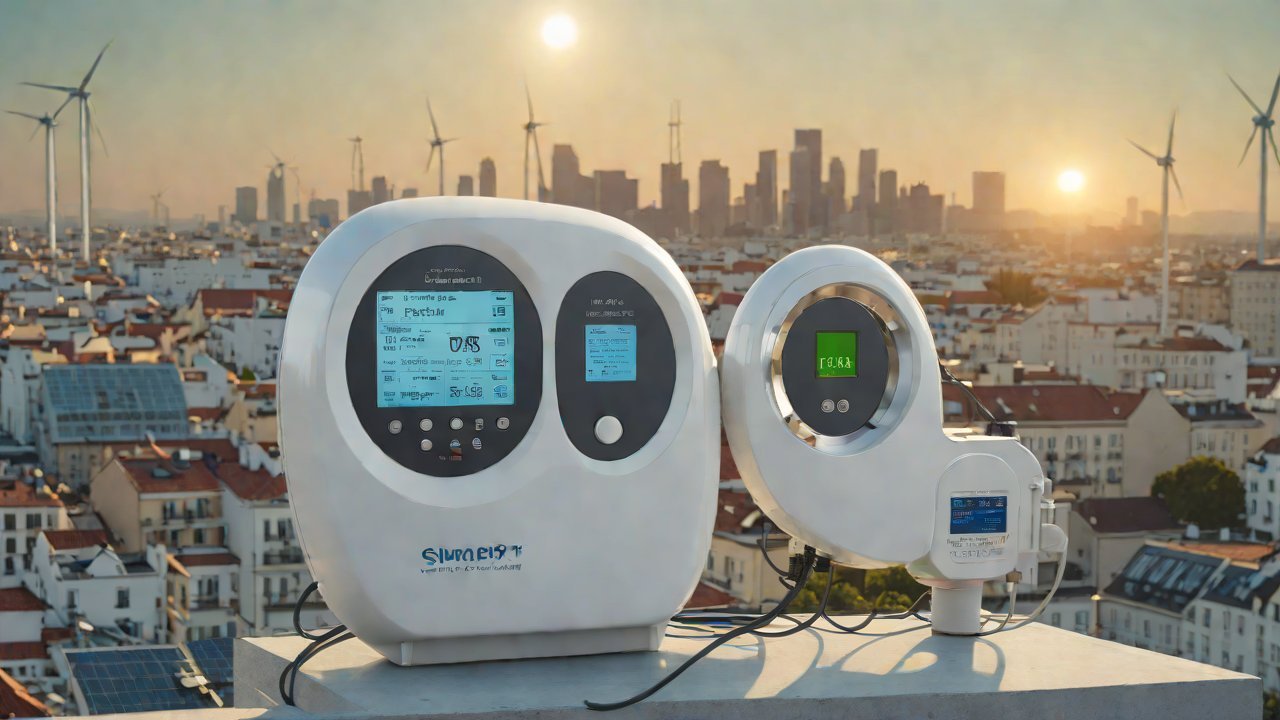
- Solar Inverter Meters: Specifically designed for solar power systems, these meters monitor energy production in real-time.
- Electric Vehicle Charging Point Meters: These meters track electricity consumption by electric vehicles.
2. Applications of IoT Electricity Meters
IoT electricity meters are used across various sectors to enhance efficiency and customer experience:
Residential Sector
- Remote monitoring and automated billing
- Real-time energy usage feedback for consumers
- Prepaid metering for improved payment discipline

Commercial Sector
- Enhanced energy management through real-time data analysis
- Optimized billing and invoicing processes
- Better tracking of electricity costs and consumption patterns
Industrial Sector
- Predictive maintenance for reduced equipment downtime
- Real-time monitoring of high-energy consuming devices
- Improved demand response management to reduce peak loads
3. Market Trends and Outlook
The global market for IoT electricity meters is expected to grow significantly, driven by increasing adoption in residential, commercial, and industrial sectors.
Key Drivers
- Growing Demand for Smart Grids: Utilities are transitioning towards smart grid infrastructure to improve efficiency and customer engagement.
- Increasing Energy Efficiency Concerns: As energy conservation becomes a priority, IoT electricity meters offer real-time insights into consumption patterns.
- Advancements in Communication Technologies: Improved connectivity options such as cellular, Wi-Fi, and LoRaWAN enable seamless data transmission.
Market Size and Growth Projections
The global market for IoT electricity meters is projected to reach $XX billion by XX, with a Compound Annual Growth Rate (CAGR) of XX%.
4. Technical Requirements and Standards
IoT electricity meters must adhere to various technical standards and requirements:
Key Considerations
- Communication Protocols: Devices should support standard communication protocols such as DLMS/COSEM, IEC 62056-5-3, and Zigbee.
- Data Security: Meters must ensure secure data transmission using encryption methods like AES.
- Interoperability: Devices should be compatible with various grid management systems.
Regulatory Framework
Utilities and meter manufacturers must comply with regulatory requirements:
- Standards and Certifications: Devices must meet international standards such as IEC 62056-5-3 and IEEE 1701.
- Grid Interoperability: Meters should be designed to integrate seamlessly into the existing grid infrastructure.
5. Challenges and Future Directions
Despite their benefits, IoT electricity meters face several challenges:
Key Concerns
- Data Security Risks: Devices may be vulnerable to cyber attacks if proper security measures are not implemented.
- Interoperability Issues: Meters from different manufacturers may not integrate smoothly with existing grid systems.
- High Implementation Costs: Utilities may face significant upfront expenses for deploying IoT electricity meters.
Future Developments
- Advancements in AI and ML: Integration of artificial intelligence (AI) and machine learning (ML) capabilities to enhance predictive maintenance and energy forecasting.
- Increased Focus on Energy Efficiency: Growing emphasis on reducing energy consumption through smart grid optimization and demand response management.
- Expansion into New Sectors: IoT electricity meters may find applications in other areas such as transportation, agriculture, and healthcare.
The adoption of IoT electricity meters is transforming the way utilities manage energy distribution and consumption. As this technology continues to evolve, we can expect improvements in efficiency, customer engagement, and overall grid resilience.
IOT Cloud Platform
IOT Cloud Platform is an IoT portal established by a Chinese IoT company, focusing on technical solutions in the fields of agricultural IoT, industrial IoT, medical IoT, security IoT, military IoT, meteorological IoT, consumer IoT, automotive IoT, commercial IoT, infrastructure IoT, smart warehousing and logistics, smart home, smart city, smart healthcare, smart lighting, etc.
The IoT Cloud Platform blog is a top IoT technology stack, providing technical knowledge on IoT, robotics, artificial intelligence (generative artificial intelligence AIGC), edge computing, AR/VR, cloud computing, quantum computing, blockchain, smart surveillance cameras, drones, RFID tags, gateways, GPS, 3D printing, 4D printing, autonomous driving, etc.