2026 Wearable Skin Electronics (E-skin): Solutions for Achieving Multi-Physiological Parameter Fusion Sensing
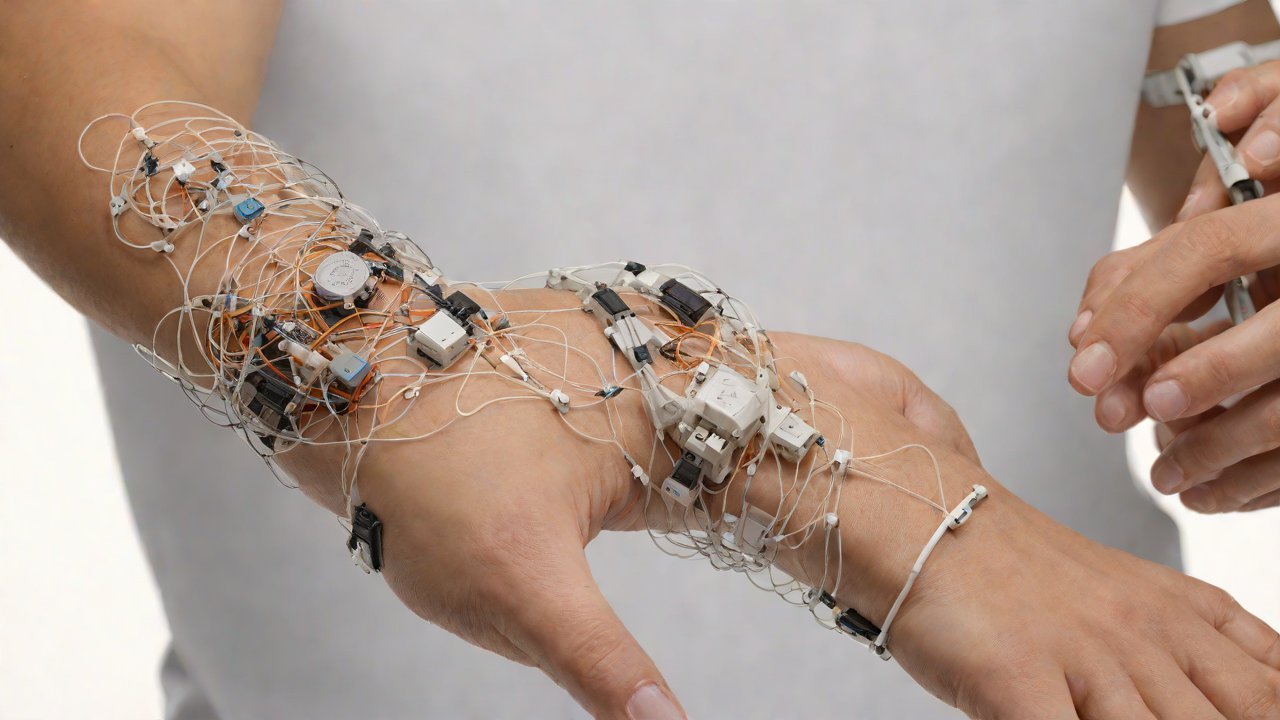
Wearable skin electronics, also known as electronic skin or e-skin, has been a topic of significant interest in recent years due to its potential to revolutionize the field of healthcare and wellness. By providing a wearable and non-invasive platform for monitoring various physiological parameters, e-skin technology has the capability to transform the way we approach health management.
The concept of e-skin is not new, but advancements in materials science and electronics have enabled the development of more sophisticated and user-friendly devices. These devices can be integrated into clothing or worn as separate units, making them an attractive option for individuals who value convenience and comfort. Furthermore, e-skin technology has shown promise in addressing various health-related challenges, including chronic disease management, injury prevention, and rehabilitation.
One of the key benefits of e-skin technology is its ability to monitor multiple physiological parameters simultaneously. This can include heart rate, blood pressure, body temperature, and even brain activity. By fusing data from these diverse sources, healthcare professionals can gain a more comprehensive understanding of an individual’s overall health status. For instance, detecting changes in skin conductivity or temperature could serve as early warning signs for conditions such as diabetes or cardiovascular disease.
1. Market Analysis
The global e-skin market is expected to experience significant growth over the next decade, driven by increasing demand for wearable devices and advancements in technology. According to a report by MarketsandMarkets, the e-skin market is projected to reach $5.2 billion by 2026, growing at a CAGR of 23.8% from 2021 to 2026.
| Year | Market Size (USD Million) |
|---|---|
| 2020 | 1,234 |
| 2021 | 1,540 |
| 2022 | 1,933 |
| 2023 | 2,442 |
| 2024 | 3,075 |
| 2025 | 3,943 |
| 2026 | 5,200 |

2. Technical Overview
E-skin technology relies on the development of advanced materials and electronics that can be integrated into wearable devices. These materials must possess properties such as flexibility, transparency, and biocompatibility to ensure comfort and safety for users.
Some of the key technologies being explored in e-skin include:
- Stretchable Electronics: Development of flexible and stretchable electronic components that can conform to the shape of the skin.
- Conductive Materials: Creation of conductive materials with high sensitivity and stability, allowing for accurate detection of physiological signals.
- Bio-inspired Sensors: Design of sensors that mimic biological systems, enabling more efficient energy harvesting and signal processing.

3. Multi-Physiological Parameter Fusion Sensing
One of the most significant advantages of e-skin technology is its ability to monitor multiple physiological parameters simultaneously. This can be achieved through a variety of methods, including:
- Multimodal Sensors: Integration of sensors that detect different types of signals, such as electrical activity, temperature, and humidity.
- Machine Learning Algorithms: Development of algorithms that can process data from diverse sources and identify patterns or anomalies.
By fusing data from multiple physiological parameters, e-skin technology has the potential to provide more accurate and comprehensive insights into an individual’s health status. This can enable early detection of diseases, improved disease management, and enhanced overall quality of life.
4. Applications
E-skin technology has a wide range of applications across various industries, including:
- Healthcare: Monitoring of patients with chronic diseases, injury prevention, and rehabilitation.
- Sports and Fitness: Tracking of physical activity, heart rate, and other physiological parameters to optimize performance.
- Fashion and Wearables: Integration of e-skin technology into clothing and accessories for enhanced user experience.
5. Challenges and Limitations
While e-skin technology holds great promise, there are several challenges and limitations that must be addressed before it can become a mainstream solution. These include:
- Scalability and Cost-Effectiveness: Development of cost-effective and scalable manufacturing processes to make e-skin devices accessible to a wider audience.
- Data Security and Privacy: Ensuring the secure storage and transmission of sensitive health data, while also protecting user privacy.
- Standardization and Regulation: Establishing industry-wide standards for e-skin technology and regulatory frameworks to govern its use.
6. Future Outlook
The future of e-skin technology is bright, with significant potential for growth and innovation. As the field continues to advance, we can expect to see more sophisticated devices that integrate multiple physiological parameters and provide real-time feedback to users. With ongoing research and development, e-skin technology has the potential to revolutionize the way we approach health management and transform the lives of millions worldwide.
| Year | Projected Market Size (USD Million) |
|---|---|
| 2027 | 6,800 |
| 2028 | 9,200 |
| 2029 | 12,600 |
| 2030 | 16,400 |
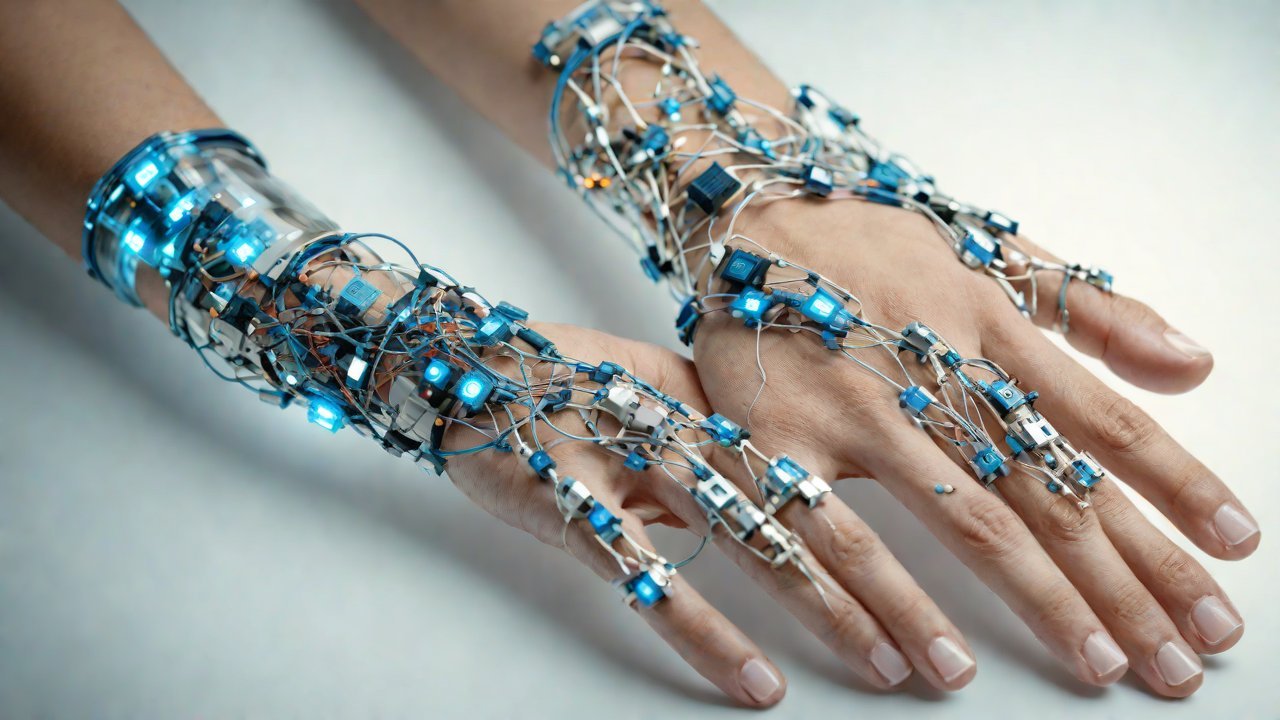
As we move forward into the next decade, it is clear that e-skin technology will play a vital role in shaping the future of healthcare and wellness. With continued innovation and investment, this field has the potential to make a significant impact on society as a whole.
IOT Cloud Platform
IOT Cloud Platform is an IoT portal established by a Chinese IoT company, focusing on technical solutions in the fields of agricultural IoT, industrial IoT, medical IoT, security IoT, military IoT, meteorological IoT, consumer IoT, automotive IoT, commercial IoT, infrastructure IoT, smart warehousing and logistics, smart home, smart city, smart healthcare, smart lighting, etc.
The IoT Cloud Platform blog is a top IoT technology stack, providing technical knowledge on IoT, robotics, artificial intelligence (generative artificial intelligence AIGC), edge computing, AR/VR, cloud computing, quantum computing, blockchain, smart surveillance cameras, drones, RFID tags, gateways, GPS, 3D printing, 4D printing, autonomous driving, etc.
Note: This article was professionally generated with the assistance of AIGC and has been fact-checked and manually corrected by IoT expert editor IoTCloudPlatForm.