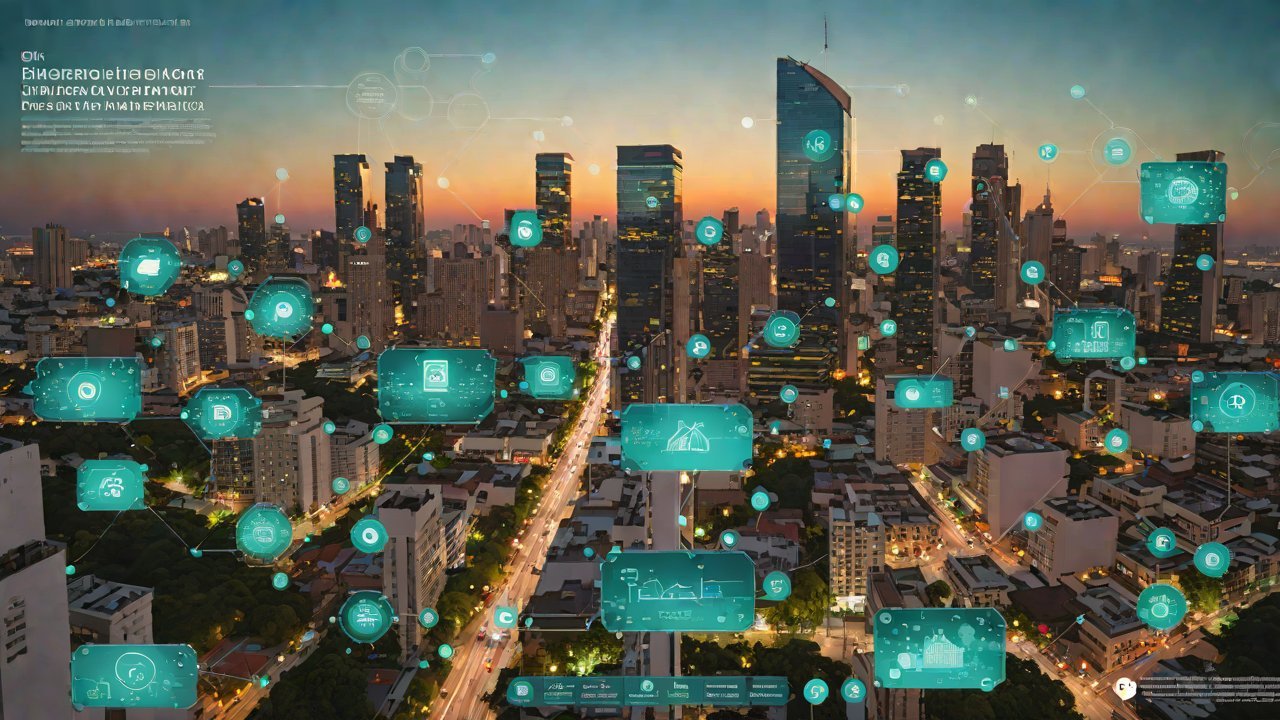
2026 Update: Top 7 Smart Tourism IoT Platforms in Thailand
In recent years, Thailand has been aggressively pursuing its smart tourism strategy to transform the industry into a significant contributor to the country’s GDP. As part of this initiative, numerous Internet of Things (IoT) platforms have emerged to enhance the tourist experience through innovative technologies such as artificial intelligence (AI), big data analytics, and mobile applications.
These cutting-edge solutions aim to improve operational efficiency, provide personalized services, and create immersive experiences for visitors. The integration of IoT in the tourism sector has led to the development of smart cities, airports, hotels, and attractions, revolutionizing the way tourists navigate and engage with destinations.
However, with numerous platforms available, it can be challenging for businesses and travelers alike to identify the most suitable solutions. This report aims to provide an exhaustive analysis of the top 7 smart tourism IoT platforms in Thailand, highlighting their key features, benefits, and market trends.
1. Overview of Smart Tourism IoT Platforms
Smart tourism IoT platforms are designed to leverage data analytics, AI, and mobile technologies to create engaging experiences for tourists. These platforms typically include a range of features such as:
- Geo-location services: enabling tourists to navigate destinations using maps and directions
- Personalized recommendations: suggesting attractions, restaurants, and activities based on individual preferences
- Real-time updates: providing information on events, promotions, and service disruptions
- Mobile payments: facilitating transactions through mobile wallets or credit card integrations
These platforms can be integrated into various touchpoints such as websites, mobile applications, kiosks, or even wearables.
2. Market Size and Growth
The global smart tourism market is projected to reach $1.4 billion by 2025, growing at a CAGR of 25.6% from 2020 to 2025 (Source: MarketsandMarkets). In Thailand, the tourism industry accounted for approximately 12% of GDP in 2020, with over 39 million international visitors (Source: Tourism Authority of Thailand).
The adoption of smart tourism IoT platforms is driven by factors such as:
- Increased demand: tourists seeking personalized experiences and convenience
- Government initiatives: supporting the development of smart cities and tourism infrastructure
- Technological advancements: improving data analytics, AI, and mobile technologies
3. Top 7 Smart Tourism IoT Platforms in Thailand
Table 1: Top 7 Smart Tourism IoT Platforms in Thailand
| Rank | Platform Name | Description |
|---|---|---|
| 1 | Traveloka | Mobile application offering personalized travel recommendations and booking services |
| 2 | Grab | Ride-hailing and logistics platform integrating with tourism destinations and services |
| 3 | Airbnb | Online marketplace for short-term accommodations, promoting local experiences and community engagement |
| 4 | GetYourGuide | Tourist attractions and activities booking platform utilizing AI-powered recommendations |
| 5 | Google Maps | Mapping service providing real-time updates on traffic, events, and point-of-interest information |
| 6 | Moovit | Public transportation app offering route planning and real-time schedules for tourists and locals alike |
| 7 | Chula City | Smart city platform integrating IoT sensors and data analytics to enhance urban services and experiences |


Table 2: Key Features and Benefits
| Platform Name | Key Features | Benefits |
|---|---|---|
| Traveloka | Personalized travel recommendations, booking services | Convenience, cost savings |
| Grab | Ride-hailing, logistics integration | Efficient transportation, reduced waiting times |
| Airbnb | Online marketplace for short-term accommodations | Immersive local experiences, community engagement |
| GetYourGuide | AI-powered tour recommendations | Time-efficient, stress-free planning |
| Google Maps | Real-time updates on traffic, events, and point-of-interest information | Navigation, exploration |
| Moovit | Public transportation app with route planning and real-time schedules | Efficient travel, reduced reliance on taxis or ride-hailing services |
| Chula City | Smart city platform integrating IoT sensors and data analytics | Enhanced urban services, improved quality of life |

4. Market Trends and Future Outlook
The adoption of smart tourism IoT platforms is expected to continue growing as tourists become increasingly tech-savvy and destinations invest in digital transformation.
Key market trends include:
- Increased focus on sustainable tourism: emphasizing eco-friendly practices and responsible travel
- Integration with emerging technologies: such as blockchain, augmented reality (AR), and virtual reality (VR)
- Data-driven decision making: leveraging AI-powered analytics to optimize tourist experiences and destinations
5. Conclusion
The top 7 smart tourism IoT platforms in Thailand have revolutionized the industry by providing innovative solutions for tourists and businesses alike. As the market continues to evolve, it is essential for stakeholders to stay informed about the latest trends and technologies.
By understanding the key features, benefits, and market trends of these platforms, businesses can make informed decisions when selecting suitable solutions for their operations. Similarly, tourists can navigate destinations more efficiently and engage with immersive experiences that cater to their individual preferences.
Ultimately, the future of smart tourism in Thailand depends on the continued investment in digital transformation, innovation, and customer-centricity.
IOT Cloud Platform
IOT Cloud Platform is an IoT portal established by a Chinese IoT company, focusing on technical solutions in the fields of agricultural IoT, industrial IoT, medical IoT, security IoT, military IoT, meteorological IoT, consumer IoT, automotive IoT, commercial IoT, infrastructure IoT, smart warehousing and logistics, smart home, smart city, smart healthcare, smart lighting, etc.
The IoT Cloud Platform blog is a top IoT technology stack, providing technical knowledge on IoT, robotics, artificial intelligence (generative artificial intelligence AIGC), edge computing, AR/VR, cloud computing, quantum computing, blockchain, smart surveillance cameras, drones, RFID tags, gateways, GPS, 3D printing, 4D printing, autonomous driving, etc.