2026 Underground Utility Tunnel Inspection Robot and IoT Sensor Collaborative Solution
The dawn of a new era in underground utility tunnel inspection has arrived, driven by the convergence of cutting-edge robotics and Internet of Things (IoT) technologies. The 2026 Underground Utility Tunnel Inspection Robot and IoT Sensor Collaborative Solution is poised to revolutionize the way we inspect, maintain, and manage complex subterranean infrastructure.
This integrated system brings together advanced robotic inspection capabilities with real-time sensor data analytics, providing unparalleled insights into tunnel condition, performance, and safety. By leveraging AI-powered predictive maintenance, operators can proactively identify potential issues before they become costly problems, reducing downtime and ensuring the reliability of critical services.
The market for underground utility tunnel inspection robots is expected to grow at a CAGR of 12.5% between 2023 and 2026, driven by increasing demand from utilities, transportation agencies, and government entities seeking to modernize their infrastructure management practices. The adoption of IoT sensors in this space will accelerate, with the global market projected to reach $4.8 billion by 2026.
1. Market Overview
The underground utility tunnel inspection robot market is segmented into four main categories:
| Category | Description |
|---|---|
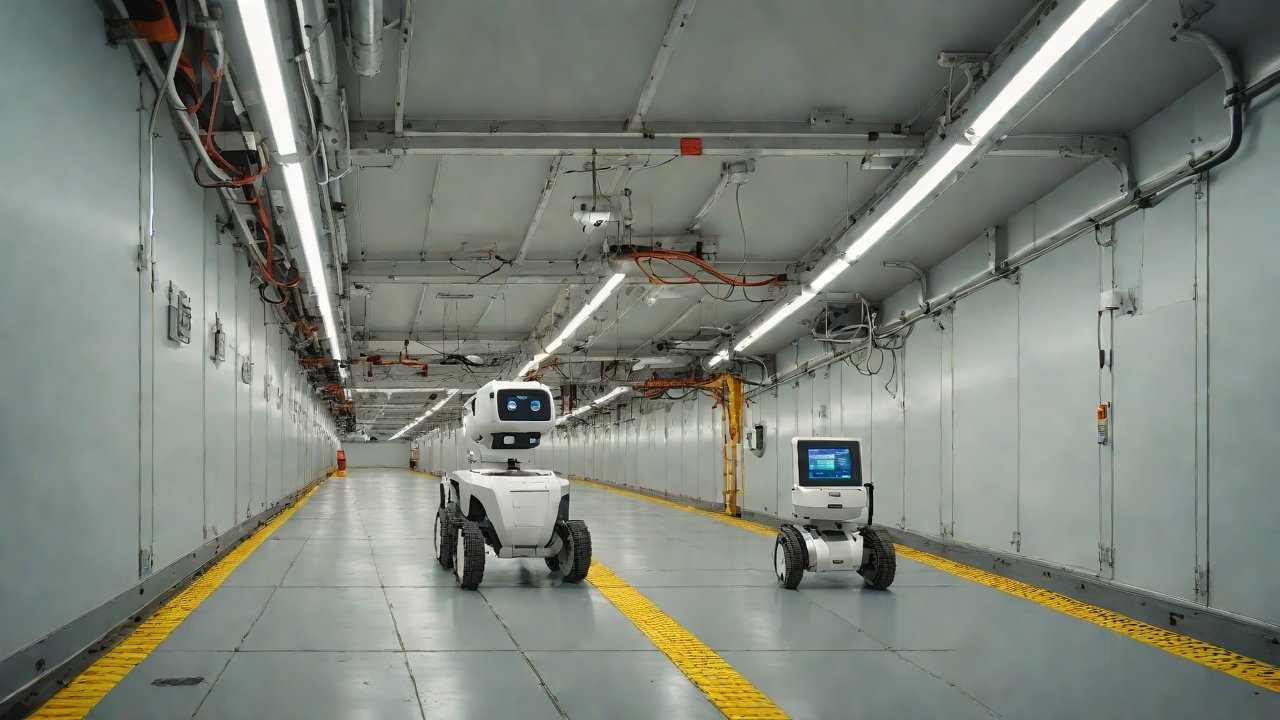
| Type | Inspection robots can be classified as wheeled, tracked, or humanoid; each type has its strengths and weaknesses in navigating complex tunnel environments. |
| Application | Inspection robots are used for various purposes, including utility mapping, cable inspection, structural assessment, and asset management. |
| Industry | Major industries utilizing underground utility tunnel inspection robots include utilities (electricity, gas, water), transportation (roads, rail, airports), and government agencies. |
| Region | Global demand is expected to be highest in North America and Europe, followed by Asia-Pacific and the Middle East & Africa regions. |
2. Technical Overview
The collaborative solution consists of two primary components:
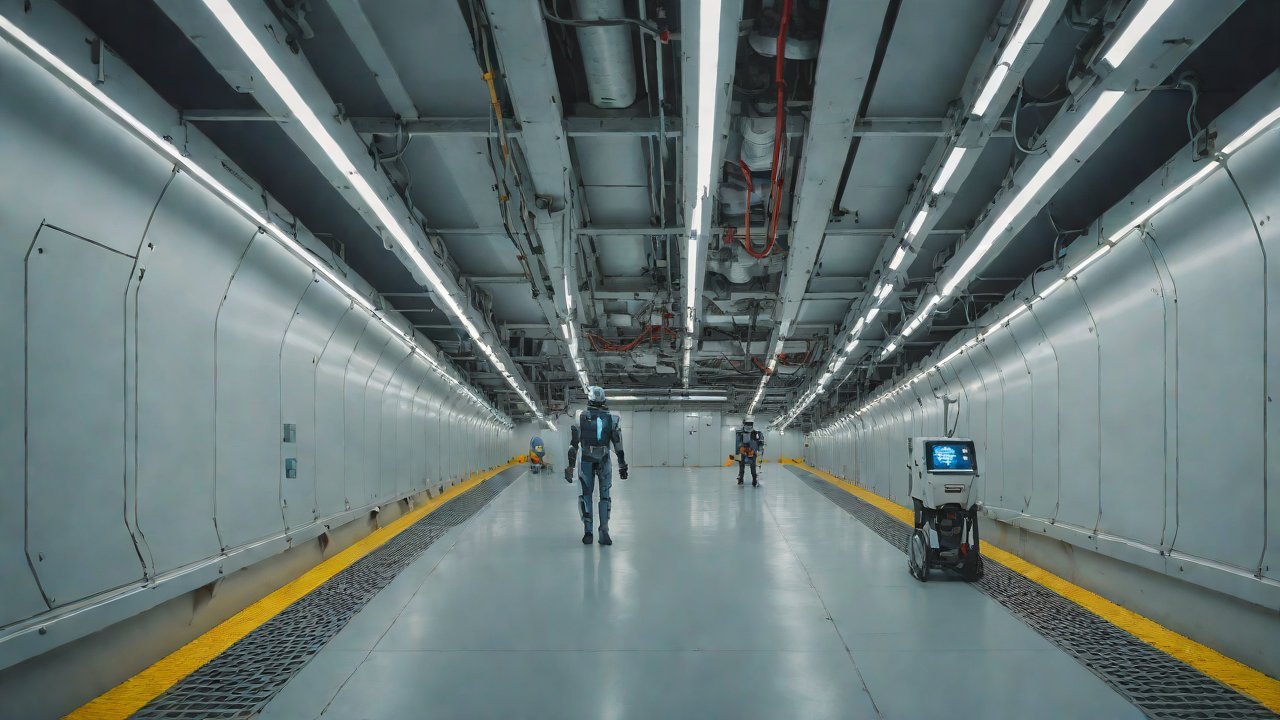
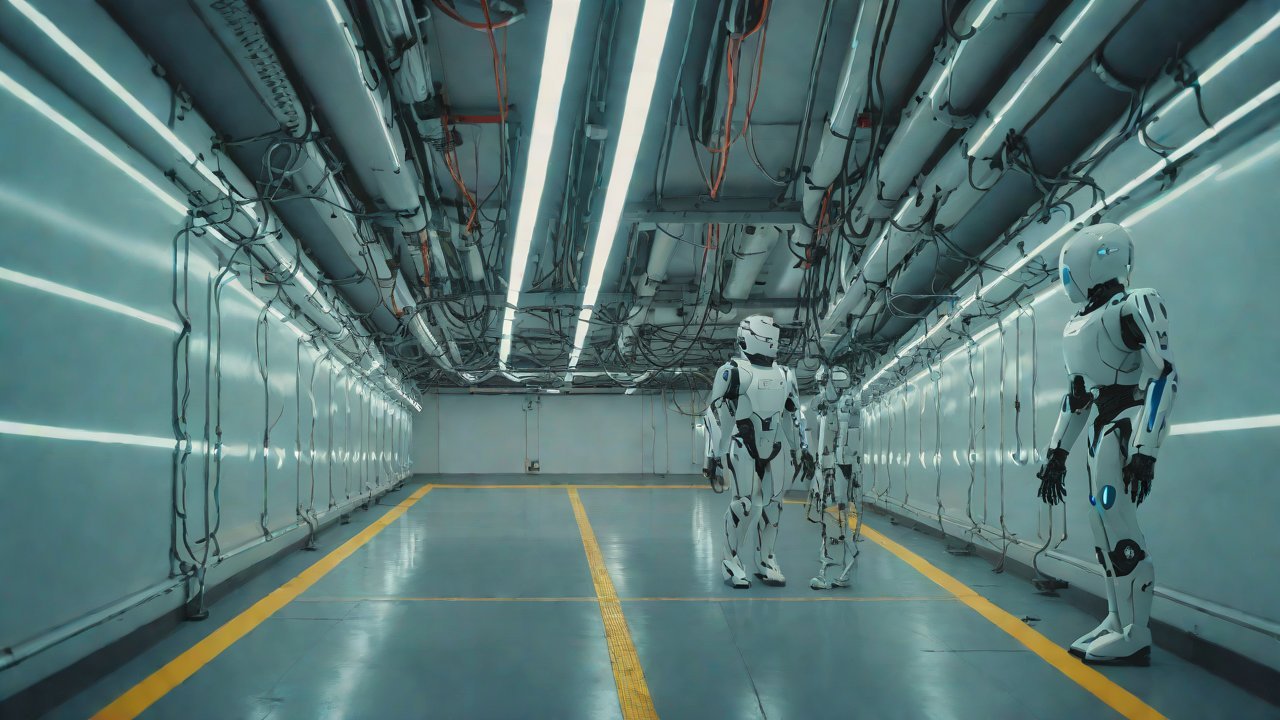
- Inspection Robot: A specially designed robotic platform equipped with high-resolution cameras, sensors (LIDAR, sonar, etc.), and manipulator arms for collecting samples or performing tasks.
- IoT Sensor Network: A distributed network of IoT sensors embedded in the tunnel infrastructure, providing real-time data on temperature, humidity, vibration, and other parameters.
Key Technical Features:
| Feature | Description |
|---|---|
| Autonomy | Robots can operate autonomously for extended periods, reducing manual intervention and increasing efficiency. |
| Sensor Fusion | Combines data from various sensors to create a comprehensive understanding of tunnel conditions. |
| AI-powered Analytics | Advanced algorithms process sensor data to identify patterns, predict maintenance needs, and optimize resource allocation. |
3. Benefits and Advantages
The collaborative solution offers numerous benefits and advantages over traditional inspection methods:
- Improved Safety: Reduced risk for human inspectors, minimizing exposure to hazardous environments.
- Increased Efficiency: Faster data collection and analysis enable proactive maintenance, reducing downtime and costs.
- Enhanced Accuracy: Advanced sensors and AI-powered analytics ensure precise condition assessment and predictive maintenance.
- Real-time Monitoring: IoT sensors provide continuous monitoring, enabling early detection of potential issues.
4. Challenges and Limitations
Despite its numerous benefits, the collaborative solution faces several challenges:
- High Initial Cost: Initial investment in advanced robotic platforms and IoT sensor infrastructure can be prohibitively expensive for some organizations.
- Complexity: Integrating multiple technologies and systems can be daunting, requiring significant expertise and resources.
- Data Security: Ensuring the integrity and security of sensitive data collected by IoT sensors is a pressing concern.
5. Future Outlook
As technology continues to advance, we can expect the 2026 Underground Utility Tunnel Inspection Robot and IoT Sensor Collaborative Solution to become increasingly sophisticated:
- Advancements in Robotics: Improved navigation, manipulation, and sensor capabilities will enhance inspection efficiency and accuracy.
- Increased Adoption of IoT: Expanded use of IoT sensors will provide more comprehensive data, enabling predictive maintenance and real-time monitoring.
- Integration with Other Technologies: Collaboration with emerging technologies like blockchain, augmented reality, and artificial intelligence will further optimize the solution.
The convergence of robotics and IoT technologies is transforming the underground utility tunnel inspection landscape. As the market continues to evolve, we can expect significant advancements in technology, increased adoption, and improved outcomes for infrastructure management and maintenance.
IOT Cloud Platform
IOT Cloud Platform is an IoT portal established by a Chinese IoT company, focusing on technical solutions in the fields of agricultural IoT, industrial IoT, medical IoT, security IoT, military IoT, meteorological IoT, consumer IoT, automotive IoT, commercial IoT, infrastructure IoT, smart warehousing and logistics, smart home, smart city, smart healthcare, smart lighting, etc.
The IoT Cloud Platform blog is a top IoT technology stack, providing technical knowledge on IoT, robotics, artificial intelligence (generative artificial intelligence AIGC), edge computing, AR/VR, cloud computing, quantum computing, blockchain, smart surveillance cameras, drones, RFID tags, gateways, GPS, 3D printing, 4D printing, autonomous driving, etc.