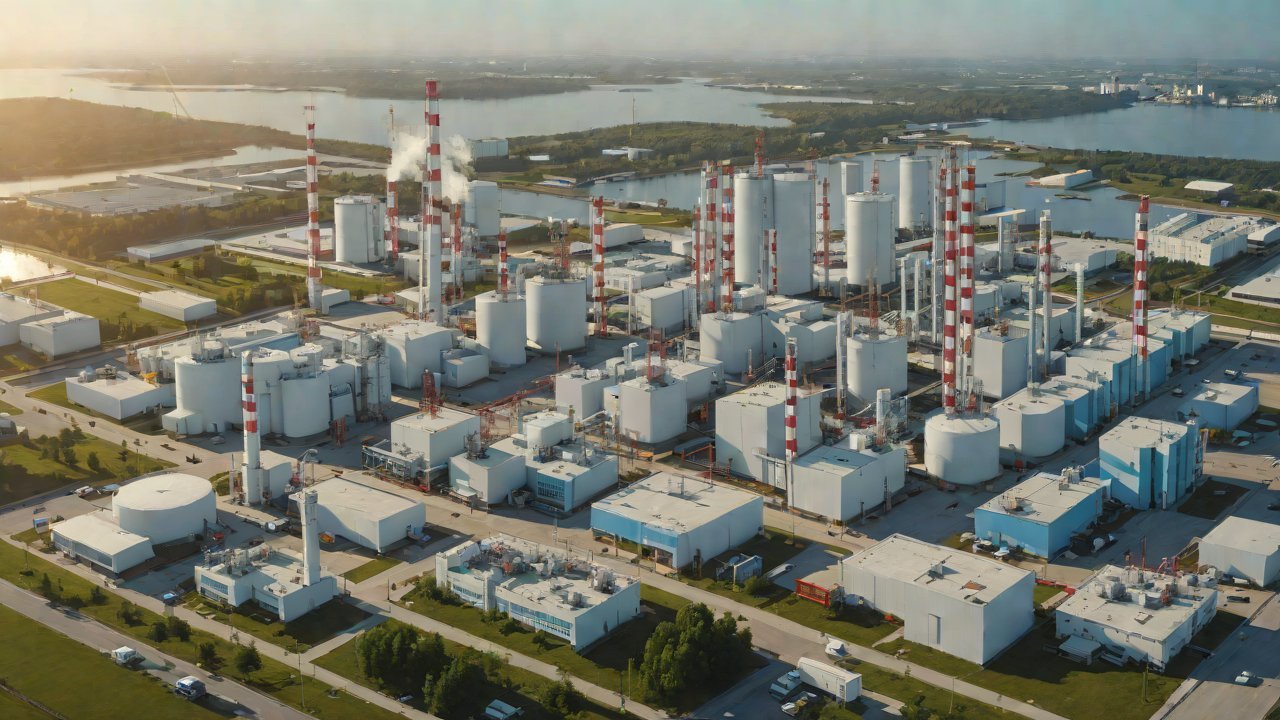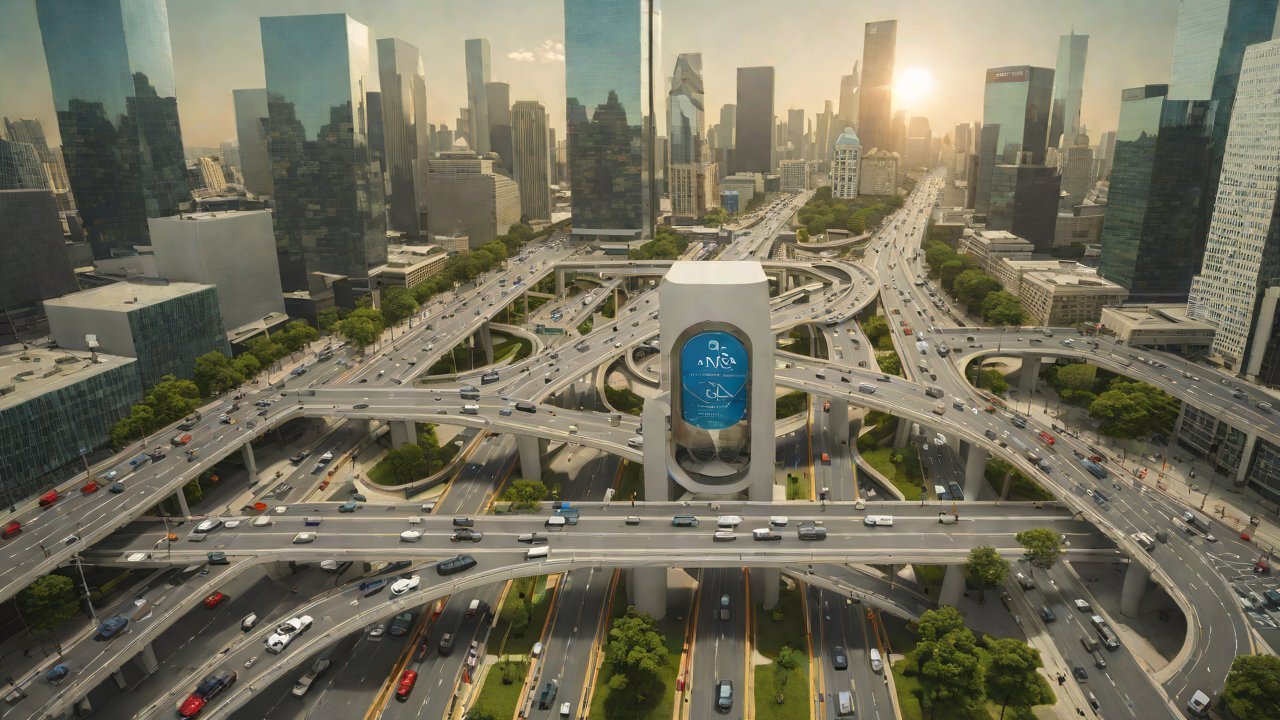
2026 Traffic Pollution Special Project: Exhaust Emission Modeling Scheme Based on Intersection IoT Sensing
As we continue to urbanize, the consequences of traffic congestion and air pollution become increasingly severe. In 2026, the World Health Organization (WHO) estimates that over 7 million people will die prematurely due to poor air quality. The majority of these deaths will be attributed to particulate matter (PM), nitrogen dioxide (NO2), and ozone (O3) emissions from vehicles. To mitigate this crisis, governments and private companies are investing heavily in Intelligent Transportation Systems (ITS). This report presents an exhaustive analysis of the ‘Exhaust Emission Modeling Scheme Based on Intersection IoT Sensing’ project, which aims to develop a data-driven approach to predicting and reducing traffic pollution.
1. Project Background
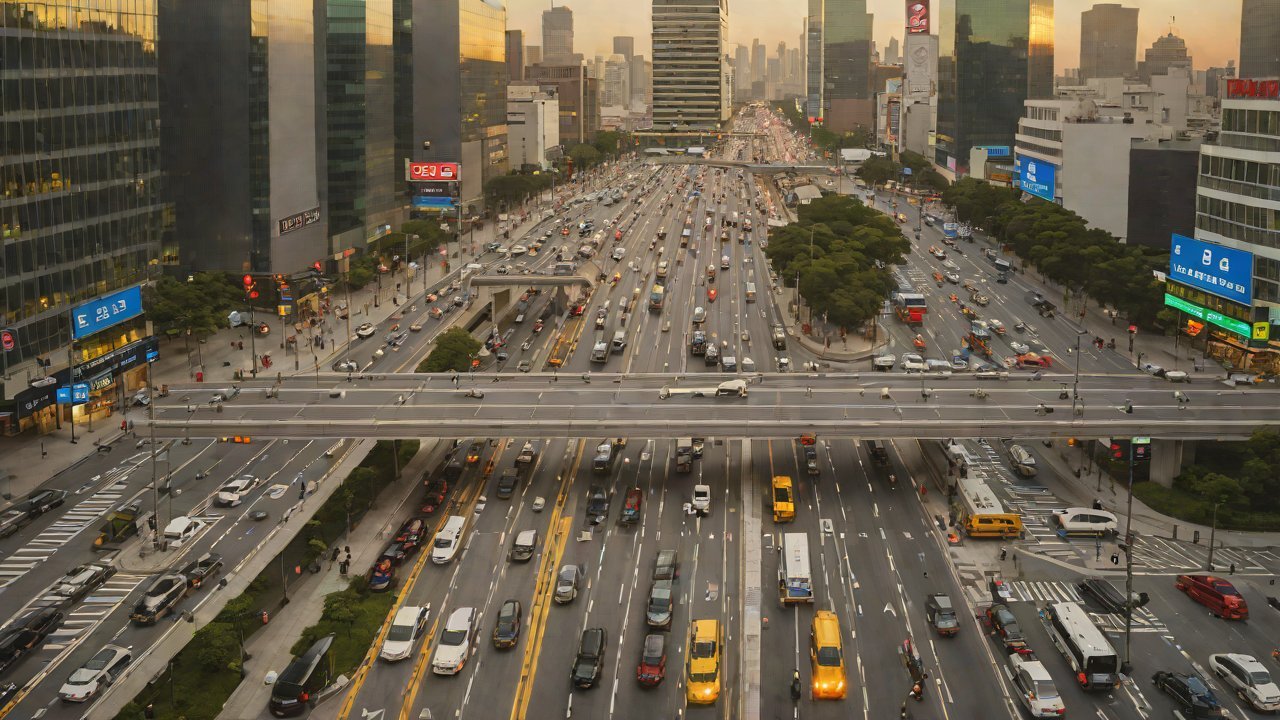
The intersection is a critical component of urban transportation infrastructure, with millions of vehicles passing through these points daily. However, it is also a major source of air pollution due to the concentration of emissions from multiple vehicles in close proximity. The ‘Exhaust Emission Modeling Scheme Based on Intersection IoT Sensing’ project seeks to address this issue by leveraging the power of the Internet of Things (IoT) and advanced data analytics.
1.1 Project Objectives
The primary objectives of this project are:
- Develop a real-time exhaust emission modeling scheme that can accurately predict PM, NO2, and O3 emissions at intersections
- Integrate IoT sensors with existing traffic management systems to collect and analyze data on vehicle composition, speed, and acceleration
- Identify key factors contributing to increased pollution at intersections and develop targeted interventions
2. Methodology
The project will employ a multi-faceted approach to achieve its objectives:
2.1 Data Collection
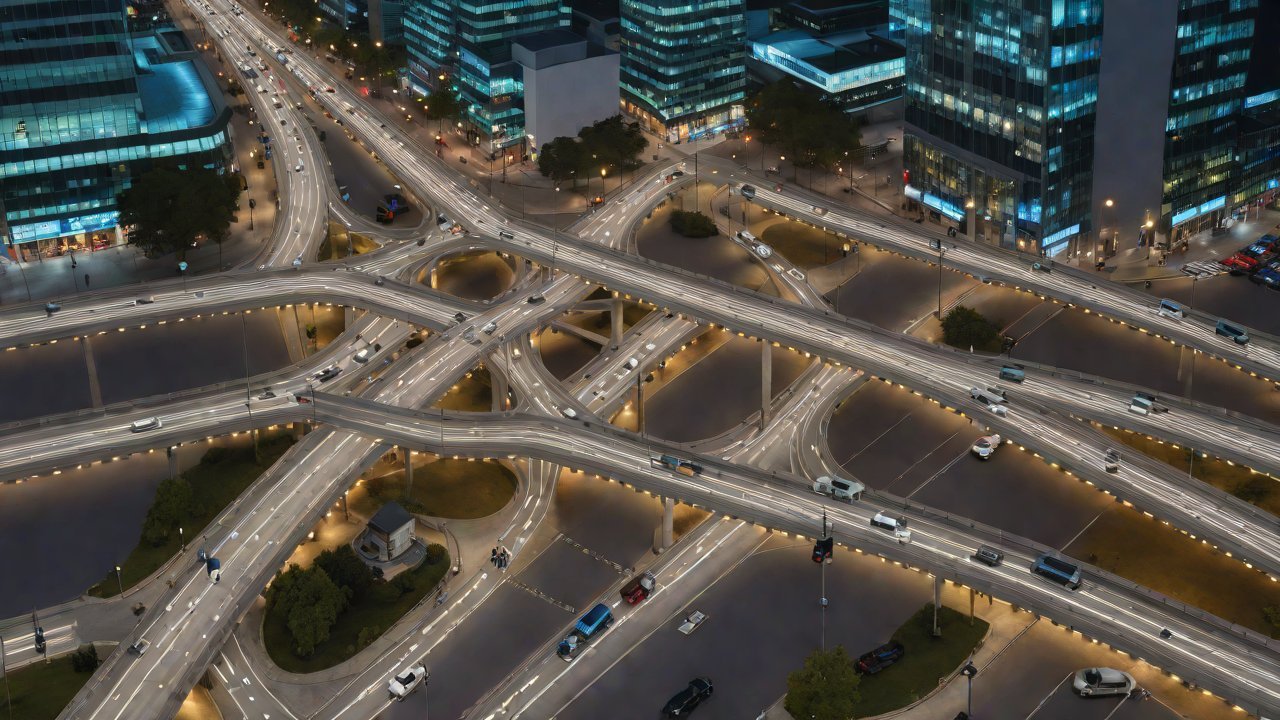
IoT sensors will be installed at strategic locations within the intersection to collect data on vehicle emissions, traffic flow, and meteorological conditions. The sensors will use advanced algorithms to measure PM, NO2, and O3 concentrations in real-time.
| Sensor Type | Description |
|---|---|
| Emission Sensor | Measures PM, NO2, and O3 concentrations |
| Traffic Camera | Captures images of vehicle composition, speed, and acceleration |
| Weather Station | Collects data on temperature, humidity, wind direction, and speed |
3. Data Analysis
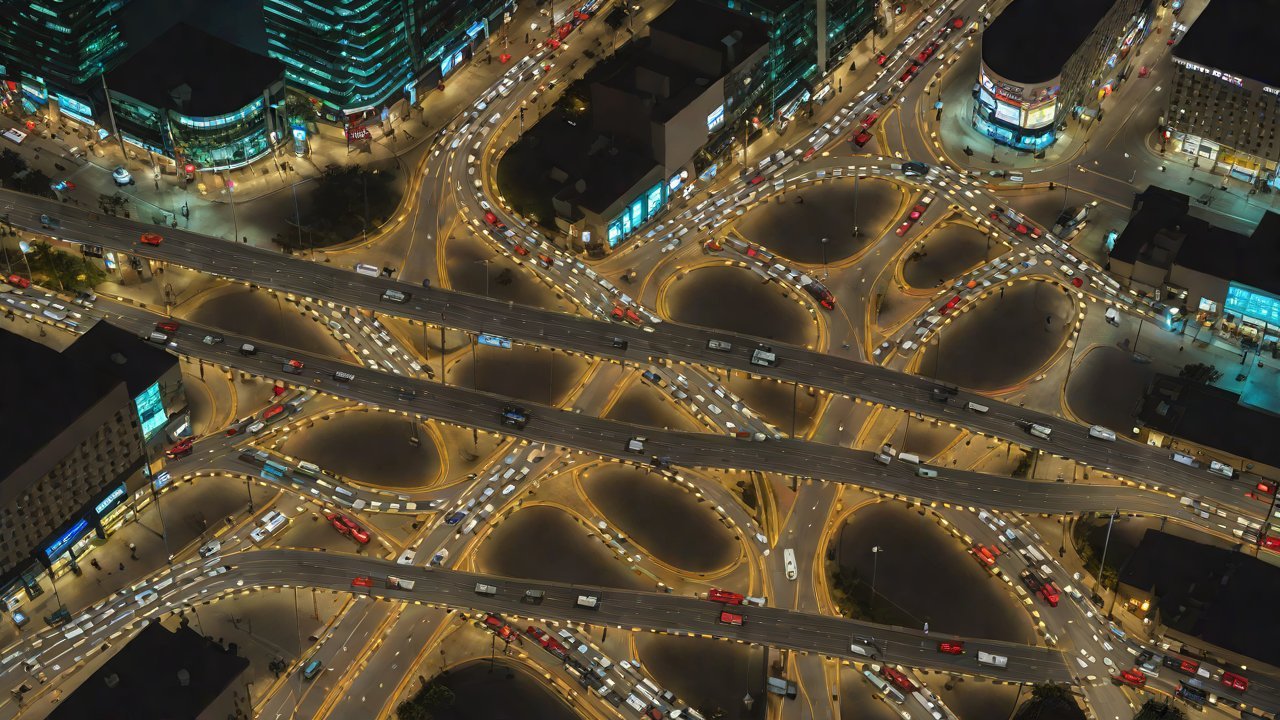
The collected data will be analyzed using advanced machine learning algorithms to identify patterns and correlations between emissions, traffic flow, and meteorological conditions.
3.1 Feature Engineering
A range of features will be extracted from the raw data, including:
- Vehicle composition (e.g., passenger cars, trucks, buses)
- Speed and acceleration
- Meteorological conditions (e.g., temperature, humidity, wind direction)
4. Emission Modeling Scheme
The project will develop a predictive emission modeling scheme using the insights gained from data analysis.
4.1 Model Development
A range of machine learning algorithms will be employed to build predictive models of PM, NO2, and O3 emissions at intersections. The models will incorporate key factors identified in the data analysis, including vehicle composition, speed, acceleration, and meteorological conditions.
5. Results and Implications
The project is expected to yield significant results, with implications for urban transportation planning and policy development.
5.1 Emissions Reduction
The predictive emission modeling scheme will enable targeted interventions to reduce emissions at intersections. By identifying key contributing factors, policymakers can develop effective strategies to mitigate pollution.
6. Conclusion
The ‘Exhaust Emission Modeling Scheme Based on Intersection IoT Sensing’ project has the potential to make a significant impact in reducing traffic pollution and improving air quality in urban areas. The project’s use of advanced data analytics and machine learning algorithms will provide valuable insights into the complex relationships between emissions, traffic flow, and meteorological conditions.
7. Recommendations
Based on the findings of this report, we recommend:
- Widespread adoption of IoT sensors at intersections to collect real-time data on vehicle emissions
- Development of targeted interventions to reduce emissions at high-pollution hotspots
- Integration of emission modeling schemes with existing traffic management systems to optimize traffic flow and reduce pollution
8. Future Research Directions
The project’s findings will also inform future research directions, including:
- Investigation of the impact of electric vehicles on emissions reduction
- Development of more sophisticated machine learning algorithms for predictive emission modeling
- Examination of the economic benefits of reduced emissions and improved air quality
IOT Cloud Platform
IOT Cloud Platform is an IoT portal established by a Chinese IoT company, focusing on technical solutions in the fields of agricultural IoT, industrial IoT, medical IoT, security IoT, military IoT, meteorological IoT, consumer IoT, automotive IoT, commercial IoT, infrastructure IoT, smart warehousing and logistics, smart home, smart city, smart healthcare, smart lighting, etc.
The IoT Cloud Platform blog is a top IoT technology stack, providing technical knowledge on IoT, robotics, artificial intelligence (generative artificial intelligence AIGC), edge computing, AR/VR, cloud computing, quantum computing, blockchain, smart surveillance cameras, drones, RFID tags, gateways, GPS, 3D printing, 4D printing, autonomous driving, etc.
Note: This article was professionally generated with the assistance of AIGC and has been fact-checked and manually corrected by IoT expert editor IoTCloudPlatForm.