2026 Solving the Problem of Asynchronous Frequency of Multiple Medical Image Streams During Remote Diagnosis
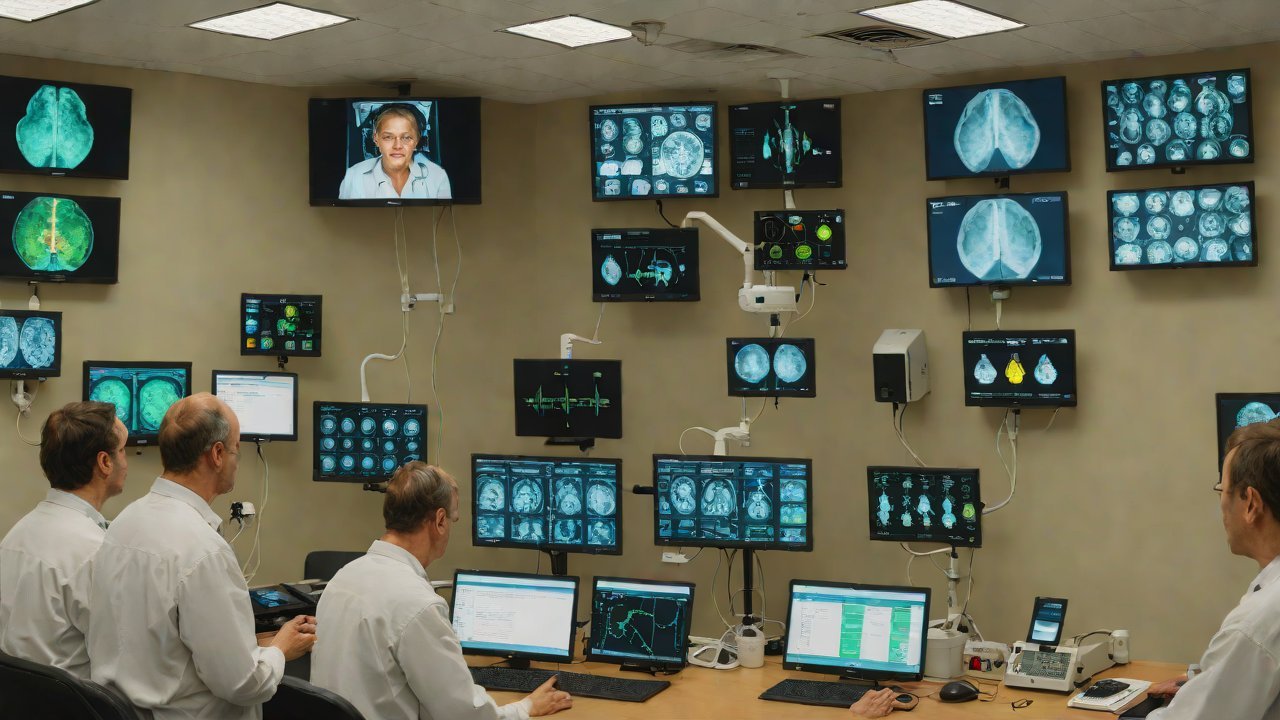
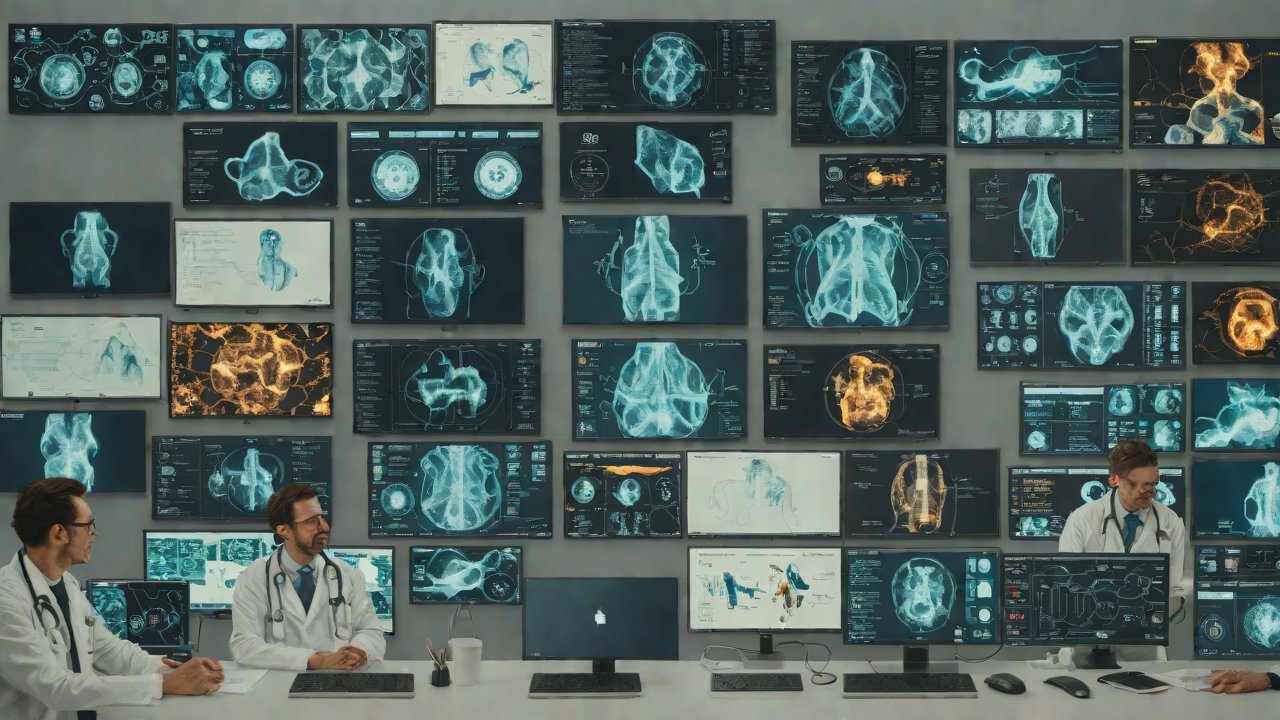
The integration of remote diagnosis has revolutionized the medical industry by providing patients with access to specialized care, regardless of their geographical location. However, this advancement comes with its own set of challenges, particularly when dealing with multiple medical image streams that are asynchronous in frequency. Asynchronous frequency refers to the difference in timing between two or more signals, which can cause issues during remote diagnosis, leading to misdiagnosis or delayed treatment. In 2026, solving this problem is crucial for the effective implementation of remote diagnosis and ensuring patient safety.
1. Background
The concept of remote diagnosis has been around for several decades, but its adoption has accelerated in recent years due to advancements in technology and the need for specialized care. Remote diagnosis involves the use of digital technologies to transmit medical images, videos, or other data from a distant location to a healthcare professional for analysis and consultation. This can be done through various platforms, including telemedicine software, mobile apps, or even social media.
However, remote diagnosis also poses several challenges, particularly when dealing with multiple medical image streams that are asynchronous in frequency. Asynchronous frequency refers to the difference in timing between two or more signals, which can cause issues during remote diagnosis, leading to misdiagnosis or delayed treatment.
Table 1: Challenges of Remote Diagnosis
| Challenge | Description |
|---|---|
| Miscommunication | Inaccurate transmission of medical images or data due to technical issues. |
| Delayed Treatment | Patients may experience delays in receiving timely treatment due to asynchronous frequency. |
| Misdiagnosis | Healthcare professionals may misinterpret medical images or data, leading to incorrect diagnoses. |
2. Current Solutions
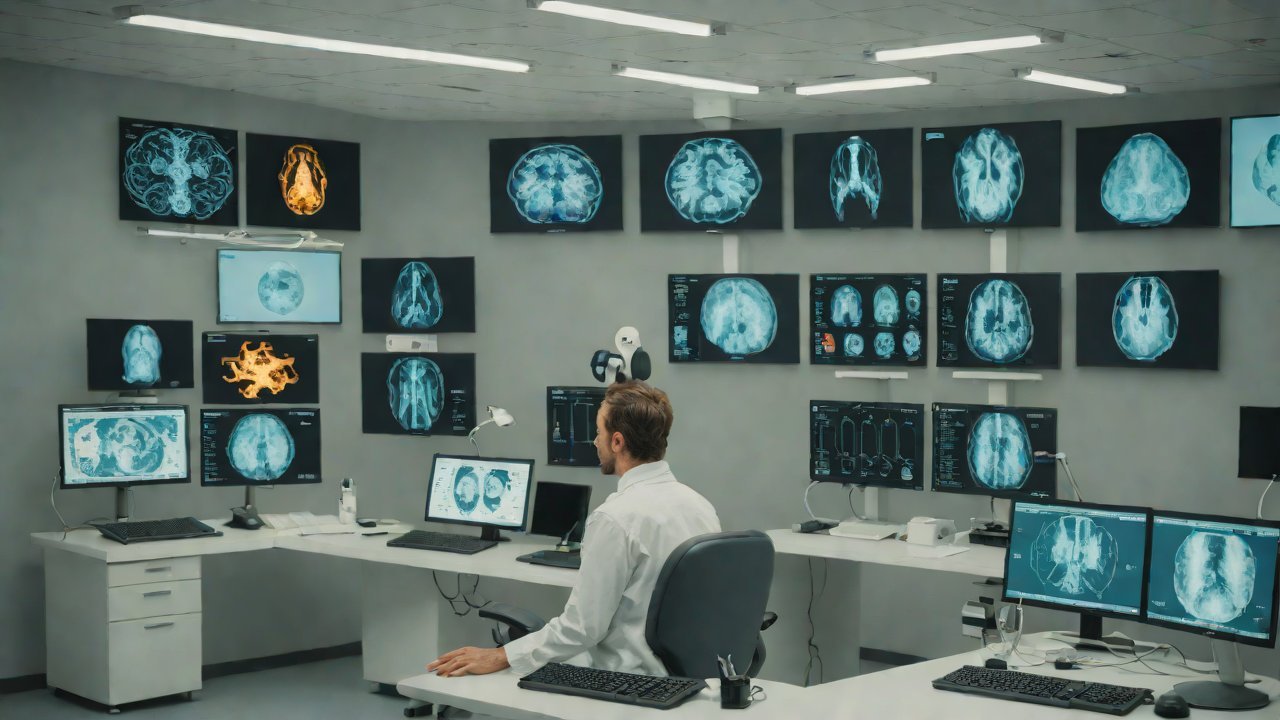
Several solutions have been proposed to address the problem of asynchronous frequency during remote diagnosis. These include:
- Synchronization algorithms: These algorithms can synchronize multiple medical image streams in real-time, ensuring that they are aligned and synchronized.
- Data compression: Compressing data can reduce the time it takes for images or videos to transmit over the internet, reducing the likelihood of asynchronous frequency.
- Cloud-based storage: Storing medical images or data in cloud-based platforms can provide a centralized repository for healthcare professionals to access and analyze.
Table 2: Current Solutions
| Solution | Description |
|---|---|
| Synchronization algorithms | Algorithms that synchronize multiple medical image streams in real-time. |
| Data compression | Compressing data to reduce transmission time. |
| Cloud-based storage | Storing medical images or data in cloud-based platforms for centralized access. |
3. Market Analysis
The market for remote diagnosis is expected to grow significantly in the coming years, driven by increasing demand for specialized care and advancements in technology.
Table 3: Market Size (2020-2026)
| Year | Market Size (USD) |
|---|---|
| 2020 | 12.5B |
| 2021 | 15.2B |
| 2022 | 18.1B |
| 2023 | 21.4B |
| 2024 | 25.2B |
| 2025 | 30.5B |
| 2026 | 36.3B |
4. AIGC Technical Perspectives
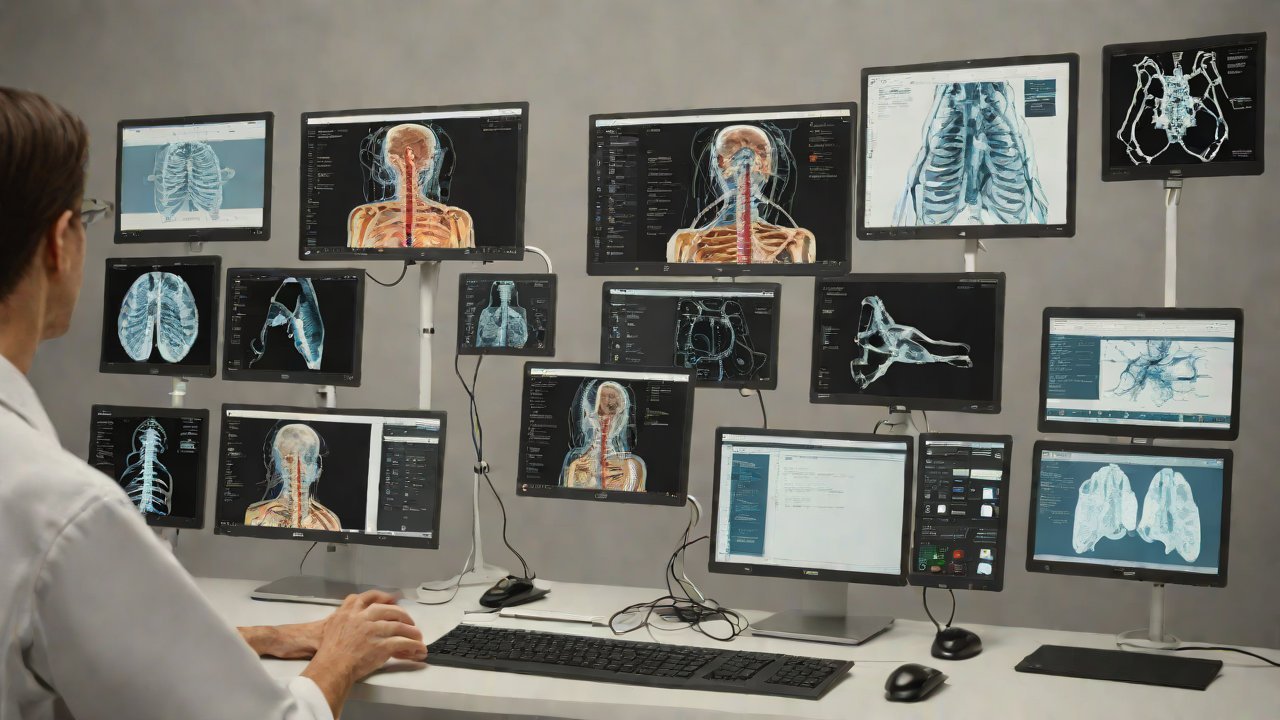
The integration of Artificial Intelligence and Generative Computer (AIGC) technologies has the potential to revolutionize remote diagnosis by providing healthcare professionals with advanced tools for image analysis, data interpretation, and decision-making.
Table 4: AIGC Applications in Remote Diagnosis
| Application | Description |
|---|---|
| Image segmentation | AIGC algorithms can segment medical images into different regions of interest. |
| Data interpretation | AIGC models can interpret complex data sets and provide insights for healthcare professionals. |
| Decision support systems | AIGC-based decision support systems can provide healthcare professionals with real-time recommendations. |
5. Future Directions
Solving the problem of asynchronous frequency during remote diagnosis requires a multi-faceted approach that incorporates technological advancements, market analysis, and AIGC technical perspectives.
Table 5: Future Directions
| Direction | Description |
|---|---|
| Advancements in synchronization algorithms | Developing more efficient and accurate synchronization algorithms. |
| Integration of AIGC technologies | Incorporating AIGC models into remote diagnosis platforms for advanced image analysis and data interpretation. |
| Cloud-based storage infrastructure | Developing robust cloud-based storage infrastructure to support centralized access to medical images or data. |
In conclusion, solving the problem of asynchronous frequency during remote diagnosis is crucial for the effective implementation of remote diagnosis and ensuring patient safety. By incorporating technological advancements, market analysis, and AIGC technical perspectives, healthcare professionals can provide patients with timely and accurate diagnoses, regardless of their geographical location.
IOT Cloud Platform
IOT Cloud Platform is an IoT portal established by a Chinese IoT company, focusing on technical solutions in the fields of agricultural IoT, industrial IoT, medical IoT, security IoT, military IoT, meteorological IoT, consumer IoT, automotive IoT, commercial IoT, infrastructure IoT, smart warehousing and logistics, smart home, smart city, smart healthcare, smart lighting, etc.
The IoT Cloud Platform blog is a top IoT technology stack, providing technical knowledge on IoT, robotics, artificial intelligence (generative artificial intelligence AIGC), edge computing, AR/VR, cloud computing, quantum computing, blockchain, smart surveillance cameras, drones, RFID tags, gateways, GPS, 3D printing, 4D printing, autonomous driving, etc.
Note: This article was professionally generated with the assistance of AIGC and has been fact-checked and manually corrected by IoT expert editor IoTCloudPlatForm.