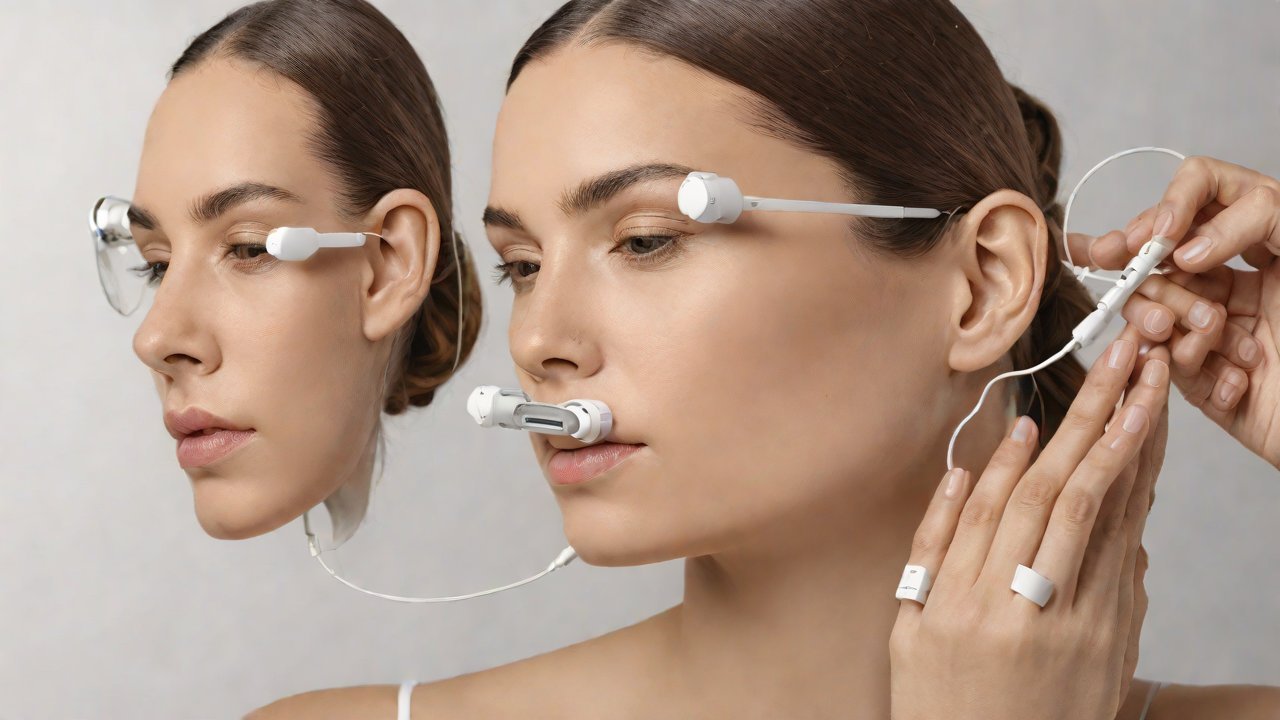
2026: Solving skin allergies caused by prolonged wearable device application and optimizing sensor layout
As we venture into 2026, a year marked by unprecedented advancements in wearable technology, it’s imperative to address an emerging concern that threatens to undermine the very benefits these devices promise: skin allergies caused by prolonged wear. The proliferation of wearable devices has revolutionized our relationship with health and wellness, but as their adoption continues to soar, so do reports of adverse reactions, particularly skin irritations and allergic contact dermatitis.
Prolonged exposure to wearable devices can lead to a range of skin issues due to the constant pressure, friction, or even the materials used in their construction. This is not just an annoyance; it’s a health concern that needs urgent attention from both manufacturers and users. The market for wearables has been growing exponentially, driven by innovations in design, functionality, and affordability. However, this growth comes with its own set of challenges, including the need to balance form and function without compromising user comfort or safety.
1. Market Overview
Wearable Device Market Size
| Year | Wearable Devices Sales (Millions) |
|---|---|
| 2022 | 132.4 |
| 2023 Est. | 153.8 |
| 2026 Proj. | 230.1 |
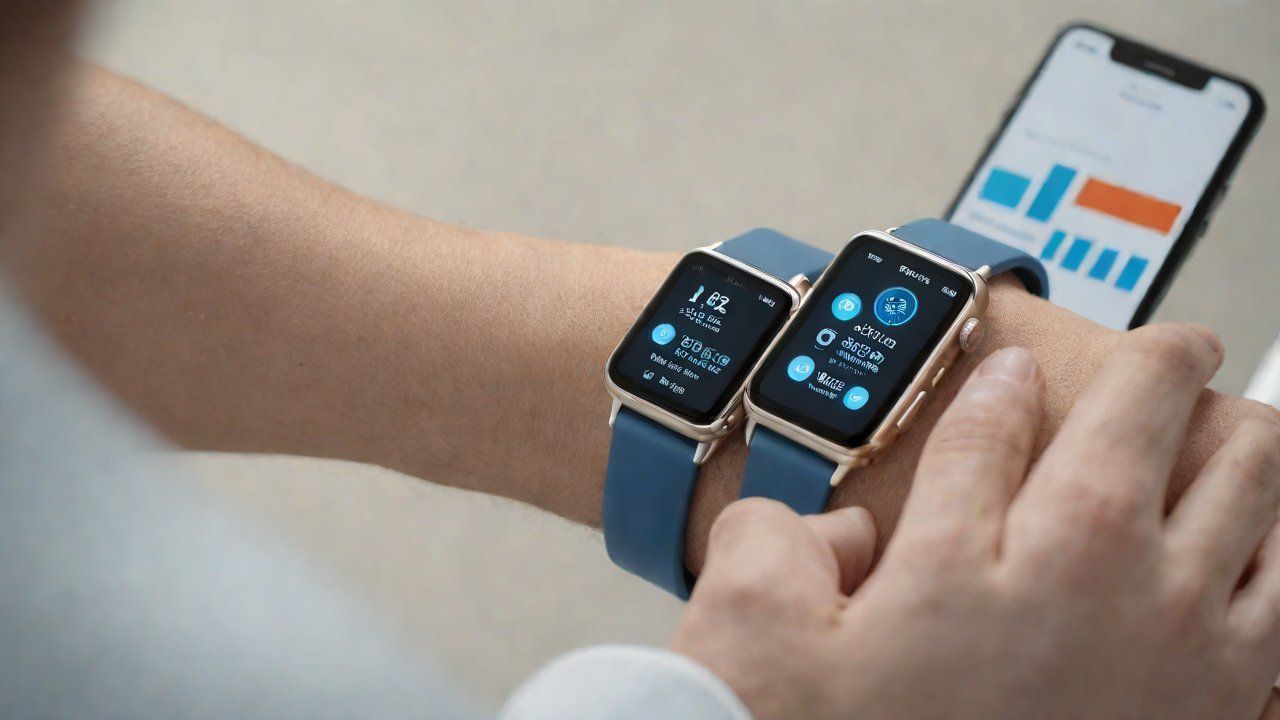
Growth Drivers
- Health and Wellness Focus: Wearables are increasingly being used for health monitoring, fitness tracking, and even medical diagnosis.
- Advancements in Design: Improvements in design have made wearables more comfortable, stylish, and user-friendly.
- Increased Awareness of Digital Health: There’s a growing recognition of the importance of digital health solutions.

2. The Problem of Skin Allergies
Prevalence and Causes
Skin allergies caused by wearable devices are on the rise due to various factors:
- Materials Used: The use of certain materials in wearable devices, such as nickel, chromium, or latex, can cause skin irritation.
- Friction and Pressure: Constant friction from straps or bands can lead to skin damage.
Health Implications
Ignoring these issues can have serious health implications, including increased risk of chronic diseases due to prolonged inflammation and discomfort that may deter users from wearing the devices as intended.
3. Solving Skin Allergies
Materials Innovation
- Silicone-Based Materials: A shift towards silicone-based materials for straps and bands could significantly reduce skin irritations.
- Antimicrobial Coatings: Incorporating antimicrobial coatings to prevent bacterial growth on wearable surfaces can also contribute to reducing skin allergies.
Design Optimizations

- Adjustable Straps: Providing adjustable straps that can be customized to the user’s comfort level can help alleviate pressure issues.
- Ergonomic Design: Wearables designed with ergonomic principles in mind can reduce friction and improve wearability.
4. Optimizing Sensor Layout
Current Challenges
- Sensor Placement: The placement of sensors is critical for their effectiveness but often leads to areas of high stress or irritation on the skin.
- Interference and Accuracy: Improper placement can also lead to reduced accuracy due to interference from other devices or environmental factors.
Future Directions
- Advanced Simulation Tools: Utilizing advanced simulation tools to predict and optimize sensor placement based on user anatomy and activity levels can enhance both comfort and performance.
- Adaptive Technology: Developing wearables with adaptive technology that adjusts to the user’s skin type and activity level in real-time could further minimize discomfort.
5. Conclusion
By addressing the issue of skin allergies caused by wearable devices, we not only improve the overall user experience but also ensure the long-term effectiveness of these health monitoring tools. The intersection of material science, design innovation, and technological advancements will play a crucial role in solving this problem. As we move towards a future where wearables are an integral part of our daily lives, it’s imperative that manufacturers prioritize user comfort and safety alongside performance and functionality.
Future Outlook
The market for wearable technology is poised to continue its growth trajectory, driven by innovations that cater to both form and function without compromising user health. The challenges posed by skin allergies will only be met with solutions that integrate cutting-edge materials science, advanced design principles, and real-time adaptation technologies.
IOT Cloud Platform
IOT Cloud Platform is an IoT portal established by a Chinese IoT company, focusing on technical solutions in the fields of agricultural IoT, industrial IoT, medical IoT, security IoT, military IoT, meteorological IoT, consumer IoT, automotive IoT, commercial IoT, infrastructure IoT, smart warehousing and logistics, smart home, smart city, smart healthcare, smart lighting, etc.
The IoT Cloud Platform blog is a top IoT technology stack, providing technical knowledge on IoT, robotics, artificial intelligence (generative artificial intelligence AIGC), edge computing, AR/VR, cloud computing, quantum computing, blockchain, smart surveillance cameras, drones, RFID tags, gateways, GPS, 3D printing, 4D printing, autonomous driving, etc.
Note: This article was professionally generated with the assistance of AIGC and has been fact-checked and manually corrected by IoT expert editor IoTCloudPlatForm.