2026 Solutions to Prevent Data Loss in Remote Medical Monitoring Terminals During Power Outages
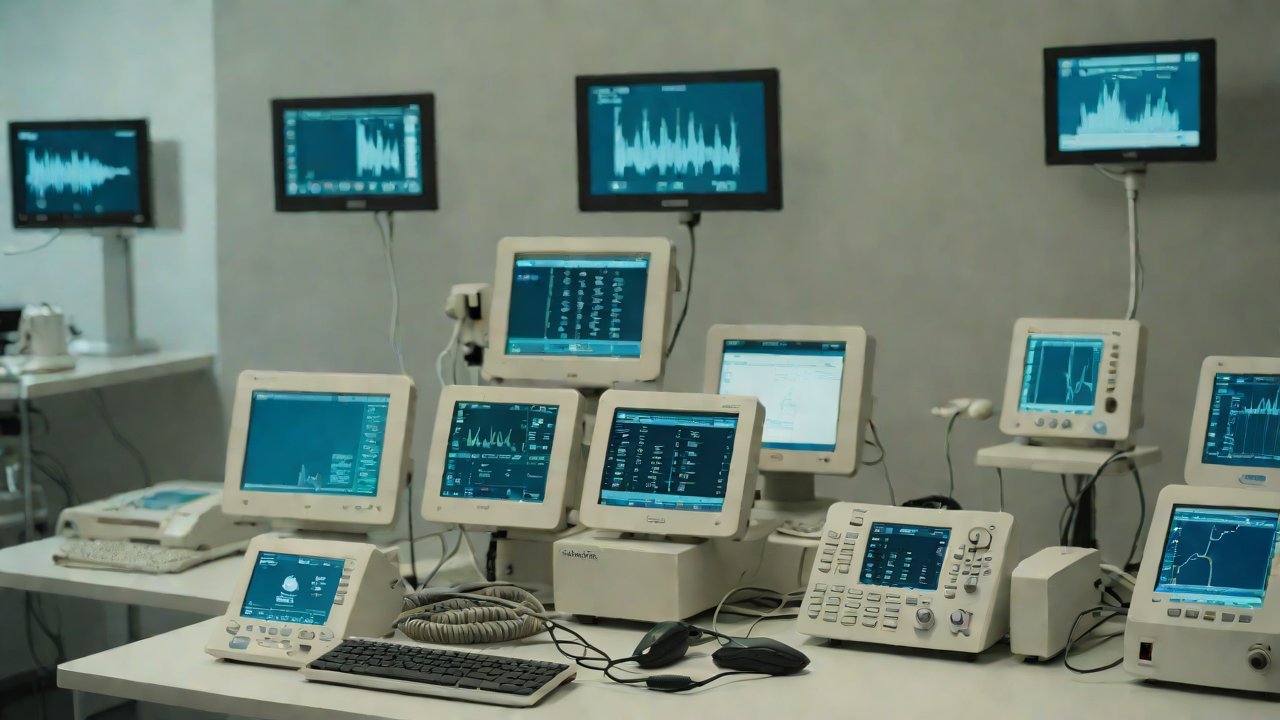
The proliferation of remote medical monitoring terminals has revolutionized healthcare delivery, enabling seamless patient care and real-time data exchange between healthcare providers and patients. However, the increased reliance on these terminals has also introduced a critical concern: data loss during power outages. The consequences of such losses can be dire, compromising patient safety and continuity of care. As we approach 2026, it is imperative to explore innovative solutions that safeguard against data loss in remote medical monitoring terminals during power outages.
1. The Challenge of Power Outages in Remote Medical Monitoring
Power outages are a common occurrence in many parts of the world, particularly in regions with aging infrastructure or areas prone to natural disasters. The impact of these outages on remote medical monitoring terminals is twofold:
- Data Loss: When power is interrupted, data stored in the terminal’s memory may be lost, compromising patient records and treatment plans.
- Equipment Damage: Power surges or fluctuations can damage the terminal’s hardware, rendering it non-functional until repairs are made.
According to a report by MarketsandMarkets, the global remote patient monitoring market size is expected to grow from USD 26.5 billion in 2020 to USD 81.6 billion by 2025, at a Compound Annual Growth Rate (CAGR) of 24.1%. However, the risk of data loss during power outages threatens to undermine this growth, highlighting the need for robust solutions.
2. Innovative Solutions to Prevent Data Loss
Several innovative solutions can help prevent data loss in remote medical monitoring terminals during power outages:
Cloud-Based Storage
Cloud-based storage systems allow data to be stored and accessed remotely, eliminating the risk of local data loss due to power outages. Cloud providers like Amazon Web Services (AWS), Microsoft Azure, and Google Cloud Platform (GCP) offer scalable and secure cloud storage solutions.
| Cloud Provider | Storage Capacity | Security Features |
|---|---|---|
| AWS | Up to 15 PB | Encryption, Access Control, Data Backup |
| Azure | Up to 100 TB | Encryption, Access Control, Data Backup |
| GCP | Up to 10 PB | Encryption, Access Control, Data Backup |
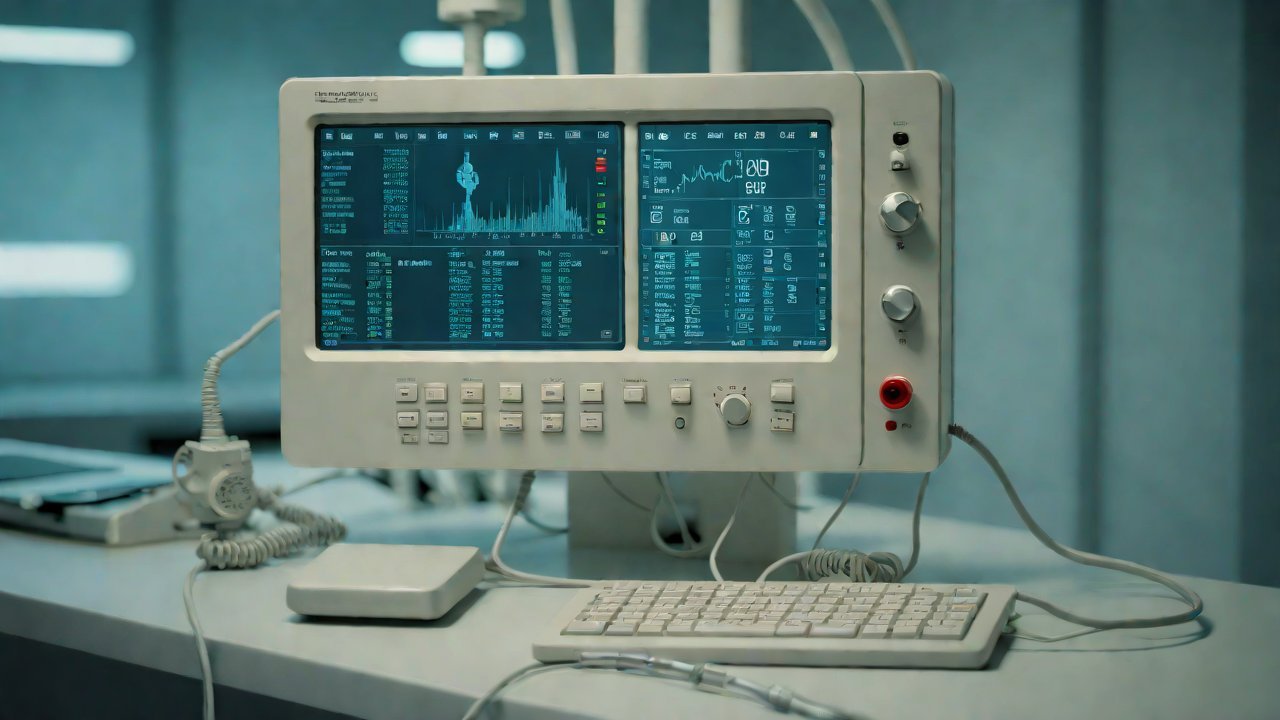
Battery-Backed Power Supplies
Battery-backed power supplies ensure continuous operation during power outages by providing a reliable source of power for critical systems. These batteries can be integrated into the terminal’s design or used as external backup units.
| Battery Type | Capacity (Wh) | Cycle Life |
|---|---|---|
| Lithium-Ion | 1000 – 5000 Wh | 3000 – 10,000 cycles |
| Lead-Acid | 200 – 1000 Wh | 200 – 500 cycles |
Data Replication and Synchronization
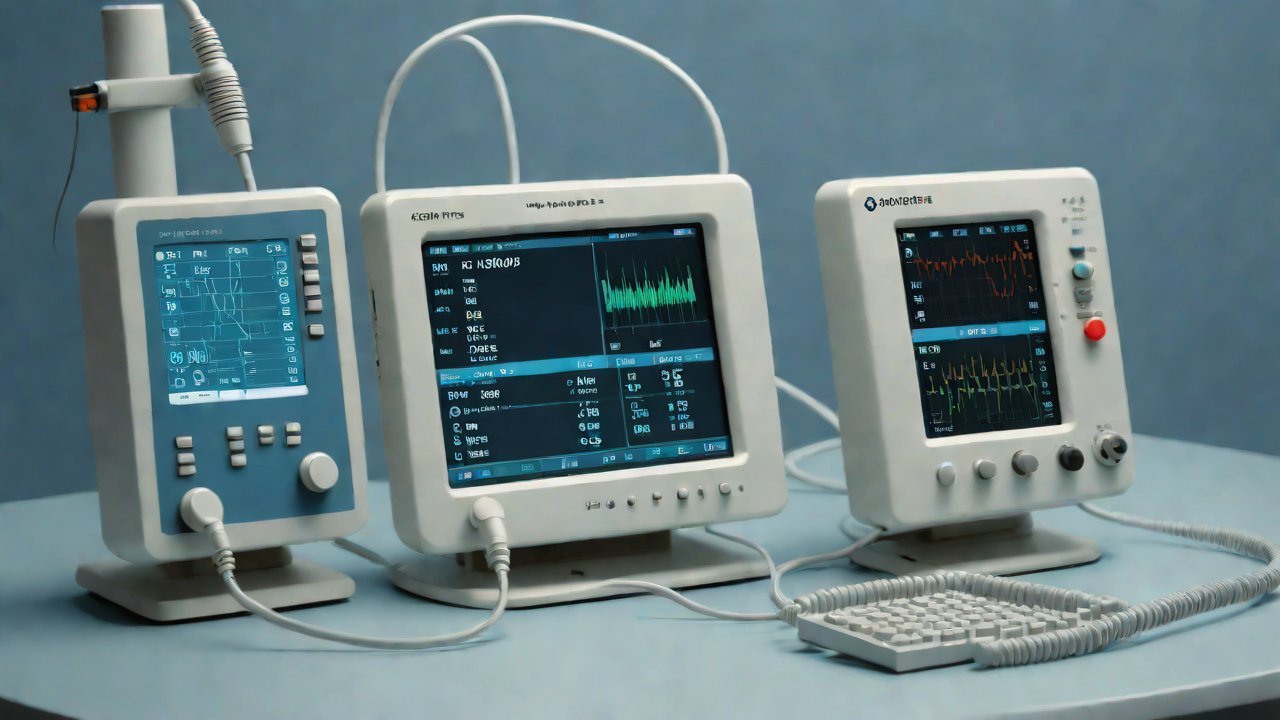
Data replication and synchronization technologies enable data to be duplicated in real-time, ensuring that critical information is preserved even during power outages. This can be achieved using techniques like RAID (Redundant Array of Independent Disks) or data mirroring.
| Replication Method | Description |
|---|---|
| RAID 1 | Mirrors data across multiple disks for redundancy |
| RAID 5 | Distributes data across multiple disks with parity information |
3. Technical Perspectives and Market Trends
Several technical perspectives and market trends are shaping the development of solutions to prevent data loss in remote medical monitoring terminals during power outages:
- Artificial Intelligence (AI) and Machine Learning (ML): AI and ML can be used to predict power outages and trigger backup systems or data replication processes.
- Internet of Things (IoT): IoT devices can monitor the terminal’s status in real-time, detecting potential issues before they occur.
- 5G Networks: 5G networks offer faster data transfer rates and lower latency, enabling more efficient data replication and synchronization.
4. Implementation Roadmap
Implementing solutions to prevent data loss in remote medical monitoring terminals during power outages requires a structured approach:
- Assess Current Infrastructure: Evaluate the terminal’s current infrastructure, including hardware, software, and network configurations.
- Identify Potential Risks: Determine potential risks and vulnerabilities related to data loss during power outages.
- Select Appropriate Solutions: Choose solutions that address identified risks, such as cloud-based storage or battery-backed power supplies.
- Implement and Test: Implement selected solutions and test their effectiveness in preventing data loss.
5. Conclusion
Preventing data loss in remote medical monitoring terminals during power outages is a critical concern that requires innovative solutions. By leveraging technologies like cloud-based storage, battery-backed power supplies, and data replication and synchronization, healthcare providers can ensure the continuity of patient care even in the event of power outages. As we approach 2026, it is essential to prioritize the development and deployment of these solutions to safeguard against data loss and support the growth of remote medical monitoring markets.
The future of remote medical monitoring terminals depends on our ability to mitigate the risks associated with power outages. By embracing innovative technologies and best practices, we can create a safer, more reliable, and more efficient healthcare delivery system for all.
IOT Cloud Platform
IOT Cloud Platform is an IoT portal established by a Chinese IoT company, focusing on technical solutions in the fields of agricultural IoT, industrial IoT, medical IoT, security IoT, military IoT, meteorological IoT, consumer IoT, automotive IoT, commercial IoT, infrastructure IoT, smart warehousing and logistics, smart home, smart city, smart healthcare, smart lighting, etc.
The IoT Cloud Platform blog is a top IoT technology stack, providing technical knowledge on IoT, robotics, artificial intelligence (generative artificial intelligence AIGC), edge computing, AR/VR, cloud computing, quantum computing, blockchain, smart surveillance cameras, drones, RFID tags, gateways, GPS, 3D printing, 4D printing, autonomous driving, etc.
Note: This article was professionally generated with the assistance of AIGC and has been fact-checked and manually corrected by IoT expert editor IoTCloudPlatForm.