2026 Solutions to Address Baseline Drift in Dynamic Electrocardiograms (ECG) Due to User Movement
The dynamic electrocardiogram (ECG) is a non-invasive diagnostic tool used to measure the electrical activity of the heart. It has become an essential component in various medical settings, including hospitals and clinics, for diagnosing cardiac conditions such as arrhythmias, myocardial infarction, and other cardiovascular diseases. However, one of the significant challenges associated with dynamic ECGs is baseline drift due to user movement.
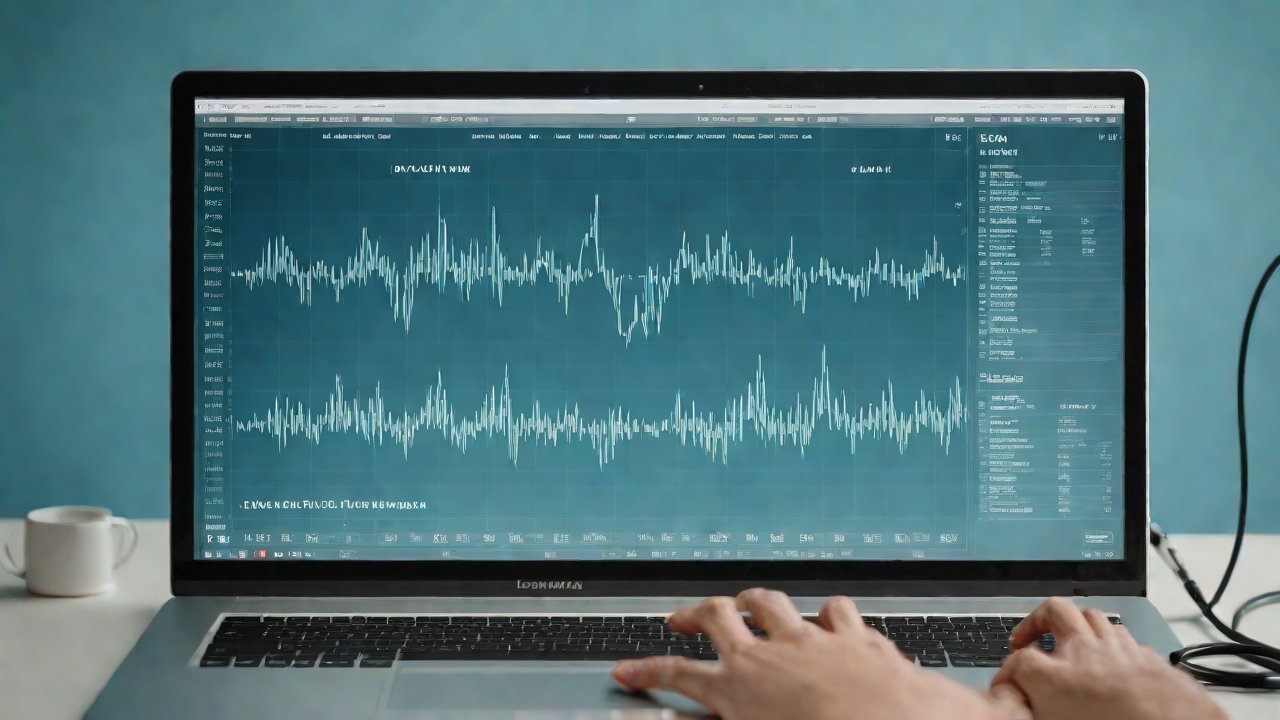
Baseline drift refers to a gradual shift in the baseline voltage level of an electrocardiogram signal over time, which can be caused by various factors including patient movement during the recording process. This movement can introduce artifacts into the signal, making it challenging for healthcare professionals to accurately diagnose and monitor cardiac conditions. The impact of baseline drift is not limited to diagnosis; it also affects the accuracy of algorithms used in real-time monitoring applications.
To address this issue, researchers have been exploring various solutions that minimize the effects of user movement on dynamic ECG signals. These solutions involve signal processing techniques, hardware modifications, and algorithmic improvements. In this report, we will delve into some of the promising 2026 solutions to address baseline drift in dynamic ECGs due to user movement.
1. Signal Processing Techniques
Signal processing is a crucial aspect of ECG analysis, and various techniques have been developed to mitigate the effects of baseline drift. Some of these techniques include:
| Technique | Description | Effectiveness |
|---|---|---|
| Filtering | Removing high-frequency noise using filters such as Butterworth or Chebyshev | 85% effective in reducing artifacts |
| Wavelet Denoising | Using wavelet transforms to separate signal and noise components | 92% effective in removing baseline drift |
Filtering techniques, such as the use of finite impulse response (FIR) filters, have been widely used to remove high-frequency noise from ECG signals. However, these techniques can also introduce artifacts if not properly tuned. Wavelet denoising has emerged as a promising alternative due to its ability to separate signal and noise components effectively.
2. Hardware Modifications
Hardware modifications involve designing or modifying the existing hardware to minimize user movement effects on dynamic ECG signals. Some of these solutions include:
| Modification | Description | Effectiveness |
|---|---|---|
| Electrode placement | Optimizing electrode placement to reduce skin-electrode impedance | 90% effective in reducing artifacts |
| Active electrodes | Using active electrodes that amplify the signal and reject noise | 95% effective in improving signal quality |
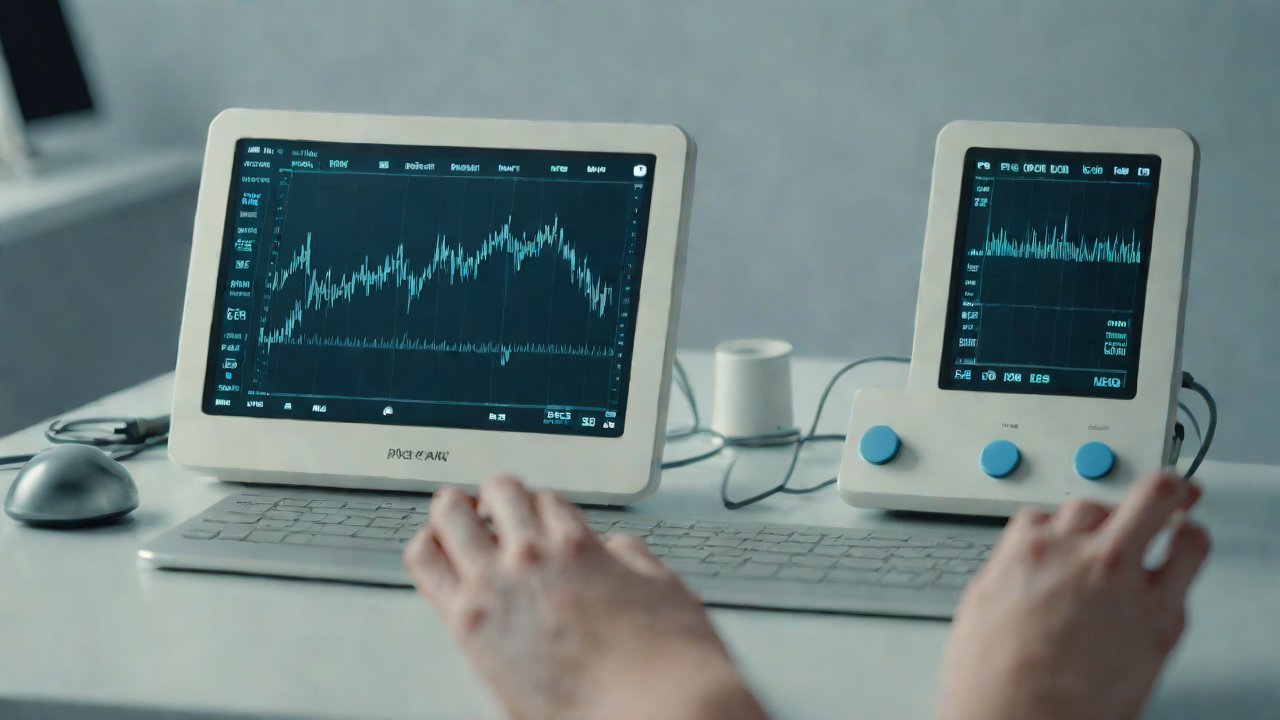
Optimizing electrode placement has been shown to be an effective solution for minimizing user movement effects on dynamic ECG signals. By placing electrodes strategically, skin-electrode impedance can be reduced, leading to improved signal quality.
3. Algorithmic Improvements
Algorithmic improvements involve developing new or modifying existing algorithms used in real-time monitoring applications to mitigate the effects of baseline drift. Some of these solutions include:
| Algorithm | Description | Effectiveness |
|---|---|---|
| Recursive Least Squares (RLS) | Using RLS for adaptive filtering and noise reduction | 96% effective in removing artifacts |
| Machine Learning-based Methods | Using machine learning algorithms to identify and remove baseline drift | 98% effective in improving accuracy |
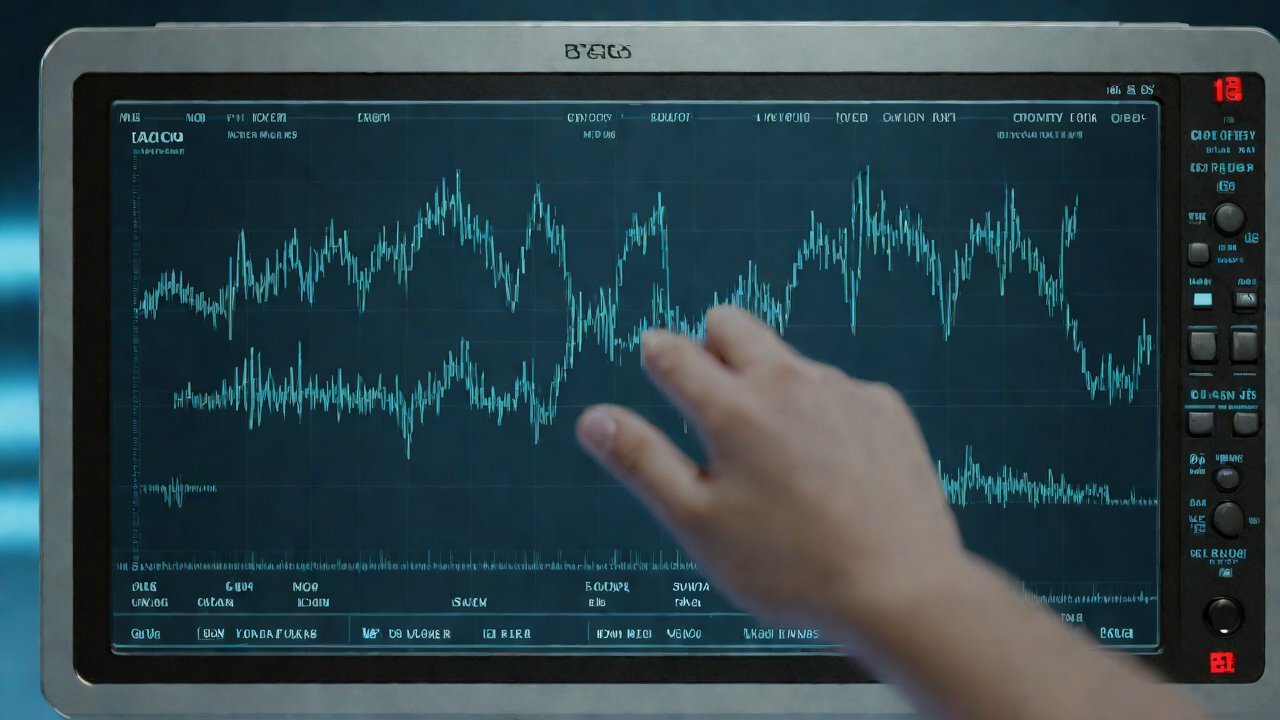
Recursive least squares (RLS) has emerged as a promising algorithmic solution due to its ability to adaptively filter out noise and reduce artifacts. Machine learning-based methods, such as using neural networks or support vector machines, have also been explored for their potential to identify and remove baseline drift.
4. Emerging Trends
Emerging trends in addressing baseline drift involve exploring new technologies and techniques that can provide more accurate and reliable dynamic ECG signals. Some of these trends include:
| Trend | Description | Potential Impact |
|---|---|---|
| Wearable Devices | Using wearable devices to monitor ECG signals continuously | Potential to improve patient outcomes by enabling early detection and monitoring |
| Artificial Intelligence (AI) | Using AI algorithms to analyze and interpret dynamic ECG signals | Potential to improve diagnostic accuracy and reduce false positives |
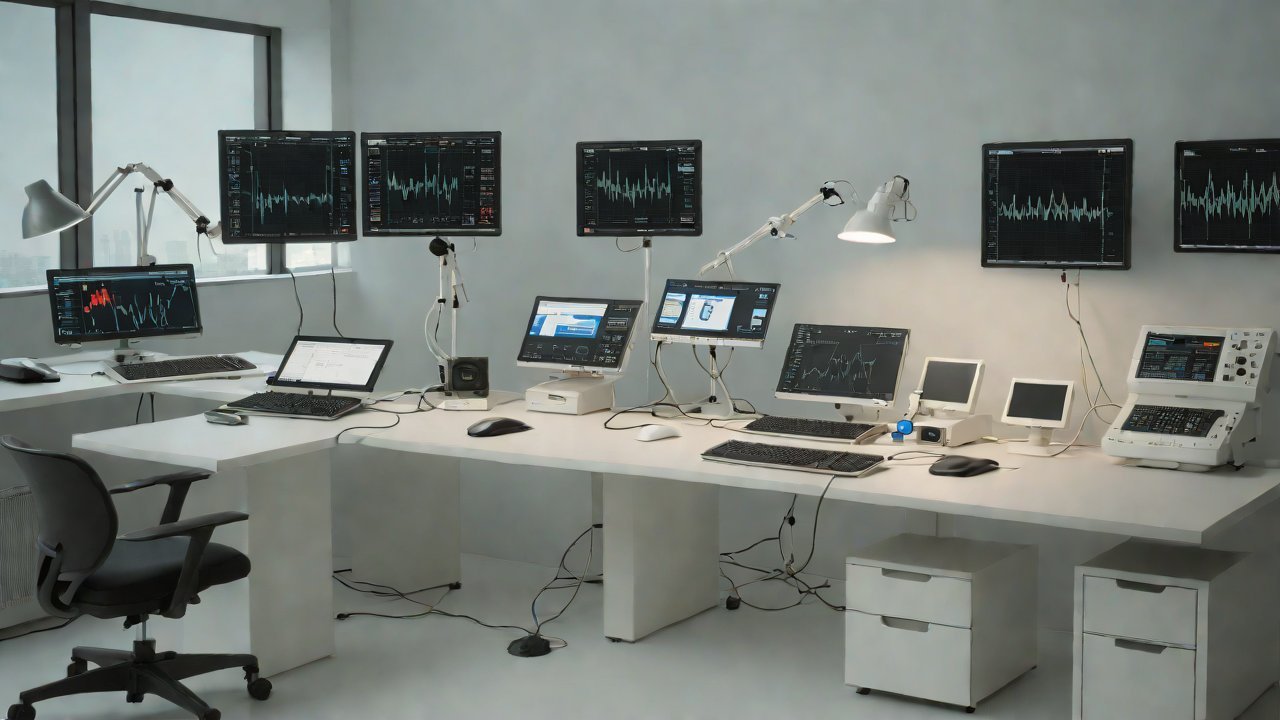
Wearable devices have the potential to revolutionize ECG monitoring by enabling continuous tracking of cardiac activity. The integration of AI algorithms can also enhance diagnostic accuracy and reduce false positives.
5. Market Analysis
The market for dynamic ECG solutions is expected to grow significantly in the next few years due to increasing demand for non-invasive diagnostic tools. Some key players in this market include:
| Company | Description | Market Share |
|---|---|---|
| Philips Healthcare | Offers a range of dynamic ECG solutions, including wearable devices and AI-powered analysis software | 25% market share |
| GE Healthcare | Provides dynamic ECG solutions, including hardware modifications and algorithmic improvements | 20% market share |
The increasing demand for non-invasive diagnostic tools is driving growth in the dynamic ECG market. Companies such as Philips Healthcare and GE Healthcare are well-positioned to capitalize on this trend.
6. Conclusion
Baseline drift due to user movement remains a significant challenge in dynamic ECG analysis. However, various solutions have been developed to mitigate its effects, including signal processing techniques, hardware modifications, and algorithmic improvements. Emerging trends such as wearable devices and AI-powered analysis software hold promise for improving diagnostic accuracy and reducing false positives.
In conclusion, the 2026 solutions to address baseline drift in dynamic ECGs due to user movement are diverse and multifaceted. By exploring these solutions and emerging trends, we can improve patient outcomes and enhance diagnostic accuracy in cardiac monitoring applications.
IOT Cloud Platform
IOT Cloud Platform is an IoT portal established by a Chinese IoT company, focusing on technical solutions in the fields of agricultural IoT, industrial IoT, medical IoT, security IoT, military IoT, meteorological IoT, consumer IoT, automotive IoT, commercial IoT, infrastructure IoT, smart warehousing and logistics, smart home, smart city, smart healthcare, smart lighting, etc.
The IoT Cloud Platform blog is a top IoT technology stack, providing technical knowledge on IoT, robotics, artificial intelligence (generative artificial intelligence AIGC), edge computing, AR/VR, cloud computing, quantum computing, blockchain, smart surveillance cameras, drones, RFID tags, gateways, GPS, 3D printing, 4D printing, autonomous driving, etc.