
2026 Solutions for Standardizing Heterogeneous Health Data (Different Brand Devices)
The healthcare industry is on the cusp of a revolution, driven by the increasing adoption of wearable devices and mobile health applications. The proliferation of different brand devices has led to a plethora of heterogeneous health data, making it challenging for healthcare providers to integrate and analyze this information effectively. As we look towards 2026, it becomes imperative to develop solutions that can standardize and harmonize these disparate data sources.
The market for wearable devices is projected to reach $51.6 billion by 2025, with an estimated 1.2 billion units shipped worldwide (Statista). This exponential growth has led to a surge in the collection of health-related data, which often comes from different brands and platforms. The lack of standardization and interoperability between these devices hinders the ability of healthcare providers to leverage this valuable information for better patient outcomes.
One key challenge lies in the fact that each device manufacturer follows its own proprietary protocols for collecting and storing data. This makes it difficult for healthcare systems to integrate these data sources, leading to a fragmented and inefficient use of resources. Furthermore, the absence of standardized data formats and exchange mechanisms exacerbates the issue, resulting in wasted time and effort spent on manual data entry and reconciliation.
1. Current State of Health Data Standardization
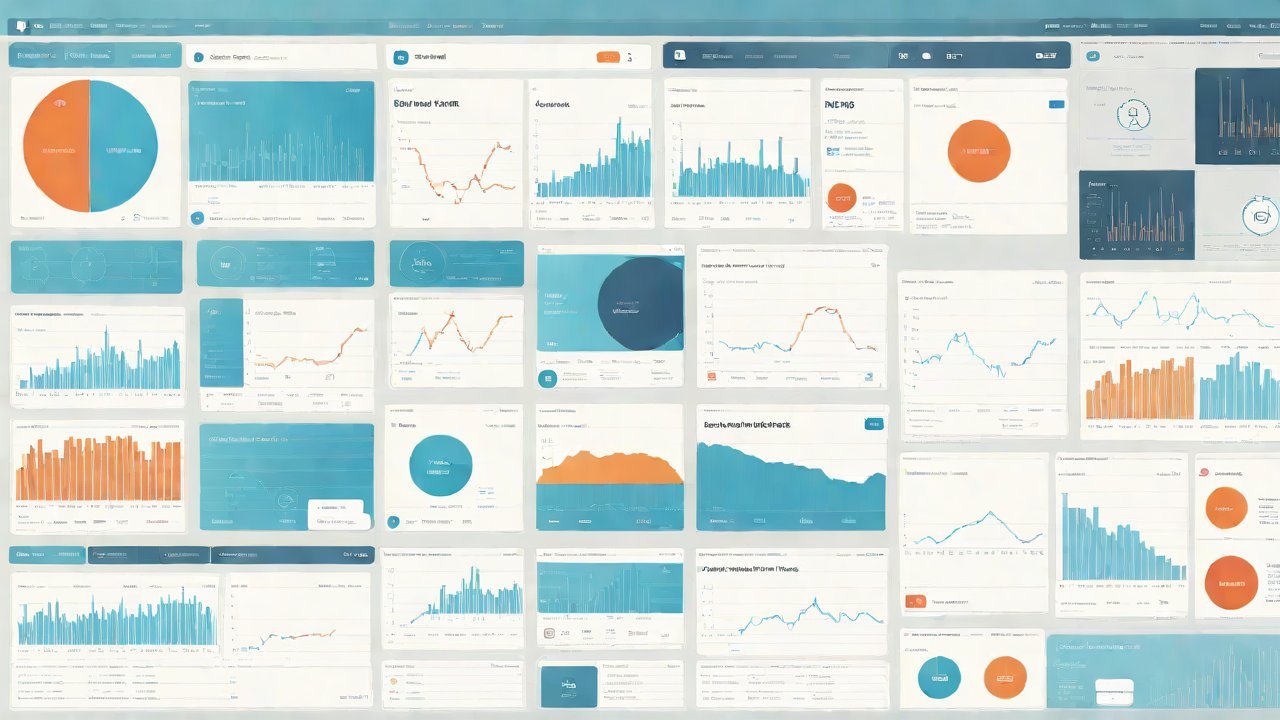
The current landscape of health data standardization is characterized by a patchwork of disparate systems and protocols. Some notable initiatives include:
| Initiative | Description |
|---|---|
| HL7 FHIR | A standardized framework for exchanging healthcare information between different systems. |
| IHE (Integrating the Healthcare Enterprise) | A non-profit organization promoting interoperability through a series of technical specifications and implementation guides. |
| ASTM E2369-12 | A standard for exchanging health information between various systems, focusing on data format and exchange mechanisms. |

Despite these efforts, significant challenges persist in achieving seamless integration across different devices and platforms.
2. Analyzing the Market and Identifying Trends
The market for health data standardization solutions is expected to grow rapidly, driven by increasing demand from healthcare providers, payers, and regulatory bodies. Key trends include:
- Increasing adoption of IoT-enabled devices: The proliferation of wearable devices, implantable sensors, and other connected health technologies will drive the need for standardized data exchange mechanisms.
- Rise of cloud-based solutions: Cloud computing is becoming increasingly prevalent in healthcare, enabling scalable and secure storage of sensitive patient information. Standardized data formats will be essential for seamless integration with these cloud-based platforms.
- Growing emphasis on interoperability: Regulatory bodies, such as the Office of the National Coordinator for Health Information Technology (ONC), are promoting interoperable health IT systems through incentives and guidelines.
3. Technical Perspectives and Solutions
Several technical approaches can be employed to standardize heterogeneous health data:
- Data Format Standardization: Implementing standardized data formats, such as HL7 FHIR or IHE’s XDS (Cross-Enterprise Document Sharing), will enable seamless integration across different devices and platforms.
- API-based Integration: Leveraging application programming interfaces (APIs) to facilitate data exchange between systems can provide a flexible and scalable solution for integrating heterogeneous health data.
- Blockchain-based Solutions: Blockchain technology offers a secure, decentralized, and tamper-proof approach to storing and sharing sensitive patient information.
4. Future Outlook and Recommendations
As we move towards 2026, it is essential to address the challenges associated with standardizing heterogeneous health data. Key recommendations include:
- Developing industry-wide standards: Encourage collaboration among device manufacturers, healthcare providers, and regulatory bodies to establish common standards for data exchange.
- Investing in cloud-based solutions: Leverage cloud computing to provide scalable and secure storage of sensitive patient information, while promoting standardized data formats.
- Promoting interoperability through incentives: Offer financial incentives or other rewards to encourage healthcare organizations to adopt standardized health IT systems.
The standardization of heterogeneous health data is a complex challenge that requires a multifaceted approach. By understanding the current state of health data standardization, analyzing market trends, and exploring technical solutions, we can develop effective strategies for integrating disparate data sources. As we look towards 2026, it becomes increasingly clear that the future of healthcare depends on our ability to standardize and harmonize these valuable resources.
IOT Cloud Platform
IOT Cloud Platform is an IoT portal established by a Chinese IoT company, focusing on technical solutions in the fields of agricultural IoT, industrial IoT, medical IoT, security IoT, military IoT, meteorological IoT, consumer IoT, automotive IoT, commercial IoT, infrastructure IoT, smart warehousing and logistics, smart home, smart city, smart healthcare, smart lighting, etc.
The IoT Cloud Platform blog is a top IoT technology stack, providing technical knowledge on IoT, robotics, artificial intelligence (generative artificial intelligence AIGC), edge computing, AR/VR, cloud computing, quantum computing, blockchain, smart surveillance cameras, drones, RFID tags, gateways, GPS, 3D printing, 4D printing, autonomous driving, etc.



