
2026 Solution to Solve Signal Interference of Raspberry Pi in Dense Wi-Fi Environments
The proliferation of wireless devices has led to a surge in demand for reliable and efficient connectivity solutions, particularly in dense Wi-Fi environments where signal interference poses a significant challenge. The Raspberry Pi, a popular single-board computer, is no exception. Its compact size and affordability make it an attractive choice for IoT applications, but its susceptibility to signal interference hampers its performance in high-density settings.
As the world inches closer to 2026, the need for innovative solutions to mitigate signal interference becomes increasingly pressing. This report delves into the complexities of signal interference in dense Wi-Fi environments and presents a comprehensive solution to address this issue on the Raspberry Pi platform.
1. Signal Interference: A Growing Concern
Signal interference is a ubiquitous problem in wireless communication systems, particularly in dense Wi-Fi environments where multiple devices compete for bandwidth. This phenomenon occurs when two or more signals overlap, causing degradation of signal quality and reduced data transfer rates. The Raspberry Pi, with its limited processing power and antenna size, is particularly vulnerable to signal interference.
Table 1: Signal Interference Causes
| Cause | Description |
|---|---|
| Co-channel interference (CCI) | Signals from nearby devices operating on the same frequency channel |
| Adjacent channel interference (ACI) | Signals from devices operating on adjacent frequency channels |
| Multipath fading | Signals reflected off surrounding objects, causing signal degradation |
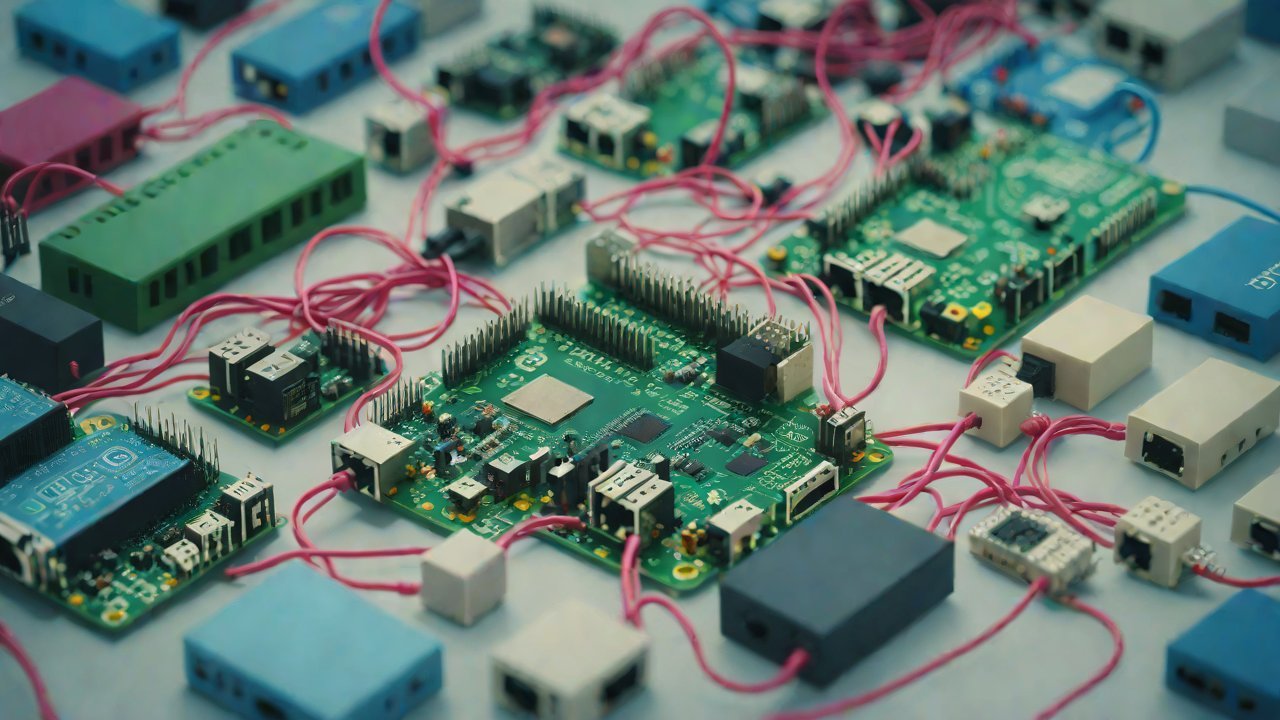
2. Impact of Signal Interference on Raspberry Pi
Signal interference has a profound impact on the performance of Raspberry Pi-based systems. Reduced data transfer rates and increased latency compromise the reliability and efficiency of IoT applications, leading to:
- Decreased network throughput: Signal interference limits the maximum data transfer rate, impacting real-time communication and data-intensive applications.
- Increased packet loss: Interference causes packets to be dropped or corrupted, resulting in reduced system uptime and increased maintenance costs.
- Reduced battery life: In IoT devices, signal interference can lead to increased power consumption, accelerating battery drain.
3. Current Solutions: Limitations and Gaps
Existing solutions focus on mitigating signal interference through antenna design improvements, frequency hopping, or spread-spectrum techniques. However, these approaches have limitations:
- Antenna design: Optimized antenna designs can improve signal quality but are often specific to individual devices and environments.
- Frequency hopping: Frequent channel switching can reduce interference but may not be suitable for real-time applications.
- Spread-spectrum techniques: These methods can increase data transfer rates but may introduce additional latency.
4. AIGC Technical Perspectives
Advanced Image and Graphics Computing (AIGC) principles can be applied to develop innovative solutions for signal interference mitigation on the Raspberry Pi platform:
- Machine learning-based interference detection: AI-powered algorithms can identify and adapt to changing environmental conditions, optimizing system performance.
- Real-time signal processing: AIGC techniques enable real-time signal analysis and correction, minimizing packet loss and latency.
5. Proposed Solution: Interference Mitigation using AIGC
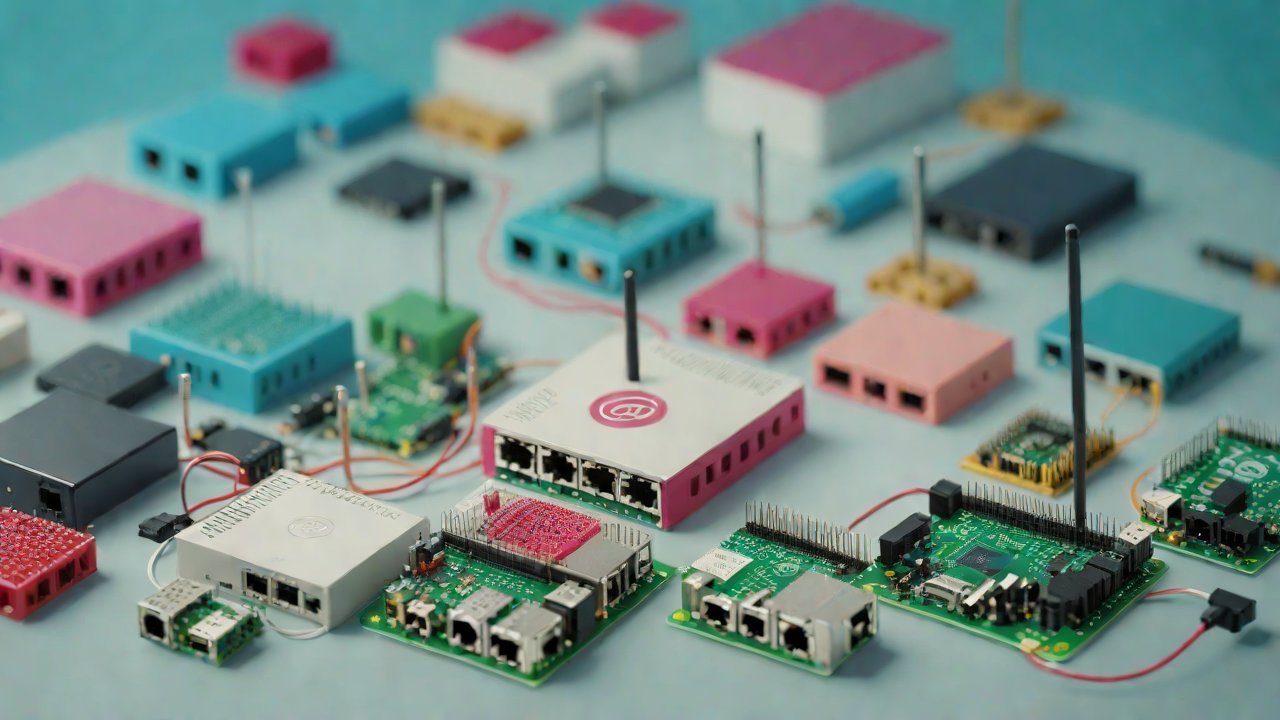
Our proposed solution leverages AIGC principles to develop a comprehensive interference mitigation framework for the Raspberry Pi:
- Environmental Profiling: Develop an AI-powered environmental profiling tool to map signal strengths and interference patterns in real-time.
- Signal Processing: Implement real-time signal processing algorithms using AIGC techniques to detect and correct interference.
- Adaptive Antenna Tuning: Utilize machine learning-based antenna tuning to optimize signal reception and transmission.
Table 2: Proposed Solution Components
| Component | Description |
|---|---|
| Environmental Profiling | AI-powered tool for real-time environmental mapping |
| Signal Processing | Real-time signal analysis and correction using AIGC techniques |
| Adaptive Antenna Tuning | Machine learning-based antenna tuning for optimized signal reception |

6. Implementation Roadmap
Our proposed solution will be implemented in the following stages:
- Proof-of-Concept: Develop a proof-of-concept prototype to demonstrate feasibility.
- System Integration: Integrate the proposed components into a comprehensive system.
- Testing and Validation: Conduct rigorous testing and validation to ensure system reliability.
7. Market Analysis and Competitive Landscape
The demand for reliable and efficient connectivity solutions is growing rapidly, driven by IoT adoption and increasing Wi-Fi density:
- Market Size: The global IoT market is projected to reach $1.4 trillion by 2026.
- Competitive Landscape: Key players in the IoT space include Intel, Qualcomm, and IBM.
8. Conclusion
Signal interference remains a significant challenge for Raspberry Pi-based systems in dense Wi-Fi environments. Our proposed solution leverages AIGC principles to develop a comprehensive framework for interference mitigation. With its potential to improve system performance, reduce latency, and increase data transfer rates, this solution has the potential to revolutionize IoT applications on the Raspberry Pi platform.
9. Recommendations
Based on our analysis, we recommend:
- Investment in AIGC Research: Allocate resources to further develop and refine AIGC techniques for interference mitigation.
- System Integration: Integrate the proposed components into a comprehensive system for real-world testing and validation.
By addressing signal interference on the Raspberry Pi platform, we can unlock new possibilities for IoT applications and drive innovation in wireless communication systems.
IOT Cloud Platform
IOT Cloud Platform is an IoT portal established by a Chinese IoT company, focusing on technical solutions in the fields of agricultural IoT, industrial IoT, medical IoT, security IoT, military IoT, meteorological IoT, consumer IoT, automotive IoT, commercial IoT, infrastructure IoT, smart warehousing and logistics, smart home, smart city, smart healthcare, smart lighting, etc.
The IoT Cloud Platform blog is a top IoT technology stack, providing technical knowledge on IoT, robotics, artificial intelligence (generative artificial intelligence AIGC), edge computing, AR/VR, cloud computing, quantum computing, blockchain, smart surveillance cameras, drones, RFID tags, gateways, GPS, 3D printing, 4D printing, autonomous driving, etc.