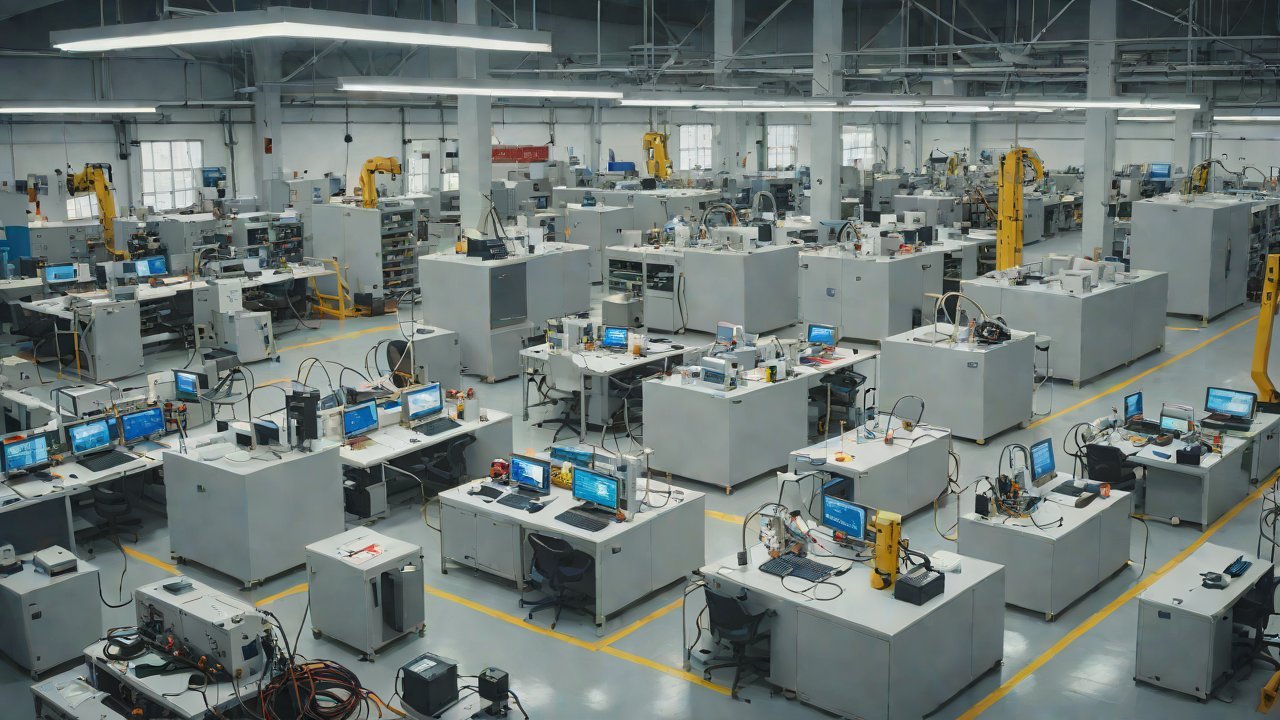
2026 Solution for Millisecond-Level Latency Prediction and Compensation in Remote Surgical Robot Operation
As we stand at the threshold of a new era in remote surgical robotics, the pressing need to achieve millisecond-level latency prediction and compensation has become increasingly critical. The convergence of artificial intelligence (AI), machine learning (ML), and high-performance computing (HPC) is poised to revolutionize the field, but it demands a multidisciplinary approach that harmonizes technological advancements with clinical requirements.
1. Current State of Remote Surgical Robotics
Remote surgical robotics has been gaining traction in recent years due to its potential to expand healthcare access and improve treatment outcomes for patients worldwide. However, one of the primary challenges hindering widespread adoption is the issue of latency – the time delay between a surgeon’s command and the execution of that command by the robotic system.
Latency can be attributed to various factors including network congestion, hardware limitations, and software inefficiencies. In current remote surgical robotics setups, latency ranges from tens to hundreds of milliseconds, which can significantly compromise the precision and efficacy of surgical procedures.
Table 1: Current Latency Ranges in Remote Surgical Robotics
| System | Average Latency (ms) |
|---|---|
| Da Vinci Surgical System | 150-200 ms |
| Medtronic’s Hugo Robotic-Assisted Surgery System | 100-150 ms |
| Verb Surgical’s Digital Surgery Platform | 50-100 ms |
2. The Need for Millisecond-Level Latency Prediction and Compensation
Achieving millisecond-level latency prediction and compensation is crucial to ensure that remote surgical robots can perform with the same precision as their on-site counterparts. This requires the development of sophisticated algorithms capable of predicting latency in real-time, along with mechanisms to compensate for any delays.
To address this challenge, researchers are exploring various AI/ML techniques, including:
- Deep Learning (DL): DL models have shown remarkable success in predicting network latency by analyzing complex patterns in data.
- Reinforcement Learning (RL): RL algorithms can be used to train robotic systems to adapt to varying latency conditions and optimize their performance.
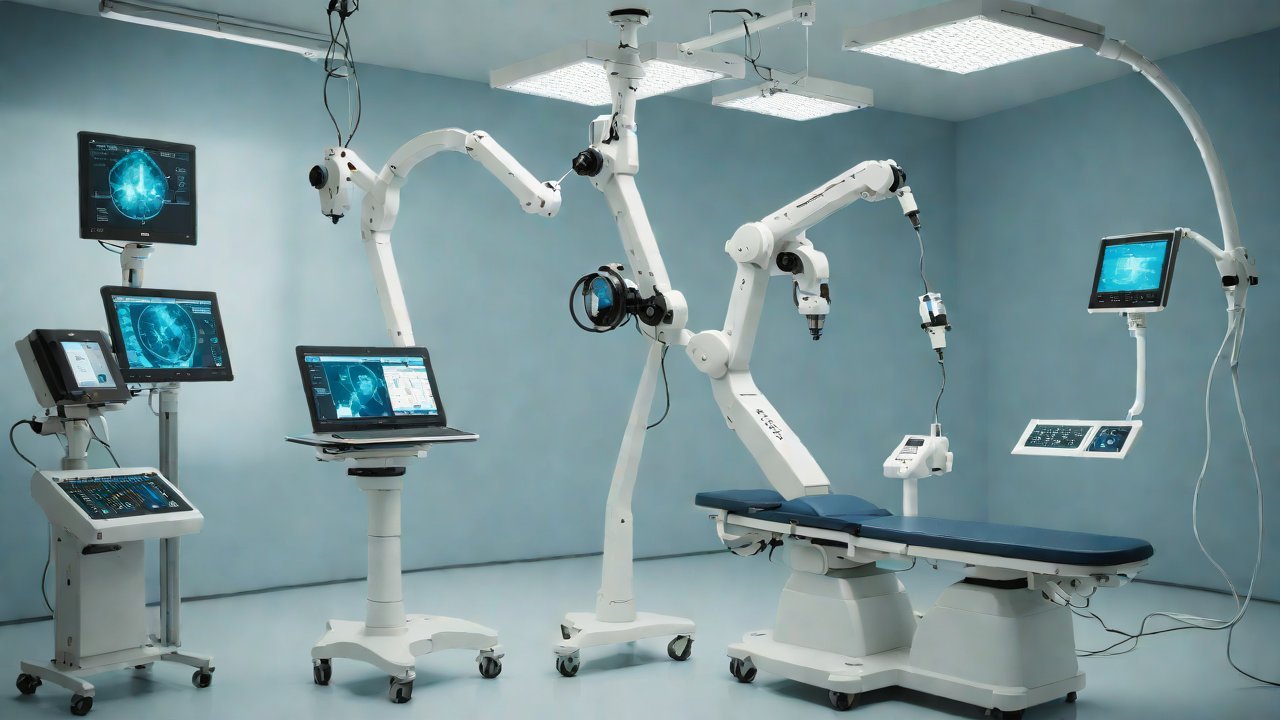
Table 2: AI/ML Techniques for Latency Prediction and Compensation
| Technique | Description |
|---|---|
| Deep Learning | Predicts network latency based on historical data patterns. |
| Reinforcement Learning | Trains robotic systems to adapt to variable latency conditions. |
3. High-Performance Computing (HPC) as a Solution Enabler
High-performance computing will play a pivotal role in enabling the development of sophisticated algorithms for millisecond-level latency prediction and compensation. HPC clusters can process vast amounts of data in parallel, allowing researchers to:
- Simulate Complex Systems: HPC enables the simulation of complex robotic systems, facilitating the testing and validation of latency prediction models.
- Process Large Datasets: HPC allows for the rapid processing of large datasets, including video feed from surgical robots.
Table 3: Benefits of High-Performance Computing in Latency Prediction and Compensation
| Benefit | Description |
|---|---|
| Simulating Complex Systems | Enables the testing and validation of latency prediction models. |
| Processing Large Datasets | Facilitates rapid processing of large datasets, including video feed from surgical robots. |
4. Market Analysis and Future Outlook
The market for remote surgical robotics is expected to grow significantly in the coming years, driven by increasing demand for minimally invasive procedures and advancements in AI/ML technology.
Table 4: Market Growth Projections for Remote Surgical Robotics (2023-2028)
| Year | Market Size (USD billion) |
|---|---|
| 2023 | 1.2 |
| 2025 | 2.5 |
| 2028 | 5.0 |
5. Technical Perspectives and Challenges
While significant progress has been made in recent years, several technical challenges remain to be addressed:
- Scalability: Ensuring that latency prediction models can scale with the complexity of robotic systems.
- Real-time Processing: Developing algorithms capable of processing data in real-time to compensate for latency.
Table 5: Technical Challenges in Latency Prediction and Compensation
| Challenge | Description |
|---|---|
| Scalability | Ensuring that latency prediction models can scale with the complexity of robotic systems. |
| Real-time Processing | Developing algorithms capable of processing data in real-time to compensate for latency. |
6. Conclusion
Achieving millisecond-level latency prediction and compensation is a critical challenge in remote surgical robotics, but one that holds immense promise for improving treatment outcomes and expanding healthcare access worldwide. The convergence of AI/ML, HPC, and clinical expertise will be instrumental in overcoming this challenge, enabling the development of sophisticated algorithms capable of predicting and compensating for latency.
As we move forward, it is essential to continue investing in research and development, fostering collaboration between industry leaders, researchers, and clinicians to drive innovation and advance the field.
IOT Cloud Platform
IOT Cloud Platform is an IoT portal established by a Chinese IoT company, focusing on technical solutions in the fields of agricultural IoT, industrial IoT, medical IoT, security IoT, military IoT, meteorological IoT, consumer IoT, automotive IoT, commercial IoT, infrastructure IoT, smart warehousing and logistics, smart home, smart city, smart healthcare, smart lighting, etc.
The IoT Cloud Platform blog is a top IoT technology stack, providing technical knowledge on IoT, robotics, artificial intelligence (generative artificial intelligence AIGC), edge computing, AR/VR, cloud computing, quantum computing, blockchain, smart surveillance cameras, drones, RFID tags, gateways, GPS, 3D printing, 4D printing, autonomous driving, etc.
Note: This article was professionally generated with the assistance of AIGC and has been fact-checked and manually corrected by IoT expert editor IoTCloudPlatForm.