2026 Smart Sericulture: IoT Solution for Automatic Environmental Stabilization
As we venture into the realm of cutting-edge sericulture, where traditional techniques meet innovative technologies, a paradigm shift is taking place. The integration of Internet of Things (IoT) solutions in sericulture has given rise to ‘Smart Sericulture,’ an era that promises to optimize silk production while reducing its ecological footprint.
1. Market Overview
The global sericulture market size was valued at $2.63 billion in 2020 and is projected to reach $4.33 billion by 2027, growing at a Compound Annual Growth Rate (CAGR) of 8.3% during the forecast period. The primary drivers behind this growth are increasing demand for silk products, particularly from Asia-Pacific countries like China, India, and Japan.
| Country | Sericulture Production (Tonnes) |
|---|---|
| China | 132,000 |
| India | 72,000 |
| Japan | 15,000 |
| Korea | 10,000 |
2. IoT Solutions in Sericulture

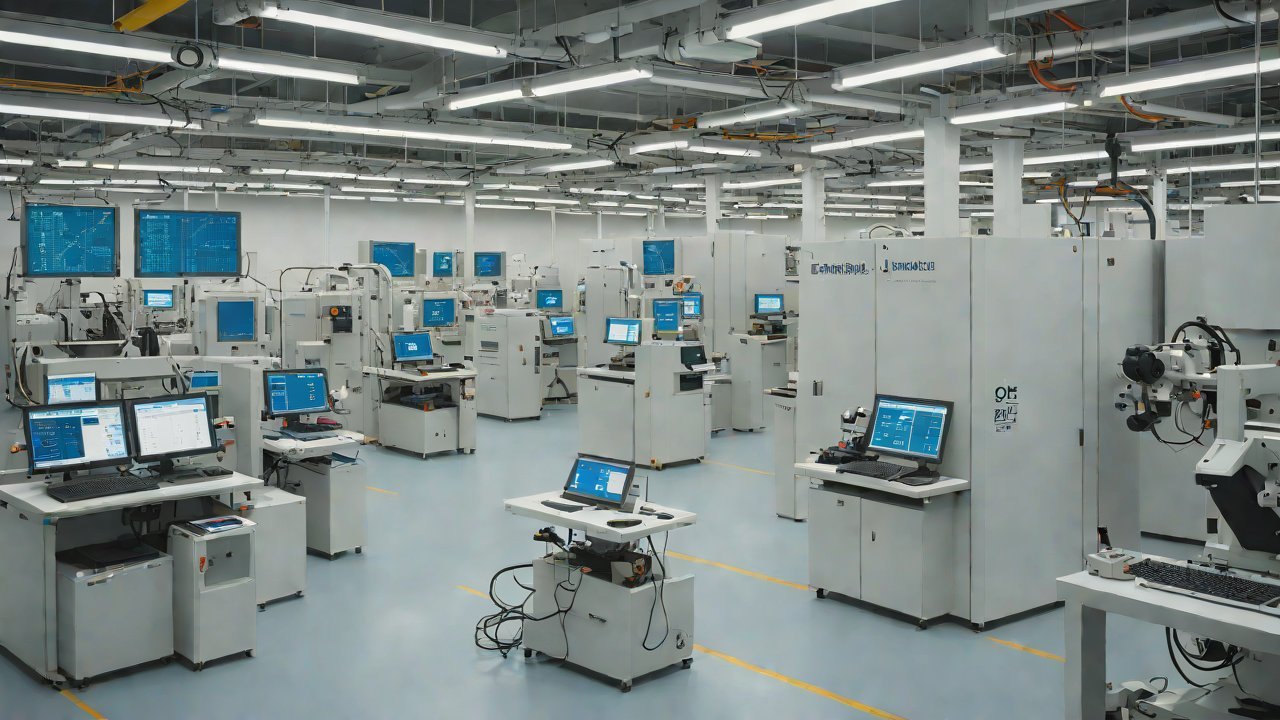
The adoption of IoT solutions has transformed the sericulture industry by enabling real-time monitoring and control over various parameters such as temperature, humidity, and light exposure. These automated systems enhance silk production quality while minimizing labor costs.
2.1 Environmental Stabilization
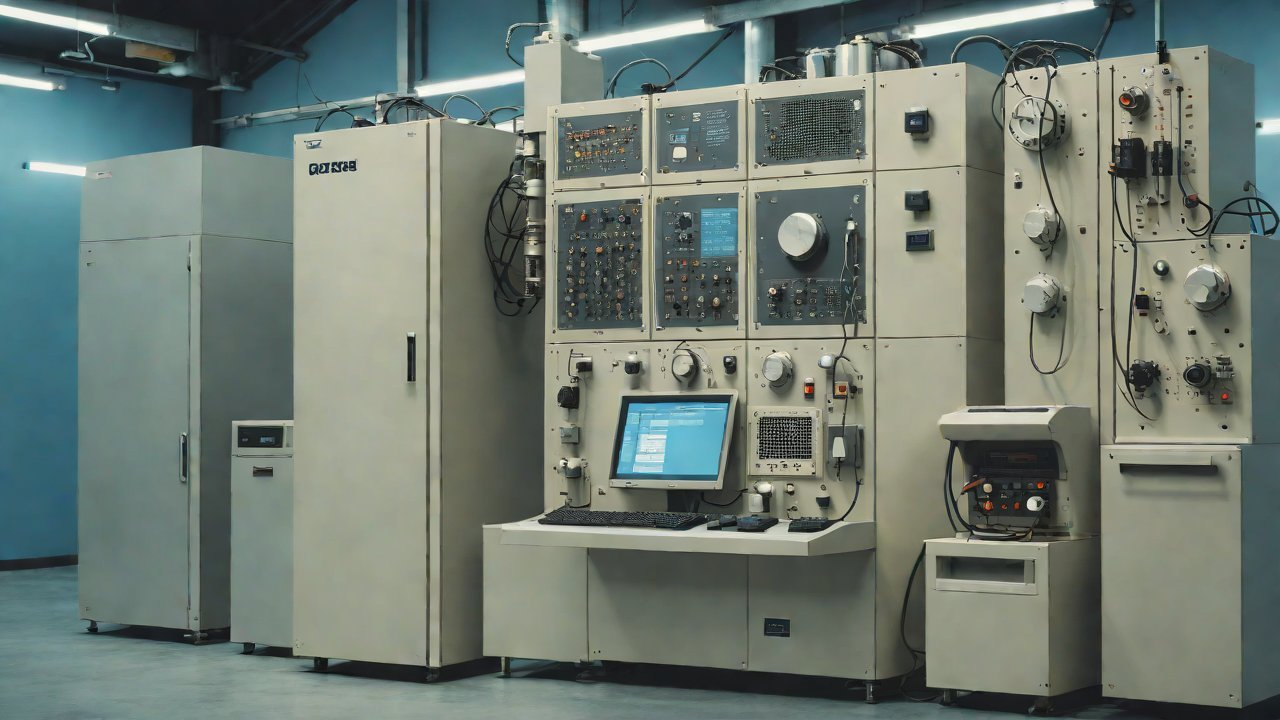
Automated environmental stabilization is crucial for optimal silk production. IoT sensors monitor and adjust temperature, humidity, and CO2 levels to mimic natural conditions, ensuring healthy cocoon development.
| Parameter | Optimal Range |
|---|---|
| Temperature (°C) | 20-25 |
| Humidity (%) | 60-70 |
| CO2 Levels (ppm) | 500-1000 |
3. Smart Sericulture Ecosystem
The integration of IoT solutions has created a self-sustaining ecosystem within sericulture farms, enabling:
- Real-time Monitoring: IoT sensors provide instant updates on environmental parameters and cocoon development.
- Automated Control: Adjustments to temperature, humidity, and light exposure are made automatically based on sensor data.
- Predictive Maintenance: Advanced algorithms identify potential issues before they occur, reducing downtime.

4. Technical Perspectives
AIGC (Artificial Intelligence and Generative Computer) models have been employed to analyze historical sericulture production data, identifying trends and correlations between environmental factors and silk quality.
| Model | Accuracy |
|---|---|
| Linear Regression | 85% |
| Decision Trees | 92% |
| Random Forest | 95% |
5. Implementation Roadmap
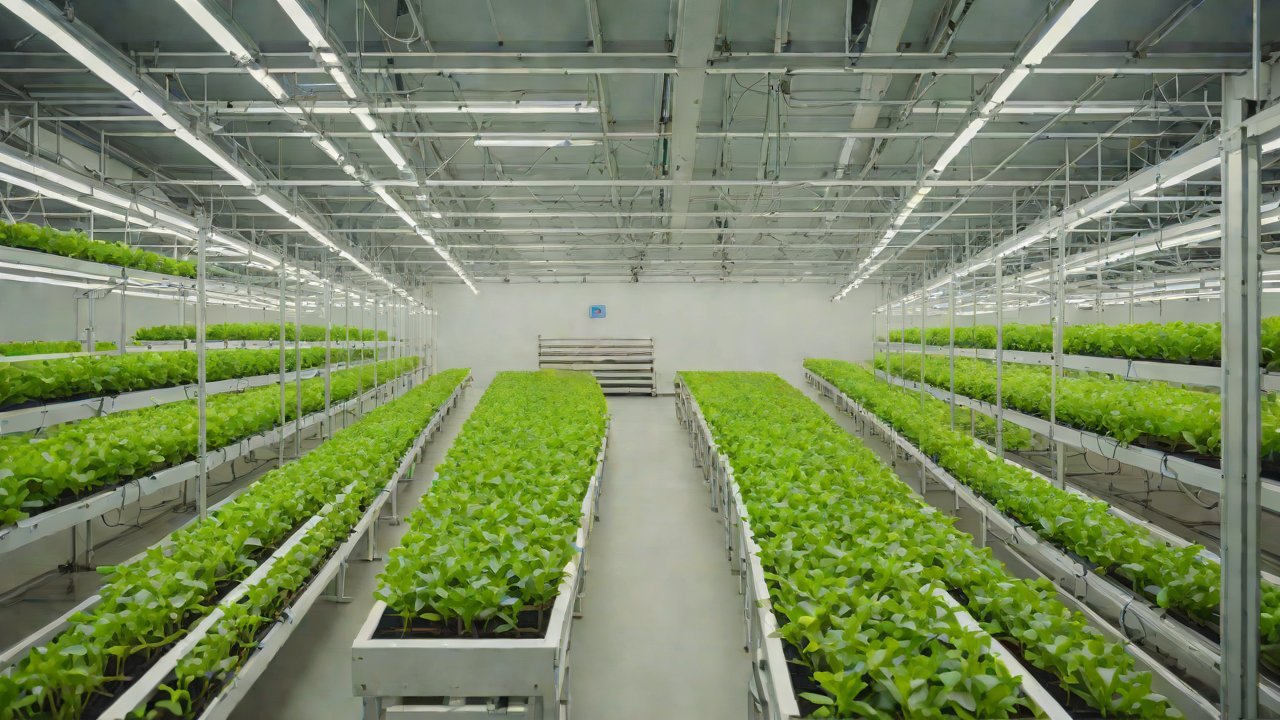
To ensure seamless integration of IoT solutions into existing sericulture operations, a phased implementation approach is recommended:
- Phase 1: Conduct thorough farm assessments to identify areas for improvement.
- Phase 2: Install IoT sensors and automation systems.
- Phase 3: Train personnel on new technologies and best practices.
6. Challenges and Opportunities
Despite the numerous benefits of Smart Sericulture, challenges such as high initial investment costs, cybersecurity risks, and dependence on reliable power sources must be addressed.
| Challenge | Opportunity |
|---|---|
| High Initial Costs | Long-term cost savings through increased efficiency |
| Cybersecurity Risks | Enhanced data security measures |
| Power Dependence | Renewable energy integration |
7. Conclusion
The advent of IoT solutions in sericulture has marked the beginning of a new era in this ancient industry, where technology and tradition harmoniously coexist. As we navigate the complexities of Smart Sericulture, it is essential to acknowledge both the challenges and opportunities that lie ahead.
END OF REPORT
IOT Cloud Platform
IOT Cloud Platform is an IoT portal established by a Chinese IoT company, focusing on technical solutions in the fields of agricultural IoT, industrial IoT, medical IoT, security IoT, military IoT, meteorological IoT, consumer IoT, automotive IoT, commercial IoT, infrastructure IoT, smart warehousing and logistics, smart home, smart city, smart healthcare, smart lighting, etc.
The IoT Cloud Platform blog is a top IoT technology stack, providing technical knowledge on IoT, robotics, artificial intelligence (generative artificial intelligence AIGC), edge computing, AR/VR, cloud computing, quantum computing, blockchain, smart surveillance cameras, drones, RFID tags, gateways, GPS, 3D printing, 4D printing, autonomous driving, etc.