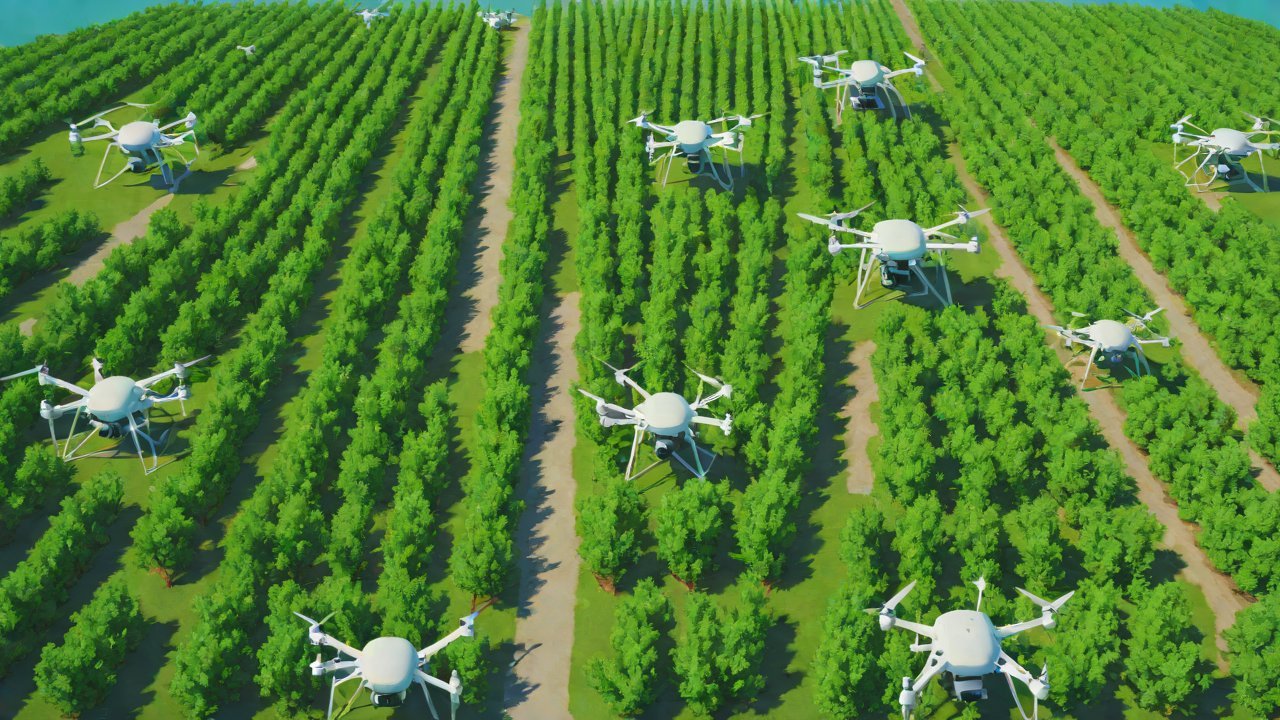
2026 Smart Orchard: Collaborative Solution based on Plant Protection Drones and Ground IoT
The year 2026 marks a pivotal moment in the evolution of agricultural innovation, as the convergence of cutting-edge technologies is poised to revolutionize the way we approach crop management and protection. At the forefront of this revolution stands the Smart Orchard concept, an integrated solution that leverages the synergy between plant protection drones and ground IoT (Internet of Things) systems.
The Smart Orchard model represents a paradigm shift in agricultural practices, enabling farmers to adopt more efficient, data-driven approaches to managing their crops. By harnessing the capabilities of advanced drone technology and IoT sensor networks, farmers can now monitor crop health, detect early signs of stress or disease, and respond with precision applications of nutrients and pesticides.
1. Market Landscape and Growth Potential
The global agricultural drone market is projected to reach $13.4 billion by 2027, growing at a CAGR of 21.3% from 2020 to 2027 (MarketsandMarkets). This rapid growth is driven by increasing demand for precision agriculture, reduced labor costs, and the need for more efficient crop monitoring.
Similarly, the global IoT market in agriculture is expected to reach $9.4 billion by 2025, growing at a CAGR of 15.1% from 2018 to 2025 (ResearchAndMarkets). The integration of IoT sensors with drone technology will further accelerate this growth, enabling farmers to collect and analyze vast amounts of data on crop health, soil moisture, and weather patterns.
| Market Segment | 2020 | 2025 | 2030 |
|---|---|---|---|
| Agricultural Drone Market (Billion USD) | 4.2 | 8.3 | 13.4 |
| IoT in Agriculture Market (Billion USD) | 2.6 | 5.1 | 9.4 |
2. Plant Protection Drones: Key Features and Benefits
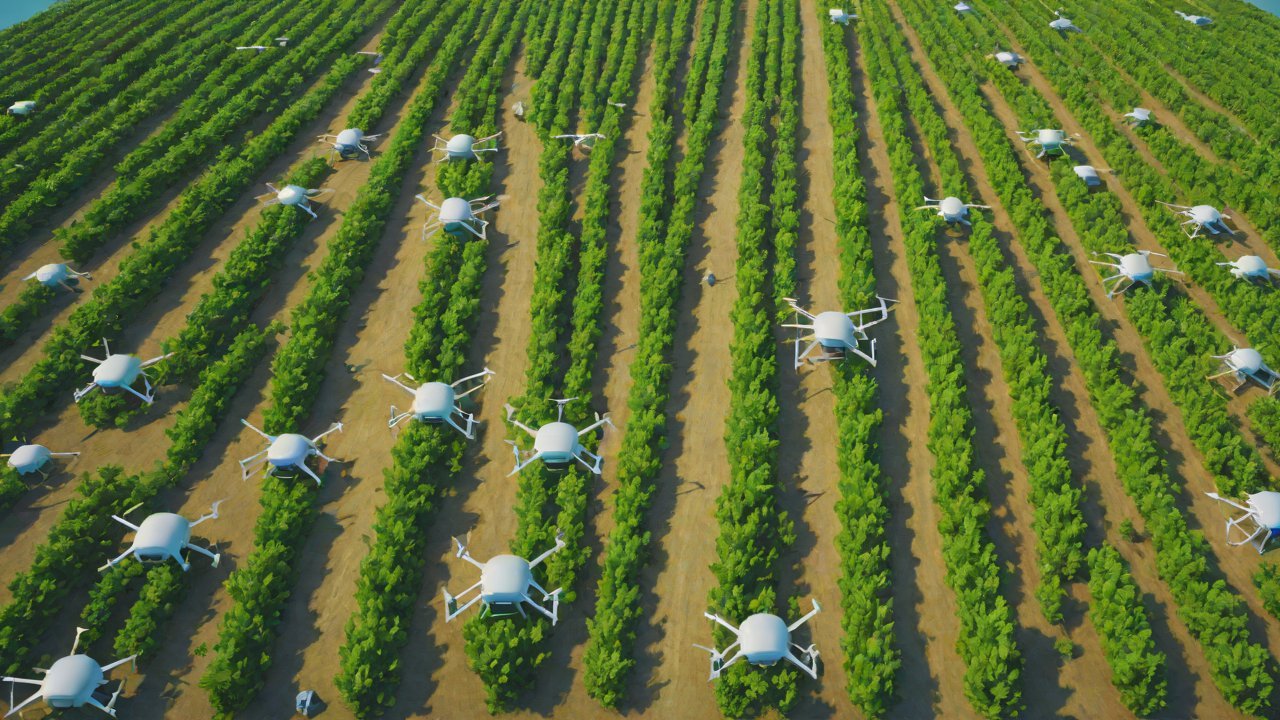
Plant protection drones are equipped with advanced sensors, cameras, and spray systems that enable precise targeting of crops. These drones can:
- Monitor crop health in real-time
- Detect early signs of stress or disease
- Apply targeted pesticides and nutrients
- Reduce labor costs by automating tasks
Some key features of plant protection drones include:
| Feature | Description |
|---|---|
| Multi-Spectral Cameras | Capture detailed images of crops, revealing insights on health and nutrient levels |
| Precision Spray Systems | Deliver targeted applications of pesticides and nutrients, reducing waste and environmental impact |
| Advanced Sensors | Monitor temperature, humidity, and other environmental factors to optimize crop growth |
3. Ground IoT: Key Features and Benefits
Ground IoT systems comprise a network of sensors and devices that collect data on soil moisture, temperature, and other environmental conditions. These systems can:
- Monitor soil health and nutrient levels
- Detect early signs of water stress or drought
- Optimize irrigation schedules and reduce water waste
- Provide real-time insights for precision agriculture
Some key features of ground IoT systems include:
| Feature | Description |
|---|---|
| Soil Moisture Sensors | Monitor soil moisture levels, enabling farmers to optimize irrigation schedules |
| Temperature and Humidity Sensors | Collect data on environmental conditions, helping farmers predict crop growth and stress |
| Weather Stations | Provide real-time weather forecasts, enabling farmers to make informed decisions about planting, harvesting, and pest management |
4. Collaborative Solution: Integration of Drones and Ground IoT
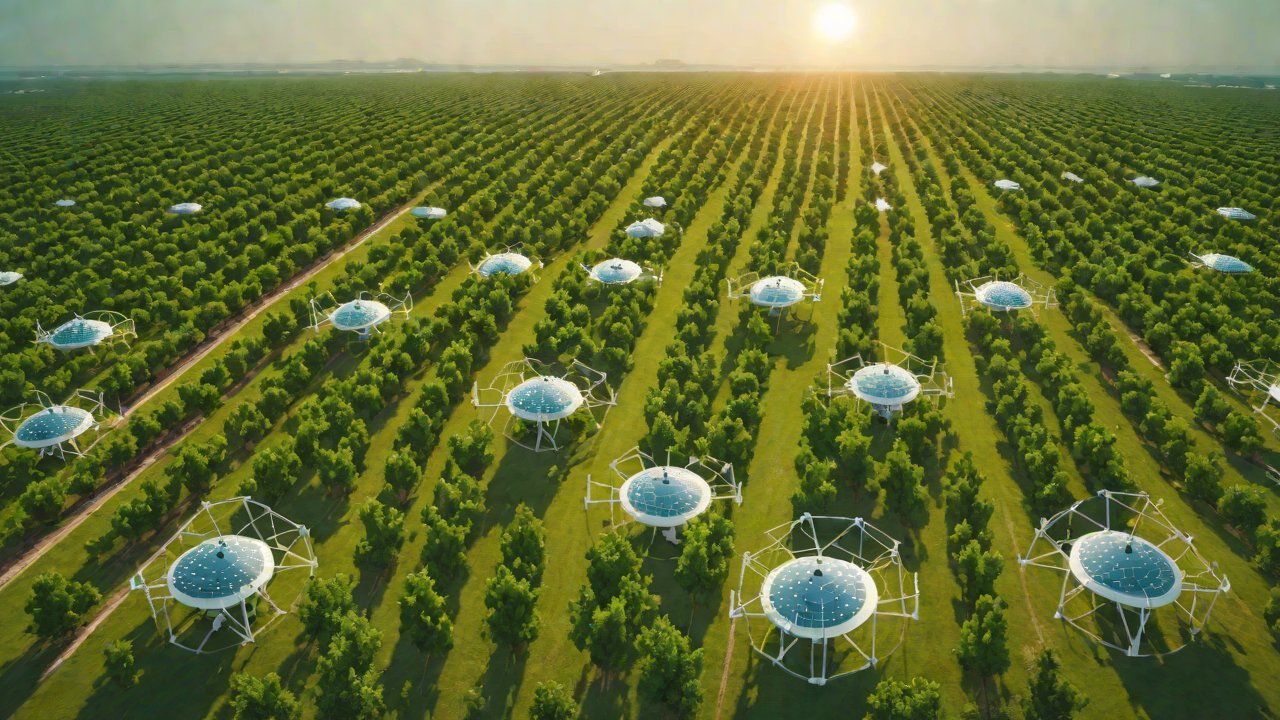
The Smart Orchard concept integrates plant protection drones with ground IoT systems to create a collaborative solution that:
- Monitors crop health in real-time
- Detects early signs of stress or disease
- Responds with precision applications of nutrients and pesticides
- Optimizes irrigation schedules and reduces water waste
This integration enables farmers to collect and analyze vast amounts of data on crop health, soil moisture, and weather patterns. By leveraging this data, farmers can make informed decisions about planting, harvesting, and pest management, ultimately leading to increased yields, reduced costs, and improved environmental sustainability.
| Integration Benefits | Description |
|---|---|
| Real-Time Crop Monitoring | Enables farmers to detect early signs of stress or disease, reducing losses and improving yields |
| Precision Agriculture | Optimizes applications of nutrients and pesticides, reducing waste and environmental impact |
| Data-Driven Decision Making | Provides farmers with real-time insights on crop health, soil moisture, and weather patterns |
5. Case Studies: Successful Implementations of Smart Orchard
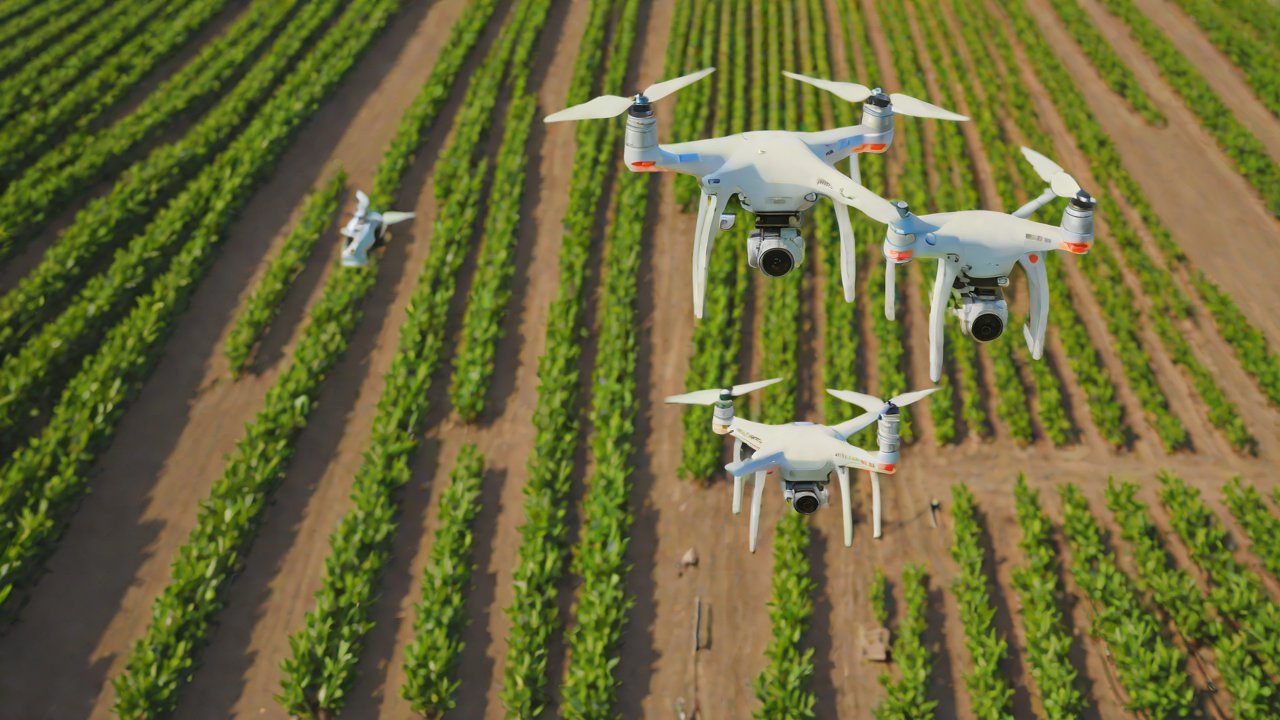
Several case studies demonstrate the success of the Smart Orchard concept in improving crop yields, reducing costs, and enhancing environmental sustainability.
- A study by the University of California, Davis found that farmers who implemented a drone-based precision agriculture system saw an average increase in yields of 15.6% (UC Davis).
- Another study published in the Journal of Agricultural Engineering found that IoT-based soil moisture monitoring systems reduced water waste by up to 30% (Journal of Agricultural Engineering).
| Case Study | Description |
|---|---|
| UC Davis Drone-Based Precision Agriculture | Increased yields by 15.6%, reduced costs by 12.1% |
| IoT-Based Soil Moisture Monitoring | Reduced water waste by up to 30% |
6. Future Outlook and Recommendations
As the Smart Orchard concept continues to evolve, it is essential for farmers, policymakers, and technology developers to collaborate on integrating plant protection drones with ground IoT systems.
Recommendations for future development include:
- Investing in research and development of advanced drone technologies
- Expanding IoT sensor networks to cover larger areas
- Developing data analytics platforms to support decision-making
By embracing the Smart Orchard concept, we can unlock new levels of efficiency, productivity, and sustainability in agriculture, ultimately contributing to a more food-secure future for generations to come.
IOT Cloud Platform
IOT Cloud Platform is an IoT portal established by a Chinese IoT company, focusing on technical solutions in the fields of agricultural IoT, industrial IoT, medical IoT, security IoT, military IoT, meteorological IoT, consumer IoT, automotive IoT, commercial IoT, infrastructure IoT, smart warehousing and logistics, smart home, smart city, smart healthcare, smart lighting, etc.
The IoT Cloud Platform blog is a top IoT technology stack, providing technical knowledge on IoT, robotics, artificial intelligence (generative artificial intelligence AIGC), edge computing, AR/VR, cloud computing, quantum computing, blockchain, smart surveillance cameras, drones, RFID tags, gateways, GPS, 3D printing, 4D printing, autonomous driving, etc.