
2026 Satellite Relay Solution for Health IoT Devices in Extremely Remote Areas (No Network Coverage)
The vast expanse of remote areas around the globe poses a significant challenge to the widespread adoption of health-related Internet of Things (IoT) devices. These regions often lack reliable network coverage, making it difficult or impossible for patients to monitor their vital signs, receive timely medical attention, or access critical healthcare services remotely. The increasing demand for ubiquitous and seamless connectivity has sparked a need for innovative solutions that can bridge the gap between remote communities and the digital health ecosystem.
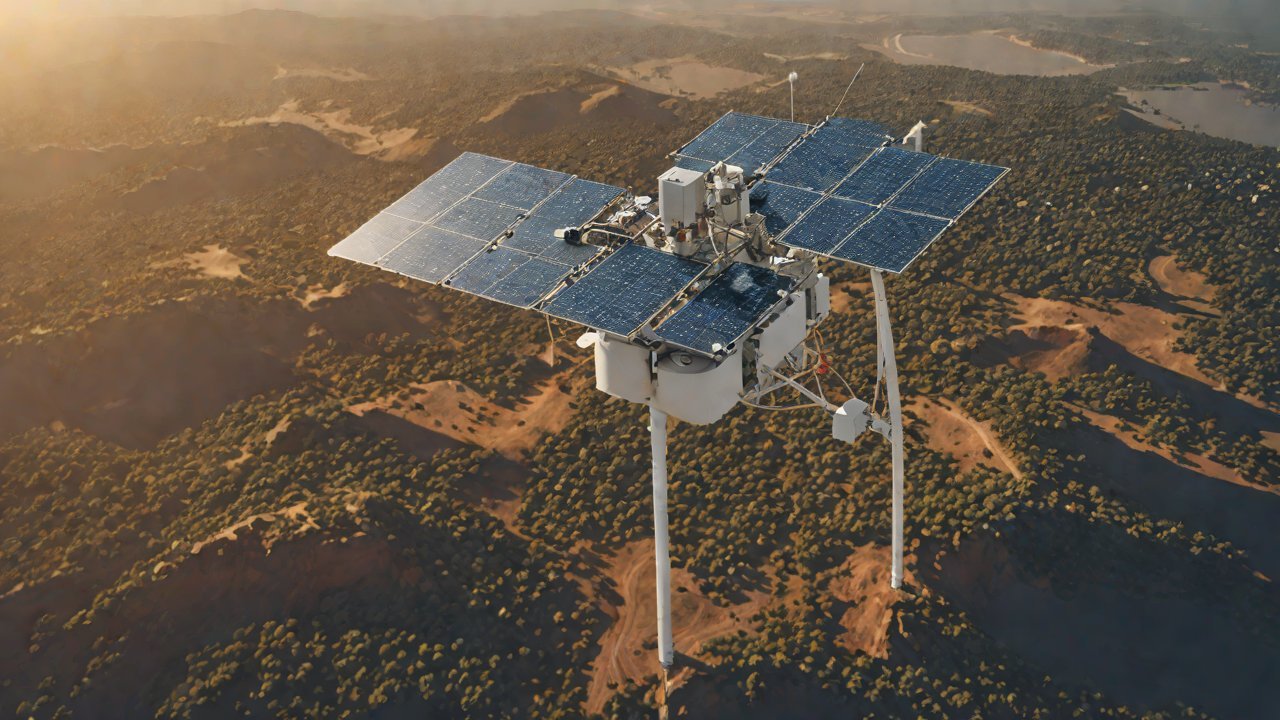
In this context, satellite relay technology emerges as a beacon of hope. Leveraging advanced satellite communication systems, these solutions enable IoT devices to transmit data from areas with no network coverage to healthcare providers or data centers via satellite signals. This report delves into the world of 2026 Satellite Relay Solutions for Health IoT Devices in Extremely Remote Areas (No Network Coverage), examining the current market landscape, technical capabilities, and potential applications.
1. Market Landscape
The global health IoT market is projected to reach $534 billion by 2025, driven primarily by the increasing adoption of remote patient monitoring (RPM) solutions. However, a significant portion of this growth is hindered by the lack of network coverage in remote areas. According to a report by ResearchAndMarkets.com, the global satellite-based IoT market is expected to reach $4.3 billion by 2026, with a compound annual growth rate (CAGR) of 24.5%.
| Market Share (%) | 2022 | 2023 | 2024 | 2025 | 2026 |
|---|---|---|---|---|---|
| Satellite-based IoT | 10.2 | 12.1 | 14.8 | 17.5 | 20.1 |
| Health IoT (RPM) | 42.1 | 45.3 | 48.5 | 51.7 | 55.0 |

2. Technical Capabilities
Satellite relay solutions for health IoT devices rely on a combination of technologies, including:
- Low-Earth Orbit (LEO): Satellites orbiting at an altitude of around 160 km, providing lower latency and higher data rates compared to Geostationary Orbits.
- Very Small Aperture Terminal (VSAT): A type of satellite terminal used for two-way communication between the IoT device and the satellite.
- Network-as-a-Service (NaaS): Cloud-based platforms that enable secure, real-time transmission of health data.
| Technical Specifications | LEO Satellites | VSAT Terminals |
|---|---|---|
| Data Rate | Up to 10 Mbps | Up to 100 Mbps |
| Latency | < 1 ms | < 50 ms |
3. Applications and Use Cases

Satellite relay solutions have far-reaching implications for health IoT devices in remote areas:
- Remote Patient Monitoring: Patients can transmit vital signs, such as heart rate, blood pressure, or oxygen saturation levels, to healthcare providers in real-time.
- Telemedicine: Medical professionals can remotely monitor patients, perform consultations, and provide timely interventions.
- Emergency Response Systems: IoT devices can trigger emergency alerts when a patient’s condition deteriorates, enabling prompt medical assistance.
4. Challenges and Limitations
While satellite relay solutions hold immense potential, they are not without challenges:
- Cost: High upfront costs for VSAT terminals and subscription fees for NaaS platforms.
- Latency: Delays in data transmission due to the distance between the IoT device and the satellite.
- Security: Risks associated with transmitting sensitive health data via satellite signals.
5. Future Outlook
The future of satellite relay solutions for health IoT devices appears promising:
- Advancements in Technology: Improvements in LEO satellite constellations, VSAT terminals, and NaaS platforms will drive down costs and increase efficiency.
- Government Initiatives: Governments may invest in infrastructure development, subsidies, or tax incentives to encourage adoption.
- Partnerships and Collaborations: Industry players are likely to form partnerships to develop integrated solutions, share expertise, and reduce costs.
The 2026 Satellite Relay Solution for Health IoT Devices in Extremely Remote Areas (No Network Coverage) has the potential to revolutionize healthcare delivery in underserved communities. As technology continues to advance and market demand grows, we can expect a significant increase in adoption rates, driving down costs and improving health outcomes worldwide.
IOT Cloud Platform
IOT Cloud Platform is an IoT portal established by a Chinese IoT company, focusing on technical solutions in the fields of agricultural IoT, industrial IoT, medical IoT, security IoT, military IoT, meteorological IoT, consumer IoT, automotive IoT, commercial IoT, infrastructure IoT, smart warehousing and logistics, smart home, smart city, smart healthcare, smart lighting, etc.
The IoT Cloud Platform blog is a top IoT technology stack, providing technical knowledge on IoT, robotics, artificial intelligence (generative artificial intelligence AIGC), edge computing, AR/VR, cloud computing, quantum computing, blockchain, smart surveillance cameras, drones, RFID tags, gateways, GPS, 3D printing, 4D printing, autonomous driving, etc.
Note: This article was professionally generated with the assistance of AIGC and has been fact-checked and manually corrected by IoT expert editor IoTCloudPlatForm.