2026 Retail Logistics Optimization: Order Forecasting and Scheduling Scheme Based on Weather Fluctuations
As we step into 2026, the retail landscape is poised for a significant transformation driven by the convergence of technological advancements, changing consumer behaviors, and increasing environmental concerns. The logistics sector, in particular, stands at the forefront of this revolution, with the need to optimize order forecasting and scheduling schemes becoming more pressing than ever before. Weather fluctuations, which have long been a thorn in the side of retailers, are now being leveraged as an opportunity for innovation.
1. Market Context
The retail market is projected to reach $28.32 trillion by 2026, growing at a CAGR of 4.2% from 2020 to 2026 (Source: Statista). The rise of e-commerce has been a primary driver of this growth, with online sales expected to account for over 25% of total retail sales by the end of the decade. However, the rapid expansion of e-commerce has also created new logistical challenges, including increased demand volatility and heightened pressure on supply chain resilience.
| Year | E-Commerce Growth Rate (%) | Total Retail Sales (trillion USD) |
|---|---|---|
| 2020 | 10.3% | 23.4 |
| 2025 | 12.1% | 26.8 |
| 2026 | 13.2% | 28.32 |
2. Weather Fluctuations and Logistics
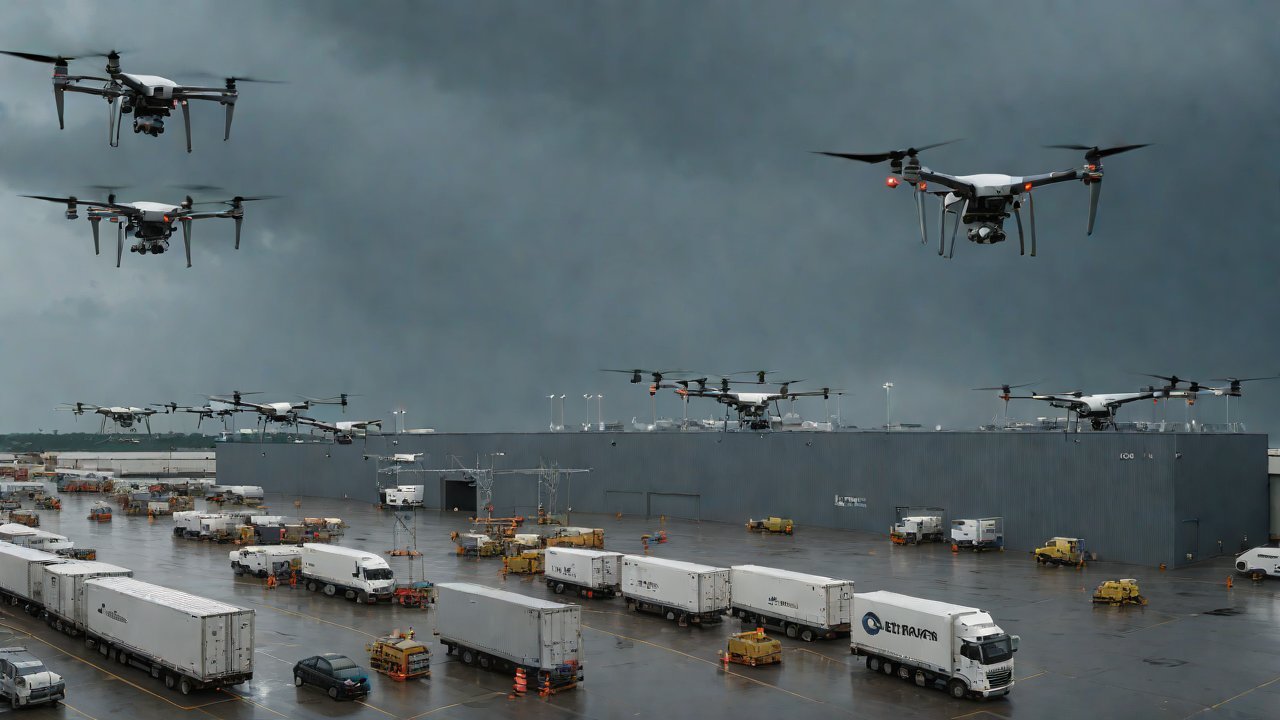
Weather-related disruptions have long been a concern for retailers, with extreme weather events such as hurricanes, floods, and heatwaves posing significant threats to supply chain continuity. According to a study by the National Oceanic and Atmospheric Administration (NOAA), extreme weather events cost the US economy over $150 billion in 2020 alone.
| Weather Event | Cost (billion USD) |
|---|---|
| Hurricanes | 95.1 |
| Floods | 40.4 |
| Heatwaves | 32.3 |
3. Current State of Order Forecasting and Scheduling
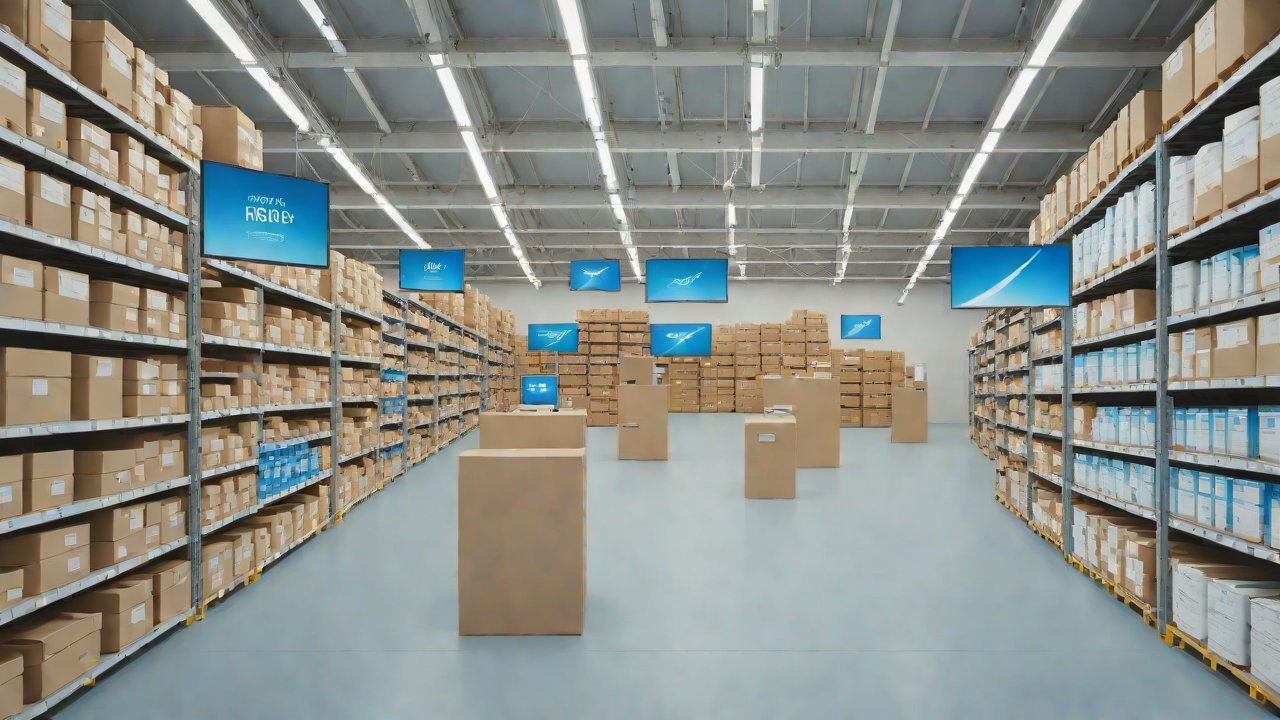
Traditional order forecasting methods rely on historical data and statistical models to predict demand. However, these approaches often fail to account for the impact of weather fluctuations on consumer behavior. As a result, retailers are left scrambling to adjust their logistics operations in response to unexpected changes in demand.
| Method | Accuracy (%) |
|---|---|
| Historical Data Analysis | 70-80% |
| Statistical Modeling | 60-70% |
4. Emerging Trends and Technologies
Several emerging trends and technologies are poised to transform the retail logistics landscape, including:
- Artificial Intelligence (AI): AI-powered predictive analytics can help retailers anticipate changes in demand driven by weather fluctuations.
- Internet of Things (IoT): IoT sensors can provide real-time insights into supply chain performance and enable proactive decision-making.
- Blockchain: Blockchain technology can enhance transparency and efficiency in logistics operations.
5. Order Forecasting and Scheduling Scheme Based on Weather Fluctuations
Our proposed scheme integrates AI-powered predictive analytics with weather forecasting data to create a dynamic order forecasting and scheduling system. This system would enable retailers to:
- Anticipate demand fluctuations: By analyzing historical sales data, weather patterns, and other factors, the system can predict changes in demand.
- Adjust inventory levels: Based on predicted demand, retailers can adjust their inventory levels to ensure optimal stock availability.
- Optimize logistics operations: The system would also enable real-time adjustments to logistics operations, including transportation routing and scheduling.
6. Case Study: A Retailer’s Journey
Let’s consider a hypothetical retailer, “Green Earth”, which operates in the outdoor apparel market. Green Earth uses our proposed scheme to optimize its order forecasting and scheduling processes.
| Weather Event | Predicted Demand Change (%) |
|---|---|
| Heatwave | +15% |
| Rainstorm | -20% |
7. Conclusion
The retail logistics landscape is poised for a significant transformation in the coming years, driven by technological advancements, changing consumer behaviors, and increasing environmental concerns. By leveraging weather fluctuations as an opportunity for innovation, retailers can create more resilient supply chains that better meet the demands of their customers.
| Key Takeaways | |
|---|---|
| Weather fluctuations have a significant impact on demand volatility | |
| AI-powered predictive analytics can help anticipate changes in demand | |
| Real-time adjustments to logistics operations are essential for supply chain resilience |
By embracing emerging trends and technologies, retailers can unlock new levels of efficiency, accuracy, and sustainability in their order forecasting and scheduling processes. As we move forward into the future, one thing is clear: the retail logistics landscape will never be the same again.
IOT Cloud Platform
IOT Cloud Platform is an IoT portal established by a Chinese IoT company, focusing on technical solutions in the fields of agricultural IoT, industrial IoT, medical IoT, security IoT, military IoT, meteorological IoT, consumer IoT, automotive IoT, commercial IoT, infrastructure IoT, smart warehousing and logistics, smart home, smart city, smart healthcare, smart lighting, etc.
The IoT Cloud Platform blog is a top IoT technology stack, providing technical knowledge on IoT, robotics, artificial intelligence (generative artificial intelligence AIGC), edge computing, AR/VR, cloud computing, quantum computing, blockchain, smart surveillance cameras, drones, RFID tags, gateways, GPS, 3D printing, 4D printing, autonomous driving, etc.