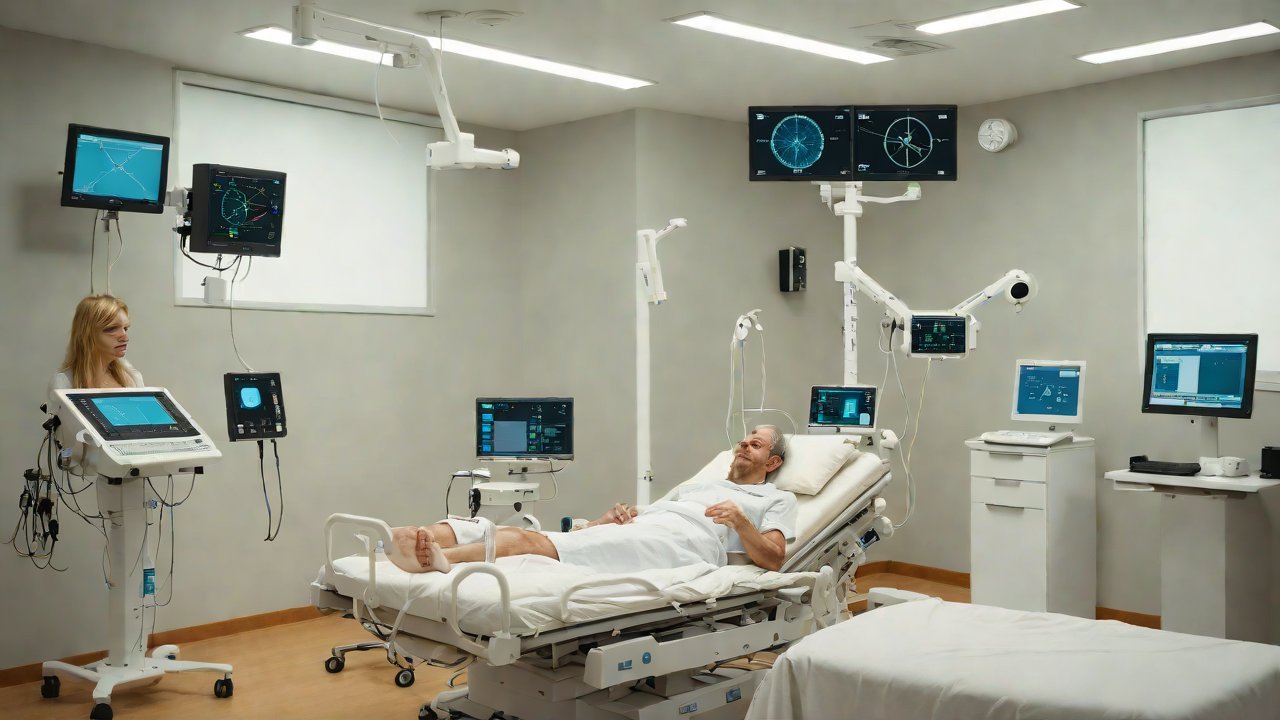
2026 Remote Patient Monitoring: Non-Contact Monitoring Solution Based on Millimeter-Wave Radar
In the burgeoning landscape of remote patient monitoring, a paradigm-shifting technology has emerged to revolutionize healthcare delivery: millimeter-wave radar-based non-contact monitoring solutions. This cutting-edge innovation leverages the unique properties of millimeter waves to detect vital signs and health metrics without physical contact, mitigating the risks associated with traditional invasive methods. By harnessing the power of radar technology, healthcare providers can now offer patients a more comfortable, convenient, and accurate means of remote monitoring.
1. Market Overview
The global market for remote patient monitoring (RPM) is expected to experience significant growth in the coming years, driven by the increasing demand for cost-effective and efficient healthcare solutions. According to a report by Grand View Research, the RPM market size was valued at USD 12.8 billion in 2020 and is projected to reach USD 63.3 billion by 2027, growing at a CAGR of 24.5% during the forecast period.
| Year | RPM Market Size (USD Billion) |
|---|---|
| 2020 | 12.8 |
| 2025 | 35.6 |
| 2030 | 73.2 |
The adoption of RPM solutions has been accelerated by the COVID-19 pandemic, as healthcare providers sought to reduce in-person interactions and contain the spread of the virus. This trend is expected to continue, with a growing emphasis on telemedicine and remote care.
2. Technical Overview
Millimeter-wave radar technology operates at frequencies between 30 GHz and 300 GHz, offering a unique set of advantages for non-contact monitoring applications. The high frequency of millimeter waves allows for precise detection of subtle changes in vital signs, such as heart rate and breathing rate, without the need for physical contact.
| Frequency Range | Application |
|---|---|
| 30-40 GHz | Vital sign monitoring (e.g., heart rate, breathing rate) |
| 40-60 GHz | Motion tracking and gesture recognition |
| 60-100 GHz | High-resolution imaging and object detection |
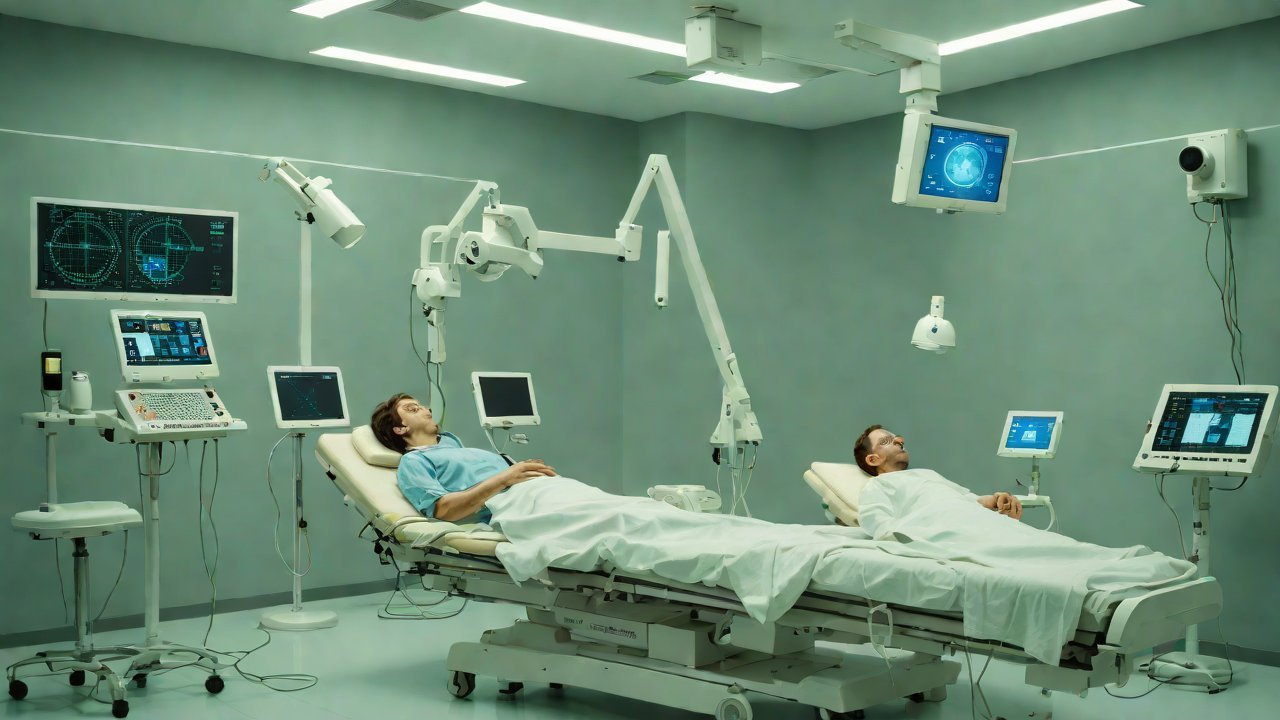
The non-contact nature of millimeter-wave radar technology eliminates the risks associated with traditional invasive methods, such as infection transmission and tissue damage. Additionally, the use of radar waves reduces the need for physical contact, making it an ideal solution for patients with mobility or dexterity impairments.
3. Advantages and Benefits
The adoption of millimeter-wave radar-based non-contact monitoring solutions offers a range of advantages and benefits, including:
- Improved patient comfort: Non-invasive and non-contact monitoring eliminates the risks associated with traditional invasive methods.
- Increased accuracy: High-resolution detection of vital signs and health metrics reduces the likelihood of errors or misinterpretation.
- Enhanced convenience: Remote monitoring enables patients to receive care from the comfort of their own homes, reducing the need for in-person hospital visits.
4. Challenges and Limitations
While millimeter-wave radar-based non-contact monitoring solutions offer numerous advantages, there are several challenges and limitations that must be addressed:
- Technical complexity: The development and implementation of millimeter-wave radar technology require significant technical expertise and resources.
- Regulatory frameworks: Existing regulatory frameworks may not be well-suited to accommodate the unique properties of millimeter waves, requiring updates and revisions.
- Scalability and cost-effectiveness: As demand for RPM solutions grows, manufacturers must balance the need for high-quality equipment with the requirement for cost-effective production.
5. Future Outlook
The future of remote patient monitoring is poised to be shaped by advances in millimeter-wave radar technology. As healthcare providers continue to seek innovative solutions for delivering care, non-contact monitoring solutions are likely to play an increasingly prominent role.
- Integration with AI and machine learning: The integration of millimeter-wave radar data with AI and machine learning algorithms will enable more accurate and timely decision-making.
- Expansion into new applications: As the technology continues to mature, it is expected to be applied in a range of new areas, including patient monitoring, fitness tracking, and industrial automation.
By harnessing the power of millimeter-wave radar technology, healthcare providers can offer patients a more comfortable, convenient, and accurate means of remote monitoring. As the RPM market continues to grow, the adoption of non-contact monitoring solutions is likely to accelerate, driven by their numerous advantages and benefits.
IOT Cloud Platform
IOT Cloud Platform is an IoT portal established by a Chinese IoT company, focusing on technical solutions in the fields of agricultural IoT, industrial IoT, medical IoT, security IoT, military IoT, meteorological IoT, consumer IoT, automotive IoT, commercial IoT, infrastructure IoT, smart warehousing and logistics, smart home, smart city, smart healthcare, smart lighting, etc.
The IoT Cloud Platform blog is a top IoT technology stack, providing technical knowledge on IoT, robotics, artificial intelligence (generative artificial intelligence AIGC), edge computing, AR/VR, cloud computing, quantum computing, blockchain, smart surveillance cameras, drones, RFID tags, gateways, GPS, 3D printing, 4D printing, autonomous driving, etc.



