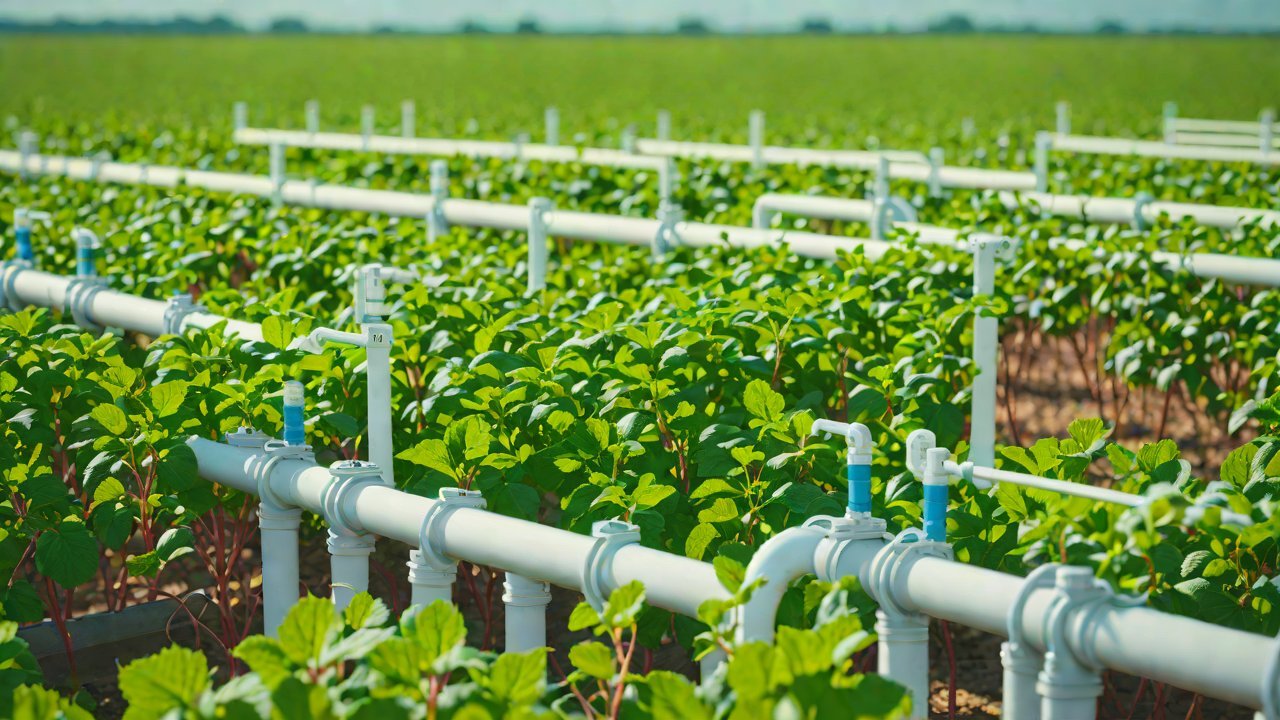
2026 Raspberry Pi-Controlled Smart Agricultural Irrigation Solenoid Valve Array Solution
The advent of precision agriculture has revolutionized the way farmers cultivate their land, leveraging cutting-edge technology to optimize crop yields and minimize resource consumption. Among these innovations, smart irrigation systems have emerged as a crucial component, enabling farmers to regulate water usage with unprecedented accuracy. One such system, built around the Raspberry Pi microcomputer, is poised to transform agricultural practices worldwide by 2026.
1. Market Landscape
The global precision agriculture market has experienced significant growth over the past few years, driven by increasing demand for sustainable farming practices and rising concerns about climate change. According to a report by MarketsandMarkets, the market size is projected to reach USD 13.2 billion by 2025, growing at a Compound Annual Growth Rate (CAGR) of 11.6% during the forecast period.
| Market Size (USD Billion) | CAGR (%) |
|---|---|
| 2020 | 3.8 |
| 2021 | 4.3 |
| 2022 | 5.1 |
| 2023 | 6.0 |
| 2024 | 7.1 |
| 2025 | 11.6 |
The market is segmented into various categories, including precision irrigation, crop monitoring, soil sensing, and farm management software. Among these, precision irrigation holds a significant share, with the global smart irrigation system market projected to reach USD 2.5 billion by 2025.
2. Technical Overview
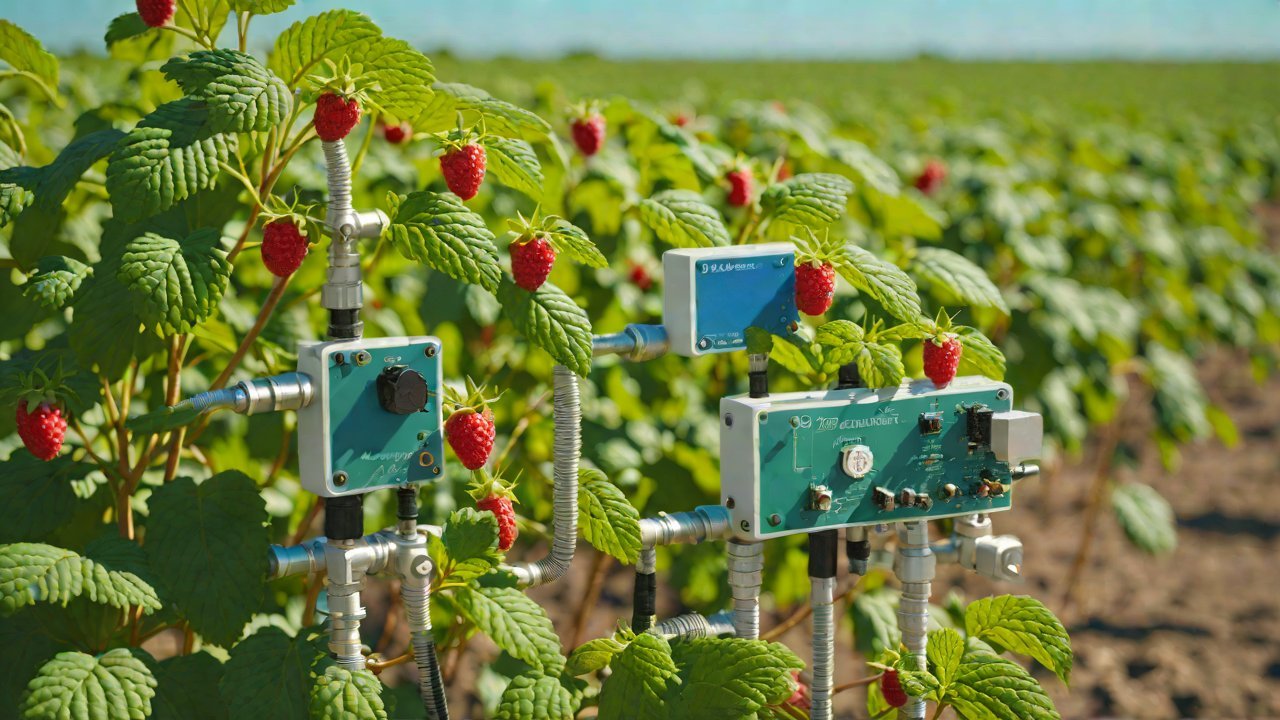
The Raspberry Pi-controlled smart agricultural irrigation solenoid valve array solution is based on the Raspberry Pi 4 microcomputer, which serves as the brain of the operation. The system consists of several key components:
- Sensors: Soil moisture sensors and weather stations provide real-time data on soil conditions and weather patterns.
- Microcontroller: The Raspberry Pi processes sensor data and sends control signals to the solenoid valves.
- Solenoid Valves: These valves regulate water flow to each section of the farm, ensuring precise irrigation levels.
- Communication: Wi-Fi or cellular connectivity enables remote monitoring and control of the system.
| Component | Description |
|---|---|
| Raspberry Pi 4 | Microcontroller with quad-core processor and 1GB RAM |
| Soil Moisture Sensors | Measure soil moisture levels, providing real-time data to the microcontroller |
| Weather Stations | Monitor temperature, humidity, wind speed, and other weather parameters |
| Solenoid Valves | Regulate water flow to each section of the farm |
3. Benefits and Advantages
The Raspberry Pi-controlled smart agricultural irrigation solenoid valve array solution offers numerous benefits and advantages over traditional irrigation systems:
- Precision Irrigation: The system ensures that crops receive exactly the right amount of water, reducing waste and runoff.
- Increased Yields: By optimizing irrigation levels, farmers can expect higher crop yields and better quality produce.
- Water Conservation: The system’s ability to detect soil moisture levels and adjust irrigation accordingly helps conserve water resources.
- Reduced Energy Consumption: The Raspberry Pi microcontroller is energy-efficient, reducing power consumption and minimizing the carbon footprint of the system.
| Benefit | Description |
|---|---|
| Precision Irrigation | Ensures crops receive exactly the right amount of water |
| Increased Yields | Higher crop yields and better quality produce |
| Water Conservation | Conserves water resources by optimizing irrigation levels |
| Reduced Energy Consumption | Energy-efficient Raspberry Pi microcontroller |
4. Implementation and Deployment
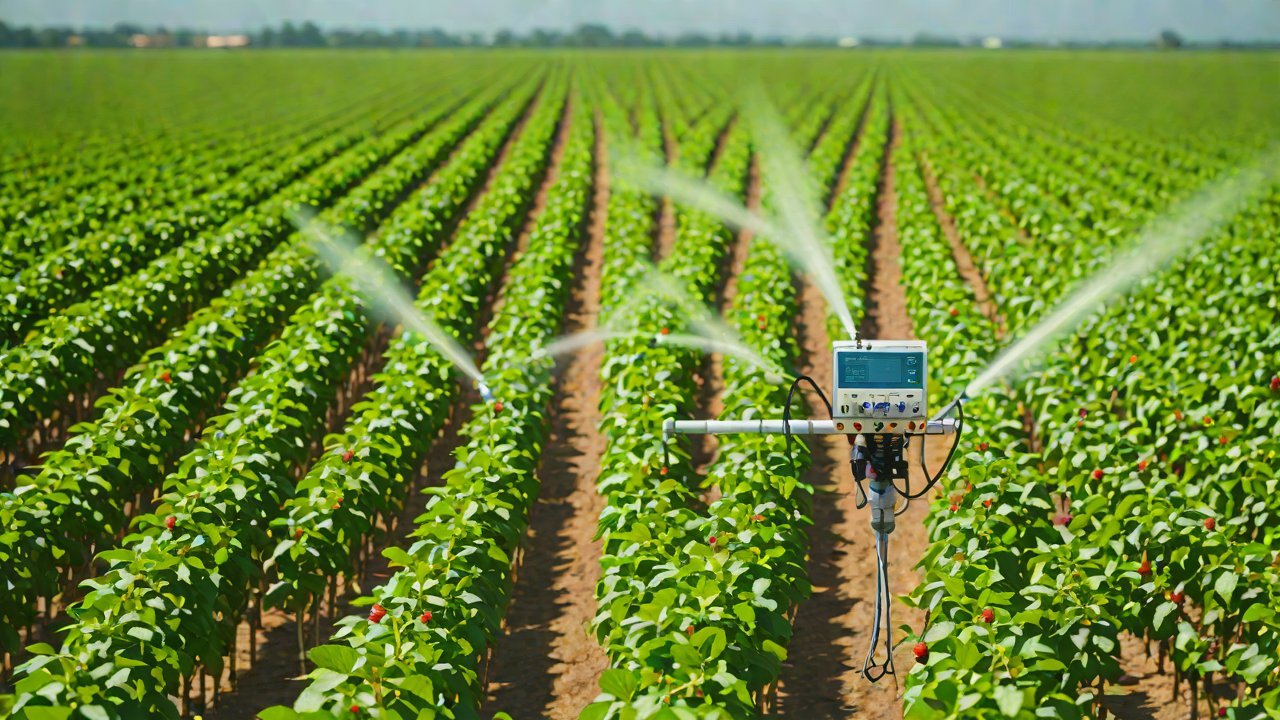
The implementation and deployment of the Raspberry Pi-controlled smart agricultural irrigation solenoid valve array solution involve several steps:
- System Design: The system is designed to meet specific farm requirements, including soil type, crop selection, and climate conditions.
- Hardware Installation: Sensors, microcontroller, and solenoid valves are installed on the farm, ensuring seamless integration with existing infrastructure.
- Software Configuration: The Raspberry Pi microcontroller is configured to process sensor data and send control signals to the solenoid valves.
- Training and Support: Farmers receive comprehensive training on system operation and maintenance, ensuring smooth transition to smart irrigation practices.
| Step | Description |
|---|---|
| System Design | Designs system to meet specific farm requirements |
| Hardware Installation | Installs sensors, microcontroller, and solenoid valves on the farm |
| Software Configuration | Configures Raspberry Pi microcontroller to process sensor data and send control signals |
| Training and Support | Provides comprehensive training on system operation and maintenance |
5. Future Outlook
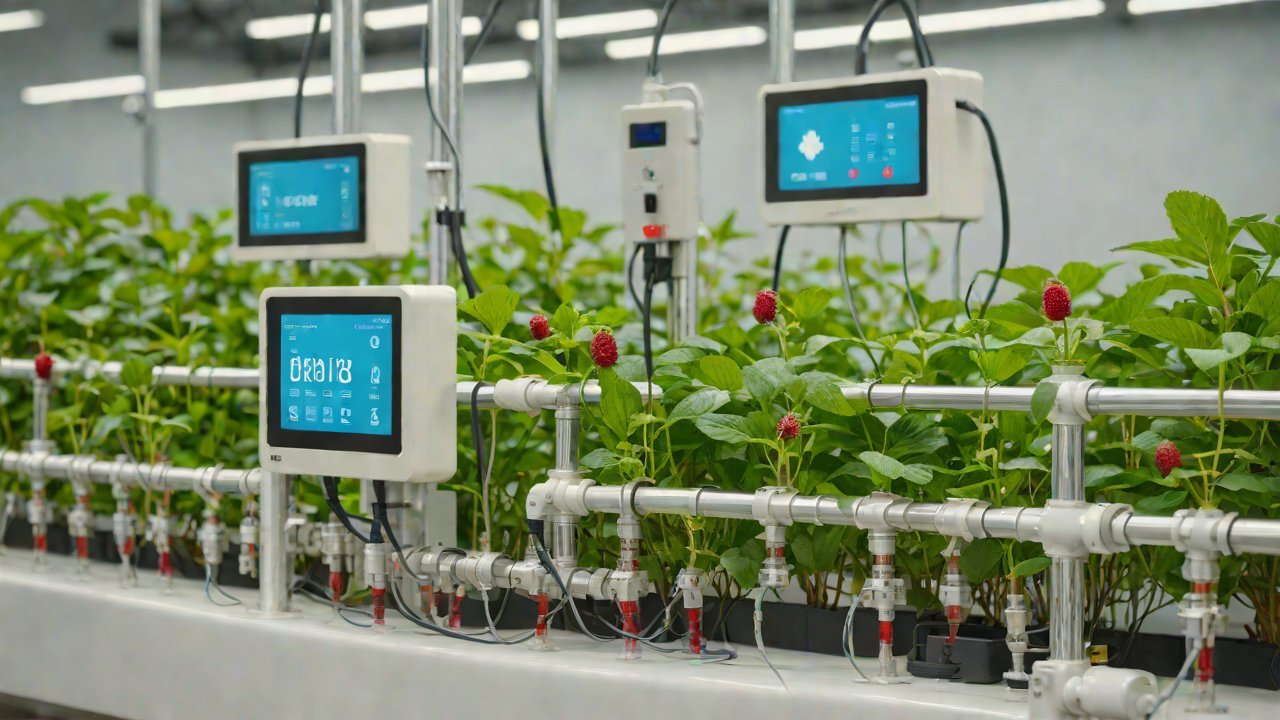
The adoption of smart agricultural irrigation systems like the Raspberry Pi-controlled solution is expected to accelerate in the coming years, driven by growing demand for sustainable farming practices and increasing concerns about climate change.
| Market Trend | Description |
|---|---|
| Increasing Adoption | Growing demand for smart agriculture solutions worldwide |
| Rising Concerns | Climate change, water scarcity, and soil degradation driving innovation |
| Technological Advancements | Improvements in sensor technology, microcontrollers, and communication systems |
The Raspberry Pi-controlled smart agricultural irrigation solenoid valve array solution is poised to become a game-changer in the world of precision agriculture. By leveraging cutting-edge technology and market trends, this system offers farmers unprecedented control over their irrigation practices, ensuring optimal crop yields while minimizing resource consumption.
IOT Cloud Platform
IOT Cloud Platform is an IoT portal established by a Chinese IoT company, focusing on technical solutions in the fields of agricultural IoT, industrial IoT, medical IoT, security IoT, military IoT, meteorological IoT, consumer IoT, automotive IoT, commercial IoT, infrastructure IoT, smart warehousing and logistics, smart home, smart city, smart healthcare, smart lighting, etc.
The IoT Cloud Platform blog is a top IoT technology stack, providing technical knowledge on IoT, robotics, artificial intelligence (generative artificial intelligence AIGC), edge computing, AR/VR, cloud computing, quantum computing, blockchain, smart surveillance cameras, drones, RFID tags, gateways, GPS, 3D printing, 4D printing, autonomous driving, etc.